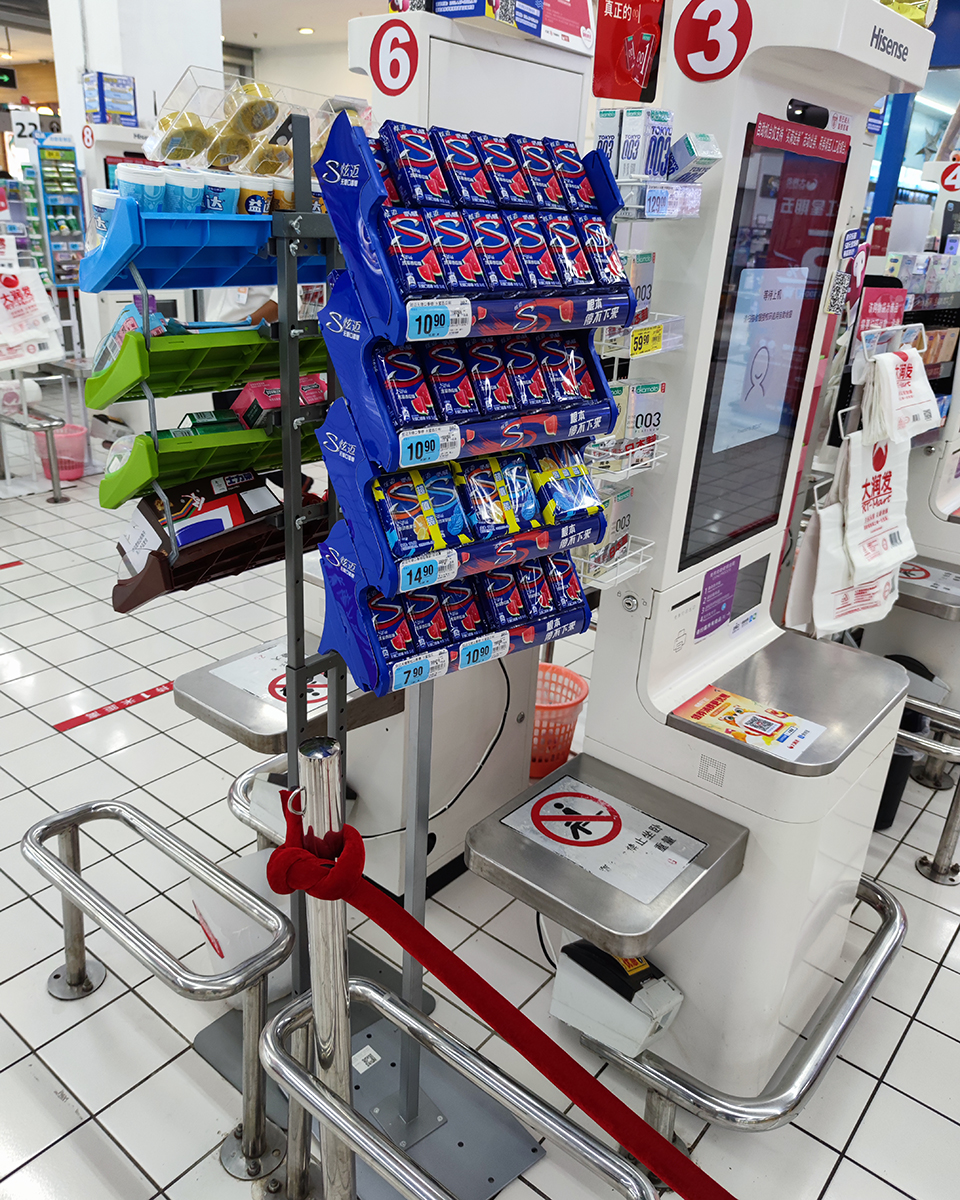
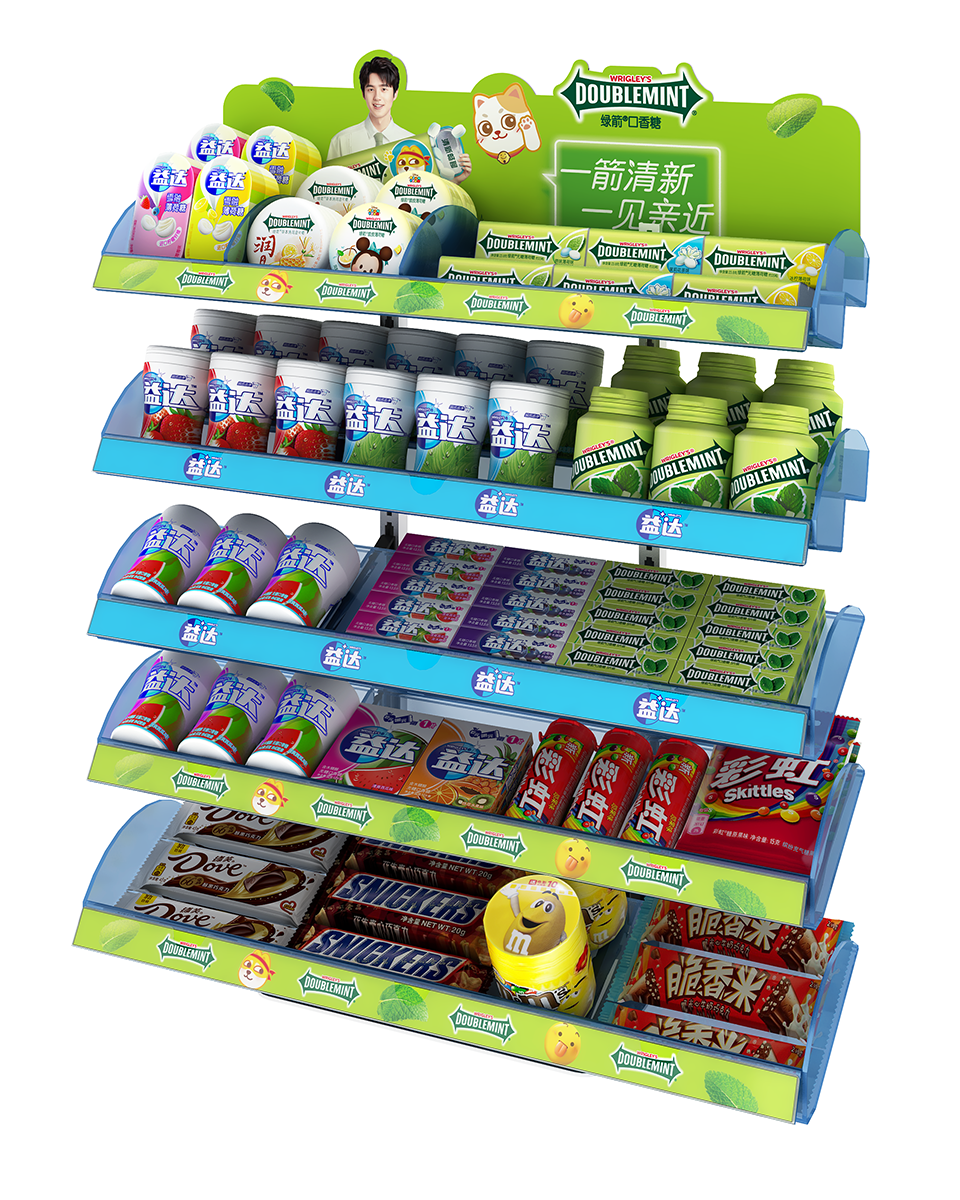
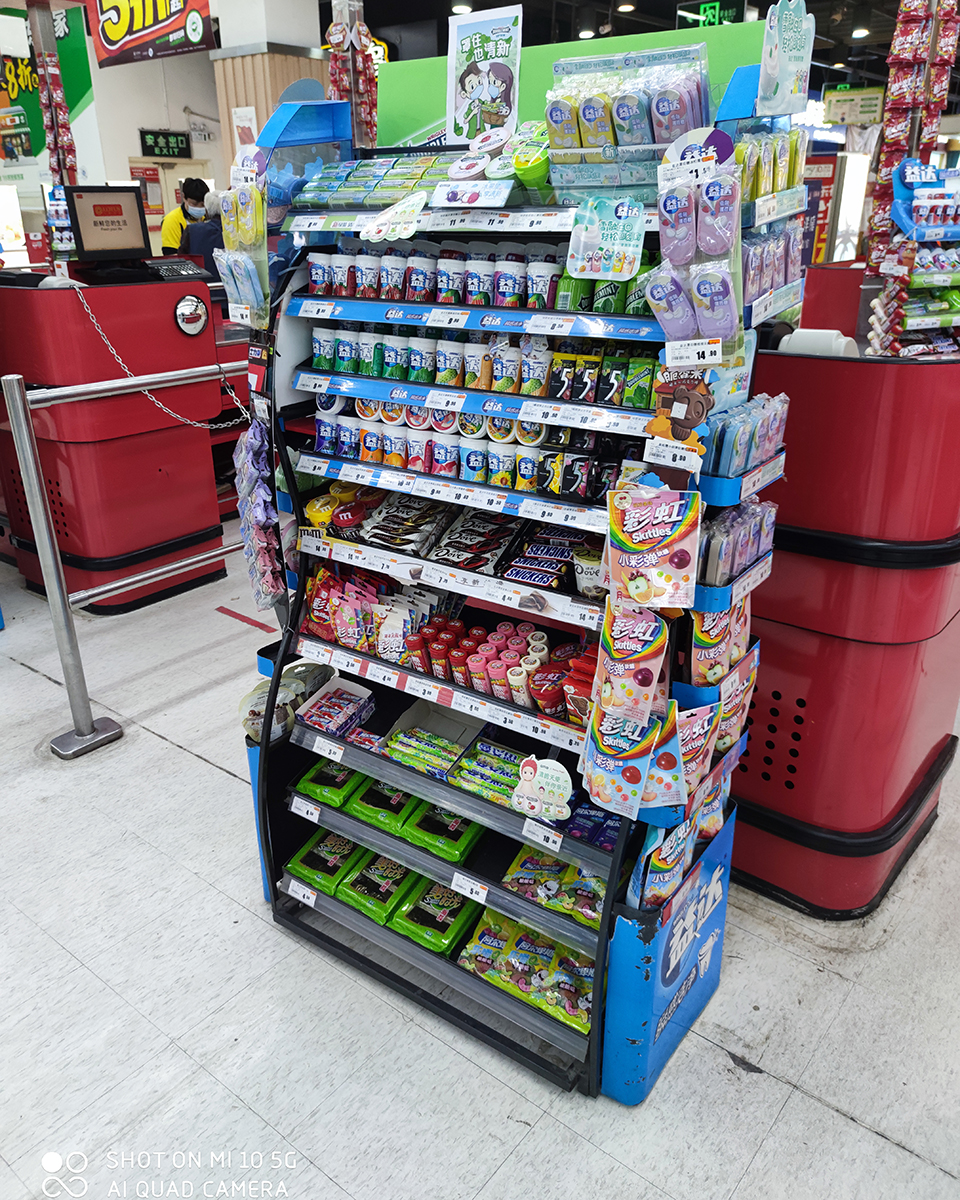
Premium Custom Retail Display Solutions - Transform Your Store with Tailored Merchandising Systems

Get a Free Quote

Our representative will contact you soon.
Email
Name
Company Name
Mobile/WhatsApp
Message
0/1000

custom retail display

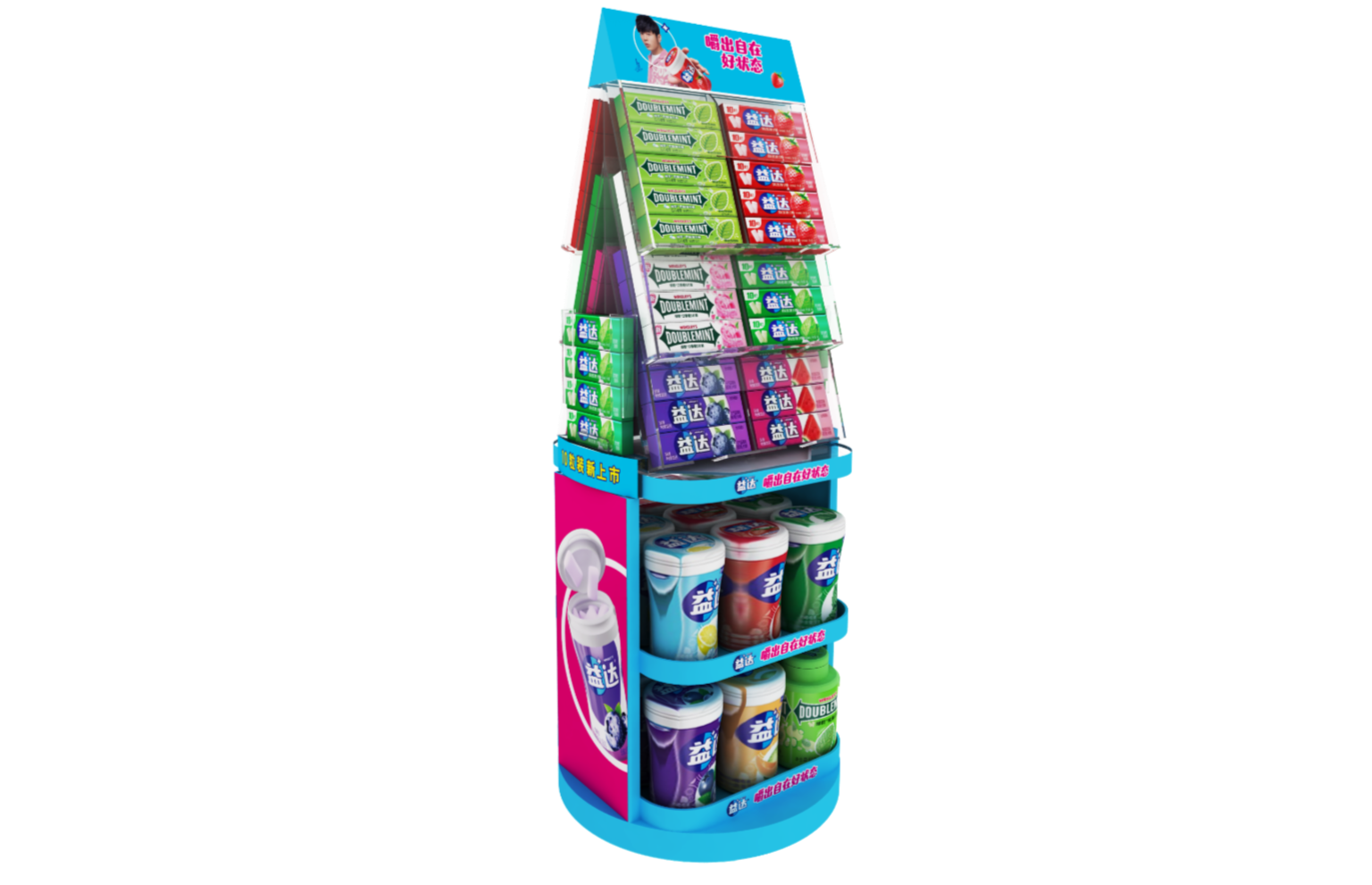
Custom retail display solutions represent a transformative approach to merchandise presentation that enables businesses to create distinctive shopping experiences while maximizing product visibility and sales potential. These specialized display systems are engineered to meet specific brand requirements, spatial constraints, and consumer engagement objectives through tailored design and functionality. Unlike standard off-the-shelf display fixtures, custom retail display units are meticulously crafted to align with brand identity, store aesthetics, and operational needs. The primary functions of custom retail display systems encompass product showcasing, brand storytelling, space optimization, and customer flow direction. These displays serve as silent salespeople that communicate brand values while guiding shoppers through carefully orchestrated product journeys. Technologically, modern custom retail display solutions integrate advanced materials science, digital components, and ergonomic design principles to create immersive shopping environments. Many incorporate LED lighting systems, interactive touchscreens, motion sensors, and smart inventory management capabilities that provide real-time data analytics. The construction typically involves high-grade materials such as tempered glass, aluminum extrusions, sustainable wood composites, and durable plastics that ensure longevity while maintaining visual appeal. Applications span diverse retail sectors including fashion boutiques, electronics stores, cosmetics counters, automotive showrooms, and grocery establishments. Each custom retail display is engineered to address specific challenges such as limited floor space, seasonal merchandise rotation, security requirements, or accessibility compliance. The design process involves comprehensive consultation, 3D modeling, prototype development, and rigorous testing to ensure optimal performance. These systems can accommodate various product types from delicate jewelry to heavy machinery components, with adjustable shelving, specialized mounting systems, and climate-controlled environments when necessary. Integration capabilities allow seamless connection with existing store infrastructure, point-of-sale systems, and inventory management software, creating cohesive retail ecosystems that enhance operational efficiency while delivering exceptional customer experiences.

Popular Products

Custom retail display systems deliver substantial competitive advantages that directly impact business performance and customer satisfaction metrics. The foremost benefit lies in enhanced product visibility, as these specialized fixtures position merchandise at optimal viewing angles and heights that naturally draw customer attention. Strategic lighting integration illuminates products effectively, reducing shadows and creating appealing visual presentations that encourage closer examination and purchase decisions. Space utilization becomes dramatically more efficient with custom retail display solutions, as they are designed to maximize every square foot of available retail space. Unlike generic fixtures that often leave awkward gaps or underutilized areas, custom displays fit perfectly within existing floor plans while accommodating unique architectural features and traffic flow patterns. This optimization translates directly into increased inventory capacity and improved customer navigation throughout the store environment. Brand differentiation represents another critical advantage, as custom retail display units serve as powerful brand ambassadors that communicate company values and aesthetic preferences. These displays create memorable shopping experiences that distinguish businesses from competitors using standard fixtures, fostering customer loyalty and word-of-mouth recommendations. The ability to incorporate brand colors, logos, materials, and design elements ensures consistent brand presentation across all customer touchpoints. Flexibility and adaptability stand out as significant operational benefits, enabling quick reconfiguration for seasonal promotions, new product launches, or changing inventory requirements. Modular components allow staff to adjust display configurations without requiring specialized tools or extensive training, reducing labor costs and minimizing disruption during busy shopping periods. Durability and longevity provide exceptional return on investment, as custom retail display systems are constructed using premium materials and engineering practices that withstand heavy commercial use. This reduces replacement frequency and maintenance costs compared to lower-quality alternatives. Integration capabilities with modern technology platforms enable advanced features such as inventory tracking, customer analytics, security monitoring, and digital marketing integration. These smart features provide valuable business intelligence that supports data-driven decision making and inventory optimization strategies. Customer experience enhancement occurs naturally through improved product accessibility, clearer pricing information, and intuitive store navigation enabled by thoughtfully designed display systems. This leads to increased dwell time, higher conversion rates, and improved customer satisfaction scores that contribute to long-term business success and sustainable growth.

Practical Tips

Quality and Reliability: Key Questions to Ask Your Potential POP Displays Supplier

27

Jan

Quality and Reliability: Key Questions to Ask Your Potential POP Displays Supplier

Selecting the right POP displays supplier is one of the most critical decisions retailers and brand managers face when implementing point-of-purchase marketing strategies. The quality and reliability of your display partner directly impacts your bran...
View More
2026 Top Floor Display Stands: A Buyer's Complete Guide

27

Jan

2026 Top Floor Display Stands: A Buyer's Complete Guide

Floor display stands have become essential fixtures in retail environments, trade shows, and commercial spaces across industries. As businesses seek to maximize product visibility and create compelling customer experiences, choosing the right display...
View More
Custom Metal Display Stands: Design & Benefits Guide

03

Feb

Custom Metal Display Stands: Design & Benefits Guide

In today's competitive retail environment, effective product presentation can make the difference between a sale and a missed opportunity. Metal display stands have emerged as essential fixtures that combine durability, versatility, and professional ...
View More
Custom vs Standard Countertop Display Racks Compared

03

Feb

Custom vs Standard Countertop Display Racks Compared

Retail environments demand strategic merchandising solutions that maximize product visibility while optimizing limited space. Countertop display racks serve as essential tools for showcasing high-value items, impulse purchases, and featured merchandi...
View More

Get a Free Quote

Our representative will contact you soon.
Email
Name
Company Name
Mobile/WhatsApp
Message
0/1000

custom retail display

Intelligent Technology Integration and Smart Analytics

Intelligent Technology Integration and Smart Analytics

Modern custom retail display systems incorporate cutting-edge technology that transforms traditional merchandise presentation into dynamic, data-driven customer engagement platforms. These intelligent displays integrate seamlessly with Internet of Things sensors, advanced analytics software, and real-time monitoring systems that provide unprecedented insights into customer behavior patterns and product performance metrics. The technology stack typically includes proximity sensors that detect customer presence and dwell time, enabling businesses to understand which products generate the most interest and optimize placement accordingly. Temperature and humidity monitoring ensures optimal product preservation, particularly crucial for cosmetics, electronics, and perishable goods that require specific environmental conditions. Digital price tags and product information displays can be updated remotely, eliminating manual labor costs while ensuring pricing accuracy across multiple locations simultaneously. Interactive touchscreen interfaces embedded within custom retail display units allow customers to access detailed product specifications, compare features, view demonstration videos, and even place orders for items not currently in stock. These systems often connect directly to inventory management databases, providing real-time stock levels and automated reordering capabilities that prevent stockouts and overstock situations. Advanced lighting systems with programmable LED arrays can adjust brightness, color temperature, and focus patterns based on time of day, seasonal preferences, or specific promotional campaigns. Motion-activated features create engaging customer experiences while conserving energy during low-traffic periods. Facial recognition technology, where legally permitted, can provide demographic insights and personalized product recommendations. Integration with mobile applications enables customers to scan QR codes for additional product information, reviews, and purchasing options. Security features include discrete surveillance cameras, tamper detection sensors, and alarm systems that protect high-value merchandise without compromising aesthetic appeal. Data analytics platforms aggregate information from multiple display units, providing comprehensive reports on customer traffic patterns, popular product combinations, and optimal display configurations. This intelligence enables retailers to make informed decisions about inventory placement, promotional strategies, and store layout modifications that maximize sales potential and customer satisfaction.
Sustainable Design and Environmental Responsibility

Sustainable Design and Environmental Responsibility

Contemporary custom retail display solutions prioritize environmental sustainability through innovative material selection, energy-efficient technologies, and circular economy principles that align with modern corporate responsibility initiatives and consumer environmental consciousness. Sustainable design begins with material sourcing, emphasizing recycled aluminum, reclaimed wood, bio-based plastics, and low-impact manufacturing processes that minimize carbon footprints throughout the product lifecycle. Many custom retail display manufacturers now offer carbon-neutral shipping options and take-back programs that ensure proper recycling or refurbishment at end-of-life. Energy efficiency represents a cornerstone of sustainable design, with LED lighting systems consuming up to 80% less electricity than traditional halogen alternatives while providing superior light quality and longevity. Smart lighting controls automatically adjust brightness based on ambient light conditions and occupancy sensors, further reducing energy consumption during off-peak hours. Solar panel integration capabilities allow displays to generate renewable energy for internal systems, particularly beneficial for outdoor installations or stores with adequate roof space. Water-based finishes and low-VOC adhesives protect indoor air quality while meeting stringent environmental regulations in various jurisdictions. Modular construction principles enable component reuse and reconfiguration, extending product lifespan and reducing waste generation when store layouts change or businesses relocate. Sustainable packaging materials protect displays during shipping while decomposing naturally or integrating into existing recycling streams. Local sourcing strategies minimize transportation emissions while supporting regional economies and reducing supply chain vulnerabilities. Durability engineering ensures custom retail display systems maintain functionality and appearance for decades rather than years, dramatically improving resource efficiency compared to disposable alternatives. Material passports and lifecycle assessments provide transparency about environmental impacts, enabling businesses to make informed decisions aligned with sustainability goals. Renewable material options include bamboo composites, cork panels, and bioplastic components that offer comparable performance to traditional materials while supporting regenerative agriculture practices. End-of-life planning includes disassembly instructions, material identification labels, and manufacturer take-back programs that ensure responsible disposal or component recovery. Third-party environmental certifications validate sustainability claims and provide assurance to environmentally conscious consumers and corporate buyers seeking to reduce their environmental impact through responsible purchasing decisions.
Ergonomic Design and Universal Accessibility

Ergonomic Design and Universal Accessibility

Sophisticated custom retail display systems incorporate comprehensive ergonomic principles and universal accessibility features that ensure comfortable, safe, and inclusive shopping experiences for customers across diverse physical abilities, age ranges, and cultural backgrounds. Ergonomic design considerations begin with optimal viewing heights that accommodate both seated and standing customers, including wheelchair users and individuals of varying stature. Research-backed sight lines ensure product visibility from multiple angles while preventing neck strain and eye fatigue during extended browsing sessions. Reach zones are carefully calculated to enable comfortable product access without overextension, incorporating Americans with Disabilities Act guidelines and international accessibility standards. Tactile elements such as textured surfaces, Braille labeling, and audio description systems support customers with visual impairments, while high-contrast color schemes and adjustable lighting assist those with varying degrees of vision capability. Clear navigation pathways with adequate width accommodate mobility devices, shopping carts, and family groups while preventing congestion during peak shopping periods. Non-slip flooring materials and rounded edges minimize injury risks while maintaining aesthetic appeal and easy maintenance requirements. Adjustable shelving systems allow staff to modify product placement based on seasonal inventory changes or accessibility feedback, ensuring optimal presentation for all customer segments. Cognitive accessibility features include simplified visual layouts, clear product categorization, and intuitive interaction methods that support customers with autism, dementia, or learning differences. Multi-language displays and culturally sensitive design elements welcome diverse customer populations while expanding market reach. Weight distribution engineering ensures structural stability even when fully loaded with merchandise, preventing tipping hazards that could endanger customers or damage products. Maintenance accessibility allows cleaning and restocking activities without disrupting customer traffic or requiring special equipment. Child safety considerations include secure mounting systems, tamper-resistant components, and appropriate height restrictions for potentially hazardous items. Emergency accessibility ensures displays do not obstruct evacuation routes or emergency equipment while maintaining attractive presentation standards. User testing protocols involve diverse focus groups that provide feedback on accessibility effectiveness and suggest improvements before final implementation. Training materials help retail staff understand accessibility features and assist customers effectively, creating inclusive environments that welcome all shoppers regardless of physical capabilities or personal circumstances.
Premium Custom Retail Display Solutions - Transform Your Store with Tailored Merchandising Systems

Get a Free Quote

Our representative will contact you soon.
Email
Name
Company Name
Mobile/WhatsApp
Message
0/1000
Newsletter
Please Leave A Message With Us