 EN
EN

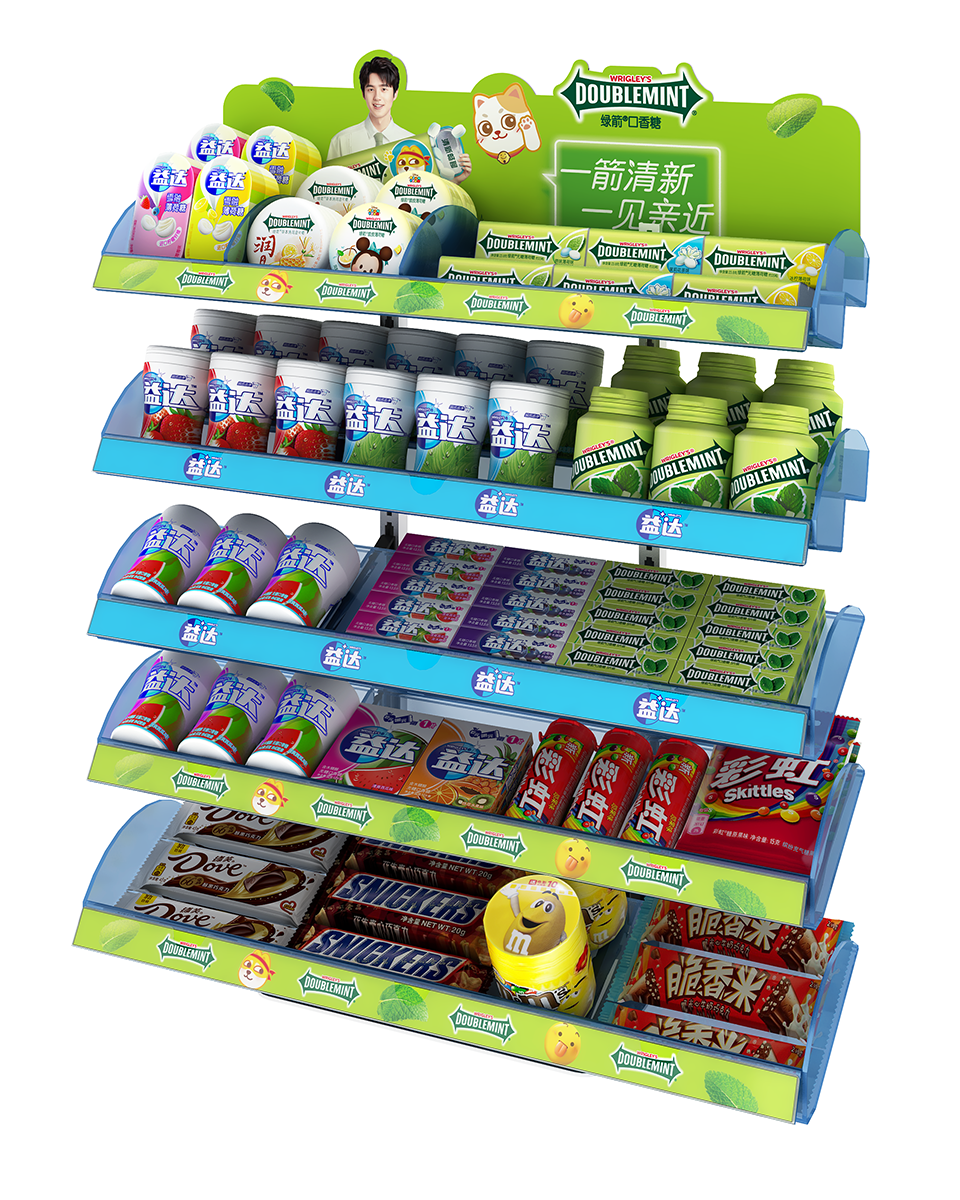
Acrylic display stands have become essential fixtures in retail environments, museums, trade shows, and commercial spaces where product visibility directly impacts sales and engagement. Understanding what drives the cost of acrylic display stands is crucial for businesses making purchasing decisions, whether you're a small retailer or a large enterprise managing multiple locations. The pricing of acrylic display stands varies significantly based on multiple interconnected factors, and understanding these dynamics helps you negotiate better prices, plan budgets accurately, and select solutions that deliver genuine value for your specific use case.
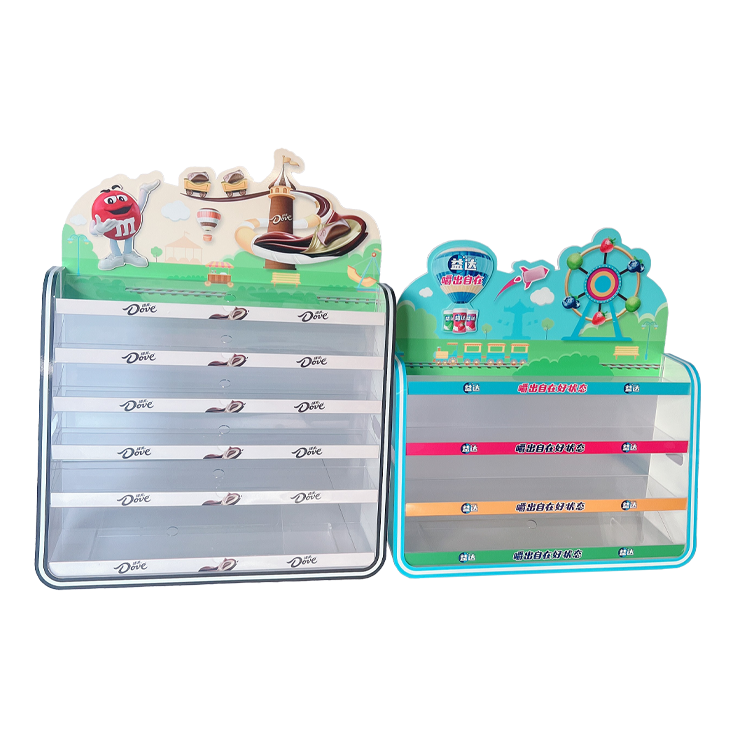
The cost structure for acrylic display stands reflects both material science and manufacturing complexity. Unlike simple shelving or generic fixtures, acrylic display stands require precision design, quality material sourcing, and skilled production processes. Whether you're ordering a single unit or bulk quantities, the pricing model accounts for raw material costs, labor, equipment wear, quality assurance, and logistics. By exploring the core factors that influence acrylic display stands pricing, you'll gain the knowledge needed to make informed purchasing decisions and identify opportunities for cost optimization without compromising on quality or functionality.
Material Quality and Acrylic Grade Selection
Impact of Acrylic Type on Pricing
The grade and type of acrylic used in manufacturing acrylic display stands directly impacts the final price. Virgin acrylic, which is produced from raw materials rather than recycled content, costs more than recycled acrylic but offers superior optical clarity, durability, and resistance to yellowing over time. Premium acrylic display stands utilize cast acrylic, which provides exceptional transparency and is ideal for high-end retail environments where product visibility is critical. Extruded acrylic represents a more economical option for acrylic display stands and works well for applications where optical perfection is less critical, making it a popular choice for budget-conscious retailers.
Thickness and Structural Requirements
Acrylic display stands designed for heavier products require thicker material to maintain structural integrity and prevent warping or stress fractures. Standard acrylic display stands typically use thickness ranging from 3mm to 10mm, with thicker materials commanding higher prices due to increased material volume and manufacturing time. The load-bearing capacity directly correlates with pricing; acrylic display stands engineered to support 50 pounds will cost less than those designed for 200-pound loads. Environmental factors also influence material selection—acrylic display stands intended for outdoor use or humid environments may require specialized coatings or UV-resistant formulations that increase overall costs.
Design Complexity and Customization Factors
Structural Design and Engineering
Simple, standardized acrylic display stands typically cost significantly less than custom-engineered designs. Basic geometric designs like rectangular shelves or tiered stands require minimal engineering and can be produced efficiently, reducing both labor and design costs for acrylic display stands. Conversely, acrylic display stands with curved surfaces, irregular shapes, or integrated lighting elements demand specialized tooling, computer-aided design expertise, and more complex manufacturing processes. Custom acrylic display stands that incorporate brand logos, specific dimensions, or unique architectural elements incur additional engineering fees, prototyping costs, and longer lead times, all of which raise the final price.
Surface Treatments and Finishing
The finishing applied to acrylic display stands significantly affects pricing. Basic polished edges represent the standard treatment, while beveled edges, frosted surfaces, or mirrored finishes require additional processing steps and skilled labor. Printed or engraved elements on acrylic display stands add value but also increase production time and complexity. Anti-reflective coatings, UV protection layers, or specialized scratch-resistant treatments enhance functionality and longevity of acrylic display stands but contribute to higher manufacturing costs. Premium acrylic display stands may feature multiple finishing techniques combined, driving prices upward while delivering enhanced aesthetics and performance.
Production Volume and Order Economics
Minimum Order Quantities and Bulk Discounting
Manufacturing acrylic display stands follows standard industrial economics where volume directly influences per-unit costs. Ordering small quantities of acrylic display stands typically incurs higher per-unit pricing because fixed costs like tooling setup, design validation, and quality control are spread across fewer units. When you order acrylic display stands in larger volumes, manufacturers can amortize these fixed costs across more units, significantly reducing the per-piece price. Many suppliers offer tiered pricing structures where acrylic display stands ordered in quantities of 100+ units receive substantial discounts compared to quantities of 10–25 units, sometimes achieving 30–50% cost reductions.
Tooling and Setup Costs
Custom acrylic display stands require mold creation, CNC programming, and fixture development, with tooling costs sometimes reaching thousands of dollars depending on complexity. These one-time expenses are factored into the unit cost, making initial orders of custom acrylic display stands expensive on a per-unit basis. However, once tooling is established, repeat orders of identical acrylic display stands become much more economical. Manufacturers often offer better pricing on subsequent orders once the tooling investment is complete, making it economical to reorder the same acrylic display stands design in future quarters without incurring setup charges again.
Logistics, Manufacturing Location, and Market Factors
Geographic Production Costs and Shipping
The geographic location of manufacturing significantly affects acrylic display stands pricing. Production in regions with lower labor costs typically results in lower base prices for acrylic display stands compared to facilities in developed economies. However, shipping costs from distant manufacturing hubs can offset initial savings; acrylic display stands produced locally or regionally may ultimately cost less when logistics are factored in. International orders of acrylic display stands incur tariffs, customs fees, and longer shipping times that increase total landed costs. Currency fluctuations also impact acrylic display stands pricing for international buyers, adding another variable to cost calculations.
Market Demand and Supply Chain Factors
Pricing for acrylic display stands fluctuates based on raw material availability and market demand. When acrylic resin prices rise due to petrochemical market conditions, manufacturers adjust acrylic display stands pricing accordingly. High demand periods may create supply constraints, allowing manufacturers to maintain premium pricing for acrylic display stands. Conversely, during slower market periods, competitive pressure encourages suppliers to offer promotional pricing on acrylic display stands to maintain production volume. Lead times and rush fees also influence acrylic display stands pricing; expedited production of acrylic display stands typically costs 15–30% more than standard manufacturing timelines.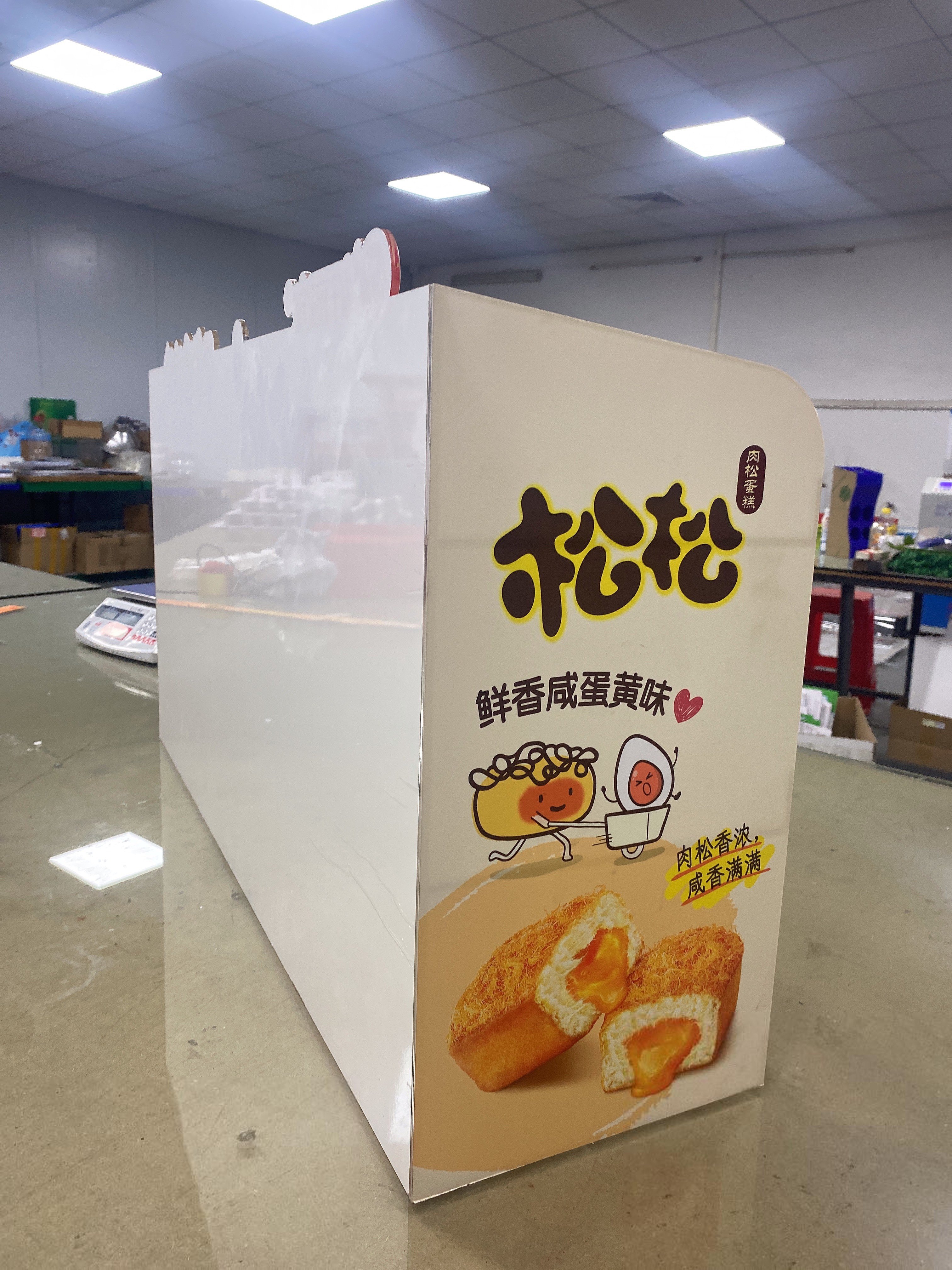
FAQ
What is the typical price range for standard acrylic display stands?
Standard, off-the-shelf acrylic display stands typically range from $50 to $500 per unit depending on size, complexity, and material quality. Small, simple acrylic display stands designed for individual products may cost $50–$150, while larger, multi-tiered acrylic display stands can exceed $400. Custom acrylic display stands with unique designs often start at $300–$500 per unit for small quantities and decrease significantly at higher volumes. Requesting quotes from multiple suppliers helps you understand the typical market pricing for acrylic display stands matching your specific requirements.
How much can I save by ordering acrylic display stands in bulk?
Bulk ordering of acrylic display stands typically generates 20–50% cost savings per unit compared to individual purchases, depending on order size and design complexity. Orders of 50+ acrylic display stands usually qualify for significant volume discounts, while orders exceeding 500 units may receive even steeper reductions. The exact savings depend on the supplier, design complexity, and whether tooling costs have been previously amortized. For large retail chains planning to roll out acrylic display stands across multiple locations, bulk pricing negotiations can yield substantial total savings that justify strategic centralized purchasing.
Do custom acrylic display stands cost significantly more than standard options?
Custom acrylic display stands typically cost 2–4 times more than standard acrylic display stands when ordering small quantities because of design, engineering, and tooling expenses. However, once tooling is established and orders scale to higher volumes, the per-unit cost difference narrows considerably. A custom design with a $2,000 tooling cost spread across 100 units adds only $20 per unit, while that same design at 500 units adds only $4 per unit to the base production cost. Strategic bulk ordering of custom acrylic display stands eventually becomes competitive with or cheaper than repeatedly purchasing standard options.