 EN
EN

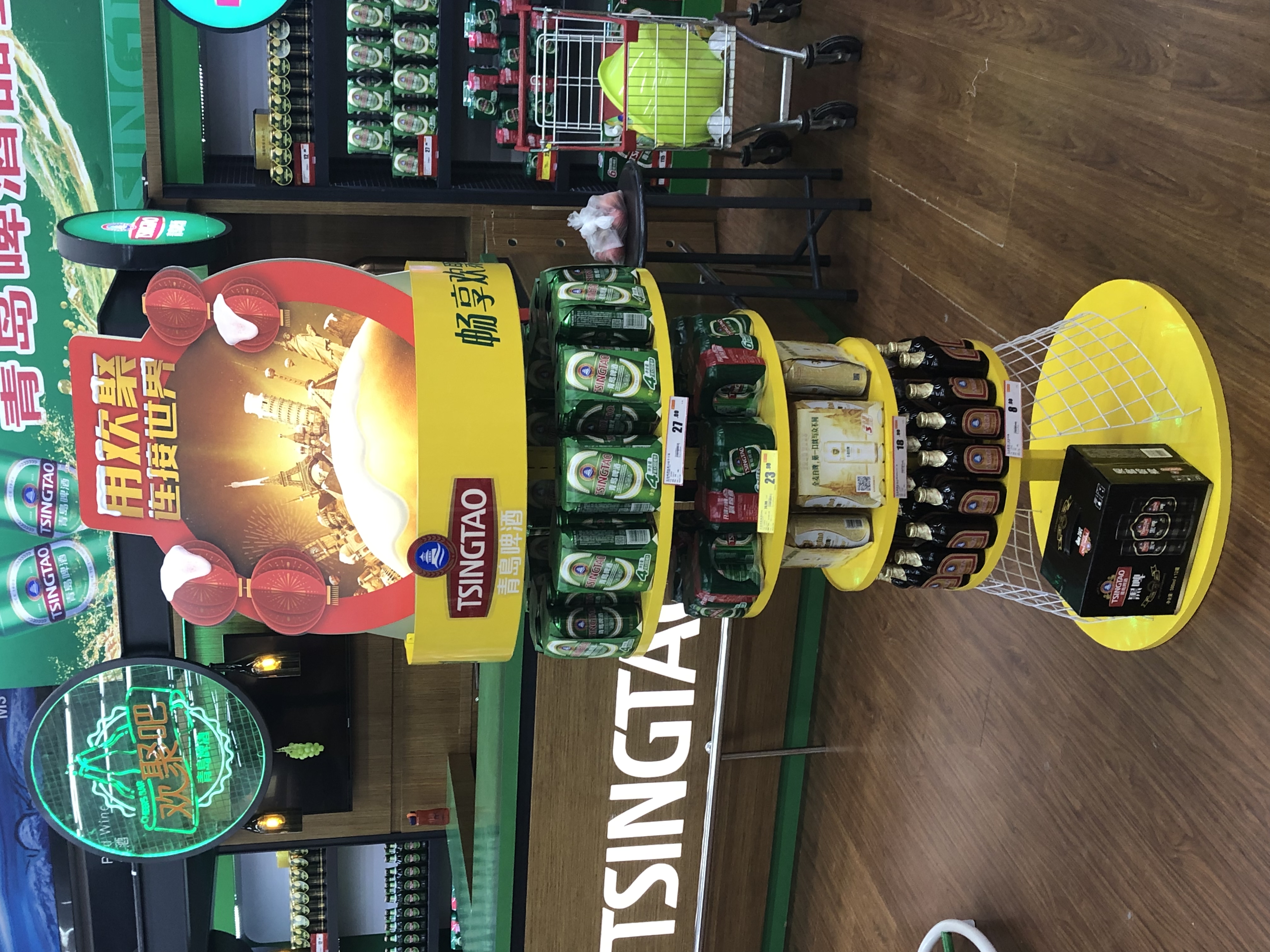
Energy efficiency in a beverage display unit directly impacts operational costs and environmental footprint across retail, food service, and distribution environments. Understanding the factors that determine beverage display efficiency helps retailers make informed purchasing decisions and optimize their existing equipment. A beverage display serves as both a product showcase and a significant energy consumer, making efficiency analysis crucial for profitability.
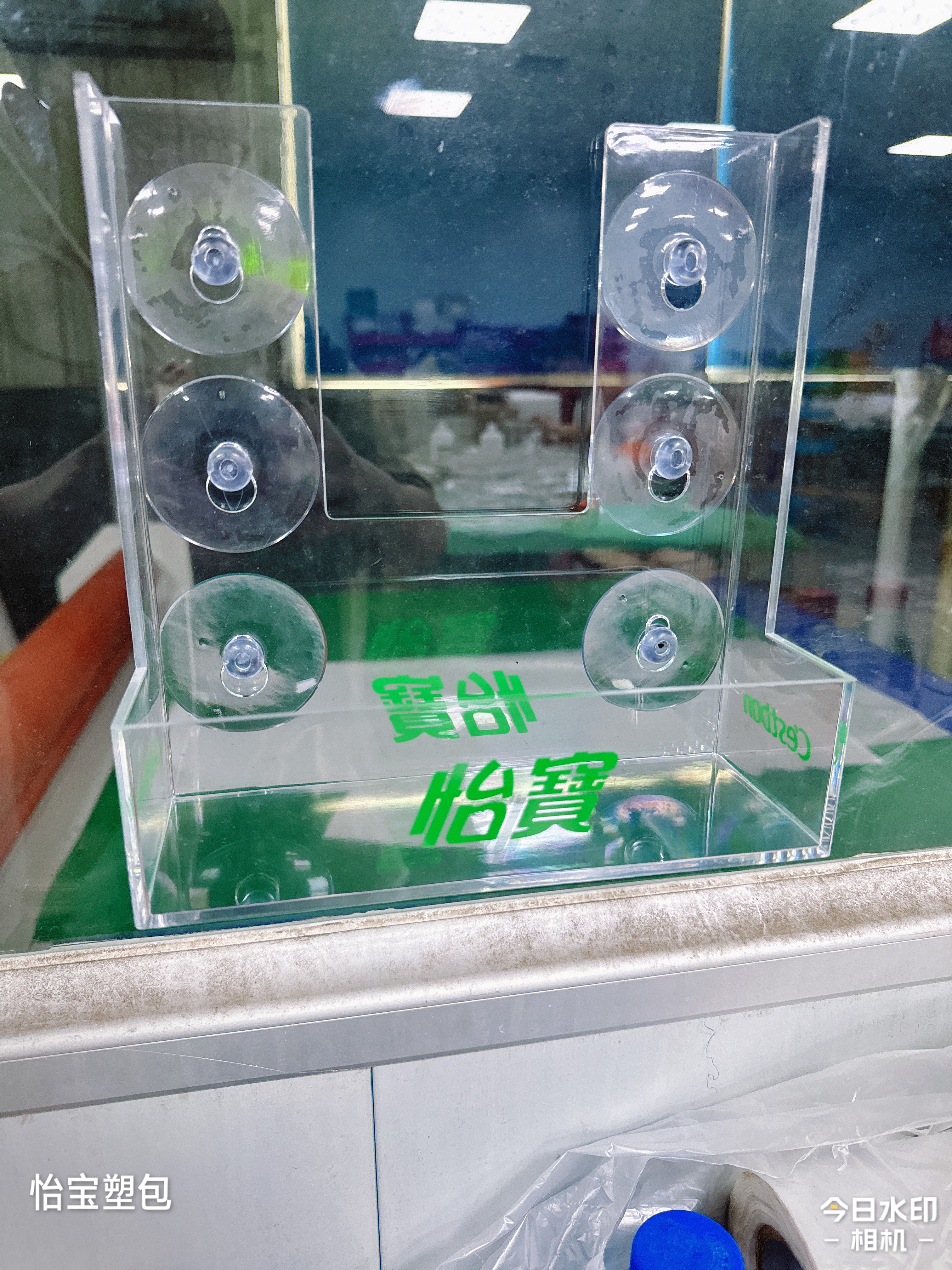
Every beverage display unit manufactured today incorporates design choices that either enhance or diminish its energy performance. Selecting a beverage display with optimized efficiency features reduces monthly utility expenses while maintaining proper product temperature and appearance. This guide examines the technical and operational factors that shape beverage display energy consumption patterns.
Insulation Quality and Material Composition
Thermal Barrier Performance in Beverage Display Design
The insulation system within a beverage display fundamentally determines how effectively the unit maintains internal temperatures without continuous compressor work. High-density polyurethane foam, commonly used in modern beverage display units, provides superior thermal resistance compared to older materials. A beverage display with optimized insulation thickness reduces heat infiltration by 20 to 35 percent, directly lowering compressor runtime and electricity consumption. The cavity fill quality, density uniformity, and absence of thermal bridging all contribute to how efficiently a beverage display maintains its internal environment.
Door Seal Integration and Frame Design
Gasket integrity represents a critical efficiency variable in every beverage display unit. Worn or poorly fitted seals allow warm air exchange with the surrounding environment, forcing the compressor to work longer and harder. A beverage display featuring reinforced magnetic gaskets and precision-molded frames minimizes air leakage and maintains temperature consistency. Frame materials with low thermal conductivity prevent temperature loss through structural pathways that older beverage display designs often ignored.
Refrigeration System Architecture
Compressor Selection and Speed Control Technology
The compressor type integrated into a beverage display unit significantly influences overall energy profile. Variable-speed compressors, increasingly common in efficient beverage display models, adjust cooling capacity based on actual demand rather than running at constant output. A beverage display equipped with inverter-driven compressors consumes 30 to 40 percent less energy than fixed-speed alternatives during partial-load periods. The refrigerant type also affects beverage display performance; hydrofluoroolefin refrigerants provide better efficiency than legacy chlorofluorocarbon formulations while supporting modern beverage display environmental standards.
Condenser and Evaporator Efficiency
Heat exchange surface area and fin design directly determine how effectively a beverage display transfers thermal energy. High-surface-area condensers in efficient beverage display units reduce the temperature difference needed for heat rejection, allowing the compressor to cycle less frequently. Evaporator coil configuration within a beverage display influences how uniformly cooling distributes across product zones. Advanced beverage display systems employ microchannel condensers that enhance refrigerant flow distribution and overall system responsiveness to temperature changes.
Operational Control Systems and User Interface
Temperature Regulation and Sensor Placement
Precision temperature control represents a foundational efficiency factor in any beverage display installation. Electronic controllers in modern beverage display units sense temperature at multiple points and make minute adjustments to prevent temperature overshoot. A beverage display with well-calibrated sensors avoids unnecessary cooling cycles that waste energy. Inadequate or poorly placed temperature sensors in older beverage display designs often trigger excessive refrigeration cycles, degrading overall system efficiency performance.
Display Lighting and LED Integration
Lighting systems account for 20 to 30 percent of total energy consumption in many retail beverage display installations. LED lighting technology in modern beverage display units generates significantly less heat than traditional incandescent or fluorescent options, reducing cooling load requirements. A beverage display retrofit with energy-efficient lighting often delivers rapid payback through combined reductions in refrigeration demand and direct lighting energy use. Smart lighting controls that adjust illumination based on occupancy patterns further optimize total beverage display energy consumption.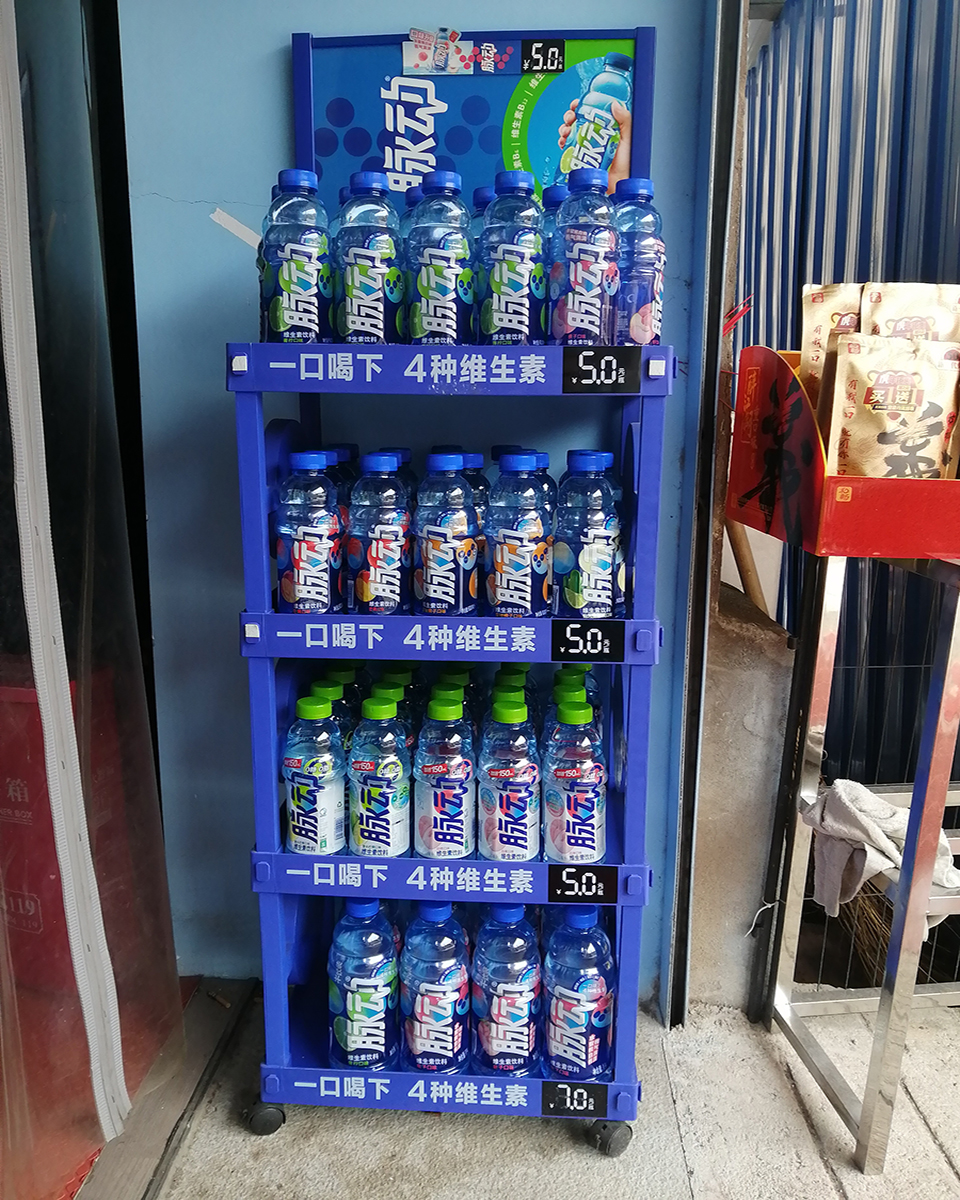
FAQ
What building factors affect beverage display energy performance?
Ambient temperature, humidity levels, and direct sunlight exposure significantly impact how hard a beverage display must work. A beverage display installed in a cool, shaded environment consumes less energy than identical units positioned near heat sources or loading docks. Proper placement, adequate ventilation around the beverage display exterior, and environmental controls in the surrounding facility directly influence refrigeration demand and overall operational costs.
How does beverage display size relate to energy efficiency?
Larger beverage display units typically have better surface-area-to-volume ratios, meaning each cubic foot of storage requires proportionally less energy to maintain. However, a beverage display unit sized appropriately to actual product demand avoids wasting energy cooling excess space. The most efficient beverage display selection matches unit capacity to real business requirements rather than assuming larger automatically means better efficiency.
Can regular maintenance improve beverage display energy efficiency?
Yes, consistent maintenance dramatically extends beverage display efficiency throughout its operational life. Cleaning condenser coils, checking door seal integrity, and verifying compressor function all prevent efficiency degradation in any beverage display. A well-maintained beverage display operates at design specifications for 10 to 15 years, while neglected units lose efficiency rapidly. Quarterly inspections of gaskets, coil cleanliness, and refrigerant charge levels keep beverage display systems performing optimally.