 EN
EN

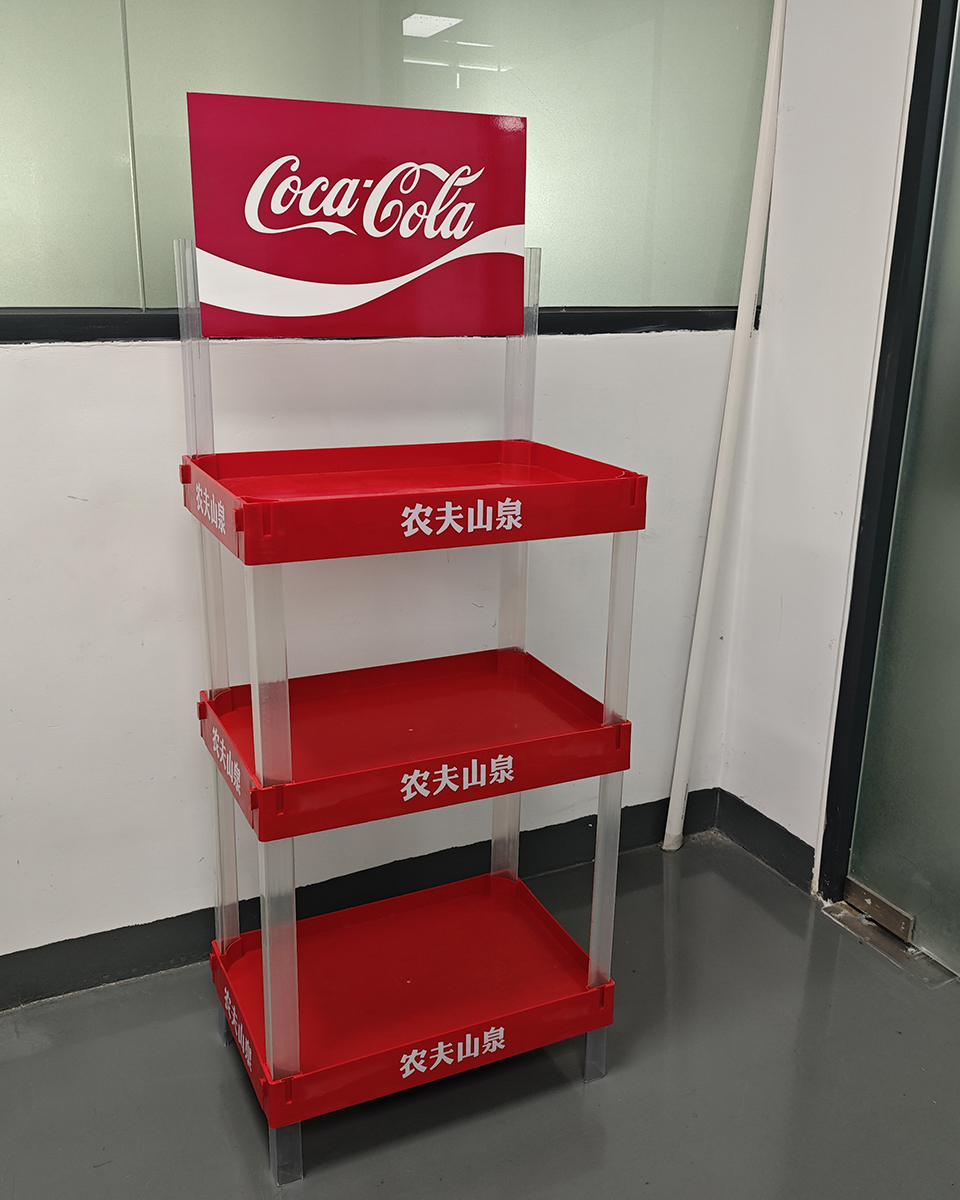
Effective beverage display placement is one of the most overlooked yet powerful levers in retail profitability. Where you position a beverage display directly influences customer visibility, purchase frequency, and overall sales performance. Retailers must carefully evaluate location, traffic patterns, shelf positioning, and consumer behavior to maximize the impact of every beverage display in their store. Strategic beverage display placement transforms high-margin products from warehouse stock into consistent revenue drivers.
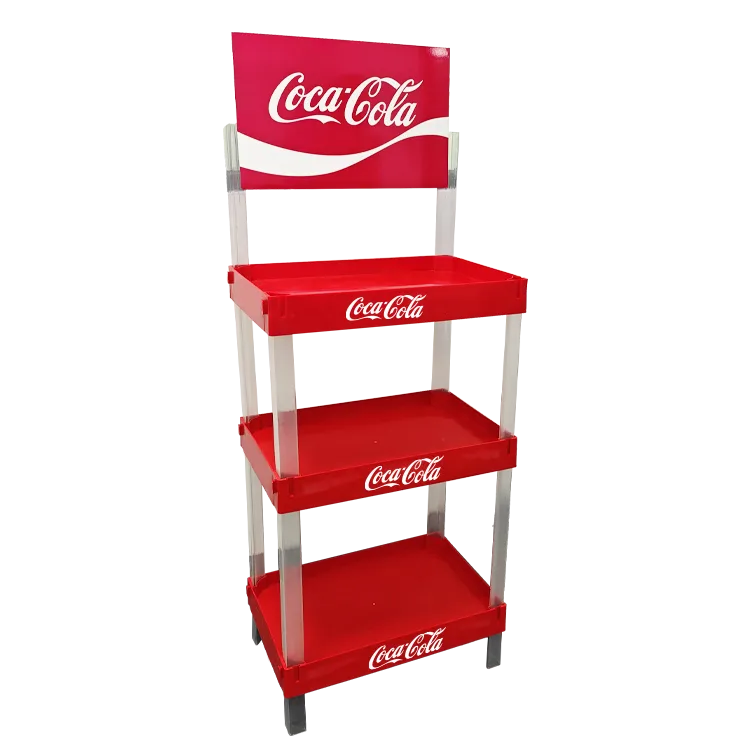
The foundation of successful beverage display placement begins with understanding your store layout and customer journey. Every beverage display must align with natural foot traffic flows, high-dwell zones, and impulse-purchase trigger points. Retailers who treat beverage display placement as an afterthought consistently underperform competitors who strategically position displays at checkout, entrance zones, promotional aisles, and seasonal hot spots. This guide walks you through the critical factors that determine whether your beverage display becomes a sales engine or an inventory burden.
Understanding Traffic Flow and Store Layout
High-Traffic Zones and Visibility
The most important principle in beverage display placement is positioning your display where customers naturally look and move. Entrance areas, checkout lanes, and main aisle intersections are proven high-traffic zones where a beverage display catches attention without requiring customers to search. Retailers report that beverage display visibility in primary traffic corridors increases impulse purchases by 30 to 50 percent compared to tucked-away shelf placement. Your beverage display must be positioned at eye level, within arm's reach, and impossible to miss during normal shopping patterns.
Customer Journey Mapping
Understanding when and where customers decide to purchase beverages shapes beverage display placement decisions. Many shoppers make beverage decisions at the final checkout stage, while others seek cold beverages near the store entrance or deli sections. Strategic beverage display placement addresses both behavior patterns by creating multiple touch points rather than relying on a single location. A well-designed beverage display in your produce section captures fresh-minded shoppers, while a secondary beverage display at checkout captures last-minute add-ons. This multi-location approach to beverage display optimization ensures no customer segment feels forced to search for beverages.
Seasonal and Promotional Considerations
Seasonal Demand Fluctuations
Beverage display placement must adapt with seasonal purchasing behavior. Summer months drive higher cold beverage consumption, making premium positioning for iced drinks essential during warm weather. Winter seasons see increased demand for hot and warming beverages, requiring beverage display placement near coffee and tea sections. Smart retailers adjust beverage display locations seasonally, moving slower items to secondary positions and promoting seasonal winners in prime real estate. This dynamic approach to beverage display placement captures demand when it peaks and prevents inventory spoilage from forgotten seasonal stock.
Promotional Campaigns and Limited-Time Offers
A temporary or limited-edition beverage launch demands aggressive beverage display placement with maximum visibility and promotional signage. When running promotions, your beverage display must occupy visible end-caps, entrance displays, or dedicated promotional zones to drive trial and awareness. Many retailers miss revenue by hiding promotional beverages in regular shelf slots instead of creating dedicated beverage display structures that command attention. Investing in strategic beverage display placement for promoted items pays dividends through accelerated sell-through, repeat purchases, and customer awareness that drives future baseline sales.
Physical Requirements and Space Optimization
Shelf Capacity and Product Rotation
A successful beverage display must balance visual impact with practical inventory management. Oversized beverage display structures that occupy excessive floor space waste valuable retail real estate, while undersized displays fail to create the impression of abundance that drives sales. The ideal beverage display should occupy proportional space that allows 7 to 14 days of inventory rotation without creating stockouts or excess waste. Your beverage display placement should also consider accessibility for restocking staff, ensuring team members can efficiently replenish products during peak shopping hours without blocking customer traffic or disrupting the display.
Environmental Factors and Product Preservation
Physical location affects product quality and safety, making beverage display placement more complex than simple visibility calculations. Beverages exposed to direct sunlight, heat sources, or proximity to refrigeration can experience temperature fluctuations that degrade quality. Your beverage display placement must avoid high-heat areas near cooking equipment, ovens, or radiators while maintaining reasonable distance from refrigerated sections to prevent condensation and damage. Cold beverages in your beverage display benefit from proximity to coolers without direct exposure to cold air, maintaining optimal customer-perceived temperature while preserving product integrity and shelf life.
Consumer Psychology and Purchase Triggers
Eye-Level Positioning and Psychological Impact
Research consistently shows that beverage display placement at eye level drives significantly higher purchase rates than below-knee or above-head positions. Retailers strategically position premium and high-margin beverages at eye level in their beverage display, using vertical space efficiently to capture attention. The beverage display becomes a psychological anchor that influences purchase decisions, with items at eye level perceived as more desirable and higher quality. This principle applies regardless of whether you operate a convenience store, grocery chain, or specialty retailer; beverage display height and positioning directly correlate with sales velocity and profit margins.
Cross-Category Purchase Patterns
Strategic beverage display placement leverages natural cross-category purchase patterns. Positioning your beverage display near snack sections, frozen food aisles, or prepared foods capitalizes on customers already thinking about complementary purchases. Many retailers find that beverage display placement near fresh food sections increases average transaction value by 15 to 25 percent, as customers combine beverages with prepared meals or fresh ingredients. Your beverage display strategy should map which categories customers typically purchase together and position displays accordingly to create natural bundling opportunities and increased cart value.
FAQ
What is the ideal location for a beverage display in a retail environment?
The ideal beverage display location depends on your store layout, customer demographics, and product mix. Primary locations include checkout zones, store entrances, main aisle intersections, and high-traffic corridors. Secondary locations include sections near complementary products such as snacks, prepared foods, or fresh items. Test multiple beverage display locations over several weeks, tracking sales velocity and inventory turnover to identify your store's highest-performing positions. A successful beverage display often combines multiple locations to capture customers at different decision-making stages rather than concentrating all inventory in a single spot.
How frequently should retailers change beverage display placement?
Beverage display placement should remain stable enough to become familiar to regular customers while flexible enough to capitalize on seasonal opportunities and promotional campaigns. Most retailers benefit from maintaining consistent core beverage display locations year-round, with seasonal adjustments every quarter. Limited-edition or promotional beverage display placement should rotate more frequently, typically every 2 to 4 weeks, to maintain customer interest and drive trial. Track sales metrics for each beverage display location over minimum 30-day periods before making permanent changes, allowing sufficient time to identify true performance differences rather than reacting to temporary fluctuations.
Can beverage display placement impact customer safety and store operations?
Absolutely. Poor beverage display placement creates significant operational and safety concerns, including blocked emergency exits, tripping hazards, obstructed inventory access, and difficulty for staff restocking. Your beverage display must maintain clear pathways for customer and employee movement while allowing safe product access and rotation. Heavy beverage displays require stable flooring and secure anchoring to prevent tip-over accidents, particularly in high-traffic areas or stores frequented by families with children. Retailers must balance sales optimization with safety and operational efficiency, consulting store layout specialists and safety officers when positioning major beverage display installations to ensure compliance with building codes and operational best practices.