 EN
EN

Selecting the right counter display material is one of the most practical decisions a retailer or brand manager can make. The material used in a counter display directly affects how a product is perceived, how long the display lasts, and how well it performs in different retail environments. A poorly matched material can undermine even the most well-designed counter display, causing products to look mismatched or out of place. Understanding the relationship between material choice and product type is essential for anyone aiming to maximize visual impact and drive conversions at the point of sale.
Each counter display material carries its own strengths, limitations, and visual character. Acrylic, cardboard, metal, and wood are the most commonly used materials in retail counter display design. Each suits a different category of product, retail tone, and commercial environment. This article explores the selection logic behind each material type, so you can confidently match a counter display to the specific product it needs to showcase.
Acrylic and Glass-Effect Counter Display Options
Why Acrylic Works Well for Premium and Cosmetic Products
Acrylic is one of the most versatile materials available for a counter display. Its transparency allows customers to see products clearly from multiple angles, making it ideal for cosmetics, perfumes, skincare products, and small electronics. A counter display made from acrylic communicates cleanliness and modernity, which directly supports premium brand positioning. Acrylic counter display units are also easy to clean, resistant to moisture, and hold their appearance well in high-traffic retail environments. For brands that want to project a polished, high-end image, an acrylic counter display is often the best first choice.
The counter display in acrylic format is especially effective in pharmacy settings, beauty counters, and boutique retail spaces. The material's clarity ensures that product labels and packaging remain fully visible, which is critical for SKU-heavy categories. Acrylic counter display units can also be fabricated in custom shapes and tiered configurations, giving brands flexibility in how they organize and present products on a limited countertop footprint.
When Glass-Effect Materials Add Retail Value
Some counter display formats use polished acrylic or coated plastics to achieve a glass-like appearance without the fragility of actual glass. This matters in retail environments where staff frequently restock a counter display throughout the day. A glass-effect counter display still conveys premium quality while offering a much safer, more manageable display solution. For high-value jewelry, watches, or luxury accessories, this type of counter display creates the right visual tone while keeping the product safe and visible.
Cardboard and Corrugated Counter Display Formats
Cost-Effective Counter Display for FMCG and Seasonal Products
Cardboard is the most widely used counter display material in fast-moving consumer goods retail. A cardboard counter display is lightweight, inexpensive to produce, and can be printed with vibrant branding graphics that attract immediate attention. For confectionery, snacks, batteries, phone accessories, and other impulse-buy products, a cardboard counter display performs exceptionally well. The low production cost of a cardboard counter display also makes it the preferred choice for short-term promotions and seasonal campaigns, where the display only needs to last a few weeks.
A corrugated cardboard counter display adds structural strength while keeping costs manageable. This type of counter display can hold heavier or individually packaged products without compromising stability. Retailers frequently place a corrugated counter display near checkout zones, where foot traffic is high and impulse purchases are most likely. The ability to print custom graphics directly onto the counter display surface also makes cardboard the most brand-flexible option across all material types.
Limitations of Cardboard as a Counter Display Material
While a cardboard counter display is highly practical for promotional use, it is not designed for long-term retail environments. Moisture exposure, heavy product weight, and daily handling can deteriorate a cardboard counter display quickly. If your product is a permanent fixture in a store rather than a limited-time promotion, cardboard is unlikely to offer the durability that a counter display in that context requires. In such cases, upgrading to a metal or acrylic counter display will provide a more professional and lasting solution.
Metal and Wood Counter Display Structures
Metal Counter Display for Durability and Industrial Aesthetics
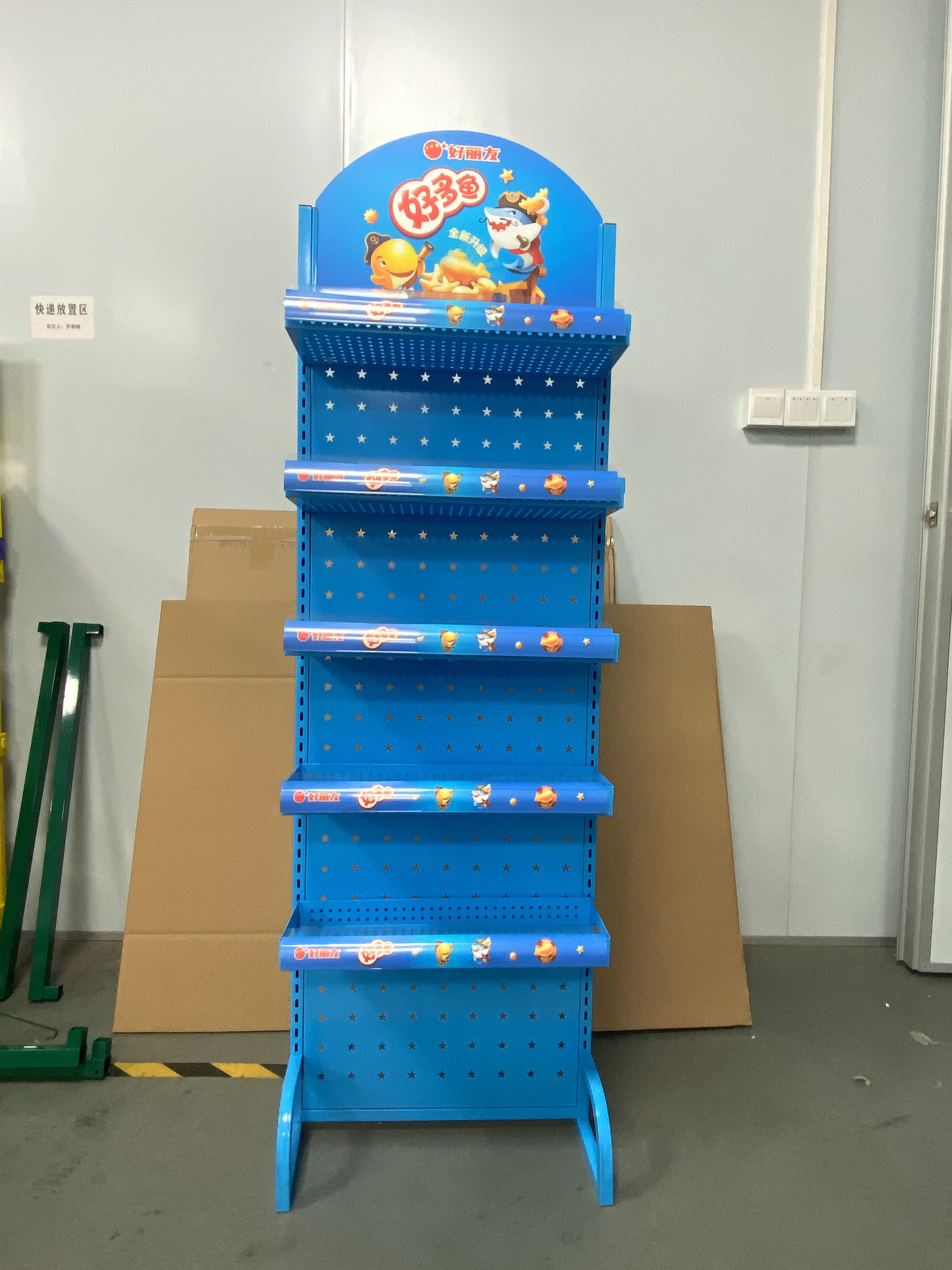
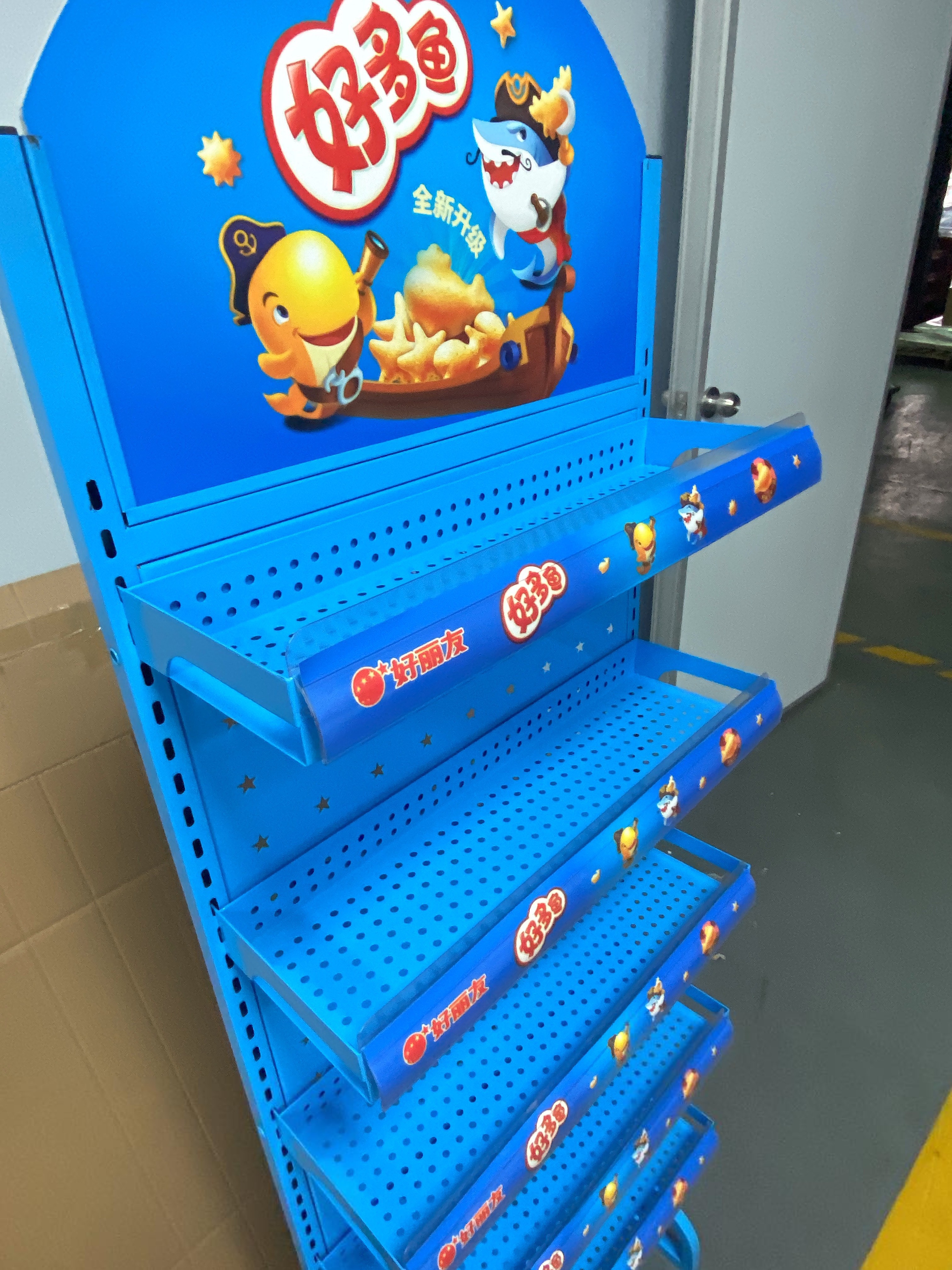
A metal counter display is the right choice when durability and long-term use are the priority. Steel and aluminum counter display structures resist wear, moisture, and physical damage far better than other materials. For hardware products, personal care tools, food service items, or any product with significant weight, a metal counter display provides both stability and a sense of quality. The industrial aesthetic of a metal counter display also suits specific brand tones, particularly in electronics, automotive accessories, and professional tool retail environments.
A well-constructed metal counter display can remain in use for years without significant degradation, making it a cost-effective investment over time despite its higher upfront cost. Many brands use a powder-coated metal counter display to add color options and brand-specific finishes, which helps the counter display maintain a strong visual presence on the shop floor without looking plain or generic.
Wood Counter Display and Natural Brand Positioning
A wood counter display communicates warmth, craftsmanship, and authenticity. This makes it particularly effective for organic food products, artisan goods, candles, essential oils, or any product brand that draws on natural or handmade identity. A wood counter display is heavier than acrylic or cardboard equivalents, but it creates a strong tactile and visual impression that resonates deeply with certain consumer segments. Boutique retailers, farmers markets, health food stores, and eco-conscious brands frequently choose a wood counter display for exactly this reason.
The finish applied to a wood counter display matters significantly. A raw or lightly oiled finish on a counter display reinforces natural product associations, while a lacquered or painted wood counter display can work in more contemporary or eclectic retail settings. Selecting the right finish ensures the counter display accurately reflects the brand's positioning rather than contradicting it.
FAQ
Which counter display material is best for a pharmacy environment?
An acrylic counter display is typically the best fit for pharmacy environments. It is hygienic, easy to sanitize, and allows clear product visibility. An acrylic counter display also looks professional and suits the clinical, clean aesthetic that most pharmacy retail spaces aim to maintain.
Can a cardboard counter display hold heavy products safely?
A standard cardboard counter display is better suited for lightweight products. However, a corrugated cardboard counter display with reinforced panels can handle moderate weight. For consistently heavy products, a metal or acrylic counter display is a more reliable and safe long-term solution.
How do I decide between a metal and wood counter display?
The decision between a metal counter display and a wood counter display comes down to brand identity and product type. A metal counter display suits technical, industrial, or modern product categories, while a wood counter display is more appropriate for natural, artisan, or lifestyle-oriented products. Consider what impression your counter display needs to create before choosing the material.