 EN
EN

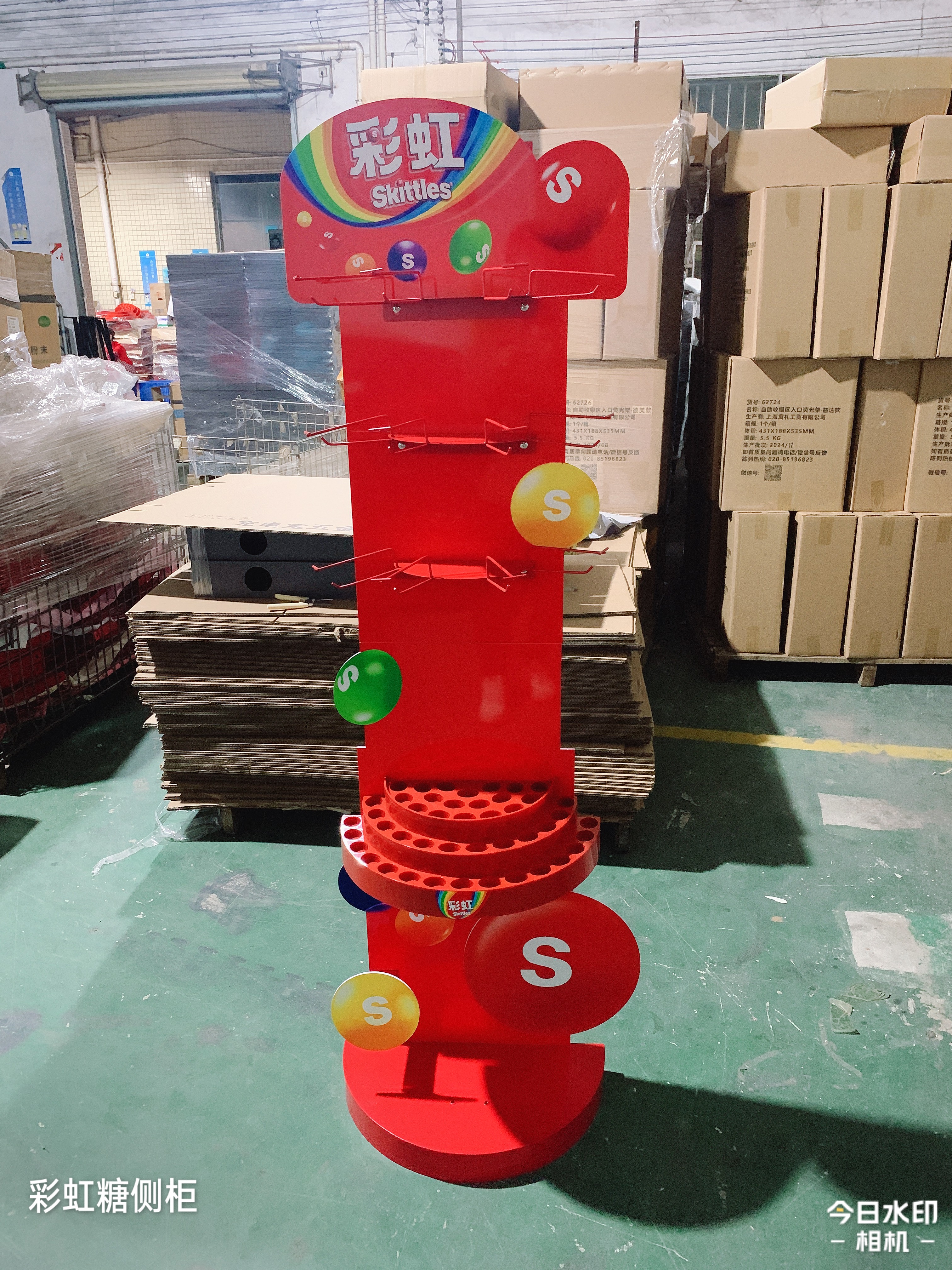
Metal display stands have become essential fixtures in retail environments, showcasing products while maintaining professional aesthetics. Understanding which factors determine metal display stands durability is critical for retailers seeking long-term performance and value from their investment. The durability of metal display stands depends on multiple interconnected factors that span material selection, construction methodology, environmental conditions, and maintenance practices. Retailers who grasp these determinants can make informed purchasing decisions and extend the operational lifespan of their metal display stands significantly.
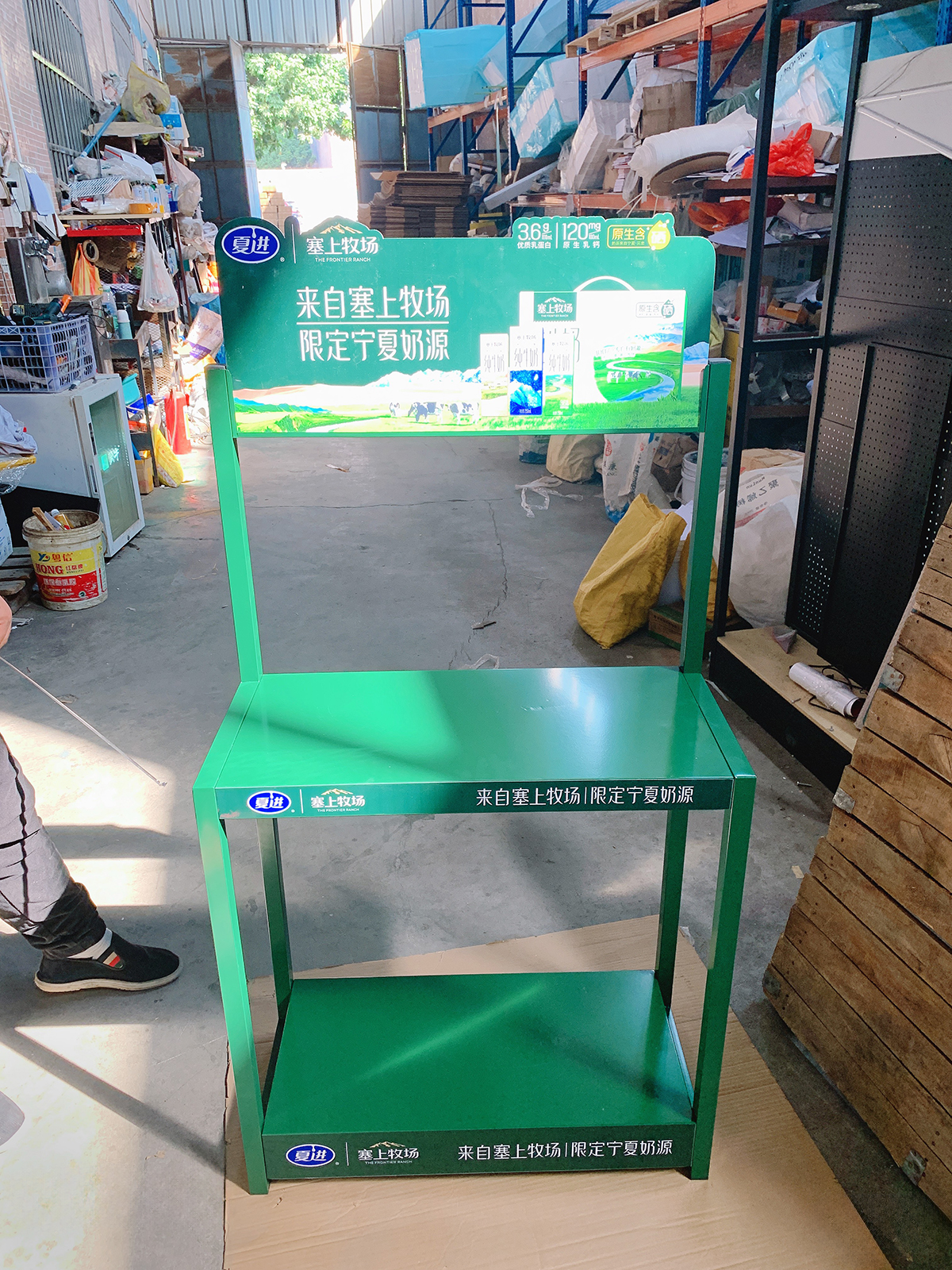
The longevity of metal display stands is not predetermined but rather shaped by deliberate design choices and operational conditions. Retailers must evaluate material composition, welding quality, coating systems, load capacity alignment, and environmental exposure before selecting metal display stands. Each factor contributes to either accelerating or preventing degradation, making comprehensive understanding essential for procurement professionals.
Material Composition and Metal Selection
Steel Grade and Alloy Properties
The foundation of metal display stands durability rests on material selection. Carbon steel, stainless steel, and aluminum each offer distinct durability profiles for metal display stands. Carbon steel provides strength and cost-efficiency but requires protective coatings to resist rust and corrosion. Stainless steel offers superior corrosion resistance, particularly in humid retail environments, making it an excellent choice for long-term metal display stands installations. Aluminum alloys deliver lightweight properties with moderate corrosion resistance, suitable for mobile metal display stands or climate-controlled indoor retail spaces. The alloy composition directly impacts how long metal display stands withstand daily use, environmental stress, and product weight variations.
Surface Treatment and Protective Coatings
Metal display stands durability heavily depends on surface treatment applied during manufacturing. Powder coating creates a durable, uniform protective layer that resists chipping and chemical exposure, extending the lifespan of metal display stands significantly. Galvanizing provides electrochemical protection, particularly valuable for metal display stands exposed to outdoor or high-moisture environments. Anodizing on aluminum metal display stands creates a protective oxide layer that enhances durability and aesthetic appeal. Untreated or poorly coated metal display stands deteriorate rapidly, with rust and corrosion compromising structural integrity within months. Quality surface treatment acts as the primary barrier protecting the underlying metal in metal display stands from environmental degradation.
Construction Design and Structural Engineering
Welding Quality and Joint Integrity
The structural reliability of metal display stands depends critically on welding execution and joint design. Properly executed welds create seamless load paths that distribute stress evenly across metal display stands, preventing premature failure. Poor welding creates weak points where metal display stands fracture under load or environmental cycling. Full-penetration welds provide superior strength compared to partial welds, particularly important in high-stress zones of metal display stands. Stress concentration at welds can reduce the effective lifespan of metal display stands by 40 to 60 percent if not properly engineered. Retailers examining metal display stands should verify welding certifications and inspection protocols from manufacturers.
Design Geometry and Load Distribution
Metal display stands engineered with optimal geometry distribute loads efficiently, reducing stress concentrations that cause premature wear. Reinforced corners, internal bracing, and tapered sections enhance structural rigidity of metal display stands without excessive material use. Design flaws such as sharp internal corners or inadequate cross-bracing create stress risers that weaken metal display stands considerably. The base design of metal display stands must provide stable support while accommodating dynamic loading from product placement and customer interaction. Engineers designing durable metal display stands balance strength-to-weight ratios with practical aesthetics and manufacturing efficiency.
Environmental Factors and Operational Conditions
Humidity, Temperature, and Chemical Exposure
Environmental conditions profoundly influence how long metal display stands maintain structural integrity and appearance. High-humidity retail environments, such as grocery stores or fitness facilities, accelerate corrosion of unprotected metal display stands. Temperature fluctuations cause thermal expansion and contraction that stress fasteners and welds in metal display stands, potentially loosening connections over time. Chemical exposure from cleaning products, salt air near coastal locations, or acid-based sanitizers compromises protective coatings on metal display stands. Indoor climate-controlled retail spaces generally provide the most favorable environment for metal display stands longevity. Understanding the specific retail environment determines which material and coating system will optimize metal display stands durability for your installation.
Mechanical Loading and Product Weight Management
Metal display stands dimensioned for excessive product loads experience accelerated fatigue failure in welds and support members. Each metal display stands model includes specified load capacity ratings that, when exceeded, dramatically shorten operational lifespan. Repeated loading cycles stress metal display stands components more severely than static loads, making product turnover frequency a durability factor. Impact loading from rough product placement or customer contact creates concentrated stresses that weaken metal display stands faster than gentle handling would. Proper load management—distributing weight evenly and respecting maximum load limits—directly extends the service life of metal display stands.
Maintenance Practices and Long-Term Care
Cleaning, Inspection, and Preventive Maintenance
Systematic maintenance dramatically improves metal display stands durability outcomes throughout their operational lifespan. Regular cleaning removes debris and corrosive contaminants that accumulate on metal display stands, preventing accelerated material degradation. Periodic inspections identify coating damage, loose fasteners, or structural concerns in metal display stands before they become critical failures. Prompt repair of damaged coatings on metal display stands prevents moisture infiltration and rust propagation beneath the surface. Retailers implementing preventive maintenance schedules for metal display stands reduce unexpected failures by 70 to 80 percent compared to reactive repair approaches. Simple maintenance investments significantly extend metal display stands value and performance.
Fastener Security and Component Replacement
Metal display stands stability depends on properly fastened connections that remain secure throughout years of use. Vibration and daily operational stress gradually loosen bolts and screws in metal display stands unless regularly tightened. Stainless steel or coated fasteners resist corrosion better than bare steel fasteners in metal display stands, preventing deterioration that causes connection failure. Seasonal inspection of critical fasteners maintains the structural integrity of metal display stands over extended periods. Replacing worn components, such as rubber feet or connector pins on metal display stands, prevents secondary damage from occurring to primary structural members.
FAQ
What is the typical lifespan of properly maintained metal display stands?
Well-engineered metal display stands constructed from quality materials with appropriate coatings typically maintain structural integrity and appearance for 7 to 15 years in normal retail environments. The specific lifespan of metal display stands depends on material selection, environmental conditions, product loading patterns, and maintenance consistency. Stainless steel metal display stands in climate-controlled indoor spaces can exceed 15 years, while carbon steel metal display stands in harsh environments may require replacement sooner without protective coatings and regular maintenance.
How does material choice affect the durability of metal display stands?
Material selection establishes the baseline durability potential of metal display stands. Stainless steel metal display stands offer superior corrosion resistance for humid or chemically challenging environments, while aluminum metal display stands provide lightweight advantages for mobile installations. Carbon steel metal display stands provide strength and cost-efficiency when paired with protective coatings, making them suitable for diverse retail applications. The best material for metal display stands depends on your specific retail environment, budget constraints, and required lifespan expectations.
Can damaged coatings on metal display stands be repaired?
Yes, damaged coatings on metal display stands should be repaired promptly to prevent corrosion progression beneath the surface. Small scratches or chips in powder-coated metal display stands can be touched up with matching powder or paint to restore protection. Large areas of damaged coating on metal display stands may require professional refinishing to ensure uniform protection and aesthetic consistency. Regular inspection and immediate repair of coating damage significantly extends the durability and lifespan of metal display stands.