 EN
EN

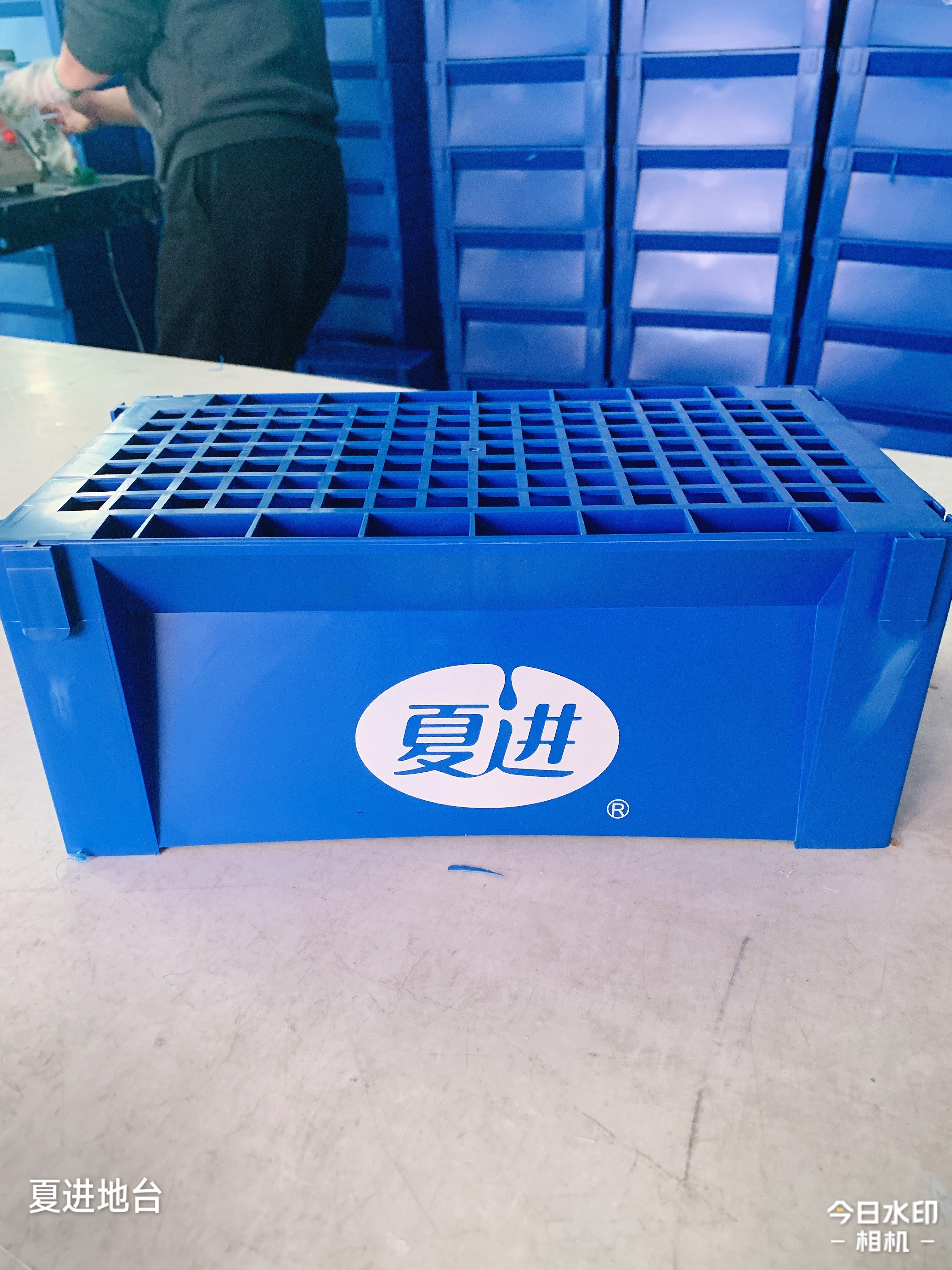
When brands invest in a floor display, one of the most overlooked cost drivers is assembly complexity. A floor display may look straightforward from the outside, yet the internal engineering, component count, and structural requirements can vary enormously from one design to another. Understanding how that complexity translates into real production and logistics costs helps brands make smarter decisions before committing to a design brief.
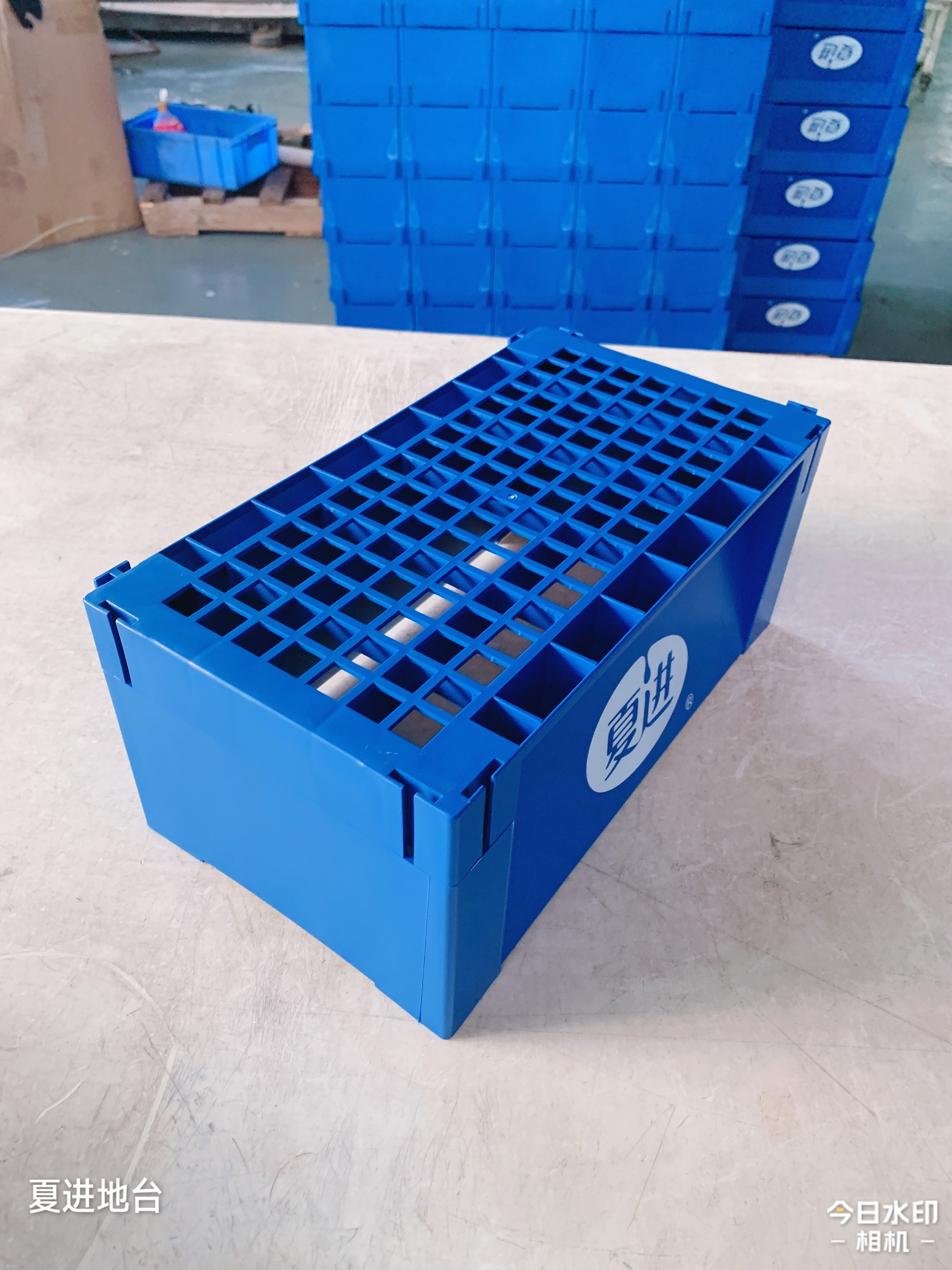
A well-designed floor display can elevate a product at the point of sale and drive measurable uplift in retail conversion. However, when a floor display involves complex sub-assemblies, custom tooling, or intricate hardware, costs escalate across multiple budget lines simultaneously. This article breaks down the specific ways assembly complexity affects the total cost of a floor display project, so buyers and brand managers can evaluate trade-offs with confidence.
Component Count and Its Direct Cost Impact
How More Parts Multiply Expenses
Every additional component in a floor display adds a layer of cost. Material procurement, quality checks, inventory management, and labor time all scale proportionally with the number of distinct parts. A floor display built from eight modular panels requires fewer assembly steps and shorter production cycles than one requiring thirty-two individual components with unique tolerances. The cost per unit rises not just because of materials, but because each part demands handling, sequencing, and verification during the build process.
When a floor display design includes custom-molded connectors, specialized fasteners, or branded side panels that interlock precisely, the manufacturer must invest in dedicated tooling. Tooling costs are typically amortized across a production run, which means low-volume orders carry a disproportionately high per-unit cost for a complex floor display compared to a simpler counterpart. Brands ordering smaller quantities should weigh whether the added complexity genuinely delivers enough retail impact to justify the premium.
Material Choices Within Complex Assemblies
The material specification of each floor display component also interacts with assembly complexity. A floor display that mixes plastic injection-molded parts with metal brackets and printed cardboard panels requires multiple supplier inputs and coordinated delivery schedules. Each material type demands different processing steps, adhesives, or mechanical joining methods, and any mismatch in tolerances can slow the entire assembly line. Choosing a floor display design where components share compatible materials and joining logic often reduces both scrap rates and labor hours significantly.
Labor Intensity and Production Efficiency
Assembly Time Per Unit
Labor is frequently the most variable cost element in floor display manufacturing. A floor display that can be snapped together in under five minutes requires far less skilled labor input than one demanding precise alignment, adhesive curing time, or mechanical fastening sequences. When a floor display design requires workers to follow a multi-step assembly protocol with quality checkpoints at each stage, the cycle time per unit increases, directly reducing throughput and raising the cost per finished floor display.
Factories typically price complex floor display orders at a higher labor rate because the production line must be configured specifically for that design. Skilled assemblers who understand the structural logic of a particular floor display may take days to reach optimal speed. During ramp-up, defect rates are higher and yields are lower. These inefficiencies during early production runs add real cost to every floor display unit, costs that buyers may not anticipate if they focus only on the quoted unit price.
Rework and Quality Control Costs
A complex floor display introduces more opportunities for assembly errors. When multiple components must align precisely, a single misaligned part can cause structural instability, mismatched branding surfaces, or poor shelf presentation. Quality control teams must inspect each floor display at multiple stages rather than just at the final check. Rework rates for highly complex floor display designs can reach levels that materially affect the per-unit cost, especially when defective units must be fully disassembled and rebuilt rather than partially corrected.
Logistics, Packaging, and Retail Setup
Shipping and Packaging Complexity
Assembly complexity does not end at the factory gate. A floor display with many sub-components must be carefully packed to prevent damage in transit. Custom foam inserts, segmented carton dividers, and protective film layers all add packaging cost to the floor display shipment. Heavier and bulkier flat-pack configurations for a complex floor display also increase freight cost, particularly for international shipments where dimensional weight pricing applies. Brands sometimes find that a simpler floor display design with fewer fragile components reduces total landed cost substantially even if the unit manufacturing cost appears similar.
A modular floor display that ships in a compact flat-pack format and assembles with minimal tools offers logistical advantages that compound across large retail rollouts. When a retailer deploys hundreds of floor display units across multiple store locations, even a small difference in assembly time per unit and per-shipment packaging cost creates significant cumulative savings. Planning floor display complexity with the full supply chain in mind is therefore essential for brands managing national or regional retail programs.
In-Store Setup Requirements
At the retail level, a complex floor display imposes its own cost burden. Store staff or field merchandisers must assemble each floor display correctly to ensure structural integrity and proper brand presentation. If a floor display requires tools, a lengthy instruction sequence, or specialized knowledge, retailers may push back or, worse, assemble the floor display incorrectly. Incorrect assembly reduces the visual impact of the floor display and can even create safety risks if the structure is weight-bearing. Brands that design a floor display with intuitive snap-fit assembly minimize these risks and reduce the merchandising labor cost charged back by retail partners.
FAQ
Does a more complex floor display always cost more to produce?
Yes, in most cases a more complex floor display costs more because component count, labor time, tooling investment, and quality control requirements all increase with design complexity. However, the degree of cost increase depends on order volume, material choices, and how efficiently the floor display design has been engineered for production. A well-optimized complex floor display can sometimes be more cost-effective than a poorly engineered simple one.
How can brands reduce floor display assembly costs without sacrificing design quality?
Brands can reduce floor display assembly costs by simplifying the component count, standardizing joining methods, using modular panels that serve multiple display configurations, and choosing materials that share compatible processing steps. Working closely with a floor display manufacturer during the design phase to identify unnecessary complexity often yields significant savings. Early prototyping and assembly trials help catch cost-driving details before tooling is committed.
What is the impact of floor display complexity on retail rollout speed?
A highly complex floor display slows retail rollout because it demands more time per unit during in-store assembly, increases the risk of setup errors, and may require field merchandiser training. Simpler floor display designs that assemble quickly and intuitively allow brands to execute large-scale retail programs faster, with fewer errors and lower field labor costs. Speed to shelf is a genuine competitive advantage, and floor display complexity directly affects how quickly that advantage can be realized.