 EN
EN

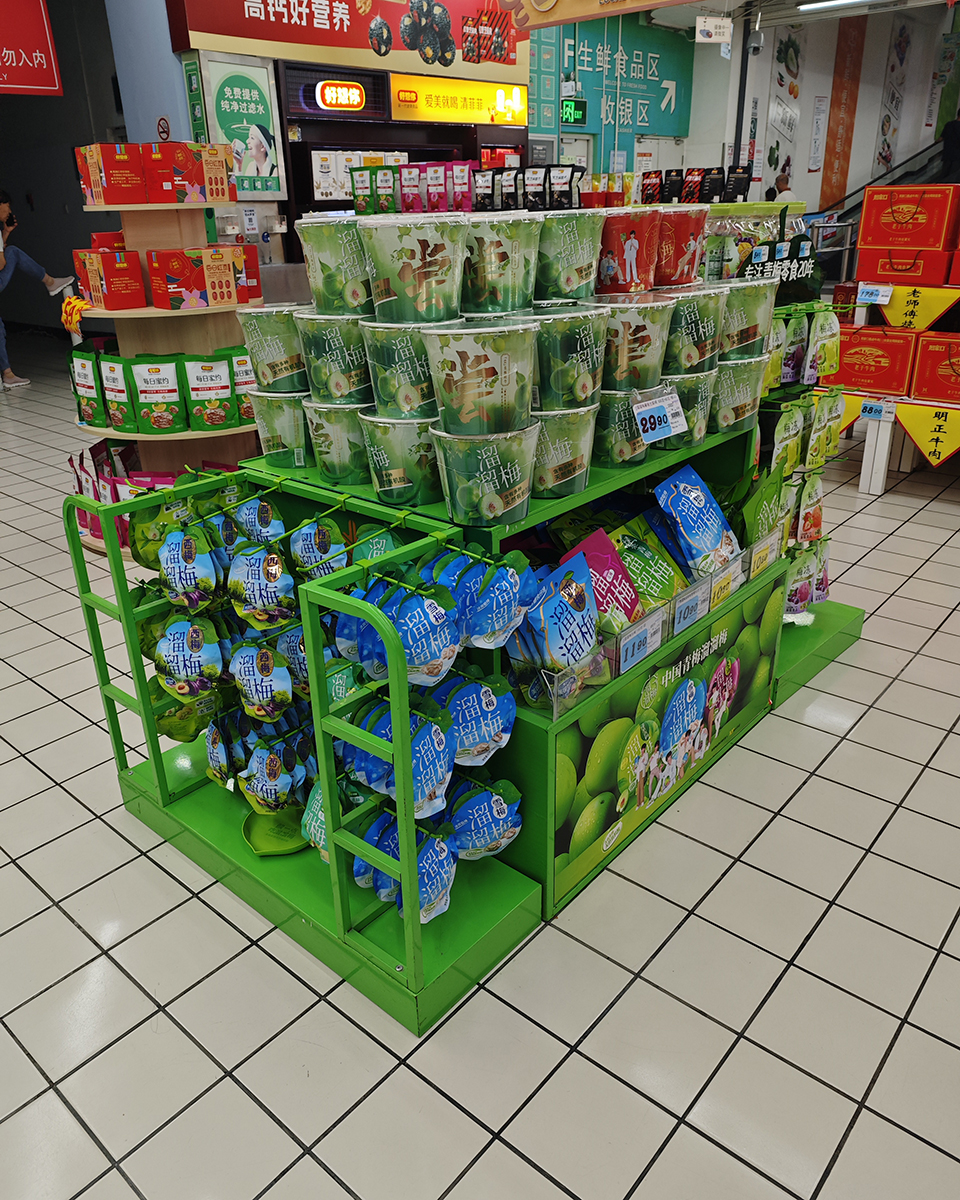
The success of any retail strategy depends heavily on where and how products are positioned within a store environment. A well-executed floor display can dramatically increase visibility, drive impulse purchases, and enhance overall sales performance. However, many retailers miss critical opportunities because they fail to understand the fundamental factors that make a floor display truly effective. Location, traffic patterns, visibility, product type, and customer behavior all play interconnected roles in determining whether your floor display will succeed or languish unnoticed in a forgotten corner.
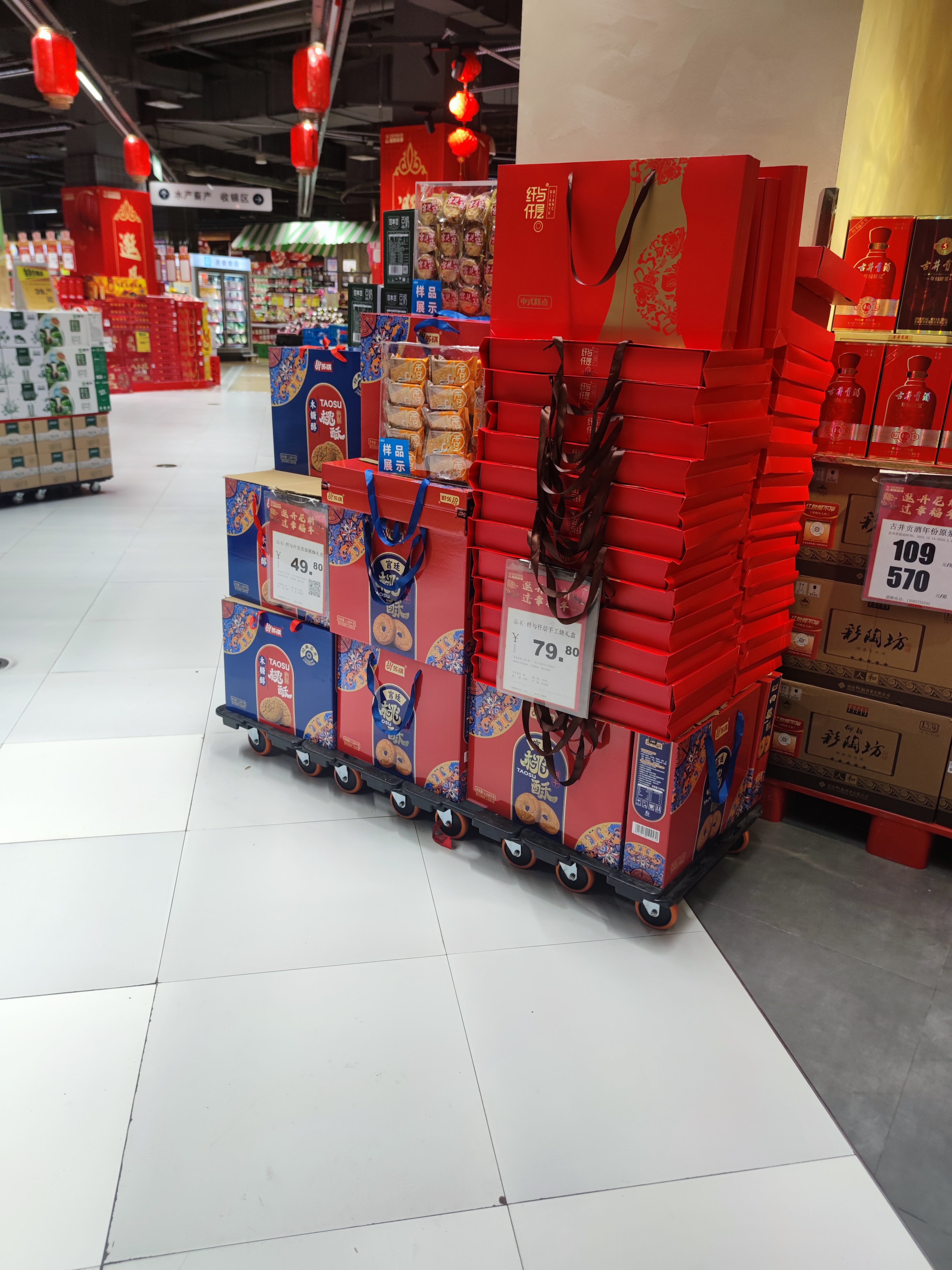
Understanding what makes a floor display successful requires a strategic approach that goes beyond simply placing merchandise on a stand. Retailers must consider how shoppers move through the store, where their attention naturally settles, and what motivates them to pause and examine products. The most effective floor display placements align with consumer psychology, store layout design, and product category dynamics. When these elements work together harmoniously, a floor display becomes not just a merchandising tool but a revenue-generating asset that directly impacts your bottom line.
Strategic Positioning and Store Traffic Flow
High-Traffic Zone Identification
The foundation of successful floor display placement begins with identifying where customers naturally congregate and move through your retail space. Entrance areas, checkout zones, and intersections between major departments consistently attract the highest foot traffic and offer prime opportunities for floor display positioning. Heat mapping your store or observing customer movement patterns reveals exactly where a floor display will receive maximum exposure. Retailers who invest time in traffic analysis before deploying a floor display typically see conversion rates that far exceed their baseline expectations. The reason is straightforward: visibility drives awareness, and awareness drives purchasing decisions.
Sightline Optimization for Display Visibility
A floor display positioned in high traffic but obscured by shelving or other fixtures wastes valuable real estate. Customers must have a clear, unobstructed view of your floor display from multiple angles as they approach and move past it. Eye-level positioning matters significantly for a floor display because products at shoulder height attract 50% more attention than those positioned lower. The height and visibility of your floor display should align with typical customer sight lines in your specific retail environment. When a floor display blocks natural pathways or creates navigation obstacles, customers instinctively avoid it, regardless of the products featured.
Product Category Fit and Customer Behavior
Matching Product Types to Display Effectiveness
Not every product benefits equally from floor display placement, and mismatches between product category and display format create wasted investment and cluttered sales floors. Impulse-purchase items like beverages, snacks, and seasonal promotions perform exceptionally well on a floor display because customers often buy these products without extensive deliberation. Conversely, high-touch items requiring customer demonstration or categories where customers actively search for specific brands may benefit less from a floor display approach. Understanding your product category's natural purchase intent is essential before committing resources to a floor display initiative. A well-chosen floor display amplifies existing demand; a poorly chosen one fights against consumer behavior patterns and typically underperforms.
Seasonal and Promotional Timing
The timing of when you deploy a floor display dramatically affects its success rate and revenue contribution. Launching a floor display aligned with seasonal demand, holiday promotions, or product launches captures customers when interest is already elevated. A floor display featuring sunscreen in January or heavy winter coats in August works against market conditions and typically underperforms significantly. Retailers who synchronize floor display placement with promotional calendars and seasonal trends see engagement rates that are 3-4 times higher than those who treat floor display deployment as a static, always-on activity. The most sophisticated retailers rotate floor display products and themes regularly to maintain freshness and capitalize on emerging opportunities.
Design, Durability, and Merchandising Excellence
Visual Appeal and Brand Presentation Standards
The physical design and presentation quality of your floor display significantly influences customer perception and purchasing behavior. A professional, well-maintained floor display with clear signage, cohesive branding, and attractive product arrangement signals quality and reliability to shoppers. Conversely, a cluttered, damaged, or poorly organized floor display undermines brand credibility and discourages purchases even if the underlying products are excellent. Lighting, color coordination, and strategic product arrangement all contribute to whether customers perceive your floor display as an attractive, trustworthy merchandising solution. The visual presentation of a floor display often matters more than the volume of products featured; less can genuinely mean more when execution quality is high.
Structural Integrity and Maintenance Requirements
A floor display that wobbles, breaks down, or fails to safely support product weight creates liability risks and destroys customer confidence instantly. Heavy-duty materials, stable construction, and professional-grade engineering are non-negotiable for any floor display deployed in a retail environment where safety standards and durability directly affect customer experience. When a floor display requires constant maintenance, restocking, or structural repair, operational costs escalate while its effectiveness declines. The durability factor of a floor display directly impacts your long-term ROI because a well-built unit can remain effective across multiple seasonal campaigns. Investing in a robust, professionally engineered floor display platform proves more cost-effective than cycling through multiple lower-quality options that deteriorate quickly.
Measurement and Performance Optimization
Sales Tracking and Performance Metrics
Measuring whether your floor display actually generates incremental sales requires systematic tracking and clear baseline data. Before deploying a floor display, establish your baseline sales velocity for featured products in standard shelf locations. Track how sales volume changes after your floor display launches and analyze whether the uplift justifies the placement investment and space allocation. Many retailers discover that a floor display generating a 20-30% sales increase in one category significantly outperforms traditional shelf placement over the campaign period. Without measurement discipline, you cannot determine whether your floor display investment is truly profitable or simply looks impressive visually.
Continuous Testing and Strategic Adjustment
The factors that make a floor display successful in one location or season may not apply universally across your retail network. Retailers who treat floor display strategy as a continuous testing process, adjusting placement, product assortment, and messaging based on performance data, see significantly better outcomes than those who deploy identical displays everywhere. A/B testing different floor display positions, product combinations, and promotional messaging reveals which configurations drive maximum engagement in your specific retail environment. The most successful floor display strategies evolve continuously based on actual sales data, customer feedback, and market conditions rather than remaining static.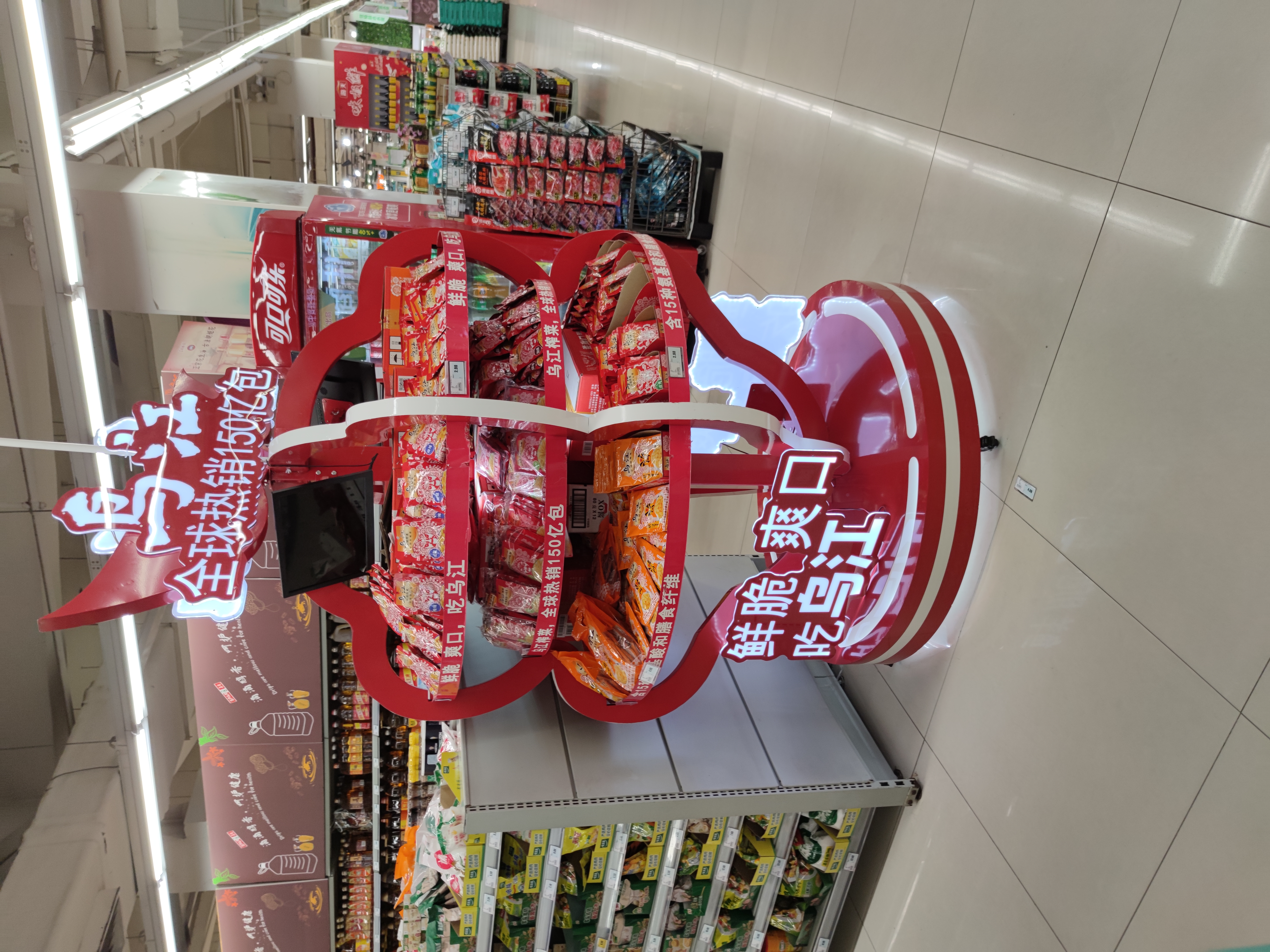
FAQ
What is the ideal height for a floor display to maximize customer engagement?
The ideal height for a floor display positions featured products within the 36-60 inch range from the ground, which corresponds to typical customer eye level when standing in a retail environment. A floor display should allow customers to see and reach products comfortably without bending excessively or reaching above shoulder height. The primary product or brand messaging on your floor display should be at approximately 55-60 inches from the ground to capture maximum visual attention. However, the optimal height for your specific floor display may vary depending on your target customer demographic and product category specifics.
How long should a floor display campaign typically run to justify the investment?
A minimum floor display campaign duration of 4-6 weeks is typically necessary to generate sufficient sales velocity data and justify the associated costs. Shorter campaigns rarely allow time for customers to discover the floor display, adjust purchasing patterns, and generate meaningful revenue uplift. However, seasonal floor display placements during peak demand periods can show strong ROI within 2-3 weeks if positioned correctly and supported by marketing. The optimal duration for your floor display depends on your sales cycle, promotional calendar, and the specific product category being featured.
Can a floor display work effectively in smaller retail environments?
A well-designed floor display can be highly effective in smaller retail spaces if positioned strategically and sized proportionally to available floor area. In smaller environments, a floor display actually occupies valuable space that might otherwise hold additional inventory, making placement precision even more critical than in larger stores. A compact floor display positioned near the store entrance or checkout area can drive significant sales uplift even in limited retail footprints. The success factor for a floor display in small spaces depends more on strategic placement and product selection than on absolute display size.