 EN
EN

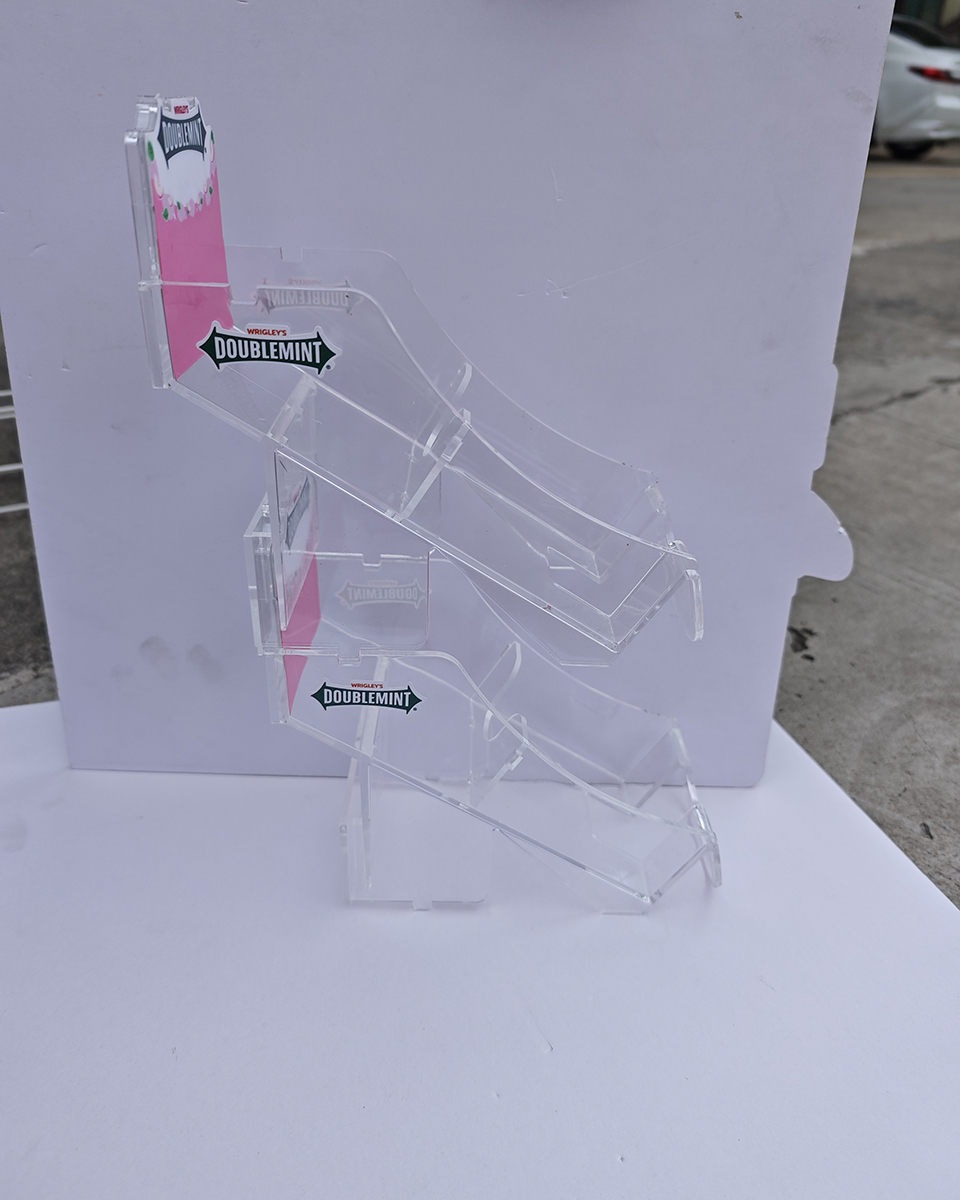
Selecting the right snack display is one of the most critical decisions retailers face when optimizing their store layout and maximizing sales potential. A well-chosen snack display does far more than simply hold products—it influences customer behavior, drives impulse purchases, and directly impacts your bottom line. Whether you operate a convenience store, supermarket, or specialty retail environment, the snack display you choose will shape how shoppers interact with your inventory and determine whether products fly off shelves or languish unsold.
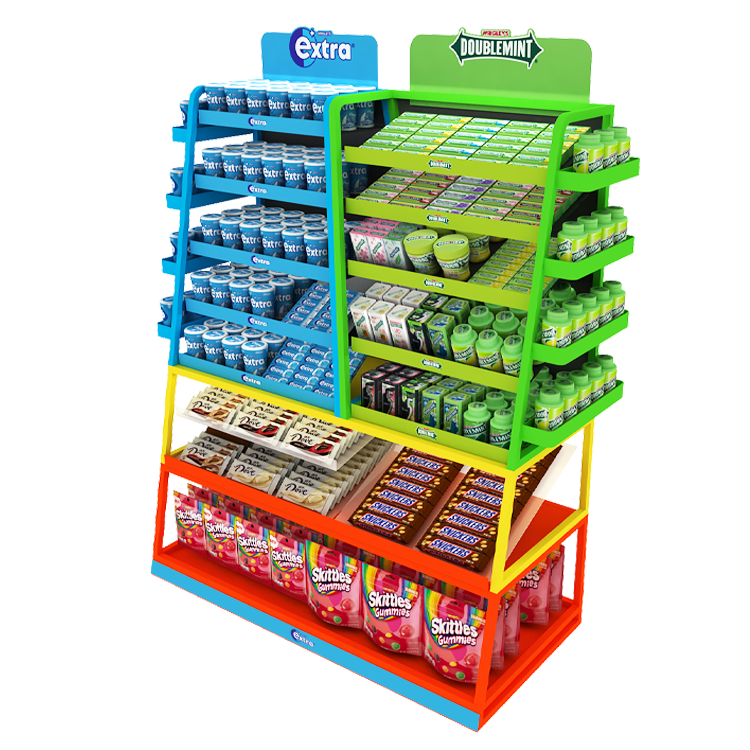
The process of evaluating and selecting a snack display requires careful analysis of multiple factors that align with your store's specific operational needs, customer demographics, and sales objectives. From physical dimensions and product capacity to accessibility features and brand visibility, each element plays a vital role in the overall effectiveness of your retail environment. Understanding these key considerations ensures you invest in a snack display solution that delivers measurable returns and enhances the customer shopping experience.
Space Requirements and Store Layout Integration
Measuring Available Space and Footprint Constraints
Before selecting a snack display, you must accurately assess the physical space available in your retail environment. Measure the exact floor dimensions, ceiling height, and any architectural obstacles such as pillars, electrical outlets, or HVAC systems that could interfere with placement. A snack display that looks ideal in a showroom may prove impractical once you account for traffic flow patterns and existing fixtures. Consider whether the snack display will be positioned at a store entrance, along an aisle, near checkout counters, or in a dedicated snack section. Each location has different spatial demands and affects how customers navigate around the unit.
Traffic Flow and Accessibility Design
The placement of your snack display must support natural customer flow and comply with accessibility standards. A poorly positioned snack display can create bottlenecks, obstruct sightlines to other products, or violate safety regulations in your jurisdiction. Evaluate whether the snack display allows customers to browse comfortably without blocking emergency exits or creating congestion during peak shopping hours. High-performing retail environments position the snack display where it captures attention without impeding movement, allowing shoppers to access products intuitively and exit smoothly with their selections.
Product Visibility and Merchandising Capability
Shelf Angle, Height, and Eye-Level Positioning
Research consistently shows that products placed at eye level in a snack display generate significantly higher sales than items positioned above or below this critical zone. When choosing a snack display, examine whether shelves are adjustable and can accommodate different product sizes while maintaining optimal visibility. A snack display with tilted or angled shelves often performs better than flat shelves because it increases product visibility and prevents items from sliding. Consider whether your snack display features dividers, edge guards, or anti-slip surfaces that secure inventory while keeping it visually accessible. The angle and height configuration of your snack display directly influences customer perception and purchasing likelihood.
Brand Visibility and Product Mix Presentation
An effective snack display allows brands and packaging to be clearly visible without overcrowding or blocking product information. Evaluate how many different snack varieties your chosen snack display can accommodate while maintaining clear brand differentiation and product appeal. A cluttered snack display discourages purchases because customers struggle to find specific items or read product labels. Assess whether your snack display includes features like open shelving, clear acrylic fronts, or organized compartments that enhance brand presentation. Premium snack display solutions use lighting, spacing, and material choices to make products stand out and encourage selection.
Durability, Maintenance, and Long-Term Investment Value
Material Quality and Longevity Standards
Your snack display will endure constant handling, restocking, and exposure to retail store conditions including temperature fluctuations and occasional spills. Choose a snack display constructed from materials that resist warping, staining, and physical damage while remaining easy to clean and sanitize. Metal-reinforced snack display units typically outlast plastic-only alternatives in high-traffic environments, though they may require rust prevention treatments depending on your climate. Evaluate whether the snack display manufacturer provides durability guarantees or performance warranties. A higher initial investment in a robust snack display often delivers superior long-term value compared to budget options that require frequent replacement.
Ease of Maintenance and Restocking Efficiency
Staff time spent maintaining and restocking your snack display directly impacts operating costs and service quality. A well-designed snack display should allow employees to restock quickly without requiring tools, disassembly, or specialized knowledge. Consider whether your snack display features removable shelf components, smooth rolling action for mobile units, or modular sections that simplify maintenance routines. Choose a snack display that minimizes cleaning time and operates without complicated adjustment mechanisms. Staff adoption of restocking procedures improves when the snack display is intuitive and efficient to maintain, leading to better product presentation and fewer errors.
Customer Experience and Sales Performance Metrics
Impulse Purchase Psychology and Engagement Factors
The most successful snack display solutions leverage retail psychology by positioning products within arm's reach and creating visual appeal that triggers impulse purchases. Evaluate whether your snack display encourages customers to touch, examine, and select products through strategic placement and open accessibility. A snack display that forces customers to ask staff members for product retrieval performs poorly compared to self-service models. Consider the emotional response your snack display generates—does it communicate quality, value, or excitement about snack options? Premium-looking snack display units built with attractive finishes and professional design elevate perceived product value and justify higher prices.
Inventory Management and Sales Tracking Compatibility
Modern retailers increasingly seek a snack display that integrates with inventory management systems and point-of-sale technology. Assess whether your snack display accommodates product labels, barcode placement, or digital signage that captures inventory data in real time. A snack display designed with inventory tracking in mind helps managers identify fast-moving products, prevent stockouts, and optimize product mix based on sales data. Some advanced snack display solutions include shelf-edge technology that alerts staff when items need replenishment. Selecting a snack display compatible with your existing systems reduces implementation complexity and accelerates return on investment.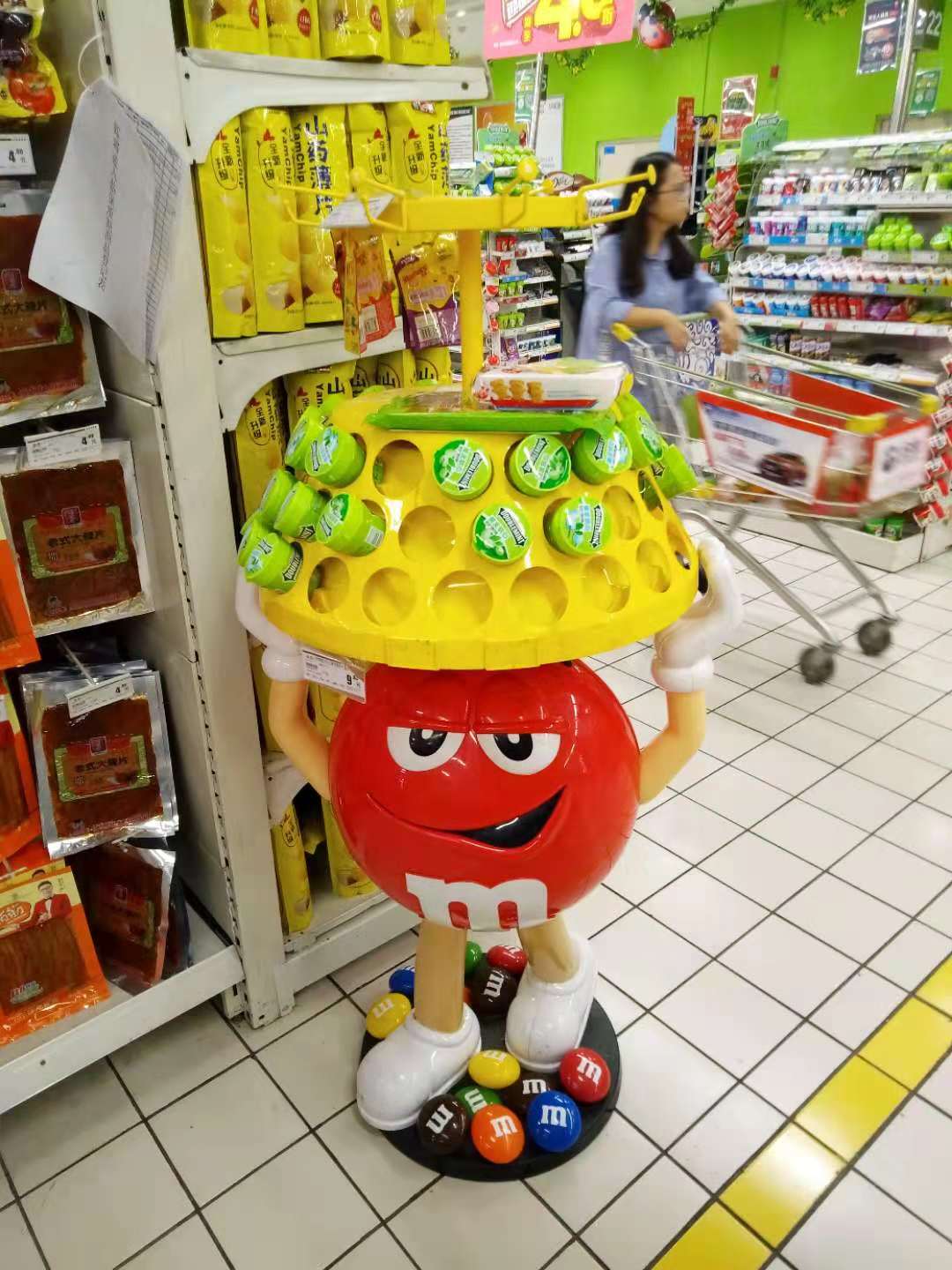
FAQ
What size snack display do I need for a small retail store?
For small retail spaces, consider a compact snack display unit measuring 24 to 36 inches wide with three to four adjustable shelves. This size snack display provides adequate capacity for 40 to 60 snack products without dominating limited floor space. Mobile or wall-mounted options work well in tight quarters where a freestanding snack display would create obstacles. Measure your available space precisely and consult with the snack display manufacturer about space-efficient configurations that maximize product capacity within your constraints.
How often should I replace or upgrade my snack display?
Most well-constructed snack display units last five to seven years with proper maintenance before significant upgrades become necessary. Replace your snack display sooner if it shows visible damage, no longer accommodates your product mix, or fails to meet changing customer expectations and store layout plans. A snack display that becomes outdated in appearance or functionality may hurt your brand image and reduce sales even if structurally sound. Evaluate your snack display performance annually and plan upgrades proactively to maintain competitive advantage in your retail market.
Can I customize a snack display to match my store's branding?
Yes, many manufacturers offer customization options for snack display units including custom colors, logo placement, and branded signage integration. A branded snack display reinforces your store identity and creates professional, cohesive visual environments that enhance customer perception. Custom snack display solutions typically require longer lead times and may involve minimum order quantities, so plan ahead with your supplier. Branded snack display designs that align with your store's visual identity generate stronger customer engagement and differentiate your retail space from competitors.