 EN
EN

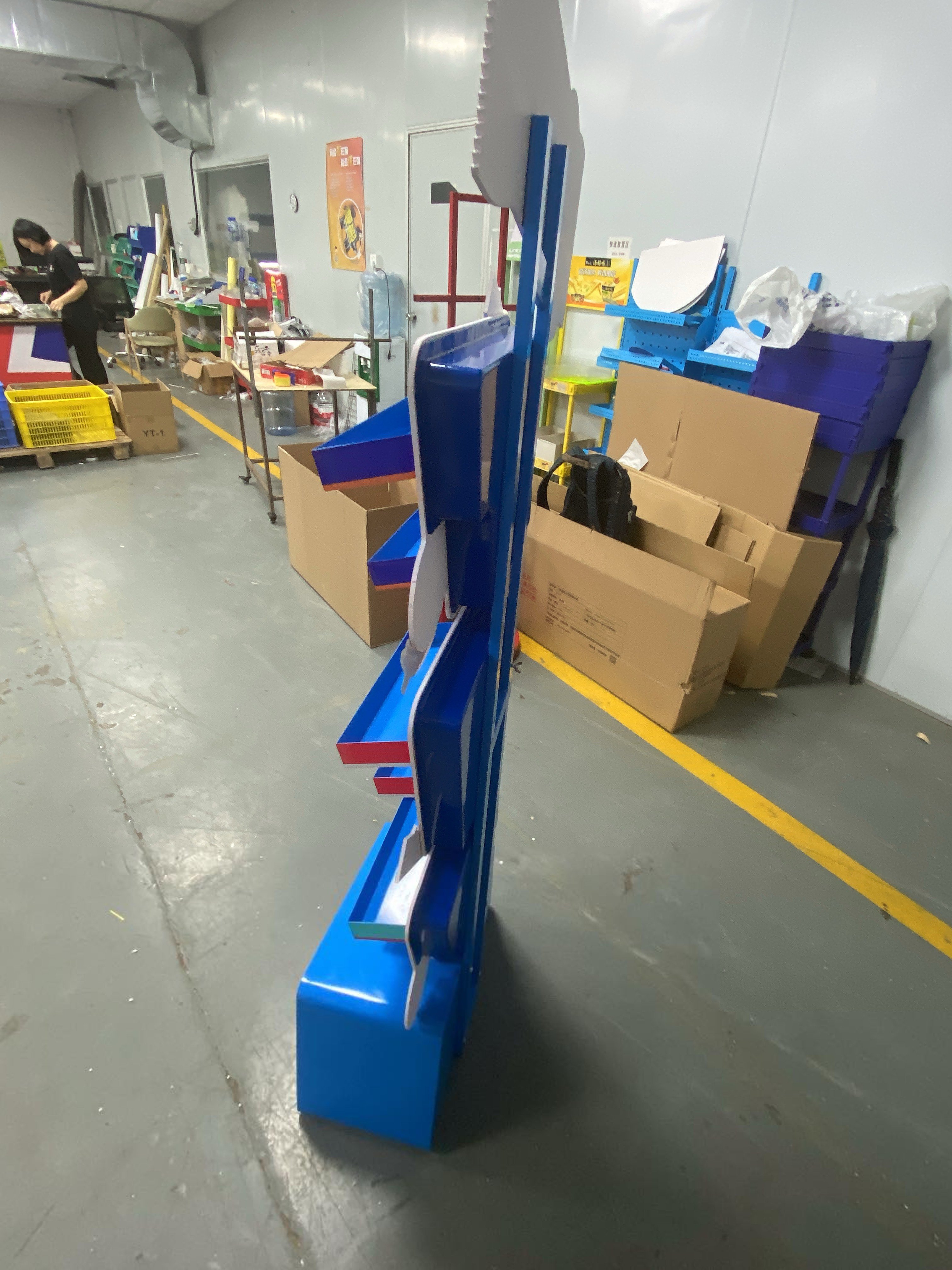
Effective snack display placement is one of the most powerful yet underutilized levers in retail merchandising. The location, height, and visibility of your snack display directly influence impulse purchases, customer traffic patterns, and overall store profitability. Retailers who strategically optimize snack display positioning see measurable increases in conversion rates and average transaction values compared to those using generic placement strategies.
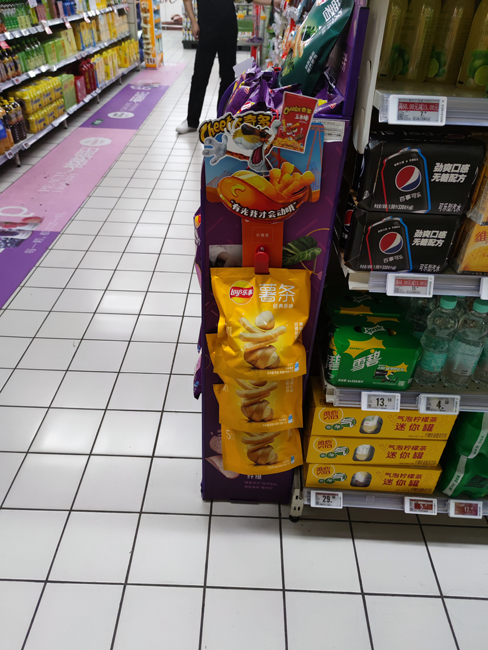
Understanding where customers pause, browse, and make purchasing decisions allows you to position your snack display in high-traffic zones that naturally capture attention. The snack category thrives on impulse buying behavior, which means placement strategy must align with customer flow dynamics and shopping psychology rather than arbitrary shelf space allocation.
Strategic Snack Display Placement Zones
High-Traffic Entry and Exit Points
Placement near store entrances and checkout areas represents prime real estate for snack display optimization. Customers entering the store have mental bandwidth for product discovery, while those waiting in checkout queues experience idle time that encourages browsing and impulse purchases. A strategically positioned snack display in these zones capitalizes on both traffic volume and psychological readiness to buy. Position your snack display at eye level in these high-visibility areas to maximize engagement without requiring customers to search or bend awkwardly.
End-Cap and Cross-Aisle Positioning
End-caps and cross-aisle displays generate significantly higher interaction rates than mid-aisle positioning. These locations interrupt the direct path customers follow through store zones, creating natural pause points. When you place your snack display on an end-cap, you leverage existing customer flow patterns and benefit from architectural prominence that signals product importance. This snack display placement strategy works particularly well during promotional periods when you want to drive velocity and trial on new or seasonal items.
Height and Eye-Level Optimization
The Power of Eye-Level Real Estate
Retail research consistently demonstrates that products positioned at eye level generate 20 to 40 percent higher sales than equivalent products on lower or upper shelves. For snack display optimization, this principle becomes even more critical because snacks are impulse-driven purchases that depend on immediate visual appeal. A well-designed snack display should reserve prime eye-level space for your highest-margin or promotional items while using upper and lower areas for supporting SKUs. When customers can see your snack display without strain or searching, engagement increases dramatically.
Demographic-Specific Height Considerations
Different customer segments have varying natural eye-level heights based on demographics. In convenience stores or channels serving diverse age groups, a snack display positioned between 48 and 60 inches from floor level captures the widest audience attention. For specialty retailers targeting specific demographics, adjust your snack display height accordingly. A snack display in a store frequented by younger consumers might position premium items slightly higher, while senior-focused retail locations should emphasize mid-range positioning on the snack display to reduce physical strain.
Seasonal and Promotional Snack Display Strategies
Seasonal Movement and Rotation
Snack display placement should evolve with seasonal demand patterns and cultural shopping occasions. Summer months warrant prominent snack display placement for beverages and outdoor snacking items, while winter seasons favor warm or indulgent snack options. Rotating your snack display to reflect seasonal demand keeps offerings fresh and signals to customers that your store actively manages its inventory. A snack display that remains unchanged throughout the year becomes invisible to repeat customers, whereas regular refreshes maintain the perception of active curation and value.
Promotional Integration and Cross-Selling
Strategic snack display placement near complementary categories amplifies basket size and customer satisfaction. Positioning a snack display near beverages creates natural bundling opportunities that customers recognize immediately. Similarly, placing a snack display in proximity to entertainment or leisure reading sections capitalizes on contextual relevance. When customers perceive your snack display as part of a curated experience rather than random shelf space, purchase intent increases and perceived value rises.
Merchandising Principles for Maximum Snack Display Impact
Visual Hierarchy and Packaging Design
An effective snack display leverages packaging colors, sizes, and graphics to create visual hierarchy that guides customer attention. Bright, contrasting packaging draws the eye naturally toward your snack display, while consistent color grouping within the snack display makes navigation intuitive. Front-facing products within your snack display create stronger shelf presence than spine-out stocking. A professionally merchandised snack display tells a visual story that encourages exploration and reduces decision fatigue for customers evaluating options.
Stock Density and Psychological Perception
A full snack display signals availability, quality, and active management to customers, while sparse shelving suggests scarcity or poor inventory control. Maintain your snack display with abundant stock levels, especially during peak traffic times, to reinforce positive perception and reduce lost sales from out-of-stock situations. However, overcrowding a snack display beyond practical capacity creates visual chaos and actually reduces purchase intent. The optimal snack display maintains fullness while preserving clear organization and easy product identification.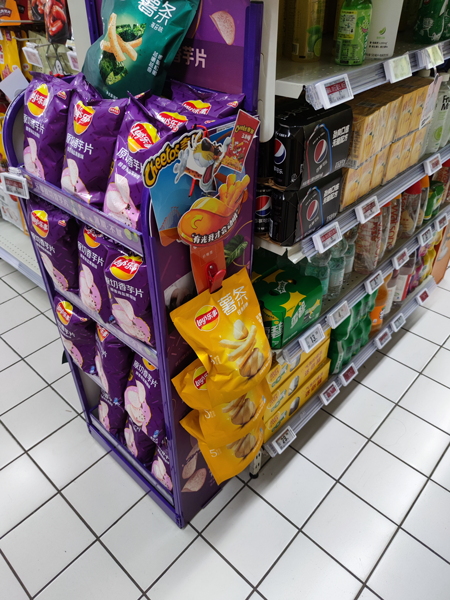
FAQ
What is the ideal height for a snack display in retail environments?
The ideal snack display height ranges from 48 to 60 inches from floor level, positioning premium items at natural eye level for the average customer. This snack display positioning captures maximum visibility and engagement without requiring customers to reach excessively or bend uncomfortably. Adjustments to snack display height should account for your specific customer demographic and store format to optimize performance.
How frequently should retailers relocate snack display positioning?
Most retailers benefit from moving their snack display placement seasonally, typically four times annually, while implementing smaller adjustments monthly based on sales performance and inventory levels. Frequent rotation keeps the snack display fresh and engaging for repeat customers while preventing merchandising fatigue. Your snack display strategy should balance consistency for customer familiarity with periodic changes that signal active curation and market responsiveness.
Can snack display placement directly impact overall store traffic patterns?
Yes, a strategically positioned snack display can influence customer circulation patterns throughout the store by creating natural pause points and destination zones. When your snack display attracts customers to underutilized store areas, it increases exposure to adjacent categories and boosts cross-category sales. A well-placed snack display essentially reshapes customer journey flow and maximizes the productivity of every square foot in your retail space.