Floor Retail Displays | Boost Store Sales

Get a Free Quote

Share your display requirements and our team will follow up with a suitable direction.
Company Name
Country/Region
Mobile
Email
WhatsApp
Name
Message
0/1000

floor retail displays

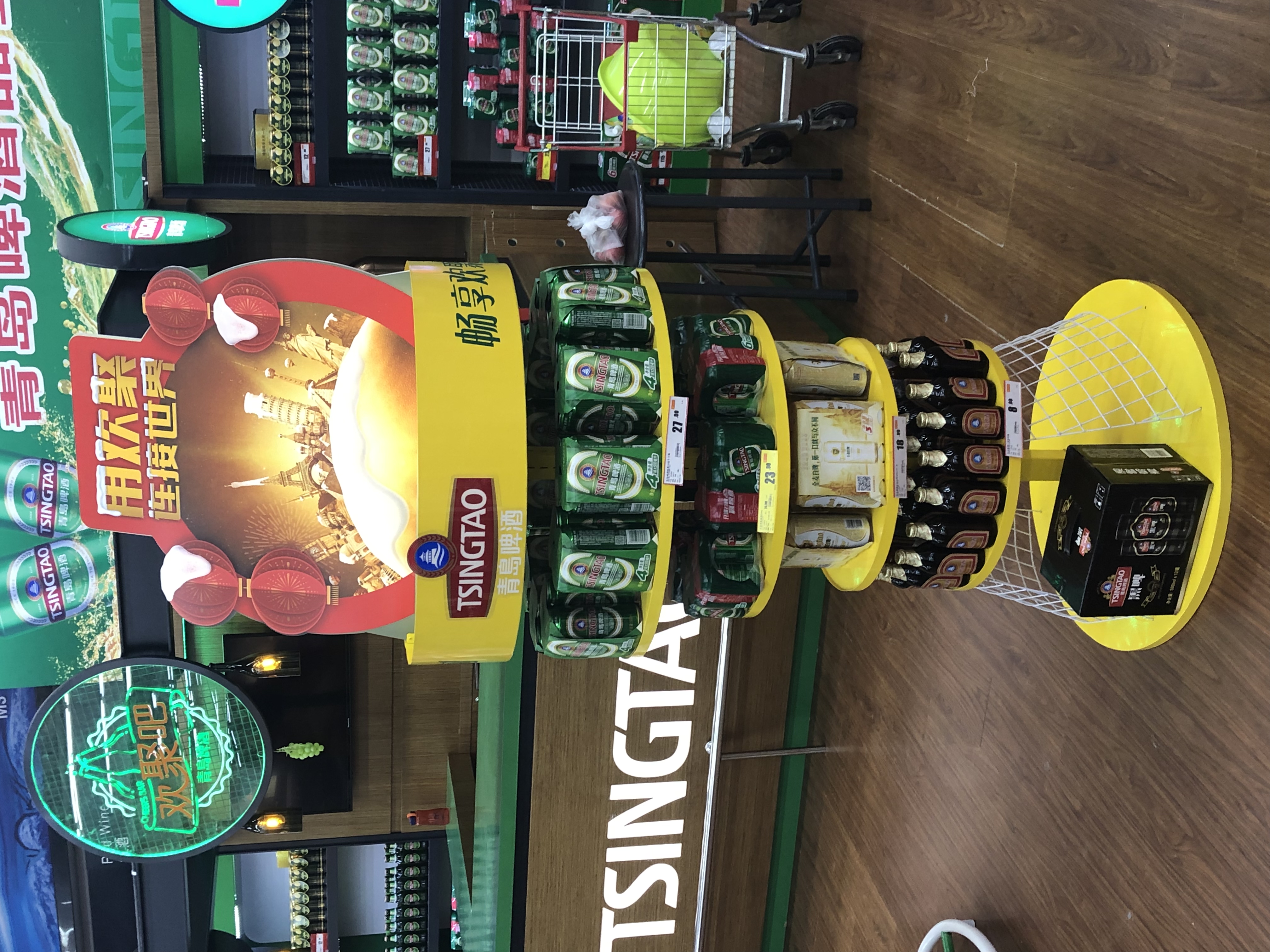
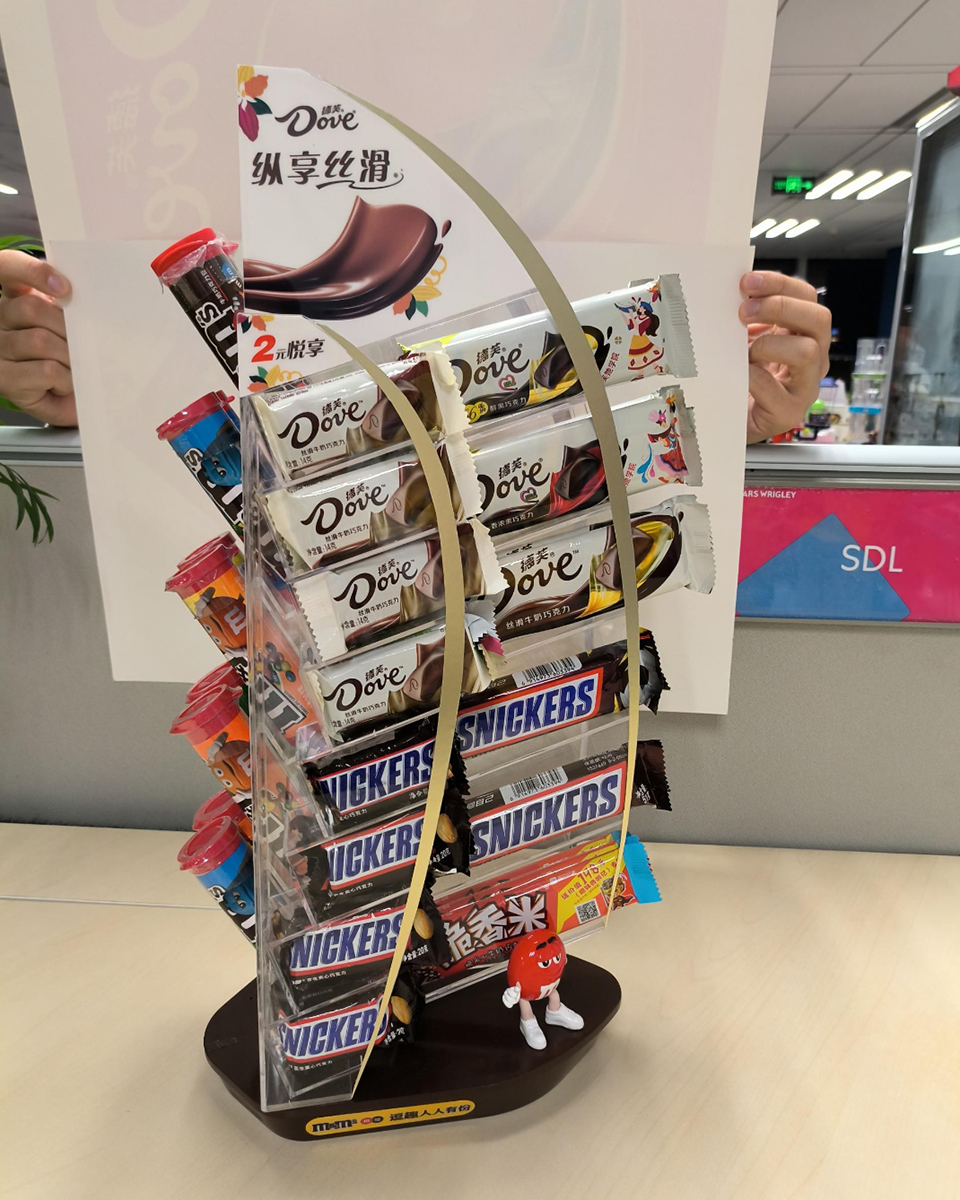
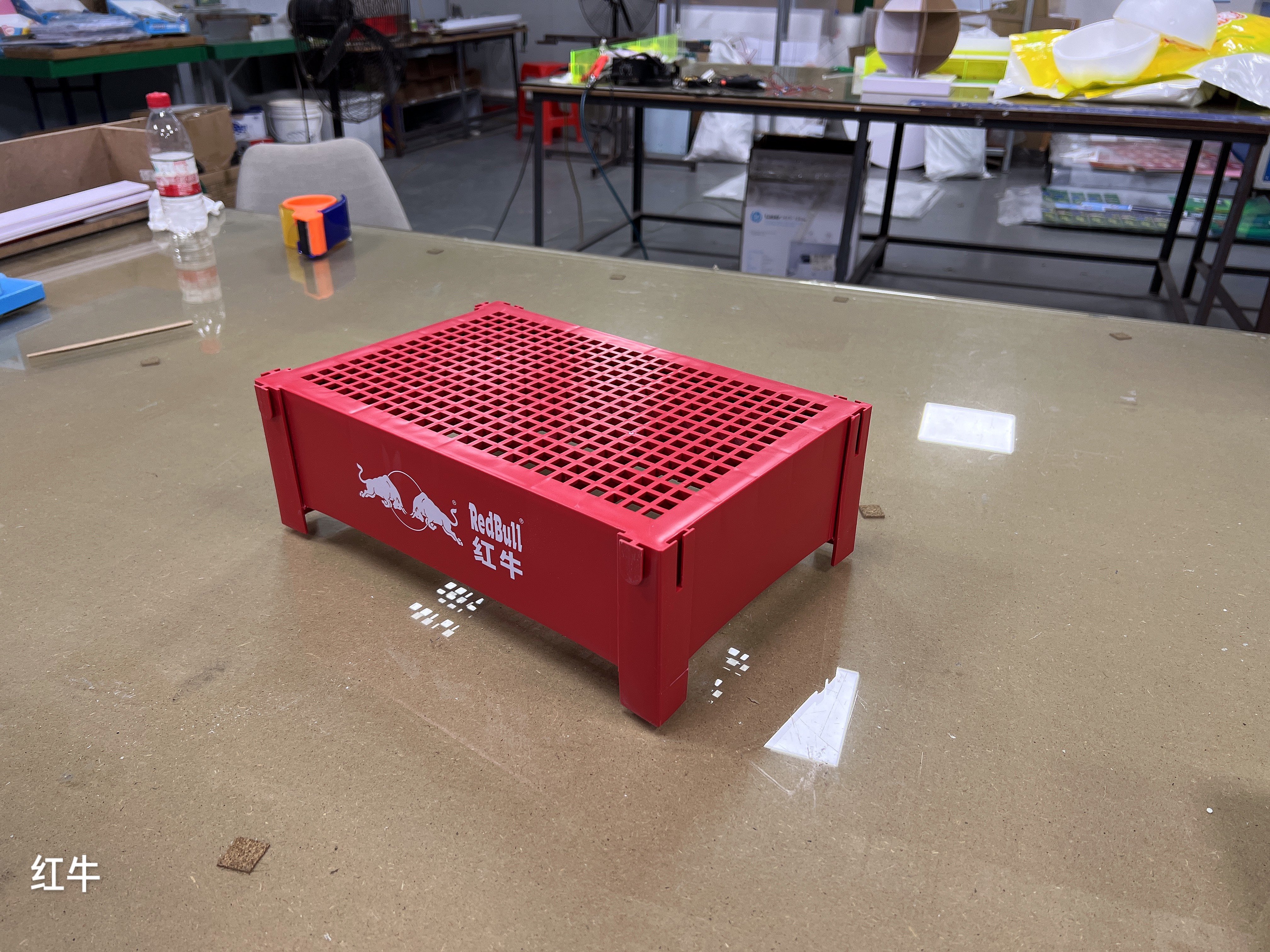
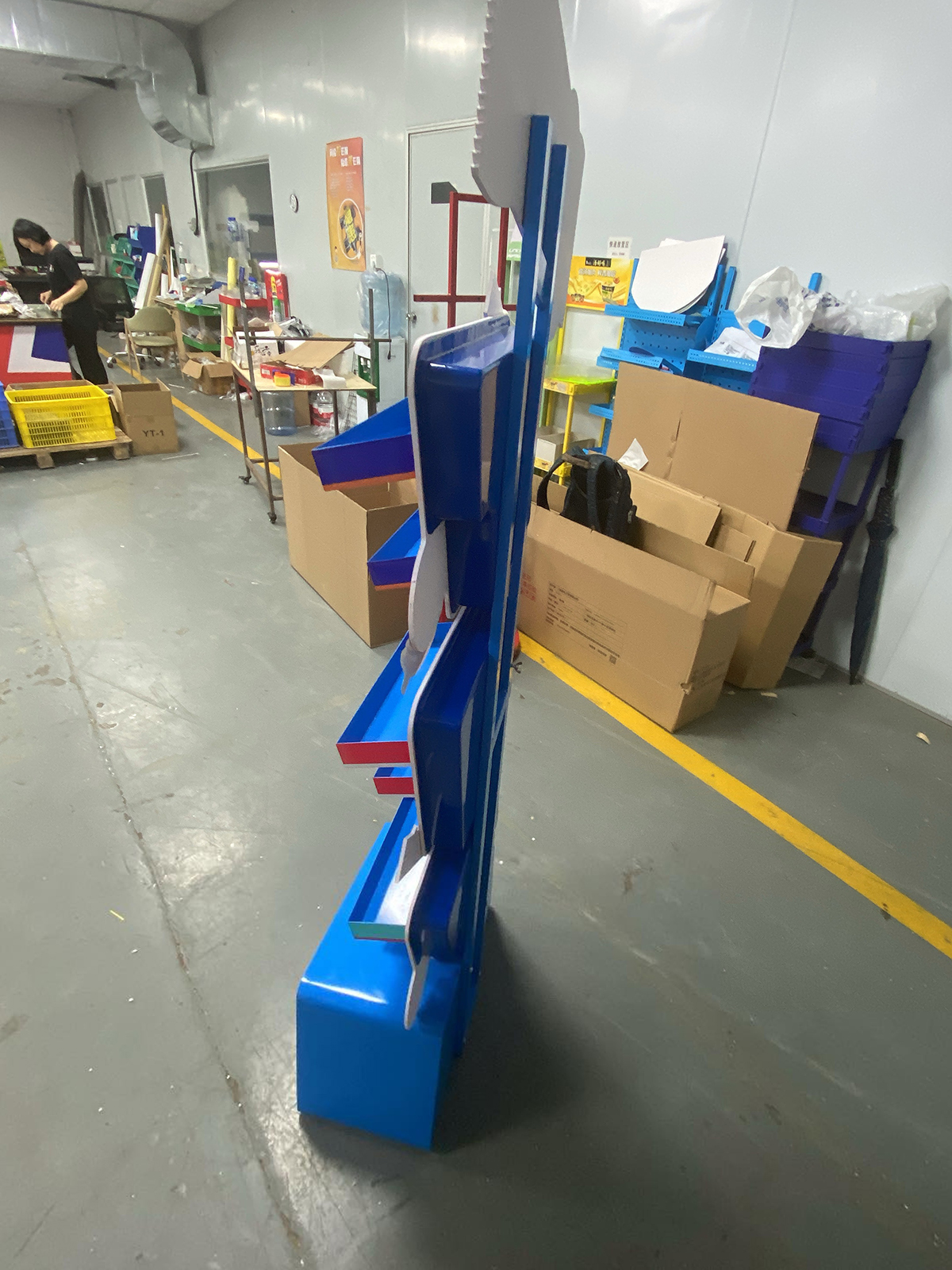
Floor retail displays are freestanding merchandising units designed to present products at shopper eye level and guide attention through a store. Floor retail displays can hold packaged goods, cosmetics, electronics, clothing, accessories, promotional items, and seasonal products. Their main function is to increase product visibility while using valuable sales-floor space efficiently. Retailers can use floor retail displays for permanent product organization, short-term campaigns, product launches, impulse purchases, or brand storytelling. Unlike wall fixtures, floor retail displays can stand near entrances, checkout areas, aisles, or feature zones, giving businesses more freedom to change the customer journey. Modern floor retail displays may include shelves, hooks, bins, drawers, sign holders, lighting, digital screens, and adjustable panels. Some models use LED illumination to make selected products easier to notice. Others include touchscreens, QR codes, electronic price labels, or interactive product guides that connect physical shopping with online information. Retail teams can update digital content, prices, and promotional messages without replacing printed panels. Durable materials such as steel, wood, acrylic, and recycled board support different brand styles, budgets, and usage periods. Modular construction also allows shelves and accessories to move as product sizes change. Floor retail displays are suitable for supermarkets, department stores, pharmacies, convenience shops, showrooms, trade events, and pop-up stores. By combining storage, presentation, branding, and technology, floor retail displays create a practical platform for clearer merchandising and stronger shopper engagement.

New Products

The main advantage of floor retail displays is better product exposure without requiring a major store renovation. Floor retail displays place selected items where customers naturally walk, pause, and compare products. This positioning can encourage impulse purchases, support cross-selling, and make a new collection easier to find. Retailers can group related goods together, such as coffee beside cups, phone cases beside devices, or skincare products beside beauty tools. That arrangement simplifies shopping and gives each item a stronger sales context. Floor retail displays also help brands control how products appear. A branded header, color scheme, message panel, or illuminated shelf can create a consistent presentation across several locations. Businesses can select compact units for narrow aisles, wide shelving for high-volume goods, or rotating stands for small accessories. Because floor retail displays are available in modular and portable designs, staff can move campaigns as demand changes. This flexibility reduces the need to build fixed fixtures for every promotion. Adjustable shelves and hooks make restocking easier, while open access lets employees check inventory quickly. Durable surfaces support repeated cleaning and everyday customer contact, helping units maintain a professional appearance. Digital options add further value. Screens can show demonstrations, comparisons, instructions, or time-sensitive offers, while QR codes can direct shoppers to reviews, manuals, or online ordering. These features provide useful information without requiring a sales associate at every display. Floor retail displays can also improve measurement: retailers may compare sales before and after placement, test different messages, and refine store layouts. For buyers, the right unit should match product weight, available floor area, expected campaign length, brand image, and maintenance resources. A clear specification review helps prevent overbuying and ensures floor retail displays deliver practical value in the intended setting.

Latest News

Which factors determine beverage display energy efficiency?

24

Sep

Which factors determine beverage display energy efficiency?

Energy efficiency in a beverage display unit directly impacts operational costs and environmental footprint across retail, food service, and distribution environments. Understanding the factors that determine beverage display efficiency helps retaile...
View More
How should you evaluate chocolate display durability?

24

Sep

How should you evaluate chocolate display durability?

Choosing the right chocolate display for your retail environment requires careful evaluation of durability factors that directly impact both product presentation and long-term cost efficiency. A chocolate display must withstand constant handling, tem...
View More
Retail Merchandising for Convenience Stores: Maximizing Narrow Space

30

Oct

Retail Merchandising for Convenience Stores: Maximizing Narrow Space

Retail merchandising in a narrow convenience store depends on how well products stay visible without obstructing movement. Thoughtful convenience store display fixtures can help retailers use vertical space, support a clear shopping route, and positi...
View More
Sourcing Custom POP Displays from China: Prototyping, Tooling & Quality Control

30

Oct

Sourcing Custom POP Displays from China: Prototyping, Tooling & Quality Control

Sourcing custom POP displays from China works best when design, tooling, and production checks are treated as one connected process. Early display prototyping confirms that the stand fits the product and retail setting, while clear specifications mak...
View More

Get a Free Quote

Share your display requirements and our team will follow up with a suitable direction.
Company Name
Country/Region
Mobile
Email
WhatsApp
Name
Message
0/1000

floor retail displays

Flexible Modular Merchandising

Flexible Modular Merchandising

Floor retail displays with modular shelves, hooks, and panels give retailers control over changing product ranges. Teams can adjust shelf height for bottles, boxes, or larger packages without purchasing a new unit. This flexibility makes floor retail displays useful for seasonal campaigns, rotating collections, and stores that carry products with different dimensions. A modular frame can also accept sign holders, baskets, dividers, and product trays, allowing one fixture to support several merchandising plans. Retailers can move the unit between departments or locations when sales priorities change. Compact casters, where available, make repositioning faster while locking wheels keep the display stable during shopping. The practical benefit is lower replacement spending and less setup time. Staff can refresh the presentation with ordinary tools and minimal training. Buyers should check load capacity, adjustment range, base size, and assembly requirements before ordering. When those specifications fit the store, floor retail displays provide a long-lasting foundation for organized presentation and efficient space use.
Digital Engagement and Clear Information

Digital Engagement and Clear Information

Technology helps floor retail displays answer shopper questions at the point of purchase. Integrated screens can present demonstrations, comparison charts, care instructions, brand stories, or limited-time promotions. Touch controls may let customers browse colors, sizes, specifications, or compatible products without waiting for assistance. QR codes provide another simple route to reviews, manuals, tutorials, loyalty programs, and online checkout. These functions make floor retail displays more informative and can help customers feel confident about a purchase. Retail teams may update content remotely when prices, stock levels, or campaigns change, reducing the cost and waste associated with printed materials. LED lighting can highlight a premium product or improve visibility in a darker aisle. Buyers should consider screen size, power access, content management, network needs, and cleaning procedures before selecting a connected model. Not every store needs advanced interaction. However, where products need explanation or comparison, floor retail displays with practical digital tools can shorten the decision process and support a more engaging shopping experience.
Strong Branding with Practical Durability

Strong Branding with Practical Durability

A well-built fixture turns floor space into a recognizable brand touchpoint. Floor retail displays can use printed graphics, shaped headers, branded colors, illuminated logos, and custom panels to make a product area easy to identify. This visual control helps businesses separate their offer from nearby competitors and create a consistent experience across stores, events, and temporary campaigns. Materials also affect value. Powder-coated steel handles frequent use and heavier stock, acrylic gives a clean view of products, wood adds warmth, and recycled board suits short campaigns with sustainability goals. Floor retail displays should remain stable, easy to wipe, and resistant to normal bumps and handling. Shelves that open from the customer side support quick browsing, while rear access can speed up replenishment. Buyers should match construction quality with the expected service period, traffic level, product weight, and cleaning routine. The right balance avoids unnecessary cost while protecting appearance. With suitable branding and materials, floor retail displays support recognition, reliable operation, and a polished shopping environment.
Newsletter
Please Leave A Message With Us