Cardboard Floor Display for Retail Marketing

Get a Free Quote

Share your display requirements and our team will follow up with a suitable direction.
Company Name
Country/Region
Mobile
Email
WhatsApp
Name
Message
0/1000

cardboard floor display

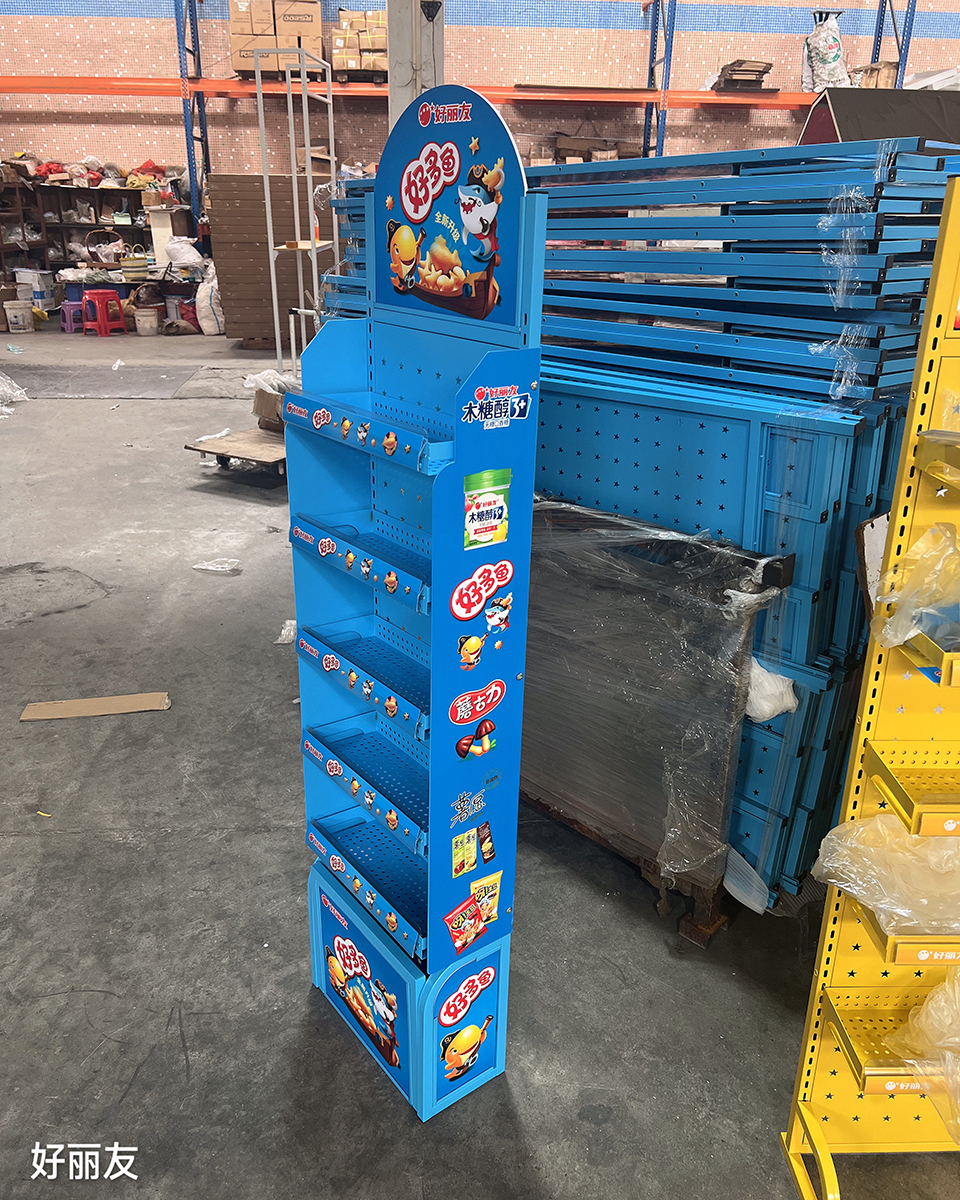
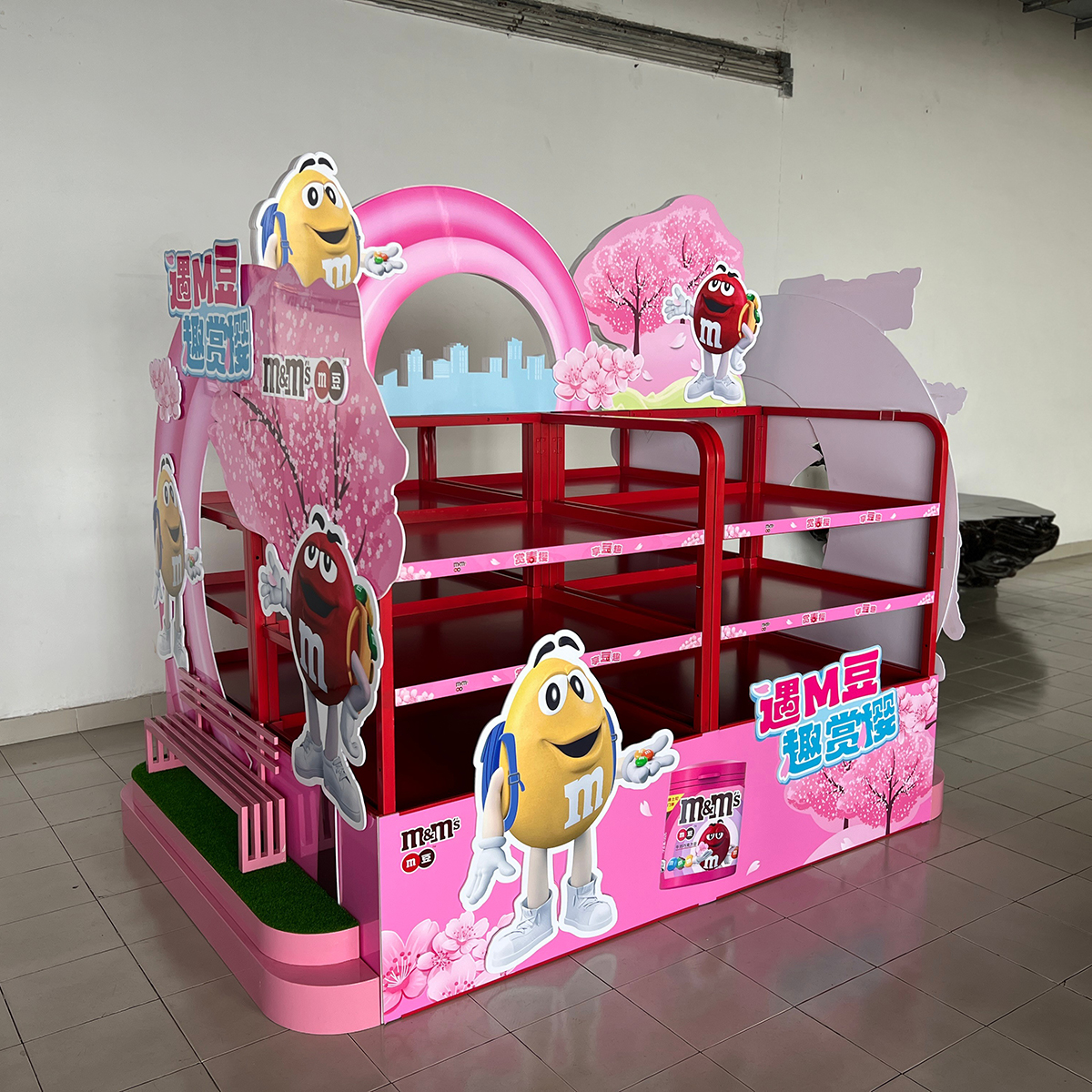
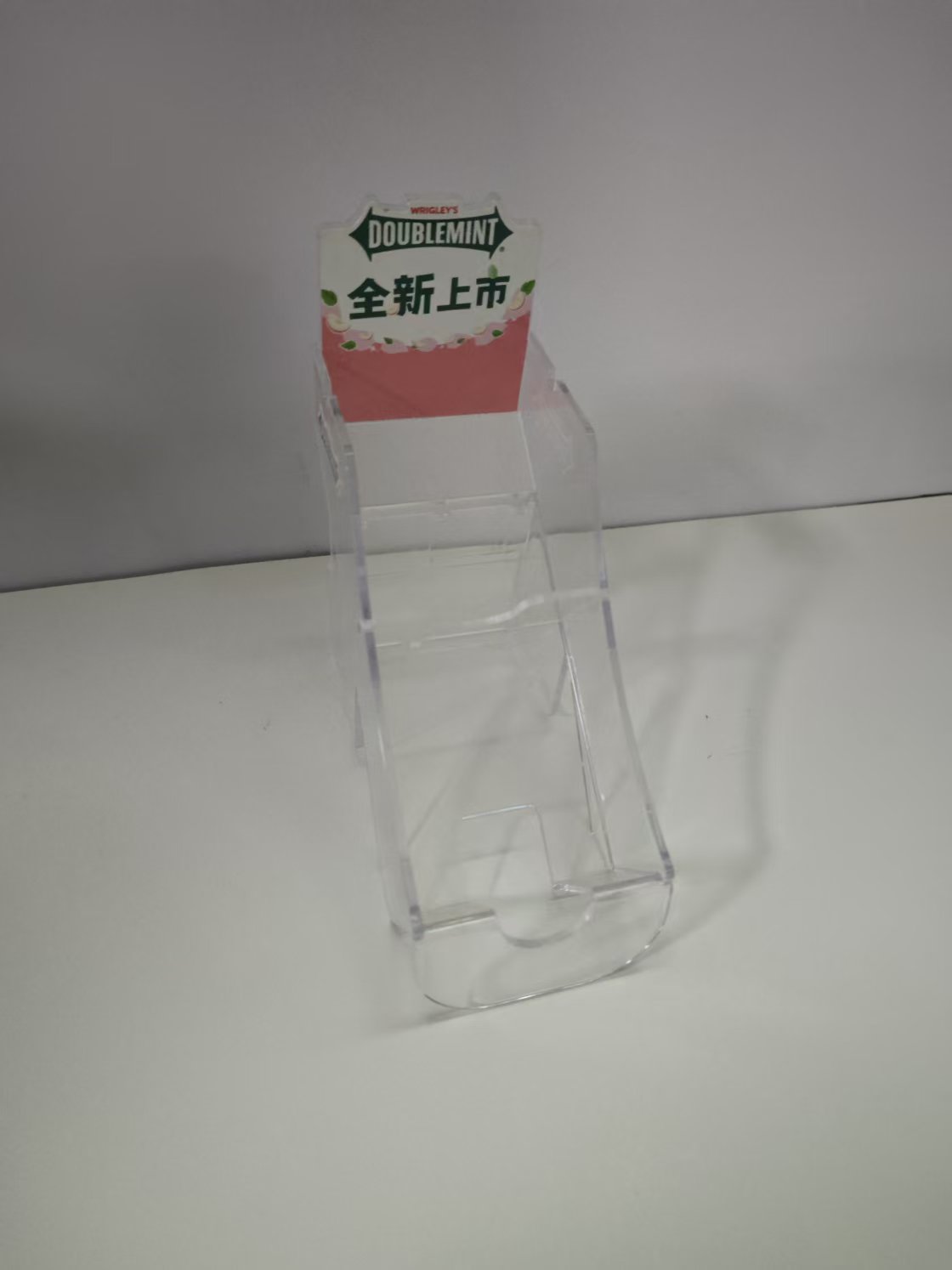
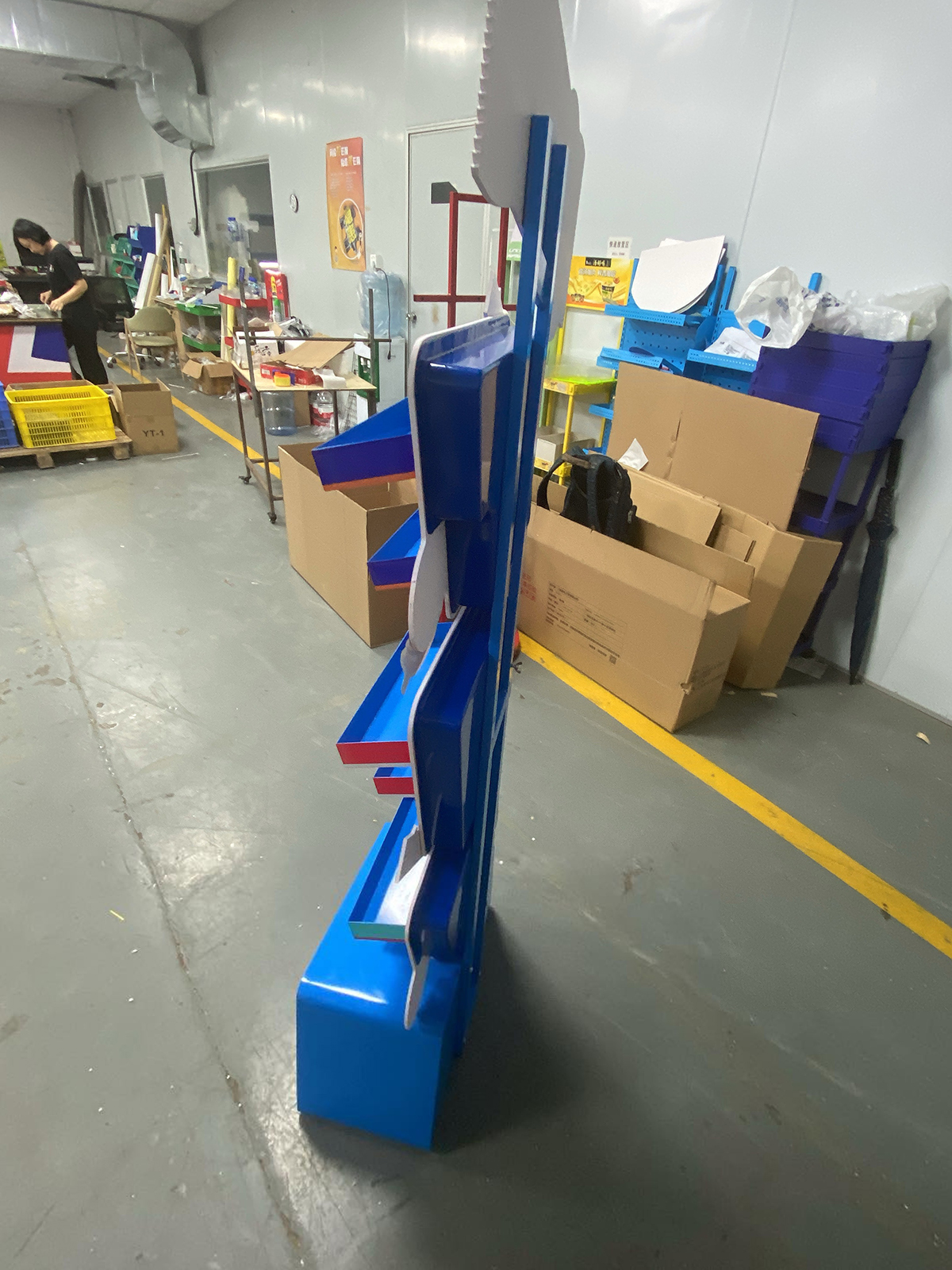
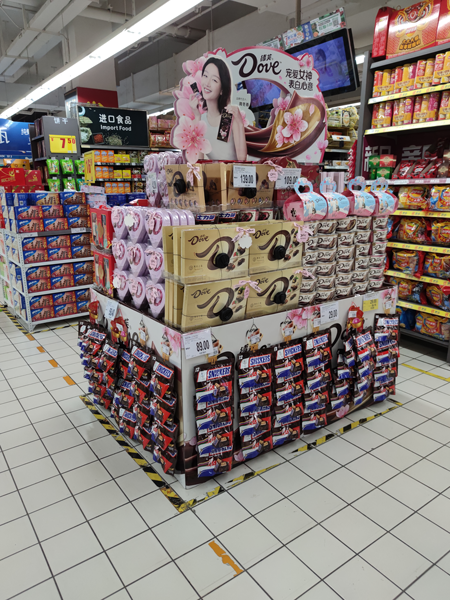
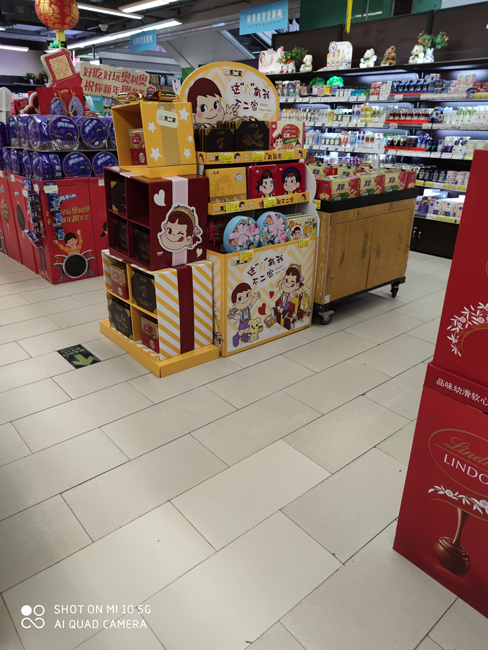
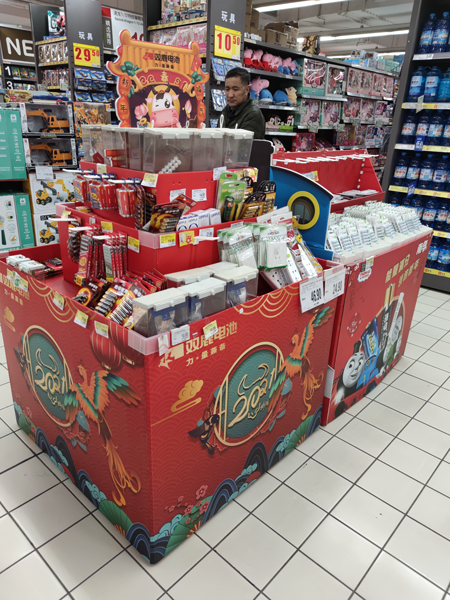
A cardboard floor display is a freestanding retail unit designed to present products, promotions, and brand messages at shopper eye level. A cardboard floor display usually combines printed panels, shelves, hooks, pockets, or product trays in one compact structure. Retailers can place a cardboard floor display near entrances, checkout areas, aisles, or seasonal sections to attract attention and guide purchasing decisions. Its main function is to turn unused floor space into an active selling point. A cardboard floor display can hold packaged goods, samples, brochures, gift items, cosmetics, snacks, beverages, and many other products. Depending on the design, it can support impulse sales, product education, new product launches, and limited-time campaigns. A cardboard floor display may use digital printing, sharp color reproduction, protective coating, and precision cutting to create a polished appearance. Modern production also supports custom shapes, adjustable shelves, reinforced bases, and flat-pack delivery. These features help a cardboard floor display match a company logo, campaign theme, product size, and retail environment. Some models include QR codes, NFC tags, or scannable links that connect shoppers with online information, coupons, videos, or loyalty programs. Lightweight construction makes a cardboard floor display easy to move and install without specialist tools. A cardboard floor display can also use recyclable materials and water-based inks, supporting more responsible promotional planning. From a small counter-adjacent unit to a tall multi-tier structure, the cardboard floor display gives brands a practical, customizable way to improve visibility and organize products.

New Product Recommendations

Choosing a cardboard floor display gives buyers a visible sales tool without the cost, weight, or installation demands of many permanent fixtures. A cardboard floor display uses printed surfaces to communicate price, benefits, instructions, and brand identity while the shelves keep products easy to reach. This combination helps shoppers understand an offer quickly and encourages unplanned purchases. A cardboard floor display also gives retailers flexibility. Teams can move it between departments, replace it for a new campaign, or fold it away after a promotion. Because a cardboard floor display ships flat or in compact sections, it can reduce transport volume, storage pressure, and handling effort. Staff can normally assemble a cardboard floor display with simple slot-in parts, saving time during store setup and reducing dependence on contractors. A cardboard floor display suits supermarkets, pharmacies, bookstores, electronics shops, department stores, trade events, reception areas, and pop-up shops. Its adaptable format works for both high-volume product launches and smaller local campaigns. Buyers can choose a cardboard floor display with shelves for boxed goods, hooks for hanging packs, pockets for literature, or open access for fast product selection. Reinforced layers and a stable base improve performance when the unit carries everyday merchandise. Printed graphics can be updated for seasonal offers, regional messages, or different languages, helping one design serve multiple markets. The light structure also simplifies repositioning when a store changes its layout or tests a new traffic path. A cardboard floor display can support responsible purchasing goals when made with recyclable board, low-impact inks, and limited plastic. Before ordering, buyers should check product weight, expected campaign duration, dimensions, shipping conditions, and assembly requirements. This practical review helps them select a cardboard floor display that balances appearance, capacity, durability, and budget. Overall, the format delivers measurable retail value through stronger visibility, faster deployment, and efficient use of space.

Tips And Tricks

What should buyers consider for metal display stands?

24

Sep

What should buyers consider for metal display stands?

Selecting the right metal display stands requires careful evaluation of multiple factors that directly impact your retail operation's effectiveness, customer engagement, and long-term profitability. Whether you operate a boutique, specialty retail sh...
View More
Metal Wire & Sheet Displays: Designing for Durability and Heavy FMCG Loads

30

Oct

Metal Wire & Sheet Displays: Designing for Durability and Heavy FMCG Loads

Designing metal and wire displays for heavy FMCG loads means planning for more than the product’s weight. A metal retail display rack must also cope with repeated restocking, customer contact, and uneven load distribution. A wire merchandising rack c...
View More
Permanent vs. Temporary POP Displays: Calculating the Total Cost of Ownership

30

Oct

Permanent vs. Temporary POP Displays: Calculating the Total Cost of Ownership

Choosing between permanent vs temporary pop displays is a total-cost decision, not simply a comparison of purchase prices. A cardboard display vs plastic assessment should include freight, setup, maintenance, reuse and disposal, while durable retail ...
View More
Sourcing Custom POP Displays from China: Prototyping, Tooling & Quality Control

30

Oct

Sourcing Custom POP Displays from China: Prototyping, Tooling & Quality Control

Sourcing custom POP displays from China works best when design, tooling, and production checks are treated as one connected process. Early display prototyping confirms that the stand fits the product and retail setting, while clear specifications mak...
View More

Get a Free Quote

Share your display requirements and our team will follow up with a suitable direction.
Company Name
Country/Region
Mobile
Email
WhatsApp
Name
Message
0/1000

cardboard floor display

Fast Setup and Flexible Placement

Fast Setup and Flexible Placement

A cardboard floor display helps retail teams launch a campaign quickly. Its lightweight board construction allows staff to carry the unit from storage to the sales area without lifting equipment. Clear assembly instructions and pre-cut parts can shorten setup, while a flat-pack format makes delivery easier for stores with limited receiving space. Once assembled, a cardboard floor display can stand near an entrance, beside a related product, or along a busy aisle. Teams can relocate it as shopper traffic changes, giving the campaign more chances to be seen. This mobility matters for short promotions, seasonal events, product tests, and pop-up selling. A cardboard floor display also avoids the disruption associated with permanent shelving or metal fixtures. Retailers can remove it at campaign end and store or recycle the materials with minimal effort. For buyers, the result is a faster route from artwork approval to in-store presentation, with less labor, lower handling risk, and greater control over changing merchandising needs.
Custom Graphics That Drive Attention

Custom Graphics That Drive Attention

A cardboard floor display turns physical space into a large branded message. Full-color printing can show product benefits, lifestyle images, prices, directions, and promotional calls to action across the header, side panels, shelves, and base. This makes the unit useful even before shoppers examine the product. A cardboard floor display can be shaped around a brand style, product theme, or campaign idea, helping it stand out from standard store fixtures. Cutout windows, raised headers, layered panels, and coordinated colors can create visual interest without adding complex equipment. Digital print technology also supports short runs, regional versions, and quick artwork updates, so buyers do not need to commit to a single message for a long period. A cardboard floor display may include QR codes or other scannable features that lead to demonstrations, recipes, coupons, or product registration. This connects physical browsing with online engagement and gives marketers another way to measure campaign response. The practical value is stronger recognition, clearer communication, and a more consistent customer experience.
Sustainable Value With Practical Strength

Sustainable Value With Practical Strength

A cardboard floor display can help brands present products responsibly while meeting everyday retail needs. Recyclable board offers a lower-impact alternative to many permanent plastic or metal units, particularly for temporary promotions. When manufacturers use water-based inks and reduce unnecessary packaging, the full campaign can create less waste during delivery and removal. A cardboard floor display does not have to sacrifice usefulness for sustainability. Multi-layer board, reinforced corners, load-bearing shelves, and a broad base can provide dependable support for packaged merchandise. Buyers can select the board grade and structure according to product weight, campaign length, and store conditions. A cardboard floor display for lightweight samples may use a simpler format, while a grocery or personal-care campaign may need stronger shelves and protective finishing. Clear specifications help purchasers match construction to the job and avoid paying for excess material. At the end of use, many units can enter standard paper recycling streams after non-paper parts are removed. This gives retailers a practical way to combine visible merchandising, controlled costs, and more responsible material choices.
Newsletter
Please Leave A Message With Us