Retail Floor Display for Smarter Stores

Get a Free Quote

Share your display requirements and our team will follow up with a suitable direction.
Company Name
Country/Region
Mobile
Email
WhatsApp
Name
Message
0/1000

retail floor display

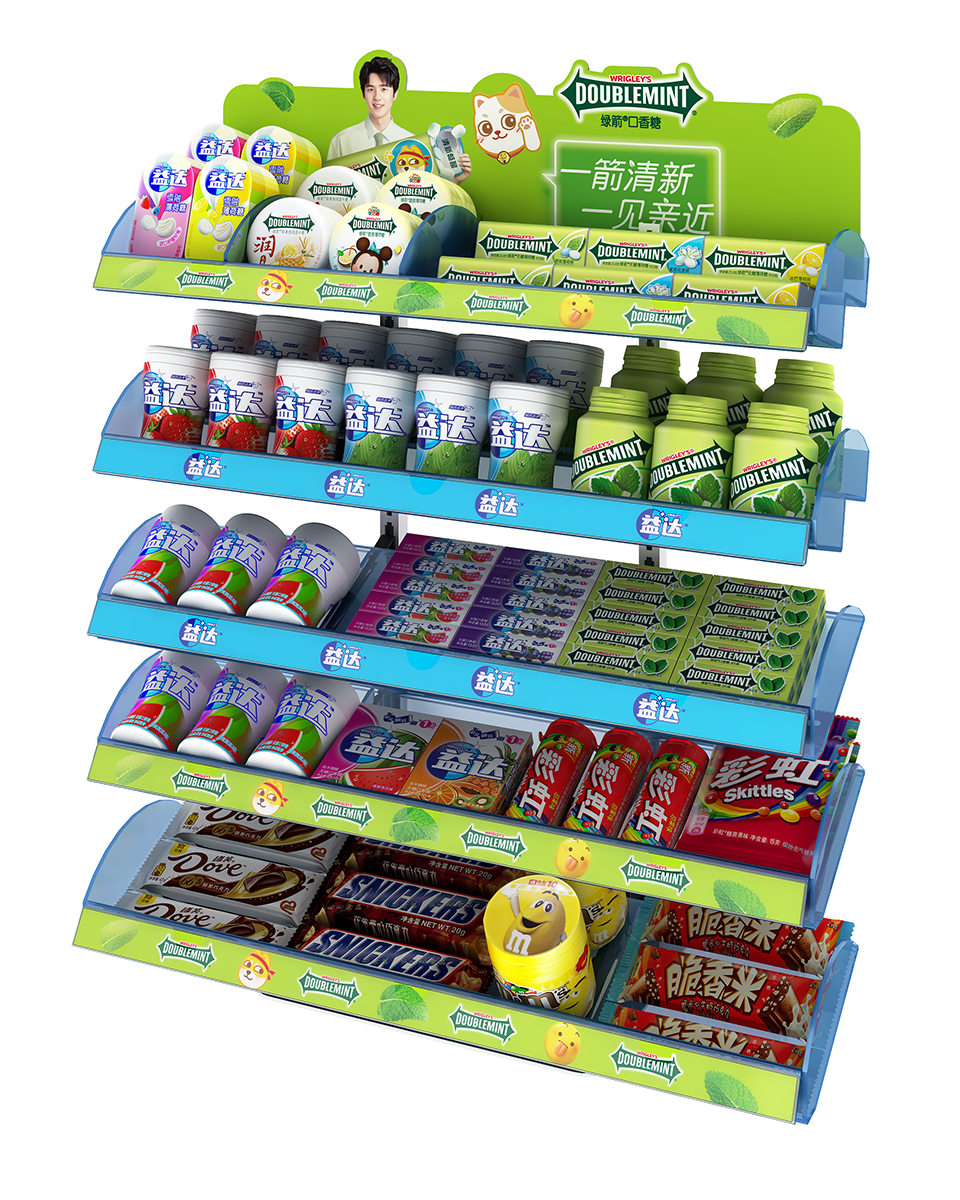
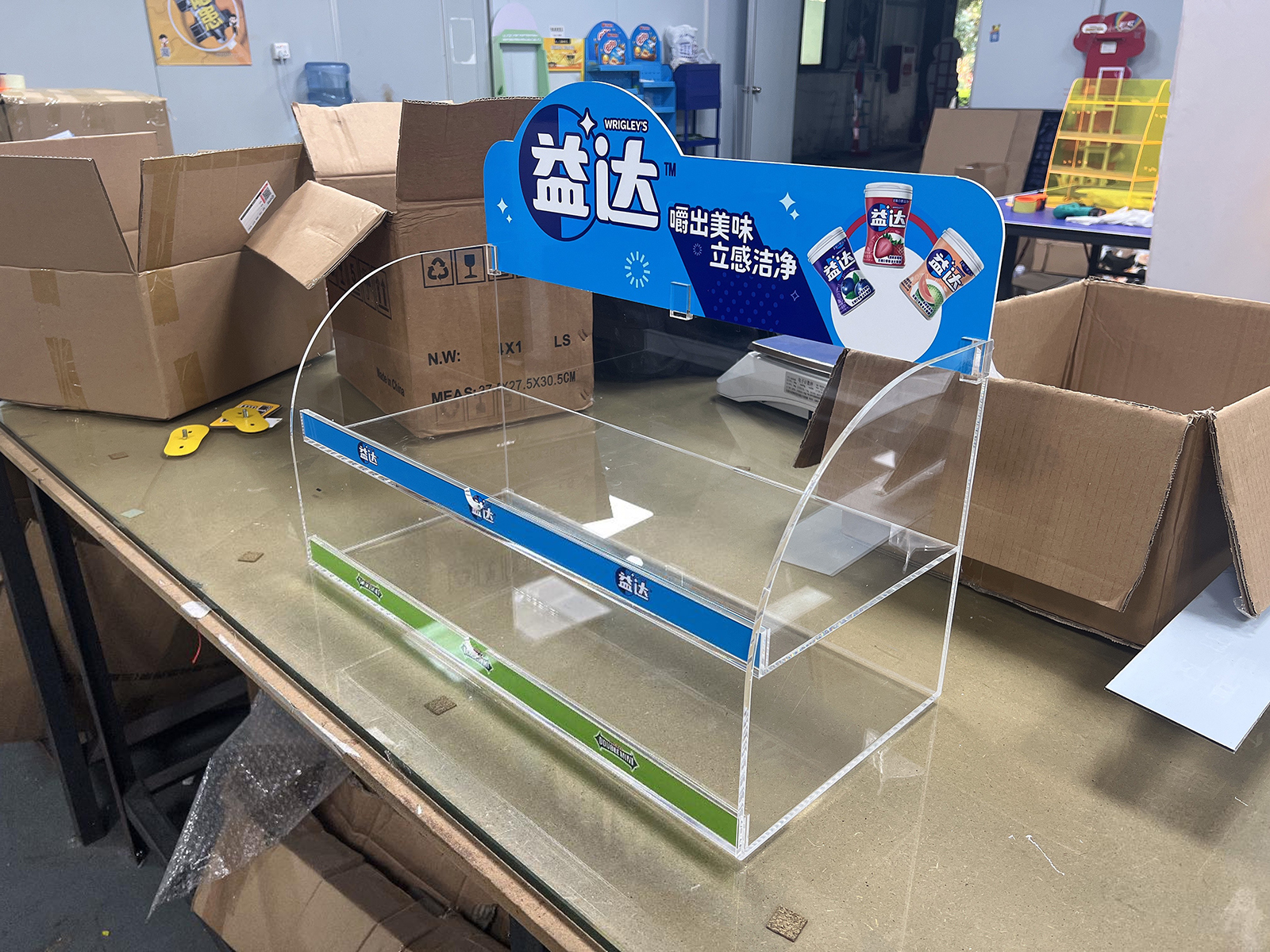
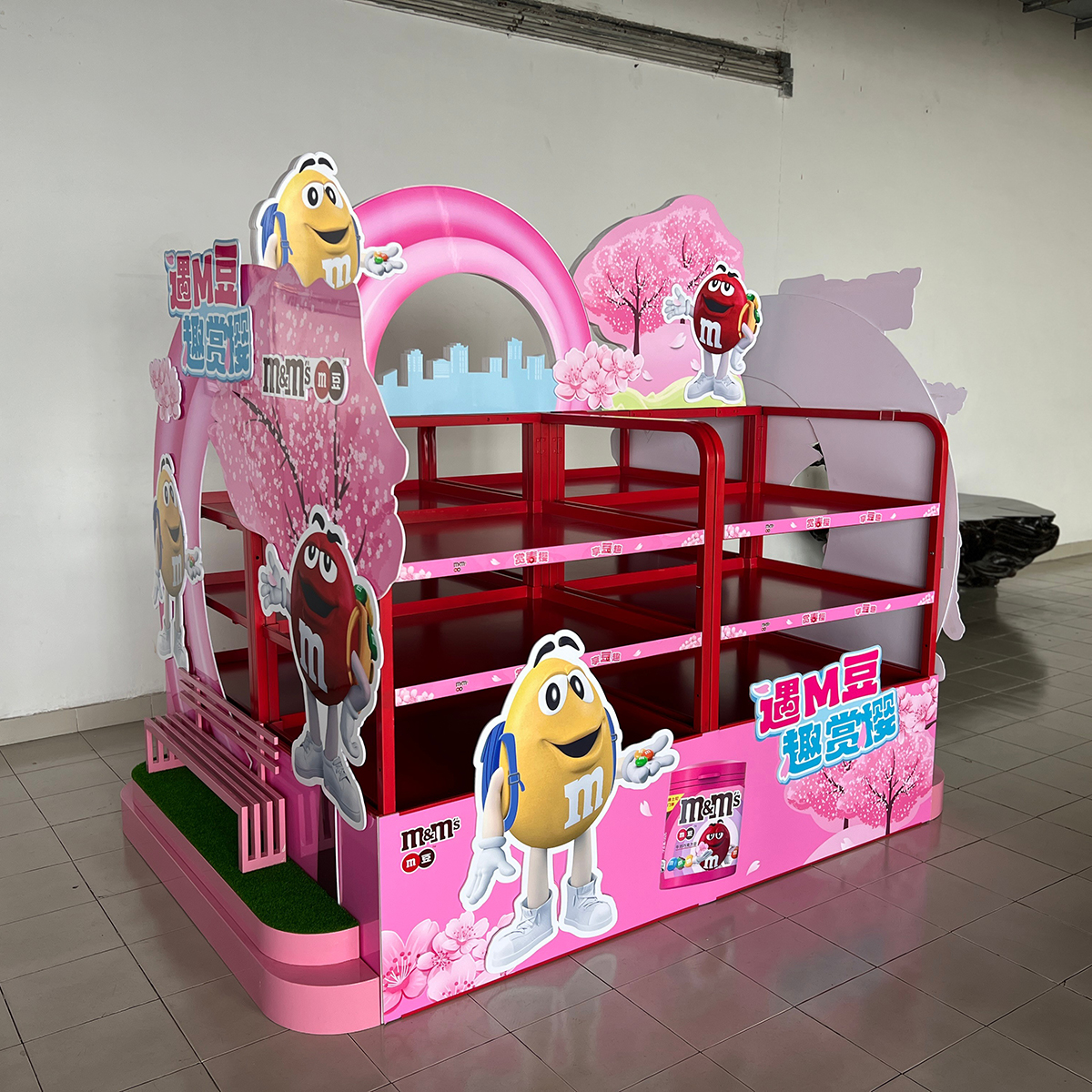
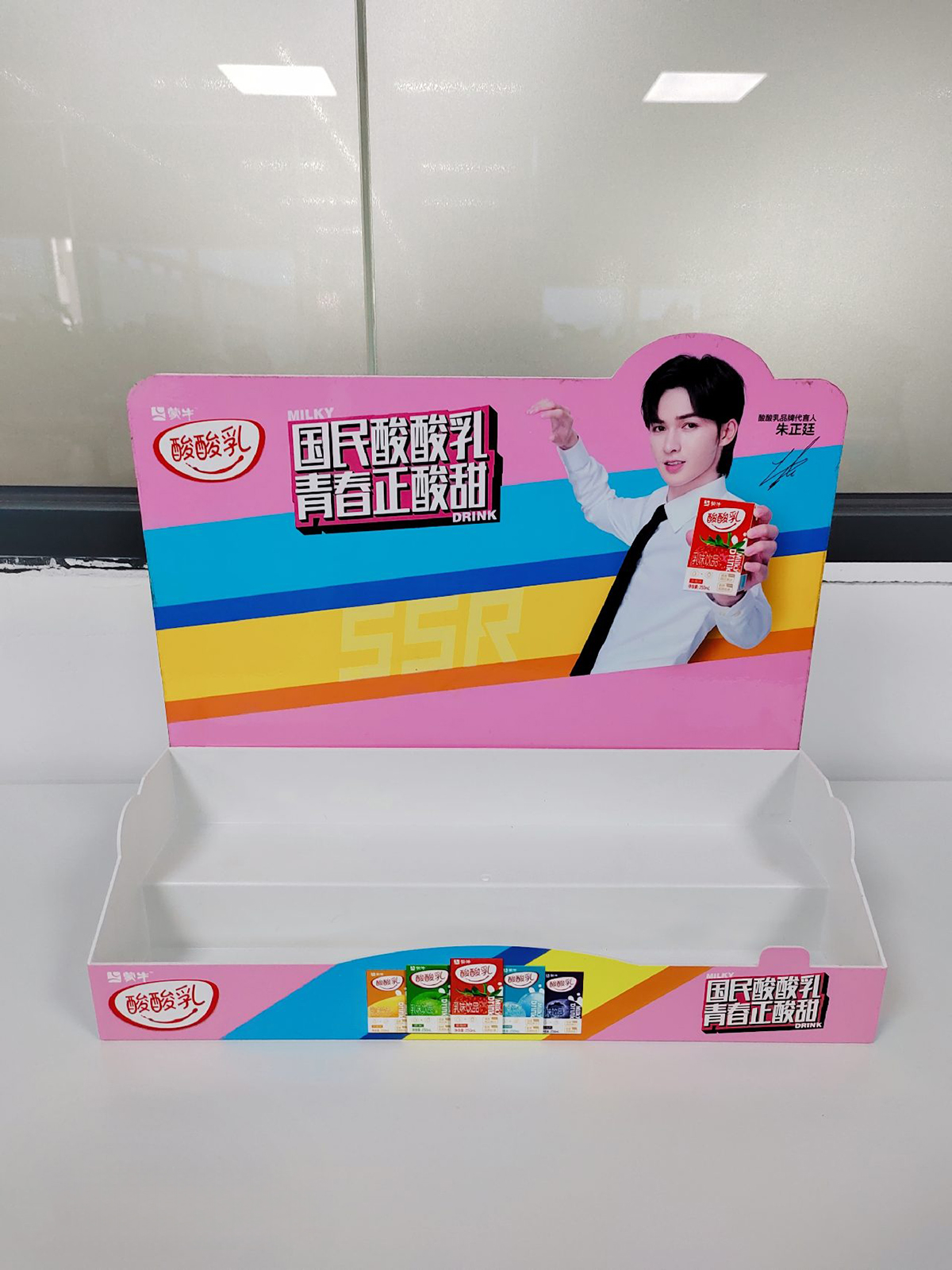
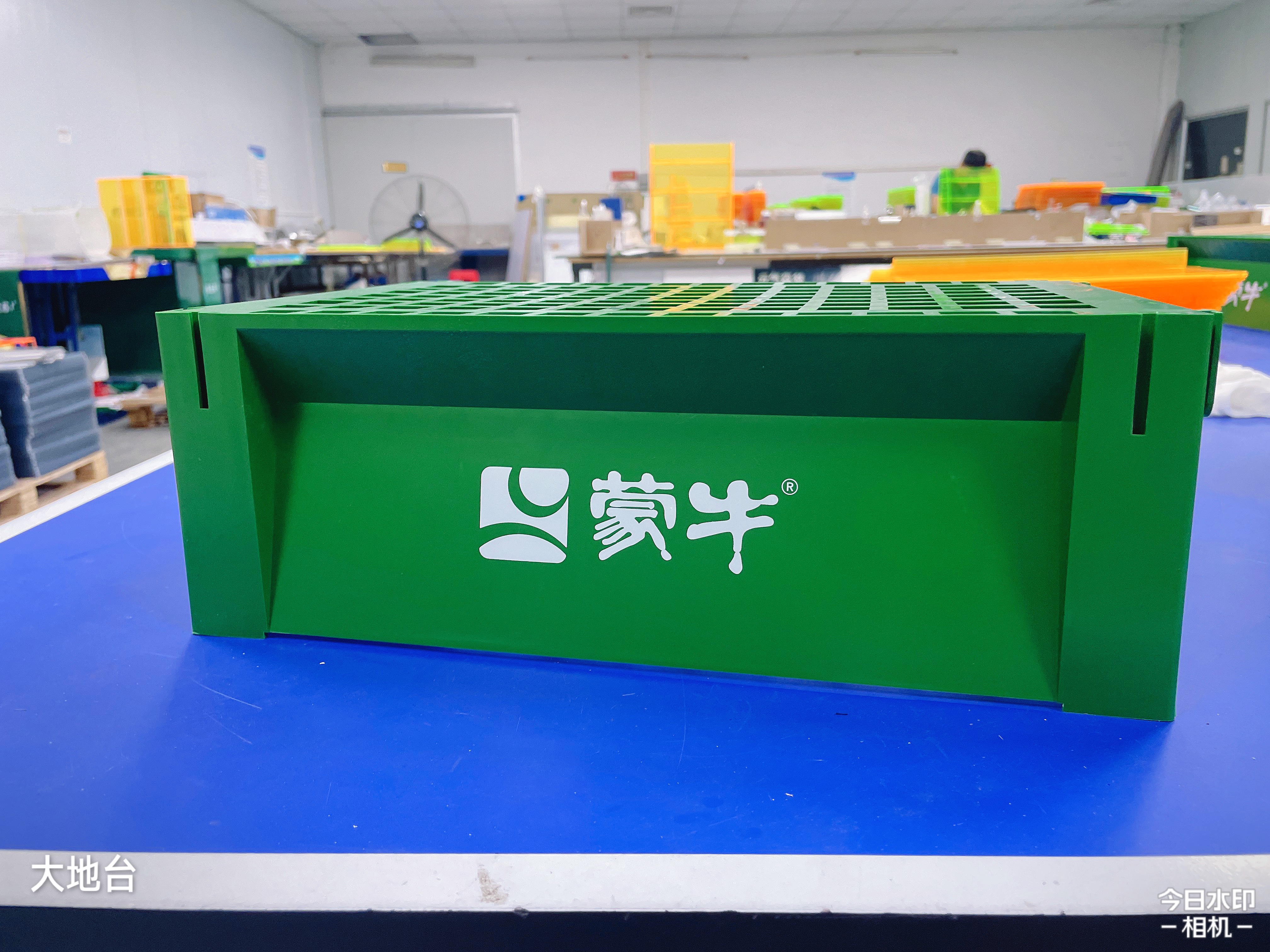
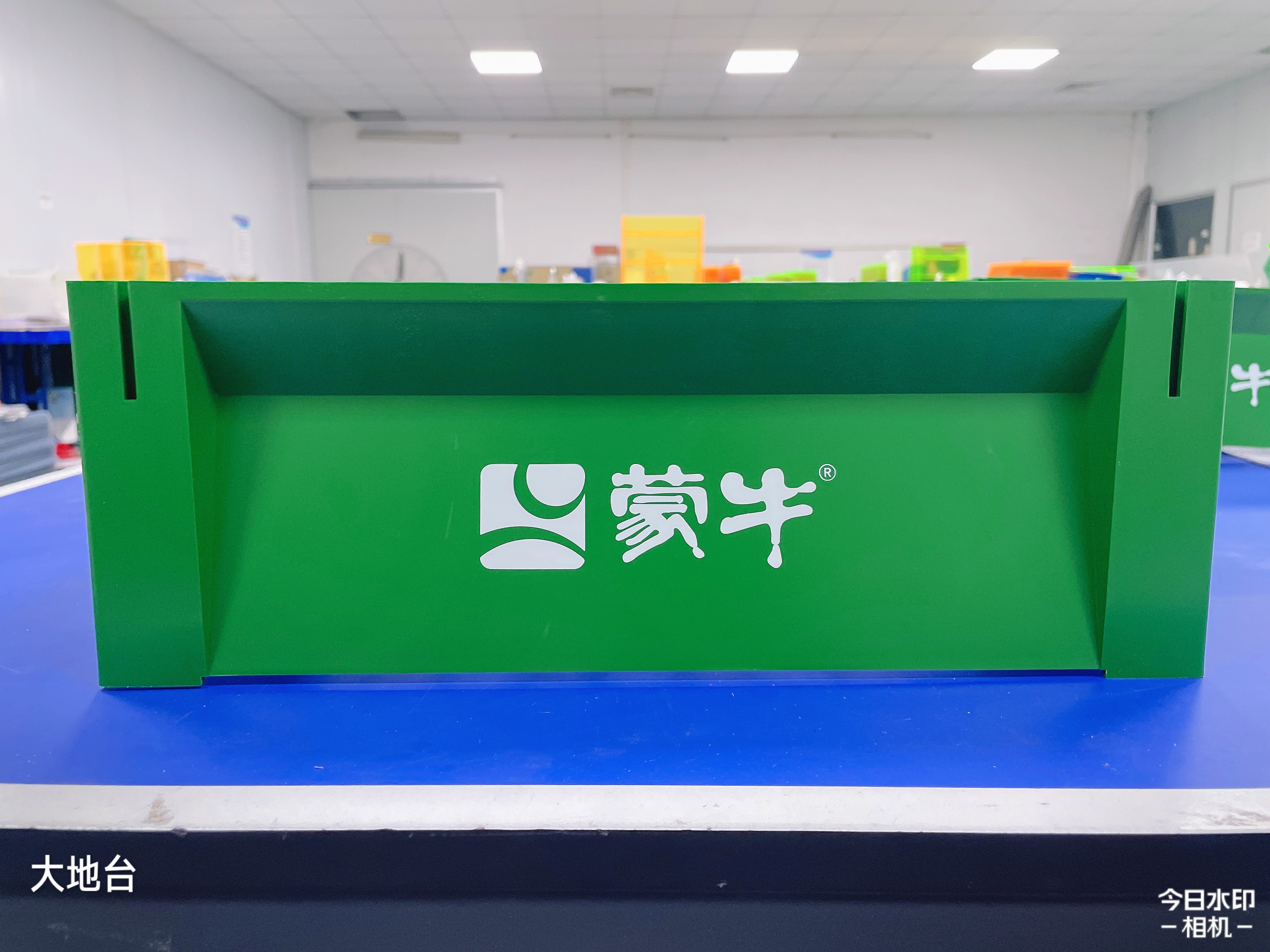
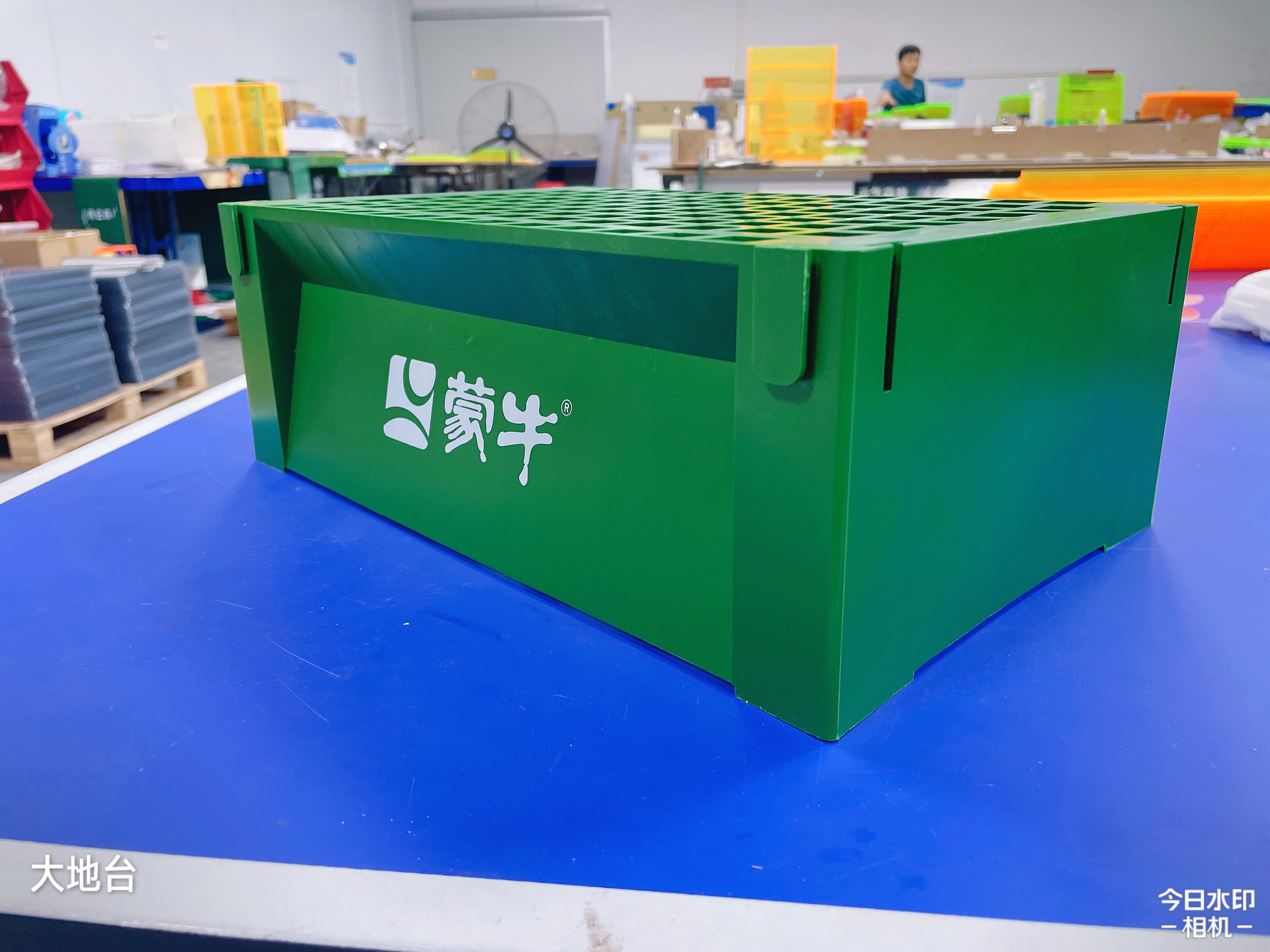
A retail floor display is a freestanding merchandising unit designed to present products at eye level and guide shoppers through a store. Unlike a basic shelf, a retail floor display can combine shelving, hooks, bins, signage, lighting, and digital screens in one organized structure. A retail floor display helps brands create a clear product zone without relying on permanent construction. The retail floor display may use steel, aluminum, wood, acrylic, or mixed materials to match a store's visual style. Each retail floor display supports practical tasks such as product placement, stock rotation, price communication, and promotional messaging. With a retail floor display, retailers can place new arrivals, seasonal goods, impulse items, or best sellers in high-traffic locations. This retail floor display can include adjustable shelves, lockable cabinets, wheels, cable channels, LED lighting, and touch or video screens. A retail floor display with digital technology can show product details, demonstrations, prices, QR codes, or campaign content that staff can update remotely. A retail floor display also creates a defined shopping path, helping customers compare related products without searching across several aisles. For stores, a retail floor display offers a flexible way to change layouts when campaigns, inventory levels, or customer preferences shift. Overall, the retail floor display suits supermarkets, department stores, specialty shops, showrooms, pharmacies, electronics retailers, and trade environments. Its modular construction supports different product sizes, while its visible position improves discovery and encourages interaction. Buyers can select a retail floor display based on footprint, load capacity, finish, screen needs, security level, and installation method. This makes the retail floor display a practical solution for both short-term promotions and long-term in-store merchandising.

Popular Products

The main advantage of a retail floor display is stronger product visibility. A retail floor display places selected merchandise where shoppers naturally look and move, giving important items more attention than products hidden on a standard shelf. A well-positioned retail floor display can shorten the path from product discovery to purchase because customers see the offer, message, and related items together. Retailers can use a retail floor display to promote limited offers, launch a new range, or increase sales of products with healthy margins. The retail floor display also supports fast layout changes. Staff can move shelves, replace graphics, or change digital content without rebuilding an entire store area. This saves labor and keeps promotions current. A mobile retail floor display with casters can move between departments, while a fixed version provides greater stability for heavier goods or permanent brand zones. For operations, the retail floor display can improve stock control by separating a campaign assortment from general inventory. Clear sections make replenishment easier and reduce time spent searching for products. Lockable storage, rear access, and durable surfaces can also protect merchandise and reduce routine maintenance. A retail floor display works for small stores because it uses vertical space efficiently, and it suits large chains because the same design can be reproduced across many locations. Digital options add useful buyer value: screens can explain complex products, display several languages, collect leads, or direct shoppers to online information through a QR code. Before purchase, buyers should compare dimensions, weight limits, power requirements, screen brightness, assembly time, warranty coverage, and cleaning needs. The retail floor display should also match local safety rules and allow comfortable customer movement. Choosing the right retail floor display means balancing appearance, capacity, technology, budget, and expected campaign duration. This practical approach helps buyers avoid paying for features they will not use while ensuring the unit delivers measurable merchandising value.

Latest News

What factors determine acrylic display stands pricing?

24

Sep

What factors determine acrylic display stands pricing?

Acrylic display stands have become essential fixtures in retail environments, museums, trade shows, and commercial spaces where product visibility directly impacts sales and engagement. Understanding what drives the cost of acrylic display stands is ...
View More
From 3D CAD Concept to Mass Rollout: The 5 Stages of Custom POP Engineering

30

Oct

From 3D CAD Concept to Mass Rollout: The 5 Stages of Custom POP Engineering

Moving from a 3D concept to displays installed across many stores requires more than a polished design. The custom pop display manufacturing process links commercial goals, engineering decisions, physical validation, and production controls so that t...
View More
Metal Wire & Sheet Displays: Designing for Durability and Heavy FMCG Loads

30

Oct

Metal Wire & Sheet Displays: Designing for Durability and Heavy FMCG Loads

Designing metal and wire displays for heavy FMCG loads means planning for more than the product’s weight. A metal retail display rack must also cope with repeated restocking, customer contact, and uneven load distribution. A wire merchandising rack c...
View More
Knock-Down (KD) POP Displays: How to Cut Ocean Freight and CBM by 40%+

30

Oct

Knock-Down (KD) POP Displays: How to Cut Ocean Freight and CBM by 40%+

Knock-down (KD) design can help brands reduce the cubic volume shipped to retail, but a 40%+ reduction is a design target, not a universal outcome. Flat pack POP displays achieve savings by shipping components compactly and assembling them near the p...
View More

Get a Free Quote

Share your display requirements and our team will follow up with a suitable direction.
Company Name
Country/Region
Mobile
Email
WhatsApp
Name
Message
0/1000

retail floor display

Flexible Merchandising That Changes With Demand

Flexible Merchandising That Changes With Demand

A retail floor display gives stores a flexible platform for changing product stories throughout the year. The retail floor display can use adjustable shelves, peg hooks, baskets, dividers, and header panels, so one unit can support different package shapes and product quantities. A retail floor display can present snacks during a seasonal campaign, then switch to personal care items or accessories with minimal downtime. This flexibility helps retailers respond to sales data rather than committing to a fixed layout. The retail floor display also makes testing easier. Staff can place a new range in a visible location, compare customer response, and adjust the arrangement without moving permanent fixtures. For brands, a retail floor display creates a consistent presentation across several branches while still allowing local teams to adapt stock levels. The result is better use of floor space, faster campaign setup, and a clearer connection between product selection and shopper demand. Buyers gain a reusable asset instead of a single-purpose promotional stand.
Digital Features That Improve Product Communication

Digital Features That Improve Product Communication

A retail floor display can combine physical presentation with digital communication, giving shoppers information at the moment they consider a purchase. A retail floor display may include an LCD screen, media player, touch interface, QR code panel, or LED strip that highlights selected products. With a retail floor display, brands can show demonstrations, comparison charts, usage instructions, customer reviews, and time-sensitive offers without printing new signs for every change. A retail floor display with remote content control can help a chain update several locations from one system, reducing travel and manual replacement work. Sensors can also trigger content when a shopper approaches, although buyers should select this feature only when the expected benefit justifies the added cost. The retail floor display remains useful even when the screen is inactive because shelves and signage continue to present merchandise. This combination supports products that need explanation, including electronics, cosmetics, appliances, health goods, and premium food. Customers receive clearer guidance, while staff spend less time answering routine questions.
Durable, Secure Construction For Daily Retail Use

Durable, Secure Construction For Daily Retail Use

A retail floor display built for daily use protects its appearance and function in busy commercial spaces. The retail floor display can use powder-coated metal, reinforced panels, impact-resistant acrylic, tempered glass, and stable base plates to handle frequent contact and regular restocking. A retail floor display with lockable cabinets or secured hooks helps reduce loss when it presents valuable electronics, cosmetics, tools, or small accessories. The retail floor display should also provide smooth edges, balanced weight distribution, and reliable anchoring to support safe customer interaction. Good cable management keeps power leads away from walkways and gives the installation a cleaner finish. The retail floor display can include replaceable graphics and serviceable lighting, allowing retailers to refresh branding without replacing the full structure. This lowers long-term ownership cost and reduces waste from short-lived promotional materials. For buyers, durability matters because a unit that remains attractive through repeated campaigns protects brand presentation and avoids frequent repair expenses. The retail floor display is therefore suitable for supermarkets, malls, airports, showrooms, pharmacies, and other locations where reliability, security, and visual quality must work together.
Newsletter
Please Leave A Message With Us