 EN
EN

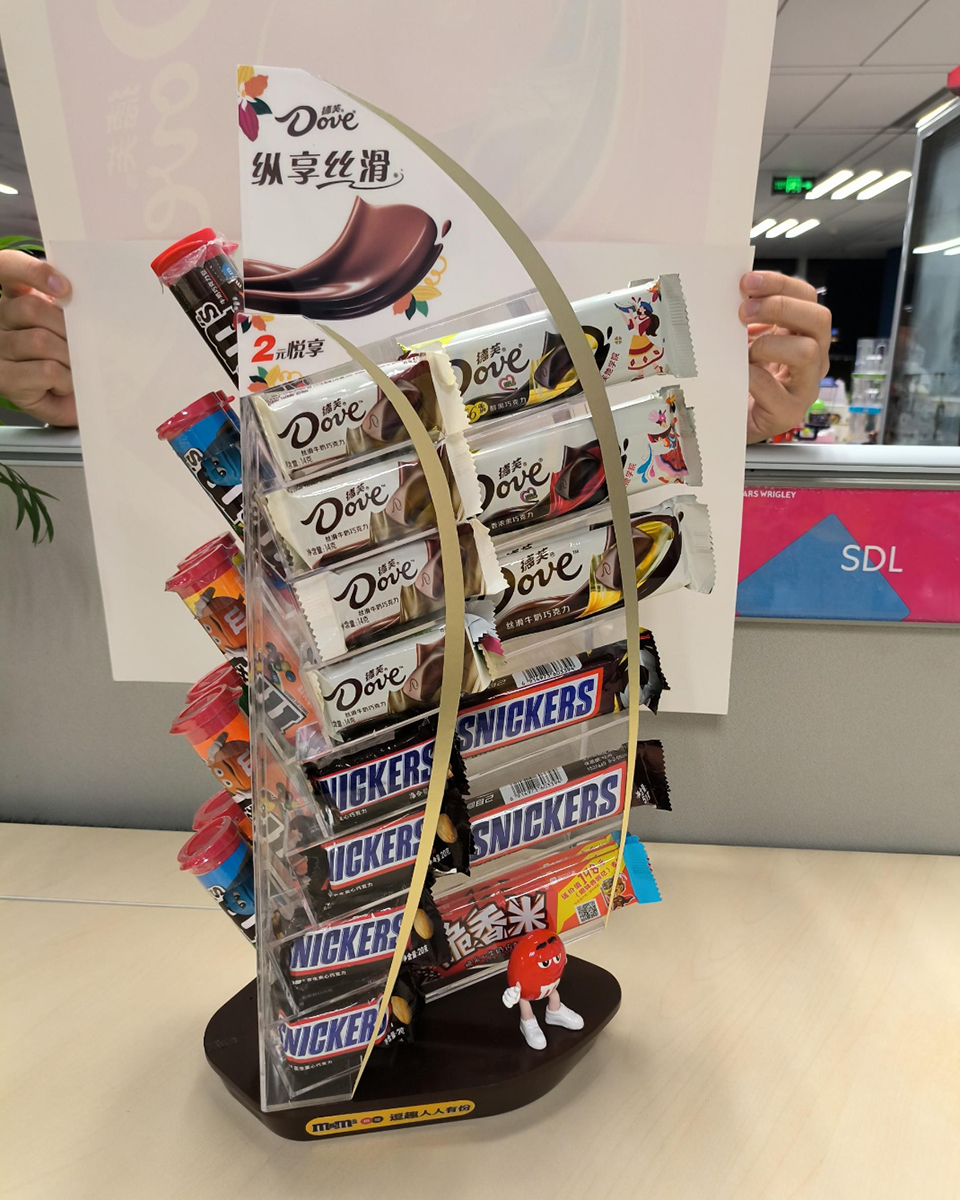
Choosing the right chocolate display for your retail environment requires careful evaluation of durability factors that directly impact both product presentation and long-term cost efficiency. A chocolate display must withstand constant handling, temperature fluctuations, weight distribution, and the wear patterns typical of high-traffic retail settings. Understanding how to properly evaluate chocolate display durability ensures that your investment protects merchandise while maintaining visual appeal throughout its operational lifespan. This comprehensive guide walks you through the critical assessment criteria that separate durable chocolate display solutions from those that fail prematurely.
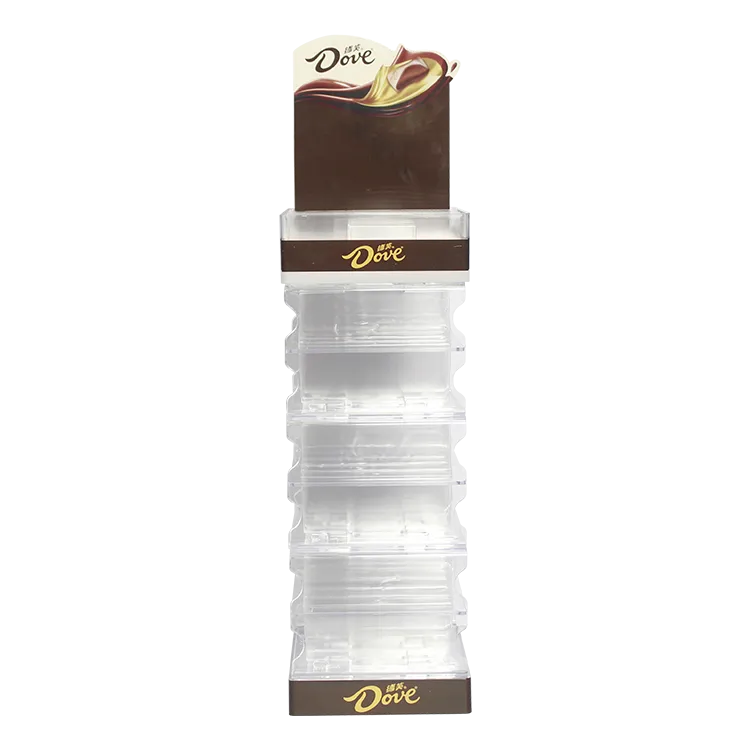
A durable chocolate display begins with understanding material composition and structural engineering. Retail environments present unique challenges where a chocolate display experiences repeated contact from customers, employees restocking merchandise, and environmental stressors like humidity and temperature changes. Evaluating durability means examining not just initial appearance but how well the chocolate display maintains structural integrity, surface finish, and load-bearing capacity over months and years of active use.
Material Composition and Structural Integrity
Plastic Material Quality and Resistance
The foundation of chocolate display durability lies in material selection. Premium injection-molded plastics, particularly rigid polystyrene and specialized polypropylene compounds, provide the structural foundation for a reliable chocolate display. When evaluating a chocolate display, examine whether the material resists impact, flexing, and stress concentration points where shelves meet vertical supports. Quality plastics used in a chocolate display resist cracking under load and maintain their molecular integrity even when exposed to temperature fluctuations common in retail spaces. Look for materials specifically formulated to resist UV degradation, which extends the functional lifespan of any chocolate display in store environments with fluorescent or LED lighting.
Joint Construction and Reinforcement
The durability of a chocolate display depends significantly on how component connections are engineered. Stress points in a chocolate display typically occur where shelves connect to uprights, where base supports attach to the frame, and where modular sections join together. Effective chocolate display construction incorporates reinforced corner blocks, strategic ribbing patterns molded into plastic sections, and precision-engineered socket connections that distribute load forces evenly. These design features prevent the common failure pattern where a chocolate display gradually loosens, shifts, or develops permanent deformation after months of use. Examine how a chocolate display manages repetitive assembly and disassembly, as this cycle significantly affects long-term durability.
Load Capacity and Weight Distribution Analysis
Maximum Load Ratings and Margin of Safety
Every chocolate display must carry merchandise weight without structural failure or visible sagging. When evaluating a chocolate display, verify manufacturer specifications for per-shelf load capacity and confirm these ratings account for uneven distribution common in actual retail use. A properly engineered chocolate display includes sufficient safety margin beyond stated maximum capacity, ensuring that temporary overloading during restocking or customer handling does not compromise integrity. Test specifications should demonstrate how a chocolate display performs under dynamic loading conditions rather than static weight tests alone. A durable chocolate display maintains shelf flatness and structural alignment even when individual shelves approach their maximum rated capacity simultaneously.
Deflection Tolerance and Long-Term Deformation
Material deflection represents a critical durability measure for a chocolate display in active retail environments. Under load, any chocolate display experiences slight flexing, but excessive deflection creates visible sagging that undermines merchandise presentation and customer confidence. Evaluate whether a chocolate display's materials maintain dimensional stability over extended periods under constant load, as plastic can experience plastic deformation where temporary stress becomes permanent shape change. A quality chocolate display demonstrates minimal deflection recovery lag, meaning shelves return to their original position quickly after load removal. This property ensures that a chocolate display maintains visual alignment and prevents merchandise from shifting or becoming unstable during the sales cycle.
Environmental Resilience and Finish Durability
Temperature and Humidity Adaptation
Retail environments expose a chocolate display to temperature swings and humidity variations that stress materials and finishes. A durable chocolate display accommodates these fluctuations through material selection that resists warping, color fading, and surface deterioration. Chocolate displays in proximity to HVAC systems, refrigeration units, or exterior walls face accelerated environmental stress that rapidly reveals durability weaknesses in inferior designs. Quality chocolate display materials maintain their properties across temperature ranges from cool retail storage areas to warmer display zones without becoming brittle, excessively flexible, or discolored. When evaluating a chocolate display, inquire about testing protocols that confirm performance across realistic temperature and humidity ranges specific to your retail environment.
Surface Finish Preservation and Maintenance Requirements
The visible surface of a chocolate display undergoes constant contact stress that directly affects perceived quality and customer reception. A high-durability chocolate display maintains its finish despite frequent cleaning, product contact, and the accumulation of dust and retail residue. Evaluate whether the chocolate display surface resists staining, scuffing, and the dulling that occurs from repeated contact and cleaning protocols. Transparent chocolate display designs require special attention to scratch resistance and clarity preservation, as optical degradation becomes immediately visible to customers. The most durable chocolate display options feature seamless construction with minimal joints that trap debris, combined with finish formulations that withstand standard retail cleaning products without discoloration or surface damage.
Performance Validation and Long-Term Testing Data
Manufacturer Testing and Certification Documentation
Credible manufacturers provide detailed testing documentation demonstrating how a chocolate display performs under realistic conditions. When evaluating durability, request evidence of accelerated lifecycle testing where a chocolate display undergoes thousands of load cycles, temperature transitions, and stress simulations equivalent to years of actual retail use. Look for independent third-party testing results that validate chocolate display performance against industry standards for retail fixtures and point-of-purchase displays. A chocolate display backed by comprehensive testing data and certification demonstrates manufacturer confidence in durability claims. This documentation protects your investment by providing objective evidence of long-term performance rather than relying solely on product claims or limited warranty coverage.
Real-World Installation Performance and Customer Feedback
The most reliable durability indicator for a chocolate display comes from extended field performance in comparable retail environments. Request case studies or customer references documenting how a chocolate display performs across specific installation timeframes and usage intensities. A chocolate display that maintains structural integrity and visual appeal after 18-24 months of continuous retail use provides strong evidence of genuine durability. Customer feedback regarding maintenance requirements, unexpected failures, and longevity outcomes reveals durability factors that manufacturers might not emphasize. The most durable chocolate display options demonstrate consistent performance records across diverse retail settings rather than performing well only in controlled or low-traffic situations.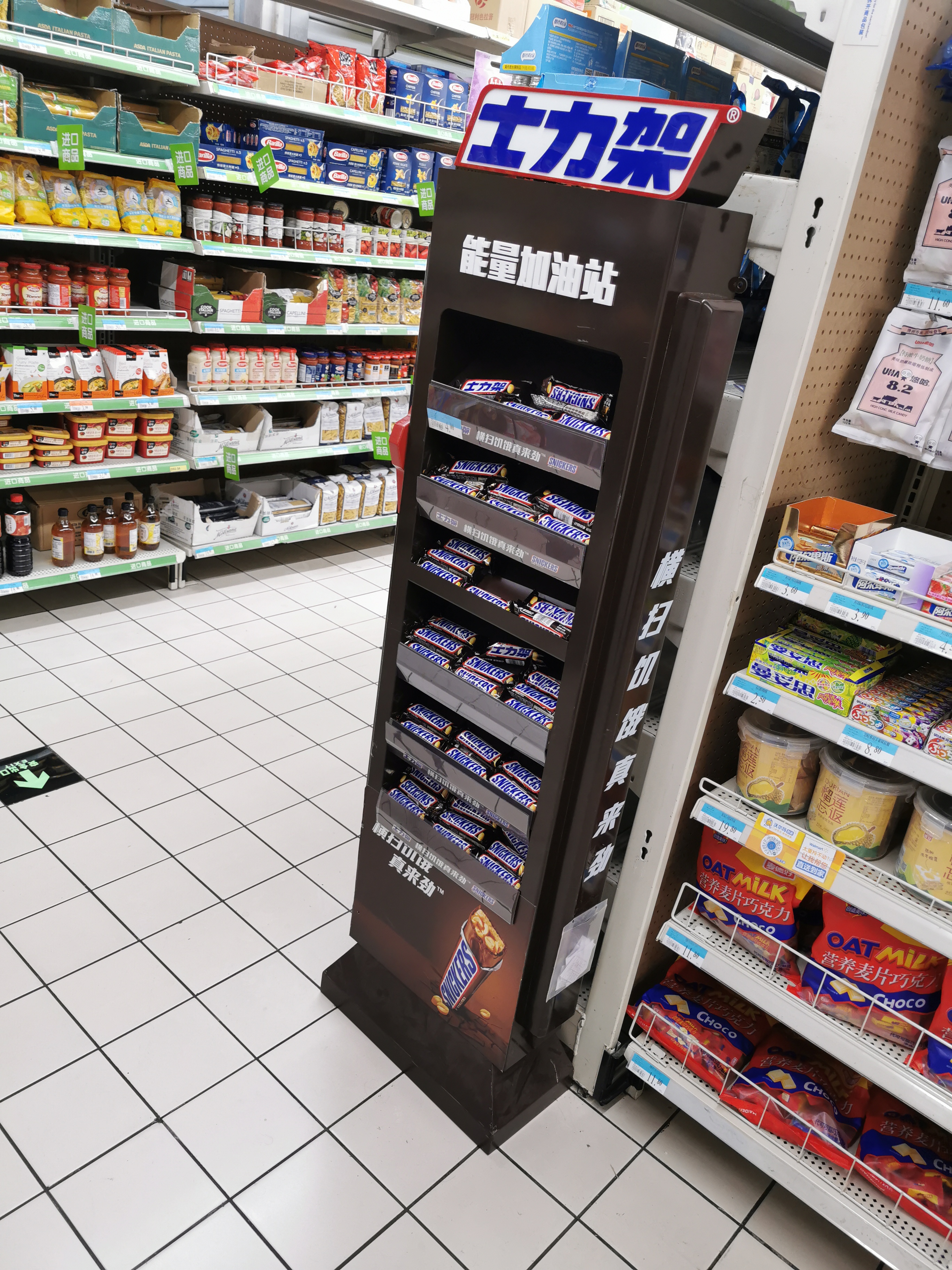
FAQ
What specific material properties should I prioritize when assessing chocolate display durability?
Focus on material rigidity, impact resistance, UV stability, and dimensional consistency under load. A durable chocolate display combines rigid plastic formulations that resist flexing, reinforced joint designs that prevent loosening, and surface treatments that maintain finish quality despite cleaning and contact. Verify that the chocolate display materials accommodate temperature fluctuations without warping or becoming brittle, and confirm that stress points feature engineering reinforcement rather than simple intersections.
How can I determine if a chocolate display will remain level and stable over time?
Request documentation of deflection testing results and long-term load-hold specifications for the chocolate display. A quality chocolate display demonstrates minimal permanent deformation after sustained loading and quick recovery to original dimensions after temporary loads are removed. Ask manufacturers whether the chocolate display design includes compensation features for material relaxation and whether modular connection systems maintain alignment over extended periods without readjustment.
What environmental factors most significantly impact chocolate display durability in typical retail settings?
Temperature fluctuations, humidity levels, and exposure to retail lighting create the primary environmental stresses on a chocolate display. A durable chocolate display accommodates these variations through material selection that resists warping and discoloration, combined with finishes that withstand cleaning products and contact without degradation. Environmental challenges intensify near HVAC systems, exterior walls, or refrigeration equipment, so position your chocolate display away from these stress zones when possible and verify that material choices support your specific retail environment conditions.