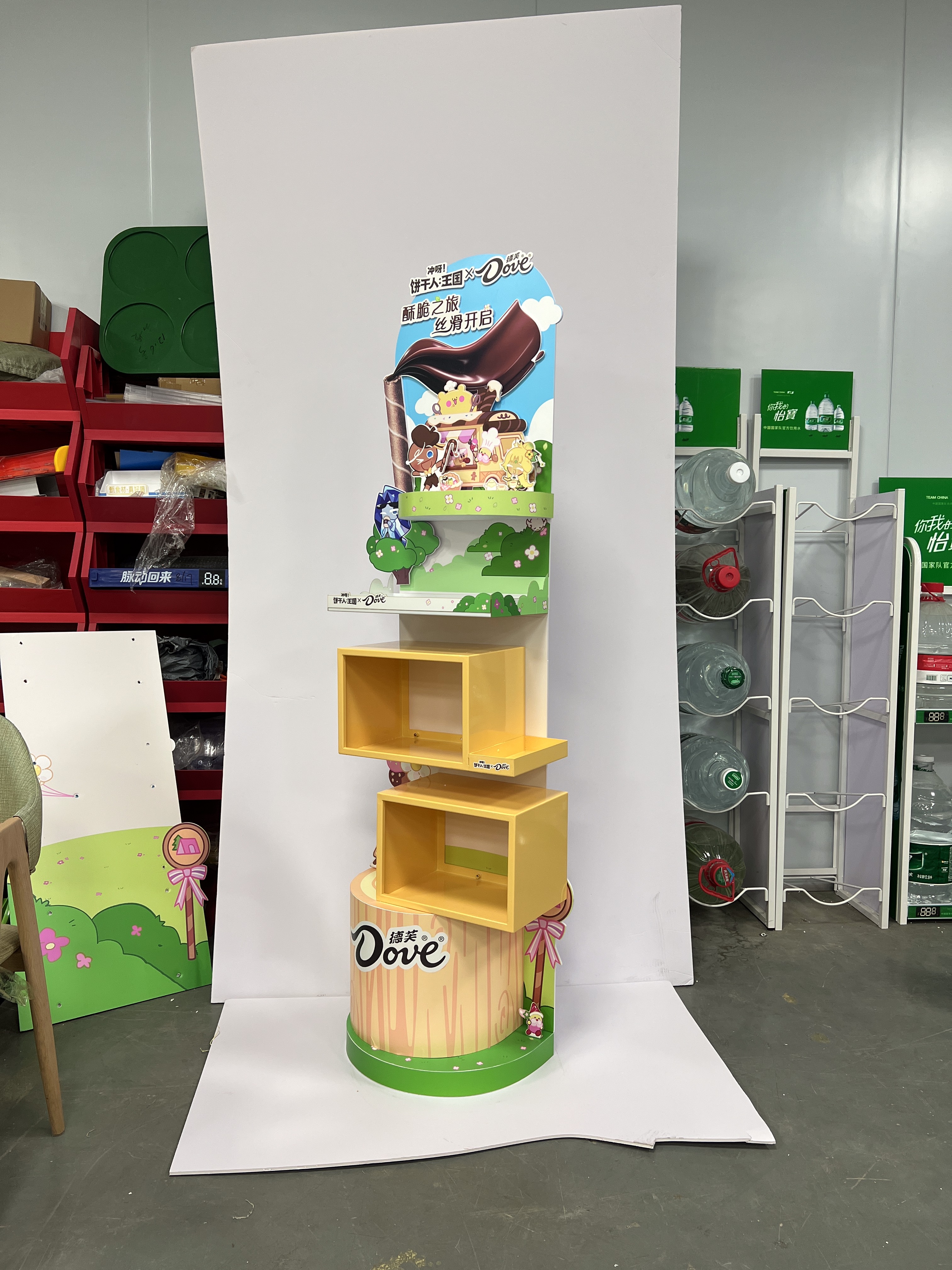
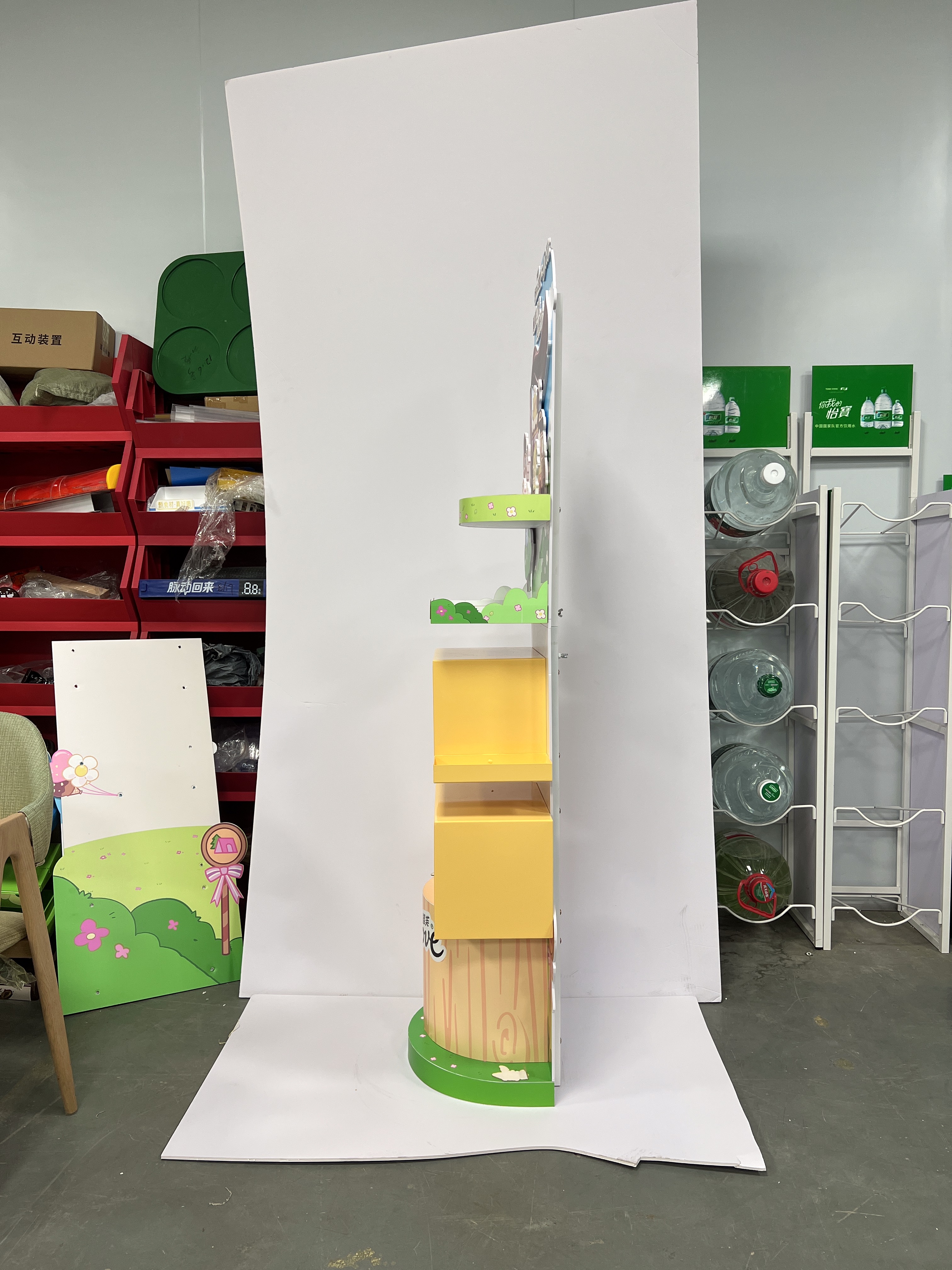
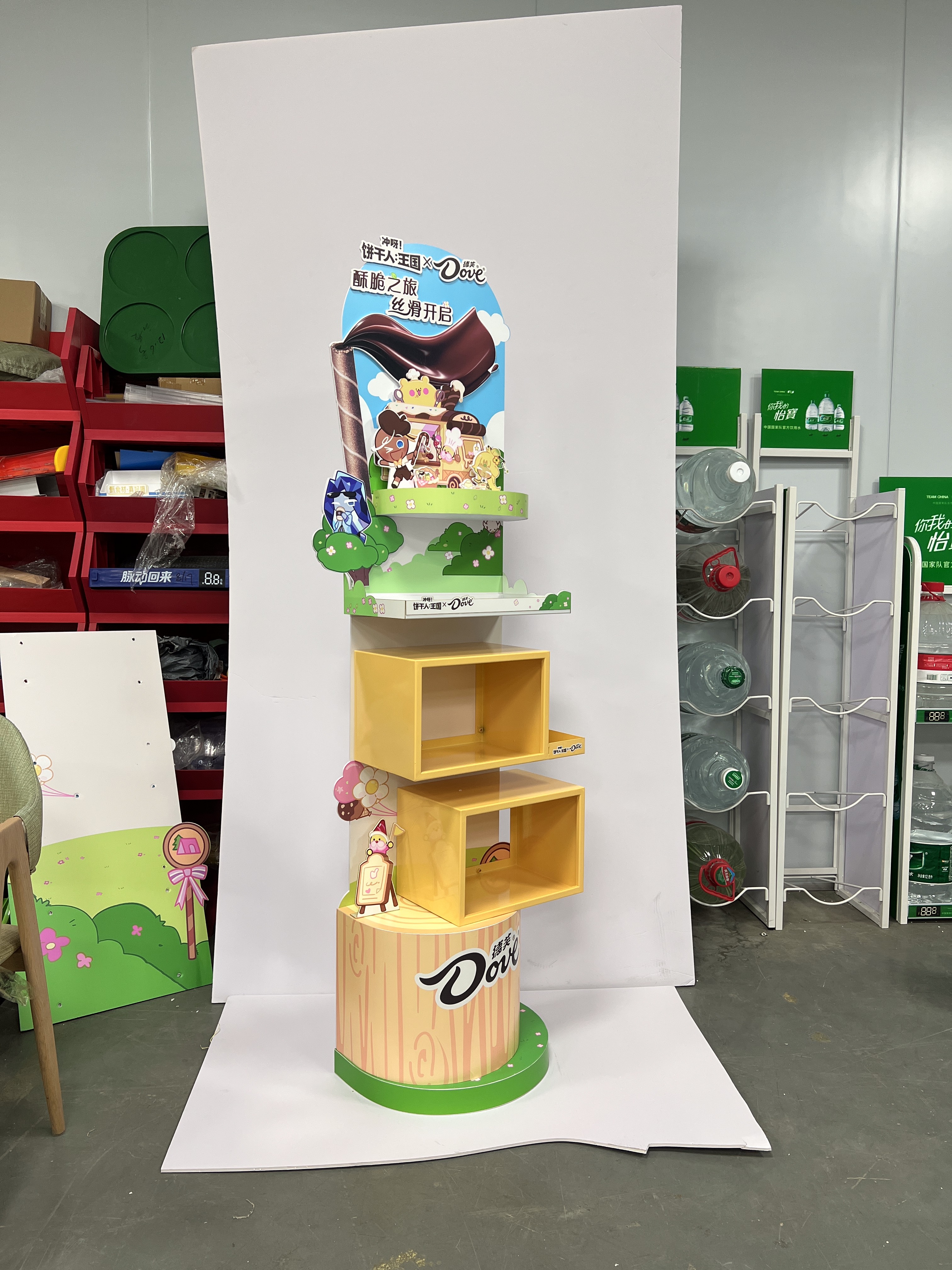
Custom Retail Display Design Solutions: Premium Merchandising Systems for Modern Retailers

Get a Free Quote

Our representative will contact you soon.
Email
Name
Company Name
Mobile/WhatsApp
Message
0/1000

custom retail display design

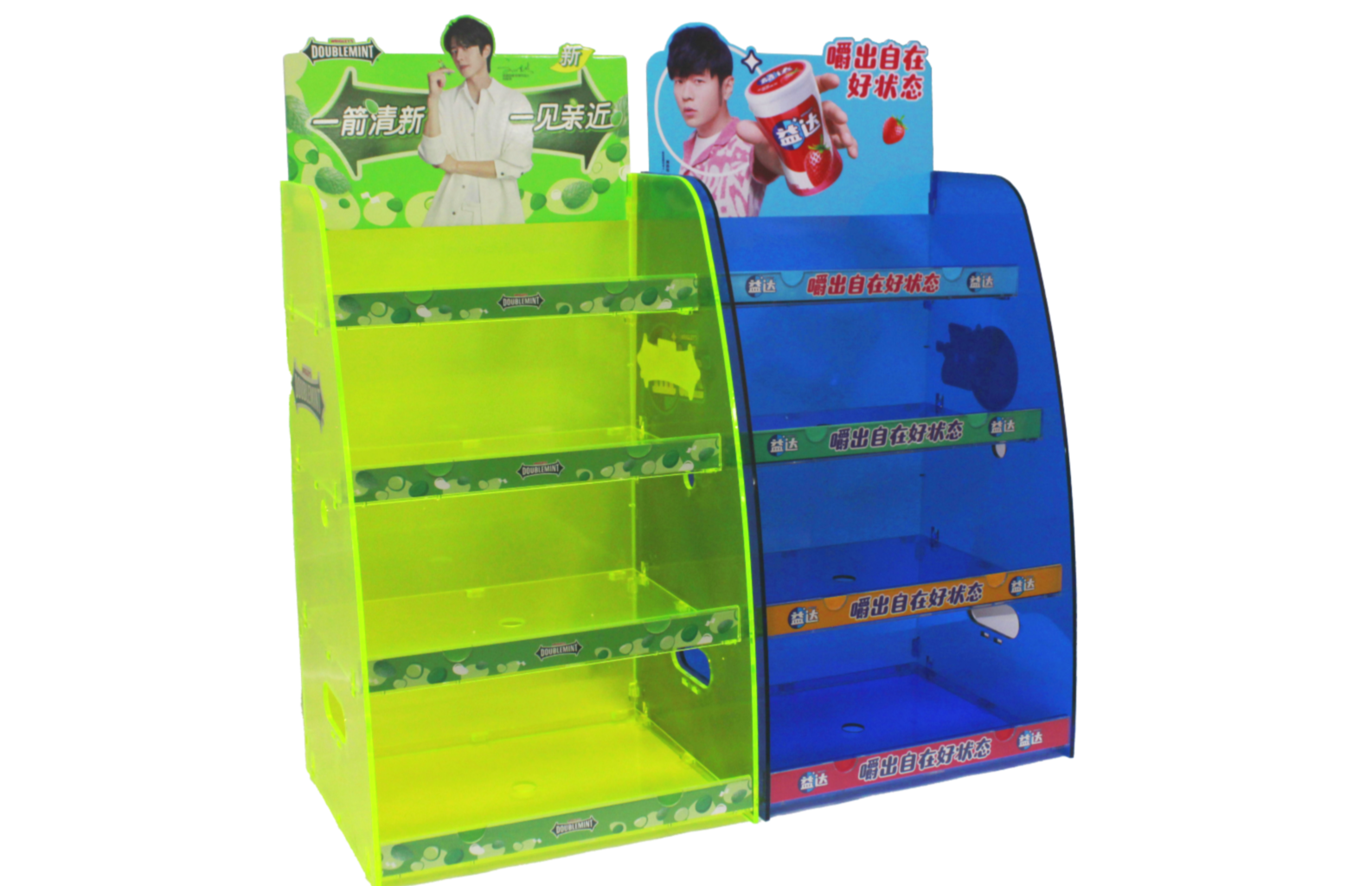
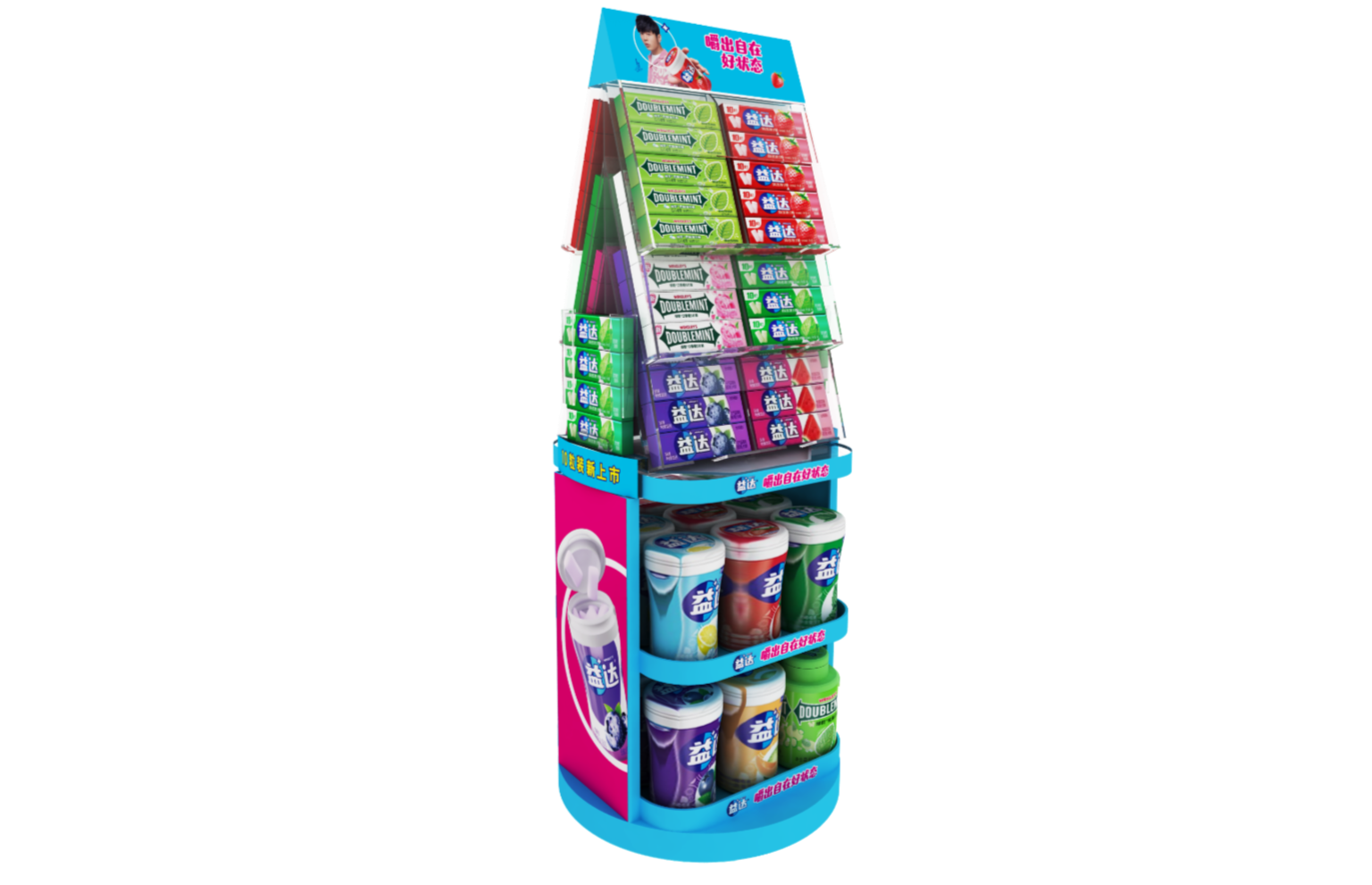
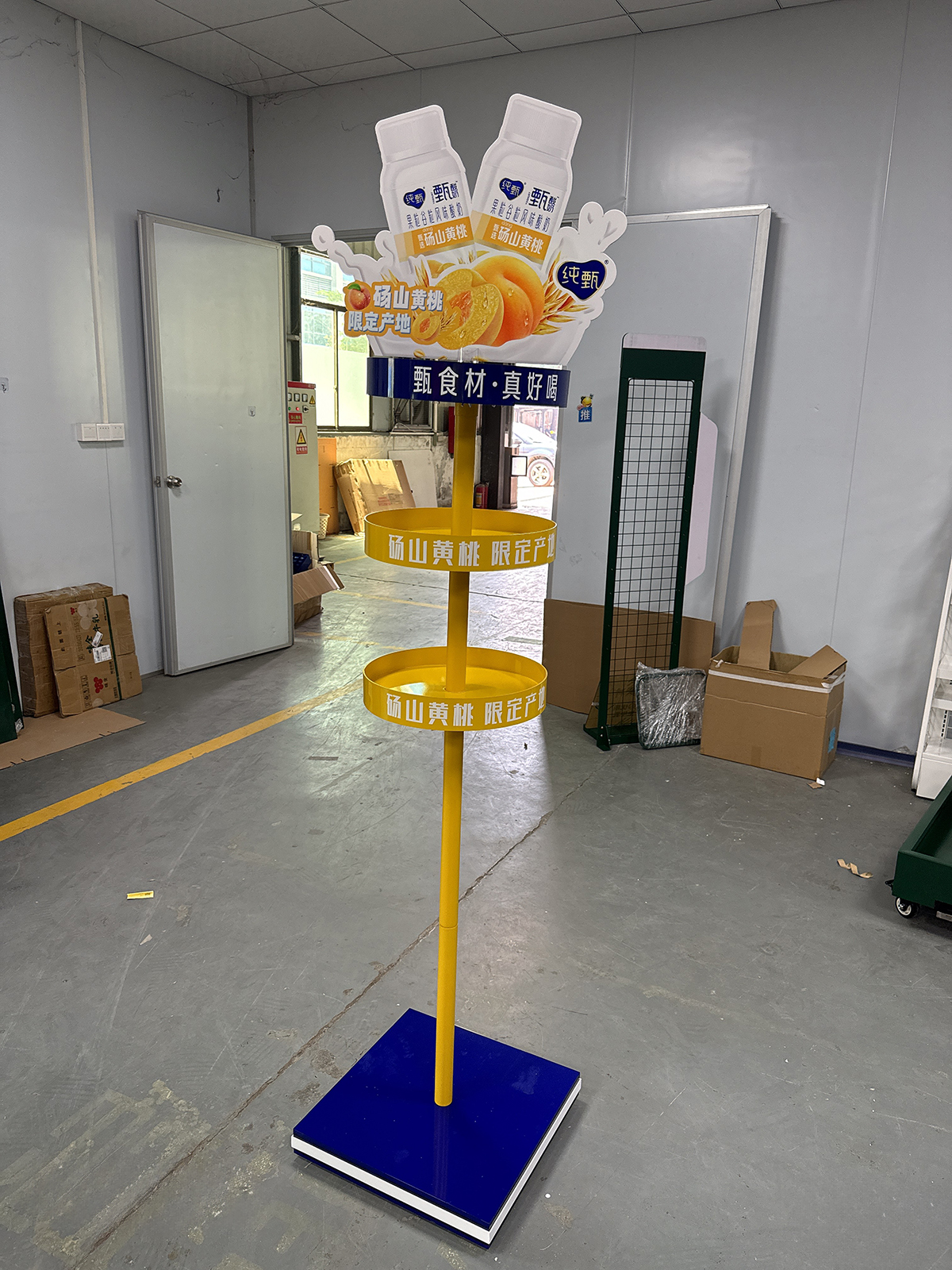
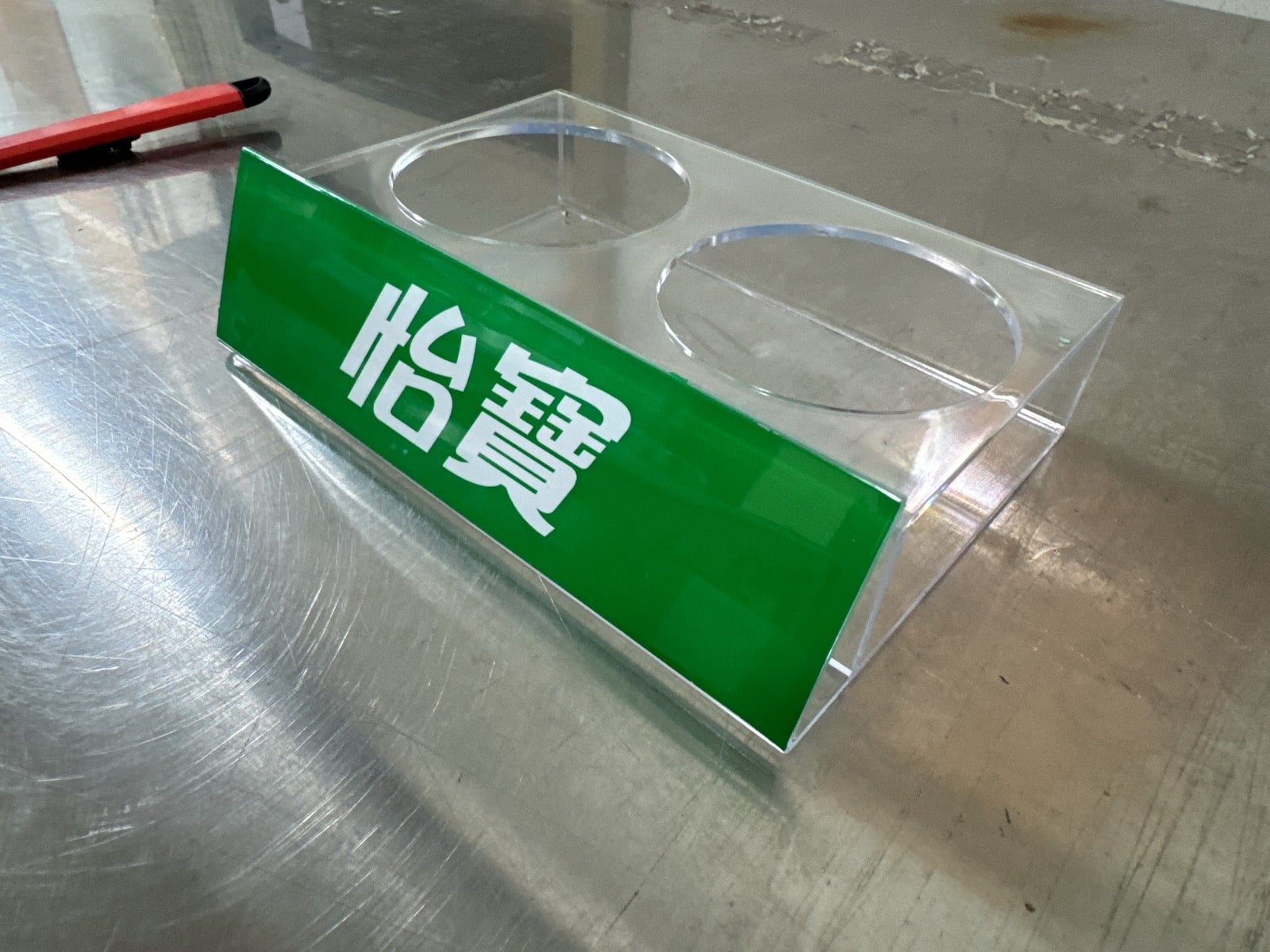
Custom retail display design represents a specialized approach to creating unique, brand-specific merchandising solutions that transform the shopping experience for consumers while maximizing sales potential for retailers. These bespoke display systems are meticulously crafted to meet specific dimensional requirements, aesthetic preferences, and functional needs of individual businesses, making them far more effective than generic, off-the-shelf alternatives. The primary functions of custom retail display design encompass product presentation, brand storytelling, customer engagement, and space optimization within retail environments. These displays serve as silent salespeople, guiding customer attention toward featured products while reinforcing brand identity through carefully selected materials, colors, and structural elements. Technological features integrated into modern custom retail display design include LED lighting systems, interactive digital screens, motion sensors, and smart inventory tracking capabilities. Advanced manufacturing techniques such as precision laser cutting, CNC machining, and 3D printing enable the creation of complex geometries and intricate details that would be impossible to achieve through traditional methods. Materials selection plays a crucial role, with options ranging from sustainable bamboo and recycled plastics to premium metals and high-grade acrylics, each chosen for durability, visual impact, and environmental considerations. Applications for custom retail display design span across multiple industries, including fashion boutiques, electronics stores, cosmetics retailers, grocery chains, and specialty shops. These displays can be adapted for various purposes such as product launches, seasonal promotions, permanent installations, or temporary pop-up events. The design process typically involves consultation with retail experts, 3D modeling and prototyping, material testing, and iterative refinement to ensure optimal performance. Custom retail display design solutions can accommodate specific weight requirements, security features, and accessibility standards while maintaining aesthetic appeal and functional efficiency.

New Product Releases

Custom retail display design offers numerous compelling advantages that directly impact business performance and customer satisfaction in measurable ways. First and foremost, these tailored solutions provide perfect brand alignment by incorporating specific colors, logos, fonts, and design elements that reinforce company identity throughout the retail space. This consistency builds stronger brand recognition and customer loyalty, ultimately driving repeat purchases and word-of-mouth referrals. Space optimization represents another significant benefit, as custom retail display design maximizes every square inch of available floor and wall space through precise measurements and strategic placement. Unlike standard displays that may leave awkward gaps or fail to utilize vertical space effectively, custom solutions ensure seamless integration with existing store layouts and architectural features. Enhanced product visibility stands as a primary advantage, with displays engineered to showcase merchandise from optimal viewing angles using appropriate lighting, elevation, and positioning techniques. This improved presentation leads to increased product interaction and higher conversion rates as customers can better examine and appreciate featured items. Cost effectiveness emerges over time through superior durability and longevity compared to mass-produced alternatives that require frequent replacement or repair. Custom retail display design utilizes premium materials and construction methods that withstand heavy use, reducing long-term maintenance expenses and replacement costs. Flexibility represents a crucial advantage for retailers who need to adapt their displays for different products, seasons, or promotional campaigns. Modular components and adjustable features allow quick reconfiguration without requiring entirely new displays. Customer engagement increases significantly through innovative design elements that create memorable shopping experiences, encouraging longer store visits and larger purchase amounts. Security features can be seamlessly integrated into custom retail display design, protecting valuable merchandise while maintaining aesthetic appeal. Analytics capabilities built into modern displays provide valuable data about customer behavior, product performance, and optimal placement strategies. Environmental sustainability becomes achievable through careful material selection and design for disassembly, supporting corporate social responsibility goals while appealing to environmentally conscious consumers.

Practical Tips

Quality and Reliability: Key Questions to Ask Your Potential POP Displays Supplier

27

Jan

Quality and Reliability: Key Questions to Ask Your Potential POP Displays Supplier

Selecting the right POP displays supplier is one of the most critical decisions retailers and brand managers face when implementing point-of-purchase marketing strategies. The quality and reliability of your display partner directly impacts your bran...
View More
2026 Top Floor Display Stands: A Buyer's Complete Guide

27

Jan

2026 Top Floor Display Stands: A Buyer's Complete Guide

Floor display stands have become essential fixtures in retail environments, trade shows, and commercial spaces across industries. As businesses seek to maximize product visibility and create compelling customer experiences, choosing the right display...
View More
2026 Best Countertop Display Racks: Top 10 Buyer's Guide

03

Feb

2026 Best Countertop Display Racks: Top 10 Buyer's Guide

Retail environments demand effective merchandise presentation solutions that maximize visibility while conserving valuable floor space. Modern countertop display racks serve as essential tools for retailers seeking to showcase products strategically ...
View More
Floor Display Rack Ideas to Boost Sales in Retail

03

Feb

Floor Display Rack Ideas to Boost Sales in Retail

Retail success often hinges on strategic product placement and visual merchandising techniques that capture customer attention. A well-designed floor display rack serves as a powerful tool to showcase products effectively, increase visibility, and dr...
View More

Get a Free Quote

Our representative will contact you soon.
Email
Name
Company Name
Mobile/WhatsApp
Message
0/1000

custom retail display design

Precision Engineering Meets Aesthetic Excellence

Precision Engineering Meets Aesthetic Excellence

The cornerstone of superior custom retail display design lies in the seamless fusion of precision engineering principles with sophisticated aesthetic design, creating displays that function flawlessly while captivating customers through visual appeal. This unique combination begins with advanced computer-aided design software that allows designers to model complex structures down to the millimeter, ensuring perfect fit within retail spaces while accommodating specific product dimensions and weight requirements. The engineering aspect encompasses structural integrity calculations, load distribution analysis, and material stress testing to guarantee displays can safely support merchandise over extended periods without sagging, warping, or failure. Sophisticated joint systems, reinforcement techniques, and quality fasteners contribute to long-lasting stability that maintains appearance and functionality even under heavy customer interaction. From an aesthetic perspective, custom retail display design incorporates color theory, visual hierarchy principles, and spatial relationships to guide customer attention naturally toward featured products. Lighting integration requires careful consideration of color temperature, beam angles, and shadow elimination to present merchandise in the most flattering way possible. Surface treatments such as powder coating, anodizing, or specialized finishes not only enhance visual appeal but also provide protection against scratches, fingerprints, and environmental factors. The manufacturing process involves state-of-the-art equipment including CNC machines, laser cutters, and precision welding systems operated by skilled craftspeople who understand both technical requirements and artistic vision. Quality control measures ensure every component meets exacting standards before assembly, with multiple inspection points throughout production to catch potential issues early. This meticulous attention to both form and function results in displays that not only showcase products effectively but also serve as impressive architectural elements that enhance the overall retail environment. The investment in precision engineering and aesthetic excellence pays dividends through reduced maintenance needs, extended lifespan, and consistently professional appearance that reflects positively on the brand image.
Adaptive Modularity for Dynamic Retail Environments

Adaptive Modularity for Dynamic Retail Environments

Modern retail environments demand flexibility to respond rapidly to changing merchandise, seasonal promotions, and evolving customer preferences, making adaptive modularity a critical feature of contemporary custom retail display design solutions. This innovative approach involves creating display systems with interchangeable components that can be reconfigured quickly without tools or specialized knowledge, enabling store staff to modify layouts efficiently based on current needs. The modular framework typically consists of standardized connection points, adjustable shelving systems, and removable panels that maintain structural integrity regardless of configuration. Advanced engineering ensures these connections remain secure under normal use while allowing easy disconnection when changes are required. Component standardization across different display units enables retailers to mix and match elements between various installations, maximizing versatility and reducing inventory requirements for spare parts. The design process for modular custom retail display systems requires extensive planning to anticipate future needs and ensure compatibility between different elements. Designers must consider weight distribution, stability, and visual coherence across all possible configurations while maintaining the distinctive brand aesthetic that makes the display recognizably unique. Material selection becomes particularly important in modular systems, with emphasis on durability at connection points where repeated assembly and disassembly occur. Special attention to edge protection, surface hardening, and wear-resistant coatings ensures components maintain their appearance and functionality over multiple reconfigurations. Documentation systems accompany modular displays, providing clear instructions and visual guides for proper assembly, safe reconfiguration procedures, and optimal product placement strategies. Digital planning tools may include augmented reality applications that allow staff to visualize different configurations before physical changes, reducing setup time and ensuring optimal results. The economic benefits of adaptive modularity extend beyond initial purchase cost to include reduced labor expenses for display changes, minimized storage requirements for seasonal components, and extended useful life through component replacement rather than complete system replacement.
Smart Technology Integration for Enhanced Performance

Smart Technology Integration for Enhanced Performance

The integration of intelligent technology systems into custom retail display design represents a transformative advancement that elevates traditional merchandising into sophisticated, data-driven marketing platforms capable of real-time optimization and customer engagement. These smart systems begin with embedded sensors that monitor customer interaction patterns, dwell times, and product selection behaviors, providing retailers with unprecedented insights into shopping preferences and display effectiveness. Advanced LED lighting systems respond automatically to ambient conditions and time of day, ensuring optimal product illumination while minimizing energy consumption through intelligent dimming and color temperature adjustment. Interactive touchscreen interfaces can be seamlessly incorporated into display structures, providing customers with detailed product information, styling suggestions, and inventory availability without requiring staff assistance. Digital signage capabilities allow for instant content updates, promotional messaging, and dynamic pricing displays that can be controlled remotely across multiple locations simultaneously. Near-field communication technology enables smartphone integration, allowing customers to access exclusive content, product videos, or special offers simply by approaching the display with their mobile device. Inventory management sensors track product levels automatically, sending alerts when restocking is needed and providing valuable data about product velocity and optimal placement strategies. Climate monitoring systems ensure sensitive merchandise remains in optimal conditions while alerting management to any environmental issues that could affect product quality. Security features include motion detection, tamper alerts, and discrete camera integration that protects valuable merchandise without compromising the aesthetic appeal of the display. Power management systems optimize energy usage through smart scheduling, automatic shutdown during non-business hours, and integration with building management systems for comprehensive energy efficiency. Data analytics platforms process all collected information to generate actionable insights about customer behavior, product performance, and display optimization opportunities. Maintenance monitoring capabilities track component performance and predict when service may be required, reducing downtime and ensuring consistent display appearance. The seamless integration of these technological elements requires careful planning during the design phase to ensure all systems work harmoniously while maintaining the visual appeal and brand consistency that makes custom retail display design so effective.
Custom Retail Display Design Solutions: Premium Merchandising Systems for Modern Retailers

Get a Free Quote

Our representative will contact you soon.
Email
Name
Company Name
Mobile/WhatsApp
Message
0/1000
Newsletter
Please Leave A Message With Us