 EN
EN

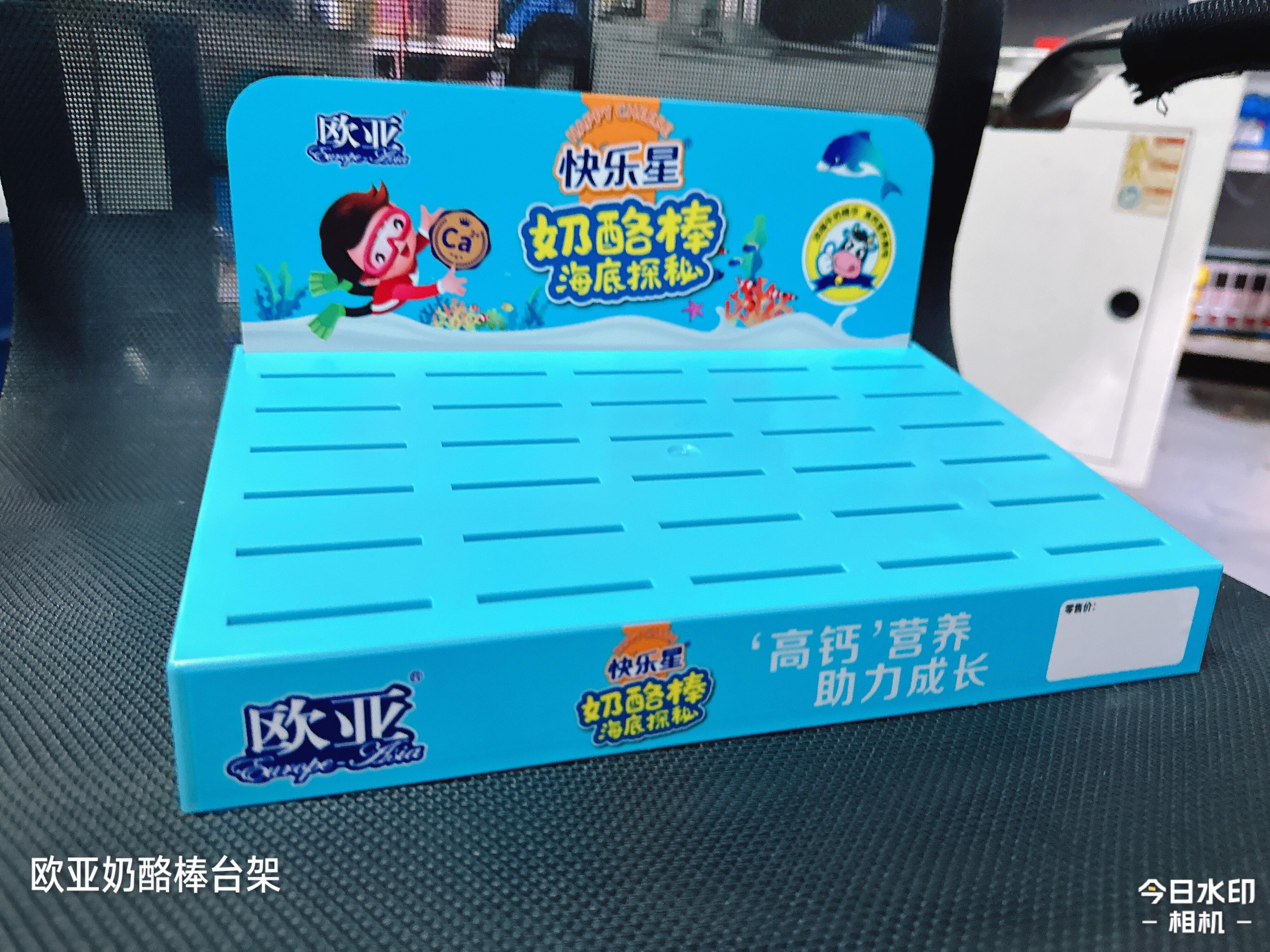
Understanding which factors determine effective retail display placement is essential for retailers seeking to maximize product visibility, customer engagement, and sales conversion. The strategic positioning of a retail display can significantly influence consumer purchasing behavior, often determining whether a product captures attention or remains overlooked. From traffic flow patterns to eye-level positioning, psychological triggers to competitive adjacencies, the science of retail display placement combines spatial analysis, consumer psychology, and merchandising strategy to create environments that drive commercial success.
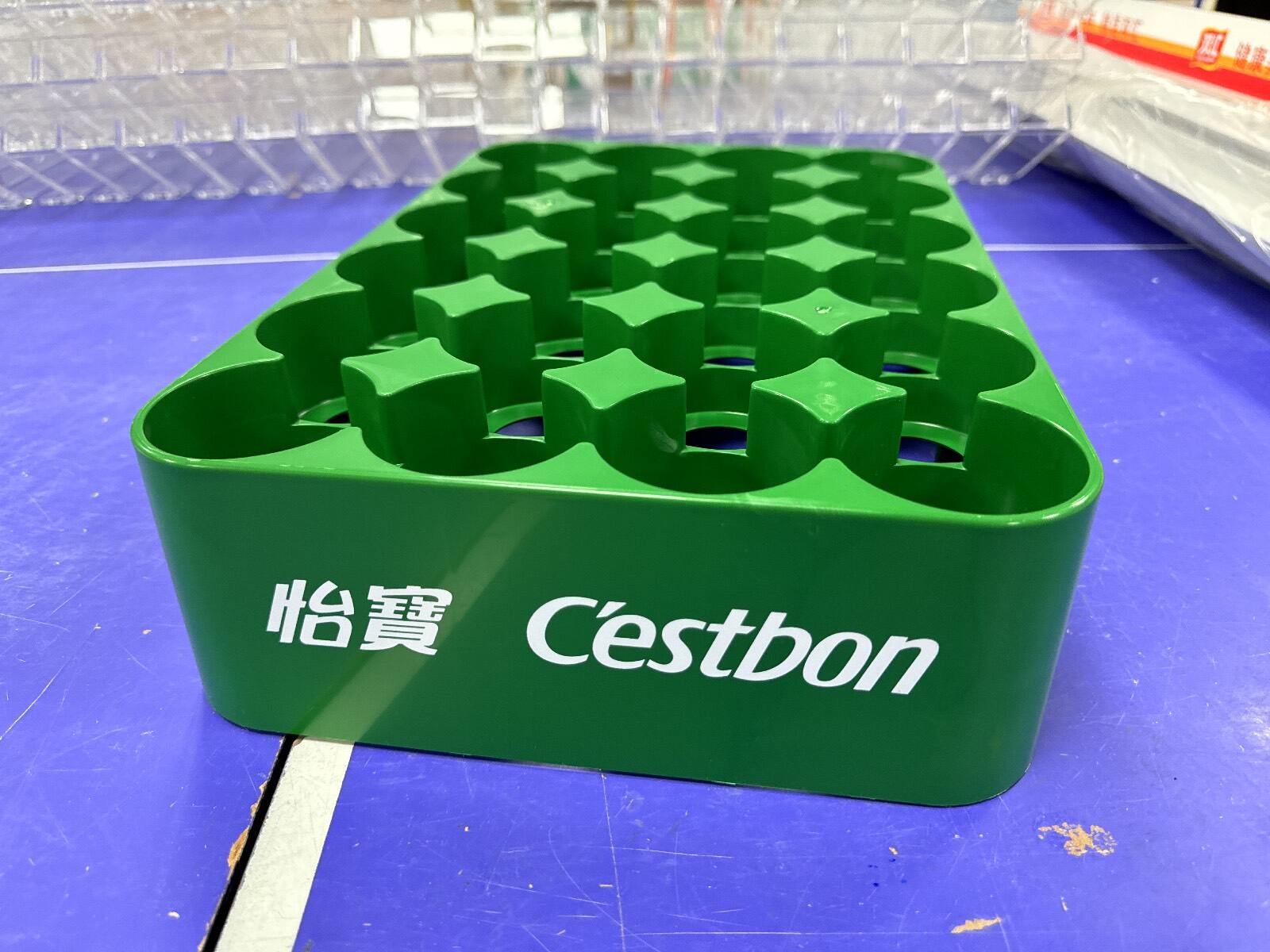
Retailers and merchandising professionals must evaluate multiple interconnected factors when determining optimal retail display placement, including store layout dynamics, shopper demographic profiles, product category characteristics, and seasonal purchasing patterns. The effectiveness of any retail display location depends on its ability to intersect with natural shopper movement, align with cognitive processing tendencies, and support the overall brand narrative within the physical retail environment. This comprehensive analysis explores the critical determinants that separate high-performing retail display placements from underutilized positions, providing actionable insights for merchandising teams, store planners, and brand managers navigating the competitive retail landscape.
Traffic Flow Patterns and High-Visibility Zones
Understanding Customer Movement Dynamics
The primary factor determining effective retail display placement involves analyzing how customers naturally move through the retail environment. Shoppers typically follow predictable traffic patterns influenced by store entrance positioning, aisle configuration, and destination category placement. Research consistently demonstrates that customers tend to move counterclockwise through stores, creating what merchandising experts call the "power wall" along the right side immediately after entry. A retail display positioned within these high-traffic zones receives exponentially greater exposure than fixtures placed in peripheral or dead-end locations. Store planners use heat mapping technology and observational studies to identify these golden zones where shopper density remains consistently high throughout operating hours.
The decompression zone near store entrances represents a critical consideration for retail display placement decisions. Customers need approximately five to fifteen feet of entry space to transition from the external environment, adjust to lighting changes, and orient themselves to the store layout. Placing a retail display too close to the entrance often results in shoppers walking past without registering the merchandise. Conversely, positioning displays just beyond this decompression zone, where customers have completed their environmental adjustment and begun active shopping mode, significantly increases engagement rates. Understanding these psychological transition phases enables retailers to time their merchandising interventions for maximum cognitive receptivity.
Strategic Positioning at Decision Points
Effective retail display placement capitalizes on natural decision points where shoppers pause, evaluate options, or change direction. These locations include aisle intersections, category transitions, checkout queue areas, and positions adjacent to destination categories that draw consistent traffic. When customers slow down or stop to make purchase decisions, their attention becomes available for secondary merchandising messages. A well-positioned retail display at these decision nodes can introduce complementary products, suggest impulse purchases, or reinforce brand presence during moments of heightened purchase consideration. The conversion effectiveness of displays increases dramatically when placement aligns with these naturally occurring pause points in the shopping journey.
End-cap positions and island fixtures within main traffic aisles represent premium retail display locations precisely because they intersect with primary shopper pathways from multiple directions. These placements benefit from omnidirectional visibility, allowing the retail display to capture attention regardless of approach angle. However, the effectiveness of these positions depends on maintaining adequate clearance around the fixture to prevent traffic bottlenecks while ensuring the display stands prominent enough to command visual attention. Retailers must balance the desire for high-impact positioning with practical considerations of customer flow efficiency and comfortable navigation space.
Eye-Level Positioning and Vertical Merchandising Hierarchy
The Science of Sight Lines and Visual Priority
Vertical positioning within the retail display structure represents another critical factor determining merchandising effectiveness. The principle that "eye level is buy level" reflects decades of consumer behavior research demonstrating that products positioned between forty-eight and sixty inches from the floor receive disproportionate attention and generate higher sales velocity. This optimal zone aligns with the natural sight line of average-height adults walking through retail spaces, requiring minimal head movement or visual search effort. A retail display designed with primary merchandising messages and featured products at this critical height level capitalizes on automatic visual processing, capturing attention before conscious evaluation begins.
The vertical hierarchy of retail display placement extends beyond simple eye-level positioning to encompass strategic product arrangement based on purchase priority and margin contribution. Premium products and high-margin items typically occupy the prime middle shelves, while promotional items, bulk offerings, or children-targeted products may be positioned lower. Upper shelves often house specialty items, stock-keeping units with established brand recognition, or products purchased by deliberate seekers rather than impulse buyers. This vertical stratification transforms the retail display into a three-dimensional communication tool where placement height signals product importance, price positioning, and target demographic. Merchandising teams that master this vertical language create displays that guide customer attention systematically through intended product hierarchies.
Demographic Considerations in Height Optimization
Effective retail display placement accounts for the specific demographic profile of the target customer base when determining optimal height positioning. Stores catering to elderly populations may lower prime merchandising zones to accommodate reduced mobility and comfort in bending. Retailers targeting families with children strategically position certain products at child eye level, recognizing the influence young shoppers exert on household purchasing decisions. Specialty retailers serving particular demographic segments adjust their retail display height standards accordingly, recognizing that the universal "eye level" principle requires contextual adaptation to maximize relevance for the actual shopping population.
The effective use of multilevel retail display structures allows merchandisers to address diverse demographic segments simultaneously while maximizing vertical space utilization. Tiered fixtures present different product assortments or messaging at various heights, creating multiple engagement opportunities within a single footprint. This approach proves particularly valuable in convenience stores and smaller format retailers where floor space limitations demand efficient vertical merchandising. However, success requires careful attention to visual balance, ensuring that vertical complexity enhances rather than overwhelms the shopping experience. The retail display must maintain clear focal points and intuitive navigation despite utilizing multiple height levels.
Product Category Characteristics and Adjacency Strategy
Category-Specific Placement Requirements
Different product categories demand distinct retail display placement strategies based on their purchase behavior characteristics. Impulse purchase categories such as confectionery, magazines, or small accessories achieve optimal performance near checkout areas where customers experience wait time and reduced purchase resistance. Destination categories that draw deliberate shopping trips can anchor more remote store locations, with their traffic-generating capability supporting secondary retail display placements along the approach path. Understanding whether a product represents a planned purchase, considered purchase, or impulse opportunity fundamentally shapes appropriate placement decisions within the retail environment.
The physical characteristics of products also influence ideal retail display placement. Heavy or bulky items typically require positioning near entrances or along perimeter walls where customers can access them early in their shopping journey and where floor reinforcement supports substantial weight. Fragile or high-value merchandise demands secure locations with adequate sight lines for loss prevention monitoring. Temperature-sensitive products must be placed near appropriate refrigeration infrastructure. These practical considerations intersect with traffic flow and visibility factors to define a narrower range of viable placement options for specific product types, requiring merchandisers to optimize within constraints rather than simply selecting the highest-traffic location.
Strategic Adjacency and Cross-Merchandising Logic
The effectiveness of retail display placement depends significantly on adjacency relationships with surrounding categories and fixtures. Strategic positioning near complementary products enables cross-merchandising opportunities that increase basket size and introduce customers to additional brand offerings. A retail display for beverage accessories placed adjacent to the drink cooler section capitalizes on existing purchase intent, suggesting logical add-on purchases during active category consideration. Similarly, positioning seasonal promotional displays near related permanent categories grounds the temporary merchandise within familiar shopping contexts, reducing customer search effort and increasing conversion probability.
Competitive adjacency represents another critical consideration in retail display placement decisions. Positioning a retail display immediately adjacent to direct competitors can either enhance or diminish effectiveness depending on brand strength, price positioning, and differentiation clarity. Dominant brands may benefit from competitive adjacency that facilitates direct comparison, while challenger brands might achieve better results through strategic separation that establishes independent consideration. Category management principles guide these placement decisions, balancing the efficiency of category consolidation against the strategic advantages of distinctive positioning for particular brands or product lines within the retail display architecture.
Psychological Triggers and Behavioral Design Elements
Leveraging Cognitive Shortcuts in Placement Strategy
Effective retail display placement exploits well-documented cognitive shortcuts and decision-making heuristics that influence consumer behavior. The primacy effect ensures that products encountered early in the shopping journey receive disproportionate attention and memory encoding, making entrance-proximate positions particularly valuable for new product introductions or brand-building campaigns. Conversely, the recency effect elevates the importance of checkout-adjacent retail display locations where products benefit from final consideration before purchase completion. Understanding these cognitive biases enables strategic placement that aligns merchandising objectives with natural mental processing tendencies.
The psychological principle of scarcity influences optimal retail display placement for limited-time offers and exclusive products. Positioning these items in prominent, high-visibility locations reinforces their special status while the physical separation from regular inventory visually communicates limited availability. This placement strategy amplifies the urgency messaging inherent in promotional campaigns, translating psychological triggers into spatial arrangements that drive accelerated purchase decisions. The retail display becomes not merely a product holder but a three-dimensional manifestation of the scarcity principle, using physical positioning to reinforce psychological motivators.
Sensory Engagement and Environmental Context
The sensory environment surrounding a retail display significantly impacts its effectiveness, making placement decisions inseparable from broader environmental design considerations. Positioning a retail display near pleasant sensory experiences such as bakery aromas, appealing lighting conditions, or comfortable temperature zones creates positive associations that enhance product appeal. Conversely, placement near negative sensory elements such as restroom entrances, harsh lighting, or high-noise areas diminishes merchandising effectiveness regardless of traffic volume. Sophisticated retailers conduct sensory mapping of their spaces to identify locations where environmental factors support rather than undermine merchandising objectives.
Lighting quality and direction represent particularly critical environmental factors in retail display placement effectiveness. Natural light from windows or skylights can dramatically enhance product presentation but may also create glare or uneven illumination that obscures merchandise. Artificial lighting must be considered in placement decisions, with displays positioned to maximize illumination quality while avoiding shadow patterns that diminish visibility. The interplay between retail display placement and lighting design creates the visual hierarchy that guides customer attention, making these elements inseparable components of effective merchandising strategy rather than independent considerations addressed by different functional teams.
Temporal Factors and Dynamic Placement Strategies
Seasonal Variations and Calendar-Driven Optimization
Effective retail display placement recognizes that optimal locations shift across seasonal cycles, promotional calendars, and evolving shopping patterns. Summer beverage displays achieve maximum effectiveness in high-traffic, temperature-warm zones, while winter comfort products perform better in locations that customers encounter after experiencing outdoor cold. Holiday-specific retail display placements must account for altered traffic patterns as destination categories shift and shopping missions change from routine replenishment to gift-seeking or entertaining preparation. Dynamic placement strategies that reallocate premium positions according to calendar relevance outperform static approaches that maintain consistent arrangements regardless of temporal context.
Back-to-school periods, holiday shopping seasons, and summer travel months each create distinct opportunity windows where specific retail display placements deliver outsized returns. Retailers that maintain flexible fixturing systems and adaptable merchandising plans can capitalize on these temporal opportunities through strategic repositioning that aligns product visibility with cyclical demand patterns. This dynamic approach requires sophisticated planning systems that anticipate placement needs months in advance while maintaining operational agility to respond to unexpected trends or weather patterns that shift consumer priorities. The retail display becomes a movable asset optimized continuously rather than a fixed installation evaluated annually.
Day-Part Variations and Operational Timing
Within daily operating cycles, retail display effectiveness varies according to time-of-day traffic patterns and shopper mission differences between day-parts. Morning shoppers often exhibit different category priorities and time pressures compared to evening browsers, suggesting that placement strategies might benefit from considering dominant day-part characteristics. Convenience stores experience distinct rush periods where impulse-driven retail display placements near checkout maximize grab-and-go purchases, while slower periods allow for more deliberative shopping where mid-store displays receive greater attention. Understanding these temporal patterns enables retailers to assess placement effectiveness more accurately and set realistic performance expectations based on when rather than merely where displays are positioned.
Restocking schedules and operational workflows also influence practical retail display placement decisions. Locations requiring frequent replenishment must balance visibility priorities against operational accessibility, ensuring that staff can efficiently maintain inventory levels without disrupting customer experience. High-velocity products in premium positions demand placement strategies that accommodate both maximum customer exposure and practical stock rotation requirements. The integration of operational considerations into placement strategy reflects the reality that retail display effectiveness depends not only on initial positioning but on sustained execution quality throughout the product lifecycle within that location.
FAQ
What single factor most significantly impacts retail display placement effectiveness?
While multiple factors contribute to retail display effectiveness, traffic flow patterns represent the most fundamental determinant of placement success. A retail display positioned within primary traffic pathways where customer density remains consistently high throughout operating hours will inherently receive greater exposure than fixtures in low-traffic zones, regardless of other optimization efforts. However, optimal placement results from balancing traffic volume with complementary factors including sight-line positioning, category adjacency logic, and demographic appropriateness rather than relying on any single variable in isolation.
How do retailers determine the best height for merchandise on a retail display?
Retailers establish optimal retail display height positioning through combination of ergonomic research indicating natural sight lines, demographic analysis of their specific customer base, and product hierarchy strategy that assigns vertical positions based on margin contribution and purchase priority. The standard principle positions primary merchandise between forty-eight and sixty inches from the floor to align with average adult eye level, but this baseline requires adjustment for stores serving predominantly elderly customers, families with children, or other demographic segments with distinct physical characteristics. Product testing and sales velocity analysis across different heights provide empirical validation of theoretical positioning principles.
Should promotional retail displays always be placed near store entrances?
Promotional retail display placement near entrances can be effective but is not universally optimal for all promotion types or retail formats. While entrance-proximate positions capture early attention and benefit from primacy effects in memory formation, they must be positioned beyond the decompression zone where customers transition into active shopping mode. Impulse-driven promotions often perform better near checkout areas where purchase resistance is lower, while promotions for planned-purchase categories may achieve superior results when placed within or adjacent to the permanent category location where customers actively seek those products. Effective promotional placement aligns position with promotion objectives and product characteristics rather than defaulting to entrance positioning.
How frequently should retailers reevaluate retail display placement strategies?
Comprehensive retail display placement strategy reviews should occur quarterly to align with seasonal transitions and promotional calendar cycles, while ongoing performance monitoring should happen continuously through sales data analysis and observational research. Major placement decisions involving permanent fixtures or category relocations warrant annual strategic review supported by customer traffic studies and competitive analysis. However, retailers maintaining flexible retail display systems benefit from more frequent tactical adjustments responding to product performance data, inventory availability changes, or emerging trends. The optimal review frequency balances the operational disruption of constant change against the opportunity cost of maintaining underperforming placements, typically resulting in a tiered approach where strategic positions receive more frequent evaluation than secondary locations.
Table of Contents
- Traffic Flow Patterns and High-Visibility Zones
- Eye-Level Positioning and Vertical Merchandising Hierarchy
- Product Category Characteristics and Adjacency Strategy
- Psychological Triggers and Behavioral Design Elements
- Temporal Factors and Dynamic Placement Strategies
-
FAQ
- What single factor most significantly impacts retail display placement effectiveness?
- How do retailers determine the best height for merchandise on a retail display?
- Should promotional retail displays always be placed near store entrances?
- How frequently should retailers reevaluate retail display placement strategies?