 EN
EN

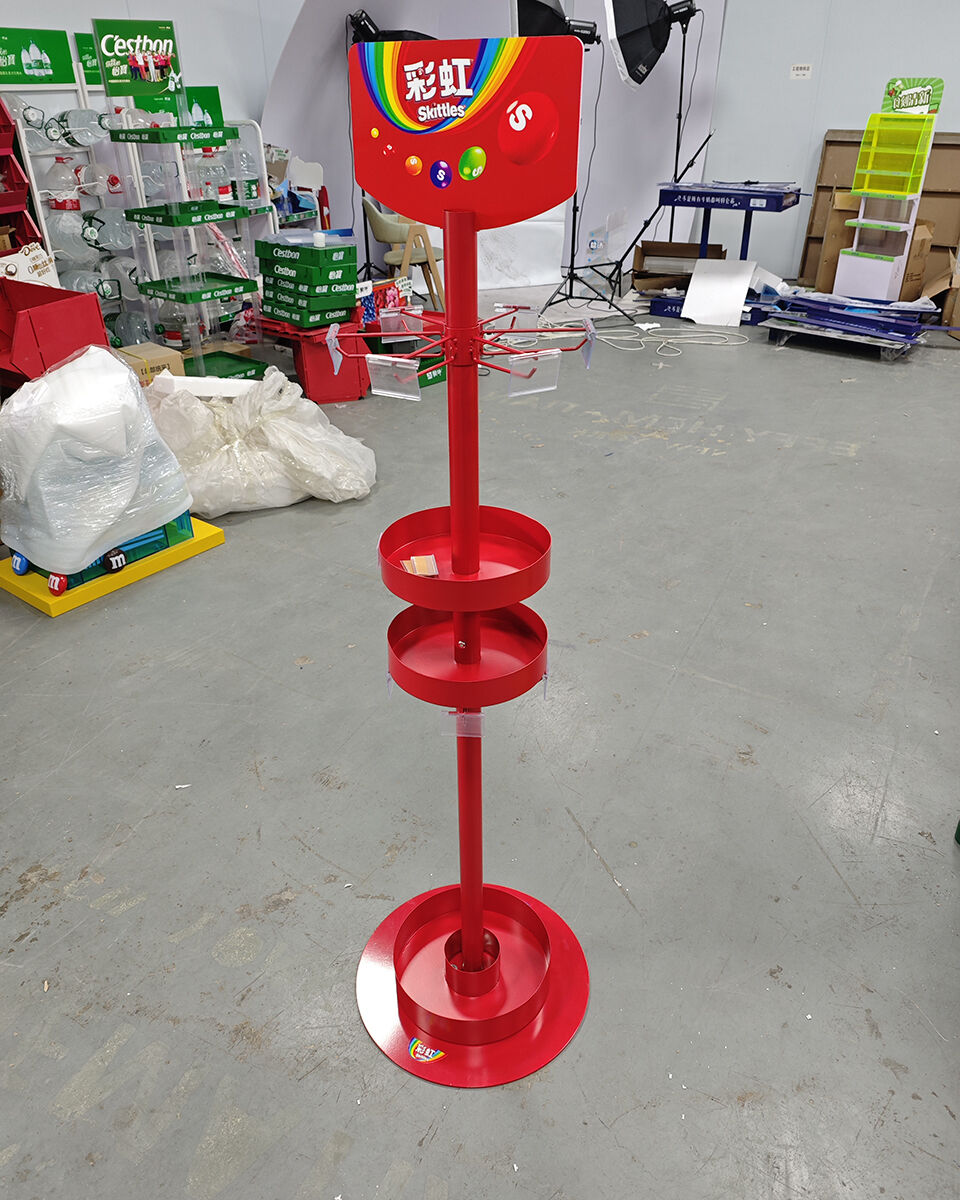
Selecting the right materials for a candy display is a critical decision that directly impacts both the longevity of the fixture and the overall presentation quality in retail environments. Durability is not merely about withstanding physical wear; it encompasses resistance to environmental factors, ease of maintenance, structural integrity under load, and the ability to maintain visual appeal over extended periods. In commercial settings where candy display fixtures face constant customer interaction, product weight, and environmental stressors such as humidity and temperature fluctuations, the choice of materials becomes a determining factor in total cost of ownership and brand presentation consistency.
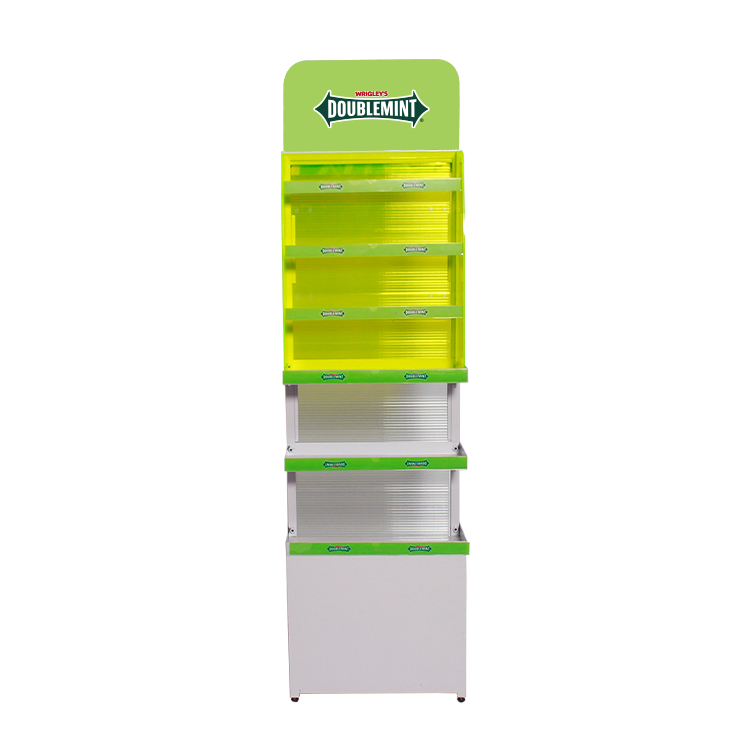
Understanding which candy display materials offer superior durability requires evaluating multiple performance criteria including structural strength, wear resistance, environmental tolerance, maintenance requirements, and long-term aesthetic stability. Different materials exhibit distinct advantages and limitations based on the specific retail context, product weight requirements, traffic volume, and budget constraints. This comprehensive analysis examines the primary material options available for candy display construction, evaluating their durability characteristics through practical performance metrics that matter most to retailers, merchandisers, and store planners seeking optimal return on fixture investments.
Metal Materials for Maximum Structural Durability
Steel and Stainless Steel Performance Characteristics
Steel represents one of the most durable material choices for candy display construction, offering exceptional structural strength that supports heavy product loads without deformation or sagging over time. Powder-coated steel provides excellent resistance to surface scratches and impacts common in high-traffic retail environments, while the coating also protects against moisture exposure that could otherwise lead to corrosion. The rigidity of steel frameworks ensures that candy display units maintain precise alignment and dimensional stability even after years of use, which is particularly important for modular systems that must fit together consistently across multiple units.
Stainless steel elevates durability performance further by eliminating corrosion concerns entirely, making it ideal for candy display applications in environments with elevated humidity or temperature variations such as stores near entrances or in coastal locations. The material's inherent resistance to staining and discoloration ensures that the candy display maintains a premium appearance throughout its service life without requiring protective coatings that can chip or wear. Stainless steel's smooth surface facilitates easy cleaning and sanitation, an important consideration for food merchandising fixtures where hygiene standards must be maintained consistently.
Aluminum as a Lightweight Durable Alternative
Aluminum offers a compelling combination of durability and weight reduction that makes it particularly suitable for candy display fixtures requiring frequent repositioning or reconfiguration within retail spaces. Despite being significantly lighter than steel, properly engineered aluminum structures provide adequate strength for typical candy merchandising loads while naturally resisting corrosion without additional protective treatments. Anodized aluminum surfaces enhance both durability and aesthetic appeal by creating a harder, wear-resistant layer that maintains color consistency and resists scratching better than bare aluminum.
The material's natural oxide layer provides inherent protection against environmental degradation, ensuring that aluminum candy display components maintain structural integrity and appearance even in challenging conditions. For retailers operating multiple locations or frequently updating merchandising layouts, aluminum's reduced weight translates to lower labor costs for installation and reconfiguration while still delivering the long-term durability necessary for sustainable fixture investments. The extruded aluminum profiles commonly used in candy display construction also enable precise dimensional tolerances that ensure consistent fit and finish across production runs.
Acrylic and Transparent Material Durability Factors
Acrylic Strength and Impact Resistance
High-quality acrylic materials provide exceptional clarity and durability for candy display components where product visibility is essential, offering impact resistance significantly superior to glass while maintaining optical transparency that showcases merchandise effectively. Cast acrylic demonstrates better durability characteristics than extruded varieties, with greater resistance to cracking under stress and superior dimensional stability across temperature fluctuations common in retail environments. The material's resistance to shattering makes it a safer choice for candy display applications in high-traffic areas or locations with elevated risk of accidental impact.
Acrylic's surface hardness provides good resistance to light scratching during normal cleaning and customer interaction, though it requires more careful maintenance than metal components to preserve optical clarity over extended periods. When properly maintained with appropriate cleaning methods and materials, acrylic candy display components can maintain their transparency and visual appeal for many years of service. The material's UV stability ensures that properly formulated acrylic does not yellow or become brittle with exposure to natural or artificial lighting, an important durability consideration for candy display fixtures positioned near windows or under intense retail lighting systems.
Thickness and Quality Grade Impact on Longevity
The durability of acrylic components in candy display construction correlates directly with material thickness and grade quality, with thicker panels providing greater rigidity and impact resistance that extends service life in demanding retail applications. Minimum thickness specifications of 3mm for vertical panels and 5mm for shelving surfaces represent baseline requirements for candy display components expected to maintain structural integrity under typical merchandising loads. Premium candy display designs often specify 6mm or greater thickness for primary structural acrylic components to ensure long-term dimensional stability and resistance to flexing that can lead to stress cracking.
Virgin acrylic formulations deliver superior durability compared to recycled or blended materials, offering better clarity retention, impact resistance, and resistance to environmental stress cracking throughout the fixture's service life. The investment in higher-grade acrylic materials pays dividends through reduced replacement frequency and maintained visual appeal that protects brand presentation standards. For candy display applications requiring maximum durability in transparent components, polycarbonate represents an alternative material offering even greater impact resistance than acrylic, though with slightly reduced optical clarity and higher material costs.
Wood and Composite Material Durability Considerations
Engineered Wood Products for Candy Display Applications
Medium-density fiberboard and plywood represent common wood-based materials in candy display construction, offering good structural performance when properly sealed and finished to protect against moisture infiltration and surface wear. The durability of wood-based candy display components depends heavily on edge sealing quality and surface finish integrity, as exposed wood fibers readily absorb moisture that can lead to swelling, delamination, and structural degradation over time. High-pressure laminate surfaces provide excellent protection for wood substrates, creating durable wear layers that resist scratching, impact damage, and moisture penetration while offering extensive aesthetic customization options.
Properly finished engineered wood candy display fixtures can deliver satisfactory durability in climate-controlled retail environments with moderate traffic levels, though they generally exhibit shorter service life compared to metal or high-quality acrylic alternatives in demanding applications. The material's susceptibility to edge damage from impacts and moisture exposure represents the primary durability limitation, requiring careful design attention to vulnerable areas and periodic maintenance to preserve protective finishes. For budget-conscious applications where initial cost takes priority over maximum longevity, engineered wood offers acceptable durability when construction quality and finishing standards meet minimum specifications for retail fixture applications.
Solid Wood Durability and Maintenance Requirements
Solid hardwood components can provide excellent durability in candy display applications where traditional aesthetics and premium positioning justify higher material and maintenance costs compared to engineered alternatives. Dense hardwood species such as maple, oak, and walnut offer natural resistance to denting and surface damage while developing attractive patinas that can enhance visual appeal over time rather than appearing worn. However, solid wood candy display fixtures require more rigorous humidity control and periodic refinishing to maintain optimal appearance and prevent dimensional changes that can affect structural alignment.
The natural hygroscopic properties of wood mean that candy display fixtures incorporating solid wood components will experience seasonal dimensional changes in response to ambient humidity variations, potentially affecting fit tolerances in precision-engineered designs. Professional finishing with multiple seal coats and appropriate topcoat systems significantly enhances wood durability by limiting moisture exchange and protecting surfaces from wear, though even well-finished wood requires more maintenance attention than metal or acrylic alternatives. For specialty candy display applications where natural material aesthetics align with brand positioning, solid wood can deliver adequate durability when design accounts for material characteristics and maintenance programs support preservation requirements.
Hybrid Material Systems for Optimized Durability
Metal Framework with Acrylic Component Integration
Combining metal structural frameworks with acrylic merchandising components represents an optimized approach to candy display durability that leverages the complementary strengths of different materials while minimizing individual limitations. Metal bases, uprights, and support structures provide the load-bearing capacity and long-term dimensional stability essential for candy display fixtures, while acrylic shelves, dividers, and front panels deliver the transparency necessary for effective product presentation. This hybrid construction strategy concentrates durable metal components in areas subject to highest stress and wear while utilizing transparent materials only where visibility requirements justify their application.
The durability advantage of hybrid candy display systems extends beyond material performance to include serviceability benefits, as damaged acrylic components can be replaced individually without requiring complete fixture replacement. This modularity reduces long-term ownership costs and extends effective service life by allowing targeted component renewal as wear patterns emerge over years of operation. Metal-acrylic hybrid designs also facilitate easier cleaning and maintenance compared to all-wood constructions, with smooth non-porous surfaces that resist staining and bacterial growth important for food merchandising applications.
Strategic Material Selection Based on Component Function
Optimal candy display durability emerges from strategic material assignment that matches specific material properties to functional requirements of individual components rather than applying uniform material choices throughout the entire fixture. Structural elements bearing significant loads or subject to frequent impacts benefit from metal construction, while display surfaces requiring transparency can utilize acrylic where visibility enhances merchandising effectiveness. Backing panels and hidden structural components may appropriately utilize engineered wood or composite materials where their lower cost delivers adequate performance without compromising visible quality or structural integrity.
This component-specific material strategy enables candy display designs that optimize durability-to-cost ratios by investing in premium materials only where performance requirements justify higher expenditure. Feet and base components warrant durable materials like steel or reinforced polymers that resist wear from repeated movement and floor contact, while upper decorative elements may utilize lighter-weight materials adequate for their lower-stress applications. Understanding the distinct performance demands of different candy display components allows specification of material combinations that achieve required overall durability while managing total fixture costs effectively.
Environmental and Operational Factors Affecting Material Durability
Climate Control and Humidity Impact on Material Longevity
The durability of candy display materials correlates significantly with environmental conditions in the retail space, particularly humidity levels and temperature stability that affect different materials in distinct ways. Metal components face accelerated corrosion in high-humidity environments unless properly protected through coating systems or material selection favoring stainless steel or aluminum, while wood-based materials experience dimensional instability and potential degradation when subjected to humidity fluctuations outside moderate ranges. Acrylic materials demonstrate good environmental stability across typical retail conditions, though extreme temperature variations can induce stress that may contribute to cracking in poorly designed or manufactured components.
Retail environments lacking adequate climate control present more challenging conditions for candy display durability, requiring more careful material selection and potentially higher initial investment in corrosion-resistant metals or sealed composite materials. Stores located in coastal regions or areas with extreme seasonal humidity variations should prioritize stainless steel, aluminum, or properly sealed materials for candy display construction to ensure acceptable service life. The interaction between material properties and environmental conditions means that durability specifications appropriate for climate-controlled mall locations may prove inadequate for standalone stores or locations with variable environmental conditions.
Traffic Volume and Maintenance Program Influence
Customer traffic volume directly impacts candy display material wear rates, with high-traffic locations requiring more durable material specifications to achieve acceptable service life compared to specialty shops or locations with lower customer interaction frequency. Materials that perform adequately in boutique environments may show unacceptable wear in high-volume retail settings within months rather than years, making traffic-appropriate material selection essential for durability optimization. Surface hardness, impact resistance, and scratch resistance become increasingly important material characteristics as traffic volume increases, often justifying premium material investments that might seem excessive in lower-traffic applications.
Regular maintenance programs significantly extend candy display material durability regardless of initial material selection, with proper cleaning methods, periodic inspection, and timely repair of minor damage preventing accelerated degradation. Metal components benefit from periodic inspection of coating integrity and prompt touch-up of scratches that could initiate corrosion, while acrylic elements require appropriate cleaning products that remove soiling without scratching surfaces or degrading material properties. Establishment of maintenance protocols appropriate to specific candy display materials represents an essential complement to initial material selection in achieving optimal durability outcomes and protecting fixture investments throughout their intended service life.
FAQ
What is the most durable material for high-traffic candy display applications?
Powder-coated steel or stainless steel frameworks combined with thick cast acrylic transparent components represent the most durable material combination for high-traffic candy display applications. Metal provides exceptional structural integrity and load-bearing capacity that maintains dimensional stability over years of heavy use, while quality acrylic delivers necessary transparency with good impact resistance. This hybrid approach concentrates maximum durability in structural elements while providing adequate performance in display components, with stainless steel offering the highest corrosion resistance for challenging environments and powder-coated steel providing excellent performance in climate-controlled spaces at lower cost.
How does material thickness affect candy display durability?
Material thickness directly influences structural rigidity, load-bearing capacity, and resistance to deflection or damage in candy display construction, with thicker materials generally providing longer service life and better performance under stress. For metal components, thickness determines load capacity and resistance to bending, with 1.5mm to 2.0mm steel or 2.0mm to 3.0mm aluminum representing minimum specifications for structural elements in commercial candy display fixtures. Acrylic components require minimum 3mm thickness for vertical panels and 5mm for shelving surfaces to prevent excessive flexing and maintain dimensional stability under typical merchandising loads, with premium designs often specifying 6mm or greater thickness for enhanced durability and reduced deflection.
Can wood-based materials provide adequate durability for candy display fixtures?
Properly finished engineered wood materials can provide adequate durability for candy display applications in climate-controlled retail environments with moderate traffic levels, though they typically exhibit shorter service life compared to metal or high-quality acrylic alternatives. Success with wood-based candy display fixtures depends on comprehensive edge sealing, high-quality surface finishing with moisture-resistant coatings, and regular maintenance to preserve protective finishes. High-pressure laminate surfaces significantly enhance wood substrate durability by providing wear-resistant layers that protect against scratching, impact damage, and moisture infiltration. Wood materials work best in specialty retail environments where aesthetic considerations justify higher maintenance requirements and potentially shorter replacement cycles compared to metal-based alternatives.
What maintenance practices extend candy display material durability?
Regular cleaning with appropriate products specific to each material type represents the foundation of durability-extending maintenance for candy display fixtures, preventing accumulation of residues that can degrade surfaces or create conditions promoting corrosion or material breakdown. Metal components require periodic inspection for coating damage with prompt touch-up of scratches to prevent corrosion initiation, while acrylic elements need cleaning with non-abrasive products and soft cloths to avoid surface scratching that degrades transparency. Wood-based candy display components benefit from periodic inspection of finish integrity with refinishing when protective coatings show wear, preventing moisture infiltration that causes swelling or delamination. Establishing component-specific maintenance schedules based on material properties and traffic exposure ensures optimal durability outcomes while identifying minor issues before they require major repairs or premature replacement.