 EN
EN

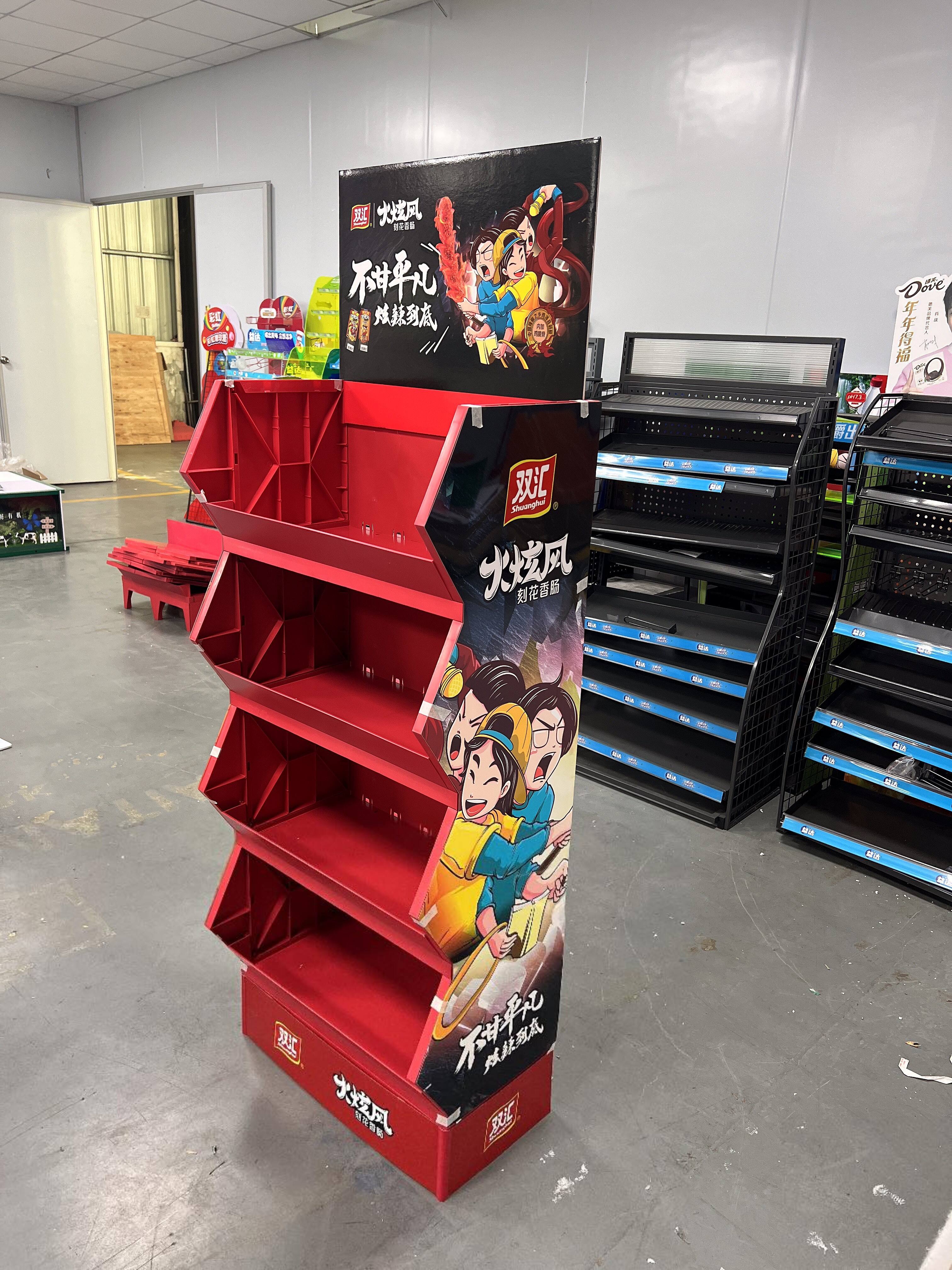
Modern retail environments demand strategic visual merchandising solutions that maximize product visibility while accommodating diverse spatial constraints. Understanding the key types of retail display available for different spaces enables businesses to optimize customer engagement, improve product accessibility, and drive conversion rates across various retail formats. From compact convenience stores to expansive department stores, each retail environment presents unique challenges that require tailored display solutions aligned with traffic patterns, inventory volume, and brand positioning objectives.
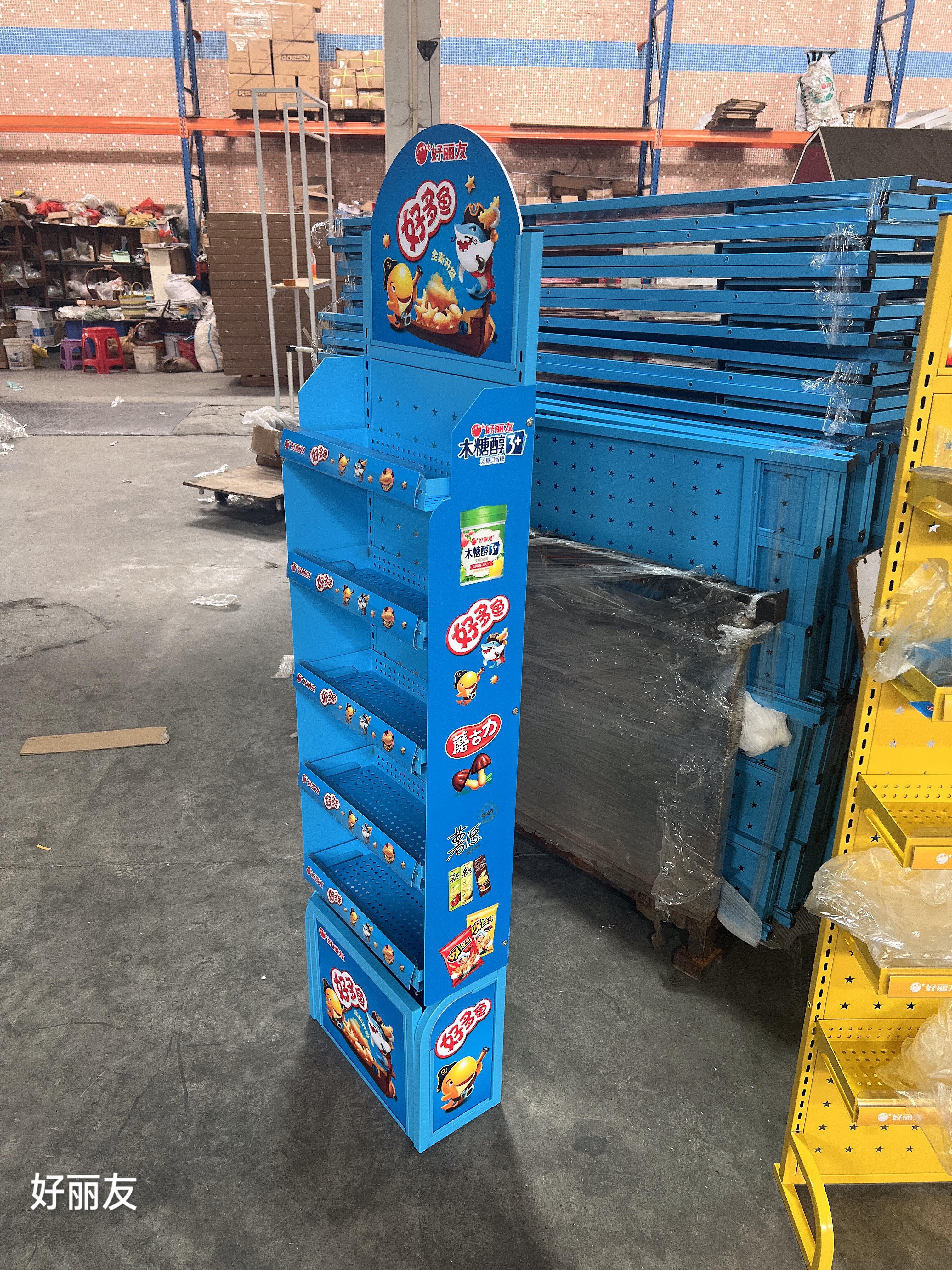
The selection of appropriate retail display types depends on multiple factors including available floor space, ceiling height, product characteristics, target demographics, and merchandising strategy. Retailers must balance functional requirements such as stock capacity and restocking efficiency with aesthetic considerations that enhance brand identity and create compelling shopping experiences. This comprehensive examination explores the essential categories of retail display systems and their optimal applications across different spatial contexts, providing actionable insights for merchandising professionals seeking to maximize their display investment returns.
Floor-Based Retail Display Systems for High-Traffic Areas
Freestanding Display Units for Central Positioning
Freestanding retail display units serve as cornerstone fixtures in open floor environments where product visibility from multiple angles drives purchasing decisions. These standalone structures typically feature four-sided accessibility, allowing customers to approach from any direction without spatial restrictions. Common configurations include rotating towers, pyramid displays, and cubic merchandisers that capitalize on vertical space while maintaining compact footprints suitable for high-traffic aisles and central floor positions.
The design versatility of freestanding retail display systems accommodates diverse product categories ranging from packaged goods to promotional merchandise. Modular construction enables seasonal reconfiguration without requiring permanent installation, providing retailers with adaptive merchandising capabilities responsive to inventory changes and campaign cycles. Material selection significantly impacts durability and brand perception, with options spanning injection-molded plastics for cost-effective volume production to premium metal and wood composites that convey quality positioning.
Strategic placement of freestanding displays in convergence zones where multiple aisles intersect maximizes exposure to customer traffic flows. Research indicates that properly positioned floor displays capture attention during the critical decision-making window when shoppers transition between product categories. Height considerations remain essential, with optimal sightlines typically maintained between 48 and 60 inches to ensure product visibility without obstructing store navigation or creating security blind spots.
Endcap Displays for Aisle Termination Points
Endcap retail display configurations occupy the valuable real estate at aisle terminals, leveraging directional customer movement to showcase featured products or promotional offerings. These high-visibility positions benefit from bidirectional traffic exposure as shoppers enter and exit aisles, generating impression rates significantly higher than mid-aisle placements. Endcap designs typically integrate with existing shelving systems while providing enhanced visual impact through specialty graphics, lighting elements, or dimensional construction.
The merchandising strategy for endcap displays often emphasizes impulse purchases, seasonal items, or cross-promotional bundles that complement adjacent category offerings. Retailers frequently negotiate premium placement fees with suppliers for endcap positions due to their documented sales lift potential, with performance metrics showing conversion rate improvements ranging from 15 to 40 percent compared to standard shelf positioning. Structural requirements include robust anchoring systems to support higher weight loads and accommodate frequent product rotation without compromising stability.
Contemporary endcap retail display designs increasingly incorporate digital components including LED screens for dynamic messaging and proximity sensors that trigger interactive content based on shopper presence. This technology integration transforms passive merchandising fixtures into active engagement platforms that deliver targeted promotional messages, product demonstrations, or brand storytelling content. However, implementation requires careful consideration of power infrastructure, content management systems, and maintenance protocols to ensure consistent operational performance.
Wall-Mounted Retail Display Solutions for Space-Constrained Environments
Slatwall and Grid Panel Systems
Slatwall retail display systems maximize vertical merchandising capacity in environments where floor space commands premium value, particularly in urban retail locations and specialty boutiques. These modular panel systems feature horizontal grooves at standardized intervals that accept diverse accessory components including hooks, shelves, brackets, and specialized product holders. The flexibility of slatwall configurations enables rapid merchandise repositioning without tools or permanent modifications, supporting agile visual merchandising strategies responsive to inventory dynamics and seasonal trends.
Grid panel alternatives to traditional slatwall provide similar functional benefits while offering distinct aesthetic characteristics suited to industrial or contemporary design schemes. Wire grid systems excel in applications requiring airflow around products or creating visually lighter presentations that maintain sightlines across retail spaces. Material selection between melamine-finished panels, metal grids, or solid wood options influences both durability expectations and brand perception, with higher-end retailers typically investing in premium finishes that reinforce quality positioning.
Installation considerations for wall-mounted retail display systems include structural load capacity assessment, particularly when merchandising heavier products or implementing dense fixture spacing. Professional installation ensures proper anchoring into wall studs or supplementary reinforcement, preventing safety hazards and merchandise damage from inadequate support. Space planning should account for clearance requirements between wall fixtures and opposing displays or traffic pathways, maintaining comfortable shopping zones that prevent overcrowding and facilitate product examination.
Shelf and Bracket Configurations
Fixed and adjustable shelving systems represent the fundamental building blocks of wall-mounted retail display infrastructure, providing reliable product presentation across virtually all retail categories. Standard configurations include single-bar brackets for lightweight merchandise, dual-support systems for moderate loads, and reinforced commercial brackets capable of supporting substantial inventory weights. Shelf depth selection directly impacts display capacity and visual presentation, with deeper shelves accommodating larger products while potentially creating accessibility challenges for items positioned toward the rear.
The vertical spacing between shelves requires careful calibration based on product dimensions, packaging characteristics, and customer sightline optimization. Too-narrow spacing limits product variety and creates cramped visual impressions, while excessive gaps waste valuable vertical real estate and reduce inventory density. Industry standards typically recommend maintaining 12 to 18 inches between shelves for general merchandise, with adjustments for specialized categories such as footwear displays requiring greater clearance or jewelry presentations benefiting from tighter spacing.
Advanced shelving systems incorporate integrated lighting solutions including LED strips that illuminate products from below or behind, enhancing visibility and creating premium presentation effects. This lighting integration proves particularly valuable in categories where product detail examination influences purchasing decisions, such as cosmetics, electronics, or gourmet food products. Power distribution planning becomes essential when implementing illuminated retail display components, requiring coordination with electrical infrastructure during initial installation or renovation projects.
Countertop and Point-of-Sale Retail Display Options
Impulse Purchase Displays Near Transaction Zones
Countertop retail display units capitalize on the captive attention of customers during queue waiting periods and transaction processing, positioning low-cost impulse items within arm's reach at critical decision moments. These compact fixtures typically measure between 8 and 24 inches in height to maintain cashier sightlines and conversation accessibility while presenting merchandise at optimal viewing angles. Common countertop display formats include tiered platforms, rotating carousels, and compartmented organizers that maximize product variety within minimal footprints.
Product selection for countertop placements emphasizes items with favorable price-to-size ratios, immediate consumption appeal, and low purchase deliberation requirements. Categories frequently featured in countertop retail display applications include confectionery, batteries, travel-size toiletries, accessories, and promotional gift cards. Merchandising psychology research demonstrates that strategic countertop placement generates incremental transaction values averaging 8 to 15 percent through impulse additions that customers had not intended to purchase upon store entry.
Design considerations for countertop displays include durability under high-contact conditions, ease of restocking during peak traffic periods, and theft deterrence for higher-value items. Clear acrylic construction provides unobstructed product visibility while maintaining professional presentation standards, whereas branded injection-molded units reinforce supplier identity through custom shapes and graphic integration. Stability remains paramount, requiring weighted bases or non-slip materials that prevent tipping hazards from customer contact or restocking activities.
Information and Sample Display Stations
Countertop information displays serve educational functions by presenting product literature, comparison charts, or technical specifications that support informed purchasing decisions for complex or high-involvement products. These fixtures typically incorporate document holders, brochure pockets, or tablet mounting systems that deliver product information in accessible formats. Effective information display design balances content accessibility with space efficiency, ensuring educational materials enhance rather than clutter transaction zones.
Sample display configurations enable customers to examine product qualities through tactile interaction, visual inspection, or functional demonstration before committing to purchases. This approach proves particularly valuable for categories where sensory evaluation influences selection, including cosmetics, textiles, building materials, and specialty food products. Durable construction using materials resistant to repeated handling ensures sample displays maintain professional appearance despite intensive customer interaction over extended service periods.
Integration of digital components into countertop retail display stations increasingly supports interactive product exploration through touchscreen catalogs, video demonstrations, or augmented reality applications. These technology-enhanced fixtures transform passive information presentation into engaging experiences that capture attention and extend customer dwell time at point-of-sale locations. However, implementation requires consideration of content management infrastructure, device security, and user interface design optimized for brief interaction periods characteristic of transaction environments.
Specialized Display Types for Unique Merchandise Categories
Refrigerated and Temperature-Controlled Units
Refrigerated retail display systems address the specialized requirements of perishable products including beverages, dairy items, prepared foods, and fresh produce that demand consistent temperature maintenance for safety and quality preservation. These climate-controlled fixtures range from compact countertop coolers holding limited inventory to walk-in refrigeration rooms functioning as both storage and display environments. Glass door configurations balance visibility requirements with energy efficiency, while open-front designs maximize product accessibility at the cost of higher operational expenses.
The selection of appropriate refrigeration technology impacts both operational costs and environmental performance, with modern systems incorporating variable-speed compressors, LED lighting, and advanced insulation materials that reduce energy consumption compared to legacy equipment. Placement considerations include proximity to electrical infrastructure, clearance for heat dissipation, and accessibility for maintenance without disrupting customer traffic flows. Retailers must balance the premium positioning that refrigerated retail display units command against increased installation and operational expenses.
Merchandising strategies within refrigerated displays emphasize rapid turnover products positioned at eye level, with promotional items and seasonal offerings occupying premium visibility zones. Temperature monitoring systems ensure compliance with food safety regulations while preventing product spoilage from equipment malfunctions. Contemporary units increasingly incorporate digital temperature displays visible to customers, reinforcing quality assurance messaging and building purchase confidence for perishable categories.
Security Display Cases for High-Value Items
Locked display cases address the dual requirements of showcasing valuable merchandise while preventing theft and unauthorized access. These secure retail display fixtures typically feature tempered glass construction, integrated locking mechanisms, and alarm systems that deter shoplifting while maintaining product visibility. Applications span jewelry, electronics, collectibles, pharmaceuticals, and other high-value categories where loss prevention concerns necessitate controlled access protocols.
Design considerations for security displays balance protective functionality with customer experience factors, as excessive barriers can discourage purchase exploration and create friction in the buying process. Counter-service configurations position locked cases behind transaction desks where staff assistance facilitates product examination, while floor-mounted security towers enable self-service browsing with assisted retrieval for purchase consideration. Lighting integration within security cases enhances product presentation and compensates for the visual barriers created by protective glazing.
Modern security retail display systems incorporate electronic access controls, surveillance camera integration, and inventory tracking technologies that monitor product movement and trigger alerts for unauthorized access attempts. These integrated security platforms provide loss prevention benefits while generating valuable data on customer interest patterns and staff interaction requirements. Implementation costs for sophisticated security display infrastructure require justification through theft reduction metrics and preservation of high-margin inventory values.
Custom and Branded Display Solutions for Enhanced Market Differentiation
Manufacturer-Supplied Fixture Programs
Brand manufacturers frequently provide custom retail display fixtures to retail partners as part of comprehensive merchandising programs that ensure consistent product presentation across distribution channels. These supplier-furnished displays incorporate brand identity elements including logos, color schemes, proprietary shapes, and messaging that differentiate sponsored products from competing offerings. The investment in custom fixture development reflects recognition that strategic display design directly influences purchase decisions and justifies promotional marketing expenditures.
Negotiation dynamics between manufacturers and retailers regarding custom display placement often involve financial considerations including placement fees, exclusivity agreements, and performance guarantees tied to sales velocity metrics. Retailers evaluate custom fixture proposals based on space productivity potential, alignment with store aesthetics, and relationship value with key suppliers. Well-designed manufacturer displays that enhance overall department presentation and drive category growth earn favorable placement consideration compared to fixtures serving narrow brand promotion objectives.
Sustainability considerations increasingly influence custom retail display development, with manufacturers adopting recyclable materials, modular designs supporting extended lifecycle usage, and regional production reducing transportation environmental impacts. Retailers prioritize supplier partners demonstrating environmental responsibility through fixture programs, particularly as corporate sustainability commitments and consumer expectations elevate ecological considerations in merchandising decisions. Life cycle analysis of display systems encompasses production impacts, operational durability, and end-of-life disposal or recycling pathways.
Seasonal and Campaign-Specific Temporary Displays
Temporary retail display structures support limited-duration merchandising campaigns including holiday promotions, product launches, and seasonal inventory clearance events without requiring permanent fixture investments. Corrugated cardboard construction dominates temporary display manufacturing due to favorable cost structures, customization flexibility, and recyclability characteristics suitable for short-term applications. Despite material economy, contemporary temporary displays achieve sophisticated visual presentations through high-quality graphics, dimensional construction, and structural engineering that supports substantial product loads.
The strategic deployment of temporary displays enables retailers to create dynamic shopping environments that maintain customer interest through regular visual refresh cycles. Promotional intensity varies across retail formats, with mass merchandisers frequently implementing weekly display rotations while specialty retailers adopt more measured approaches aligned with collection releases or seasonal transitions. Space allocation for temporary retail display programs requires flexible floor planning that accommodates campaign fixtures without compromising core category presentation or traffic flow functionality.
Logistics considerations for temporary display programs include warehousing of flat-packed units, assembly labor requirements, and disposal infrastructure for post-campaign removal. Retailers increasingly demand pre-assembled or tool-free assembly designs that minimize store labor involvement, particularly during peak seasons when staffing focuses on customer service priorities. Supplier capabilities in managing the complete temporary display lifecycle from design through disposal influence program participation decisions and long-term partnership development.
FAQ
How do I determine the right retail display type for my specific store layout?
Selecting appropriate retail display types requires systematic evaluation of your available floor space, ceiling height, traffic patterns, and merchandise characteristics. Begin by mapping customer flow paths to identify high-visibility zones suitable for freestanding displays and strategic placement opportunities near decision points. Measure vertical clearances to determine feasibility of tall fixtures versus wall-mounted systems, and assess floor load capacity for heavier display structures. Consider your inventory turnover rates, as high-velocity products benefit from accessible floor displays while specialty items may warrant secure or elevated presentation. Engage with display manufacturers who offer space planning services and can provide CAD renderings showing fixture integration within your specific environment before committing to purchases.
What factors should influence my investment allocation between permanent and temporary display fixtures?
Investment balance between permanent and temporary retail display systems depends on your merchandising strategy, product lifecycle characteristics, and promotional intensity. Allocate larger budgets toward permanent fixtures for core product categories with stable demand patterns and year-round presentation requirements, as durable construction delivers better long-term value through extended service life. Reserve temporary display budgets for seasonal merchandise, limited-time promotions, and new product introductions where campaign-specific branding justifies short-term fixture investments. Retailers operating in fast-fashion or trend-driven categories typically maintain higher temporary display ratios to support frequent visual refresh cycles, while stores focused on timeless product assortments emphasize permanent fixture quality. Analyze your historical promotional calendar to project annual temporary display requirements and ensure adequate budget provisioning without compromising permanent infrastructure quality.
How can small retail spaces maximize product presentation without creating cluttered environments?
Space-constrained retailers should prioritize vertical merchandising through wall-mounted retail display systems that preserve valuable floor area for customer movement and focal fixtures. Implement slatwall or grid panel installations that extend merchandise presentation upward while maintaining organized visual presentation through consistent spacing and accessory selection. Choose multi-functional display pieces such as units combining storage capacity with presentation surfaces, reducing redundant fixture footprints. Limit freestanding floor displays to high-impact positions where they serve strategic merchandising purposes rather than convenience storage solutions. Maintain disciplined inventory management that prevents overstocking and allows adequate breathing space around products for comfortable customer examination. Consider glass and acrylic materials that create visual lightness compared to opaque fixtures, helping small spaces feel more open despite equivalent merchandise density.
What maintenance considerations should inform retail display selection decisions?
Evaluate retail display options based on cleaning requirements, component replacement availability, and repair complexity that impact long-term operational efficiency. Prioritize materials and finishes resistant to common retail environment challenges including customer handling, cleaning chemical exposure, and ambient humidity variations that cause deterioration over time. Consider accessibility for routine maintenance tasks such as light bulb replacement, graphics updates, and hardware adjustments without requiring specialized tools or professional service calls. Request manufacturer documentation on expected service intervals, replacement part availability, and warranty coverage that protects your investment against premature failure. Factor maintenance labor into total cost of ownership calculations, as fixtures requiring frequent servicing may prove more expensive than higher-quality alternatives despite lower initial purchase prices. Establish preventive maintenance schedules that address cleaning, hardware tightening, and component inspection before minor issues escalate into costly repairs or safety hazards.
Table of Contents
- Floor-Based Retail Display Systems for High-Traffic Areas
- Wall-Mounted Retail Display Solutions for Space-Constrained Environments
- Countertop and Point-of-Sale Retail Display Options
- Specialized Display Types for Unique Merchandise Categories
- Custom and Branded Display Solutions for Enhanced Market Differentiation
-
FAQ
- How do I determine the right retail display type for my specific store layout?
- What factors should influence my investment allocation between permanent and temporary display fixtures?
- How can small retail spaces maximize product presentation without creating cluttered environments?
- What maintenance considerations should inform retail display selection decisions?