 EN
EN

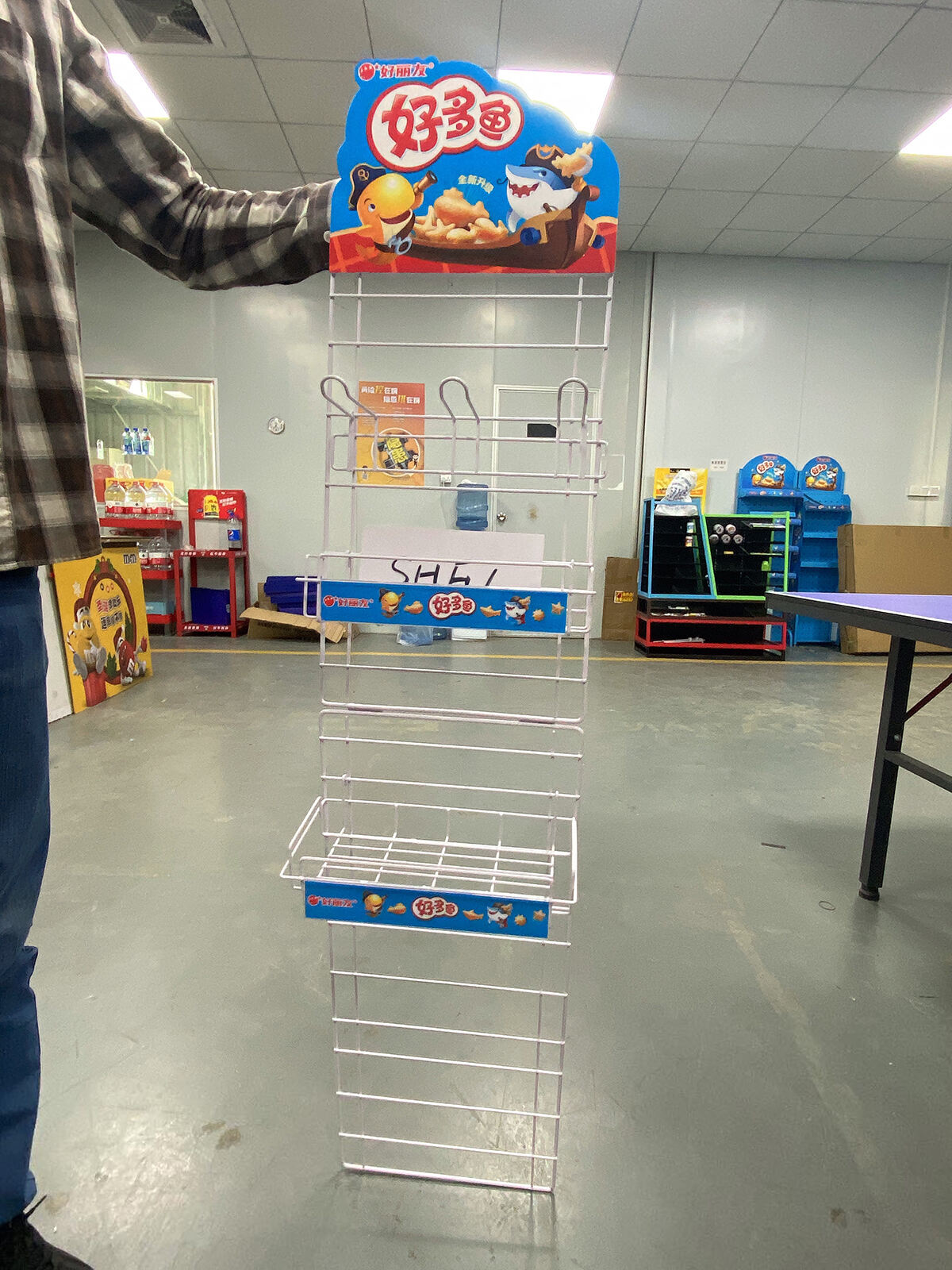
Specifying technical requirements for a custom display project demands a systematic approach that balances functional needs with manufacturing constraints. The process begins with understanding your specific application requirements, environmental conditions, and performance expectations. Clear technical specifications serve as the foundation for successful custom display development, ensuring the final product meets operational demands while remaining cost-effective and manufacturable.
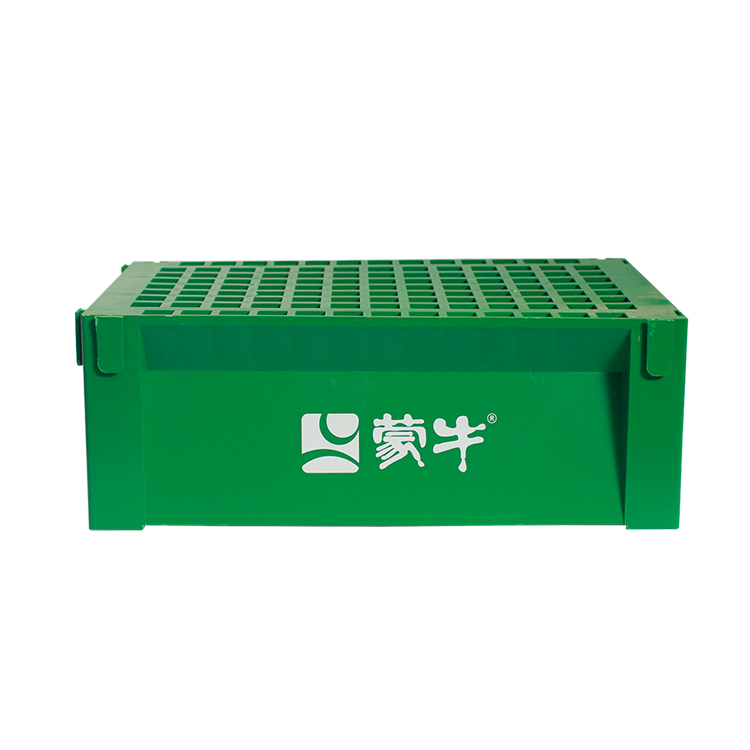
The specification process involves multiple technical dimensions that must be carefully documented and communicated to manufacturers. From dimensional requirements and material properties to electrical specifications and environmental tolerances, each aspect influences the design approach and production methodology. Effective requirement specification reduces development time, minimizes revision cycles, and ensures the custom display solution aligns with your operational objectives and quality standards.
Dimensional and Physical Specifications
Size and Form Factor Requirements
The first step in specifying custom display requirements involves defining precise dimensional parameters. Overall display dimensions must account for the viewing area, bezel width, mounting provisions, and any special form factor constraints. Consider whether your custom display needs to fit within existing enclosures, replace legacy units, or integrate with specific mounting systems. Document maximum and minimum acceptable dimensions, including tolerances for critical measurements.
Weight specifications become crucial for portable applications or installations with structural limitations. Define maximum weight targets and consider how material choices impact overall mass. For custom display applications requiring specific center-of-gravity characteristics or weight distribution, these parameters must be clearly specified along with mounting point locations and load-bearing requirements.
Material and Construction Specifications
Material selection directly impacts durability, cost, and manufacturing approach for custom display solutions. Specify required materials for housing components, considering factors like corrosion resistance, thermal properties, and electromagnetic compatibility. Document any restrictions on material types due to regulatory compliance, environmental concerns, or compatibility with existing systems.
Construction requirements should address structural integrity, assembly methods, and serviceability needs. Define minimum mechanical strength requirements, including vibration resistance, impact tolerance, and thermal cycling capabilities. For custom display applications in harsh environments, specify ingress protection ratings, chemical resistance requirements, and any special sealing or coating needs.
Display Technology and Performance Specifications
Visual Performance Requirements
Visual performance specifications form the core of any custom display project. Resolution requirements must be defined based on viewing distance and content detail needs. Consider whether standard resolutions meet your needs or if custom pixel arrangements are necessary. Specify minimum brightness levels for your operating environment, accounting for ambient light conditions and viewing angles.
Color reproduction requirements should address color gamut coverage, color accuracy standards, and any industry-specific color requirements. Define contrast ratio minimums and specify whether high dynamic range capabilities are needed. For custom display applications requiring precise color matching, document acceptable color deviation tolerances and calibration requirements.
Electrical and Interface Specifications
Electrical requirements encompass power consumption limits, input voltage ranges, and signal interface specifications. Define maximum power draw constraints and any efficiency requirements that impact thermal management. Specify required input interfaces, including video signal types, control protocols, and any custom communication requirements. Document connector types, cable lengths, and any electromagnetic compatibility requirements.
Control specifications should address local controls, remote management capabilities, and integration with existing systems. Define required adjustment ranges for brightness, contrast, and other display parameters. For custom display solutions requiring automated control, specify programming interfaces, status monitoring capabilities, and diagnostic requirements.
Environmental and Operational Specifications
Operating Environment Requirements
Environmental specifications ensure your custom display performs reliably under actual operating conditions. Temperature ranges must account for both ambient conditions and internal heat generation. Define minimum and maximum operating temperatures, storage temperatures, and any thermal shock requirements. Consider altitude effects, humidity ranges, and condensation protection needs for your specific application.
Vibration and shock specifications become critical for mobile or industrial custom display applications. Document acceleration limits, frequency ranges, and duration requirements based on your operating environment. Specify electromagnetic interference limits and any special shielding requirements for sensitive applications or regulatory compliance needs.
Reliability and Maintenance Requirements
Reliability specifications establish expected service life and failure rate targets for custom display solutions. Define mean time between failure requirements and specify any redundancy or fail-safe requirements. Document maintenance intervals, replacement part availability requirements, and any field-serviceable component specifications.
Maintenance access requirements should address component accessibility, diagnostic capabilities, and tool requirements. Specify any remote monitoring needs, automated health reporting, or predictive maintenance capabilities. For custom display applications in critical systems, define backup procedures and emergency operation requirements.
Regulatory and Certification Requirements
Compliance and Safety Standards
Regulatory compliance specifications ensure your custom display meets all applicable safety and performance standards. Identify required certifications such as UL, CE, FCC, or industry-specific standards like military specifications or medical device regulations. Document any regional compliance requirements and specify testing and documentation needs for each applicable standard.
Safety requirements should address electrical safety, fire resistance, and user protection needs. Define insulation requirements, grounding specifications, and any special safety features needed for your application. For custom display solutions in public spaces or safety-critical applications, specify emergency shutdown procedures and fail-safe operating modes.
Documentation and Quality Requirements
Documentation specifications ensure proper support throughout the custom display lifecycle. Define required technical documentation including installation manuals, operation guides, maintenance procedures, and troubleshooting resources. Specify drawing requirements, including mechanical drawings, electrical schematics, and assembly instructions with appropriate detail levels and format requirements.
Quality assurance requirements should address testing procedures, inspection criteria, and acceptance standards. Define required quality certifications, traceability requirements, and any special quality control procedures. For custom display applications requiring long-term support, specify configuration management procedures and change control requirements.
FAQ
What level of technical detail is needed when specifying custom display requirements?
Technical specifications should be detailed enough to eliminate ambiguity while remaining practical for manufacturing. Include specific numerical values with tolerances, reference applicable industry standards, and provide contextual information about the application environment. Avoid over-specification that unnecessarily constrains design options, but ensure critical performance parameters are clearly defined with measurable criteria.
How do you balance performance requirements with cost considerations in custom display specifications?
Effective requirement specification involves prioritizing must-have versus nice-to-have features and understanding the cost impact of different specification choices. Work with manufacturers early to understand cost drivers and identify areas where relaxed specifications can reduce costs without compromising essential functionality. Consider specification alternatives that achieve similar performance through different technical approaches.
What common mistakes should be avoided when specifying custom display technical requirements?
Common specification mistakes include over-constraining the design with unnecessary requirements, failing to consider manufacturing tolerances, and omitting critical environmental or regulatory requirements. Avoid copying specifications from different applications without considering how they apply to your specific use case. Ensure requirements are testable and verifiable, and maintain clear communication channels with manufacturers throughout the specification process.
How should custom display requirements be updated during the development process?
Requirement changes should follow a formal change control process that evaluates impact on cost, schedule, and technical feasibility. Document the rationale for changes and ensure all stakeholders understand the implications. Establish clear approval procedures for requirement modifications and maintain version control to track specification evolution. Regular design reviews help identify necessary changes early when they have less impact on the overall project.
Table of Contents
- Dimensional and Physical Specifications
- Display Technology and Performance Specifications
- Environmental and Operational Specifications
- Regulatory and Certification Requirements
-
FAQ
- What level of technical detail is needed when specifying custom display requirements?
- How do you balance performance requirements with cost considerations in custom display specifications?
- What common mistakes should be avoided when specifying custom display technical requirements?
- How should custom display requirements be updated during the development process?