 EN
EN

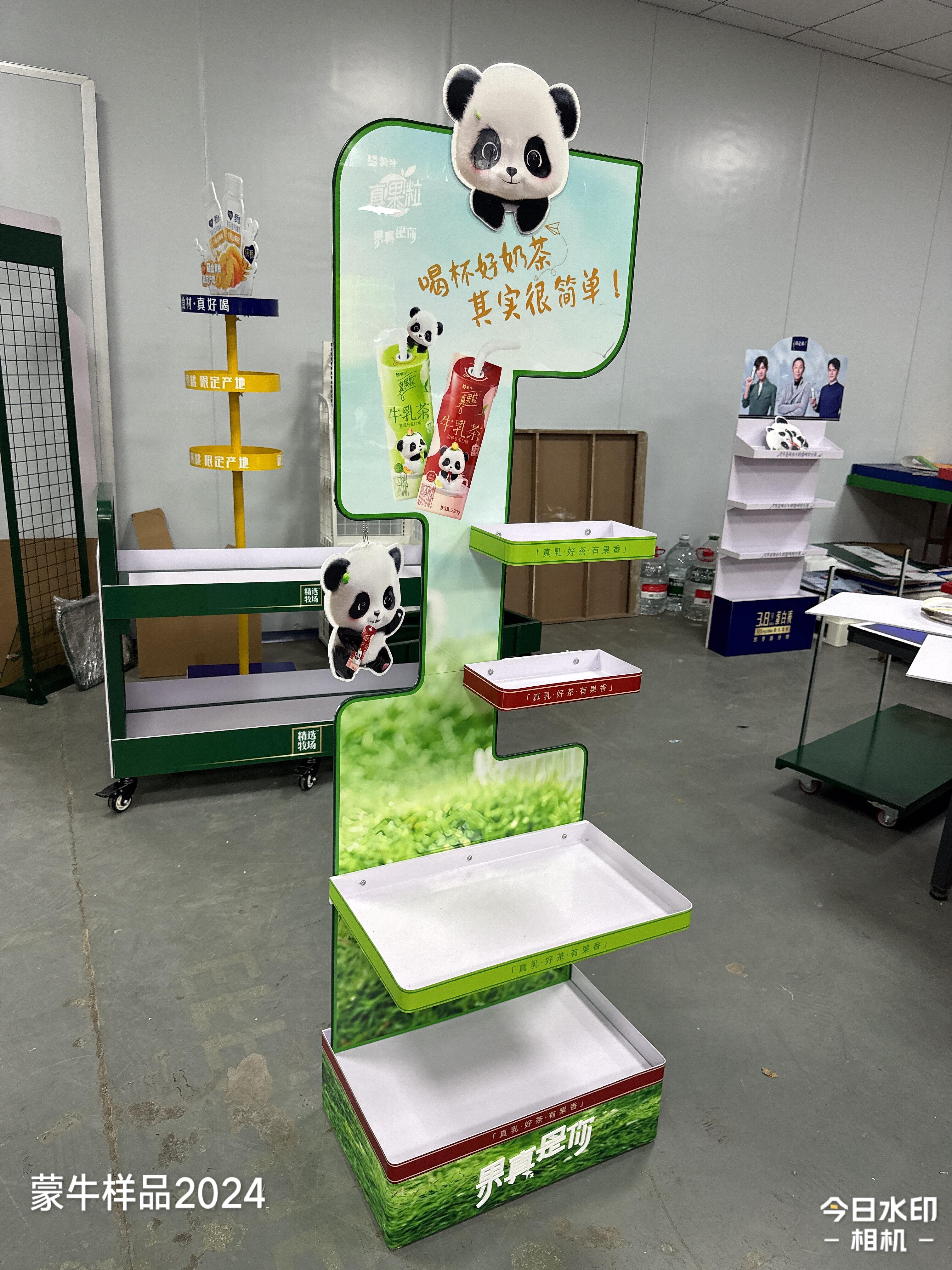
The durability of plastic display stands directly impacts retail presentation quality, operational costs, and brand image sustainability. Understanding the key factors that determine longevity helps retailers, merchandisers, and manufacturers make informed decisions when selecting or designing plastic display stands for commercial environments. These factors range from material composition and structural engineering to environmental considerations and usage patterns that affect long-term performance.
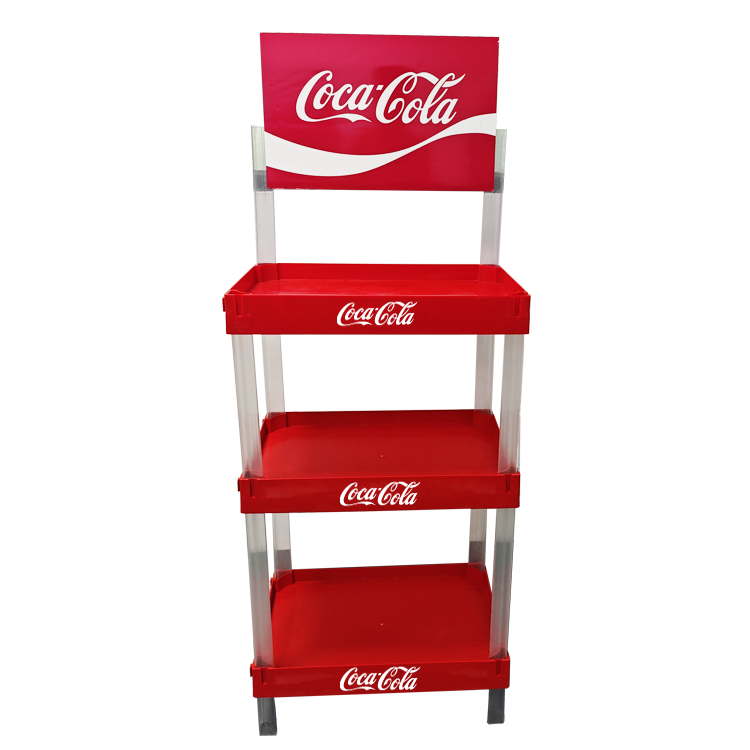
Multiple interconnected variables determine how well plastic display stands withstand daily commercial use, environmental stress, and mechanical loads. The durability equation involves material science, design engineering, manufacturing quality, and application-specific requirements that must align with intended use cases. Retailers investing in high-quality plastic display stands need comprehensive understanding of these durability determinants to optimize their display infrastructure investment and minimize replacement costs over time.
Material Composition and Polymer Selection
Primary Polymer Types and Durability Characteristics
The fundamental durability of plastic display stands begins with polymer selection, as different plastic materials exhibit varying resistance to stress, impact, and environmental degradation. High-density polyethylene (HDPE) offers excellent chemical resistance and impact strength, making it suitable for heavy-duty commercial applications where plastic display stands face frequent handling and potential impacts. Polypropylene provides superior fatigue resistance and maintains structural integrity under repeated flexing, particularly beneficial for modular or adjustable display configurations.
Acrylonitrile butadiene styrene (ABS) combines good impact resistance with dimensional stability, creating plastic display stands that maintain precise fitting tolerances over extended use periods. The molecular structure of each polymer determines fundamental properties like tensile strength, elongation at break, and resistance to stress cracking that directly influence long-term durability. Advanced engineering plastics such as polycarbonate offer exceptional impact resistance and transparency retention, though at higher material costs that may be justified for premium applications.
Polymer additives significantly influence durability characteristics by enhancing specific performance aspects of plastic display stands. UV stabilizers prevent photodegradation that causes brittleness and color fading in outdoor or high-illumination retail environments. Impact modifiers improve toughness and reduce crack propagation under sudden loads, while antioxidants prevent thermal and oxidative degradation during long-term storage or elevated temperature exposure.
Material Purity and Contamination Effects
The purity of base materials used in plastic display stands manufacturing directly correlates with durability and performance consistency. Virgin polymers provide optimal mechanical properties and chemical resistance compared to recycled content that may contain contaminants or degraded polymer chains. However, high-quality recycled materials with proper processing can achieve acceptable durability levels while supporting sustainability objectives.
Contamination from incompatible polymers, metal particles, or organic compounds creates stress concentration points that initiate crack formation and accelerate failure mechanisms. Manufacturing processes must maintain strict material handling protocols to prevent contamination that compromises the structural integrity of plastic display stands. Quality control testing identifies potential contamination issues before they affect finished product durability and field performance.
Structural Design and Engineering Factors
Load Distribution and Stress Concentration Management
Effective structural design minimizes stress concentrations that create failure initiation points in plastic display stands under normal operating loads. Sharp corners, abrupt thickness transitions, and inadequate reinforcement create localized high-stress regions that exceed material capabilities even under moderate loads. Proper design incorporates generous radii, gradual section changes, and strategic reinforcement to distribute loads evenly across the structure.
The geometry of load-bearing elements determines how effectively plastic display stands transfer forces from displayed merchandise to support surfaces. Beam theory and finite element analysis guide optimal cross-sectional shapes that maximize strength-to-weight ratios while maintaining material efficiency. Hollow sections, ribbing patterns, and truss-like configurations enhance structural performance without proportional material increases, improving both durability and cost-effectiveness.
Joint design significantly influences overall durability since connection points experience concentrated stresses and potential wear from assembly/disassembly cycles. Mechanical fasteners, snap-fit connections, and welded joints each present different failure modes that must be addressed through appropriate design details. plastic display stands with robust joint designs maintain structural integrity throughout extended service life cycles.
Dimensional Stability and Tolerance Management
Dimensional stability affects both functional performance and durability of plastic display stands by ensuring proper fit and preventing binding or interference that creates excessive stresses. Thermal expansion and contraction must be accommodated through appropriate clearances and flexible connection details that allow movement without compromising structural integrity. Poor dimensional control leads to forced assembly conditions that introduce residual stresses and reduce fatigue life.
Manufacturing tolerances directly influence how well plastic display stands maintain proper geometry under operating loads and environmental conditions. Tight tolerances ensure consistent performance but may increase manufacturing costs, while loose tolerances can compromise fit and finish quality. Optimal tolerance specification balances manufacturing feasibility with functional requirements and long-term dimensional stability.
Manufacturing Quality and Process Control
Molding Parameters and Defect Prevention
Injection molding parameters significantly influence the durability of plastic display stands by affecting material properties, internal stress levels, and defect formation. Proper melt temperature ensures complete polymer fusion while avoiding thermal degradation that weakens molecular chains. Injection pressure and speed must balance complete cavity filling with minimal shear stress that can orient molecules in unfavorable directions.
Cooling rate control prevents internal stress development that compromises long-term dimensional stability and crack resistance in plastic display stands. Uniform cooling minimizes differential shrinkage that creates residual stresses, while controlled cooling rates optimize crystallinity development in semi-crystalline polymers. Gate design and location influence flow patterns and weld line formation that affect local mechanical properties and potential failure initiation sites.
Process monitoring and control systems ensure consistent manufacturing conditions that produce plastic display stands with repeatable quality and durability characteristics. Temperature monitoring, pressure sensing, and cycle time control identify process variations that could affect product quality. Statistical process control techniques track key parameters and trigger corrective actions before defective products are produced.
Quality Control Testing and Validation
Comprehensive quality control testing validates the durability performance of plastic display stands before they reach commercial applications. Mechanical testing including tensile strength, flexural modulus, and impact resistance verifies that material properties meet design requirements. Environmental stress testing exposes samples to accelerated aging conditions that simulate long-term exposure effects.
Fatigue testing evaluates how plastic display stands respond to repeated loading cycles that simulate normal use patterns. Cycling loads between specified limits reveals potential failure modes and establishes safe operating parameters for field applications. Creep testing under constant loads identifies long-term deformation behavior that affects dimensional stability and functional performance over extended periods.
Environmental Factors and Service Conditions
Temperature Effects and Thermal Cycling
Temperature variations significantly impact the durability of plastic display stands through effects on material properties, dimensional stability, and stress levels. High temperatures reduce polymer strength and stiffness while increasing creep susceptibility that leads to permanent deformation under load. Low temperatures increase brittleness and reduce impact resistance, particularly problematic for plastics operating near their glass transition temperature.
Thermal cycling between temperature extremes creates alternating expansion and contraction stresses that can initiate crack formation and propagation in plastic display stands. Different thermal expansion rates between plastic components and metal hardware create interface stresses that require careful design consideration. Thermal shock from rapid temperature changes poses additional durability challenges that must be addressed through material selection and design details.
Indoor retail environments typically maintain relatively stable temperatures, but plastic display stands near heating/cooling systems, windows, or exterior doors may experience significant temperature variations. Outdoor applications face much more severe thermal cycling that requires enhanced material properties and design considerations to maintain acceptable durability performance.
UV Exposure and Photodegradation
Ultraviolet radiation exposure causes photodegradation in many plastic materials, leading to surface chalking, color changes, and progressive embrittlement that reduces impact resistance. Chain scission reactions break polymer molecular bonds while cross-linking reactions create brittle surface layers that crack under mechanical stress. The rate and extent of UV degradation depend on polymer chemistry, additive packages, and exposure intensity.
UV stabilization systems protect plastic display stands from photodegradation through absorption, screening, or radical scavenging mechanisms. Hindered amine light stabilizers (HALS) provide excellent long-term protection by neutralizing free radicals formed during UV exposure. Benzotriazole and benzophenone UV absorbers convert harmful UV energy to harmless heat, while carbon black and other pigments provide screening protection for opaque applications.
Load Conditions and Usage Patterns
Static and Dynamic Loading Effects
The durability of plastic display stands depends heavily on the magnitude and type of loads experienced during service. Static loads from displayed merchandise create constant stress that can lead to creep deformation over time, particularly at elevated temperatures or in stress-concentrated areas. Dynamic loads from product placement, removal, and handling create cyclic stresses that may cause fatigue failures even at stress levels below static strength limits.
Impact loads from dropped products, cart collisions, or maintenance activities subject plastic display stands to high-rate loading that tests impact resistance and energy absorption capabilities. The ability to withstand occasional impact loads without visible damage or hidden crack initiation determines practical durability in retail environments where such events are inevitable.
Load distribution patterns affect how stresses are transmitted through plastic display stands and influence failure mode development. Concentrated loads create localized high stresses while distributed loads spread forces more evenly across the structure. Design features that encourage proper load distribution enhance durability and reduce the likelihood of premature failure under normal operating conditions.
Frequency of Use and Handling Requirements
High-traffic retail locations subject plastic display stands to frequent interaction, assembly/disassembly cycles, and handling that affects long-term durability. Repeated stress cycles from normal use create fatigue loading conditions that gradually weaken materials through crack initiation and propagation mechanisms. Design features that minimize stress concentrations and handle repeated loading effectively extend service life in demanding applications.
Maintenance requirements and cleaning procedures influence durability through chemical exposure and mechanical wear effects. Harsh cleaning chemicals may cause environmental stress cracking or surface degradation in susceptible plastic materials. Abrasive cleaning methods can create surface scratches that become crack initiation sites under subsequent loading.
FAQ
How does plastic type affect display stand longevity?
Different plastic types exhibit vastly different durability characteristics that directly impact display stand longevity. Engineering plastics like ABS and polycarbonate offer superior impact resistance and dimensional stability compared to commodity plastics, typically lasting 3-5 times longer in commercial applications. High-density polyethylene provides excellent chemical resistance and stress crack resistance, making it ideal for environments with cleaning chemicals or temperature variations. The molecular structure, crystallinity, and additive packages in each plastic type determine fundamental properties like strength, flexibility, and environmental resistance that govern long-term performance.
What load capacity should I expect from quality plastic display stands?
Quality plastic display stands typically support 10-50 pounds per shelf level depending on design, material, and construction quality. Engineering-grade plastics with proper structural design can safely handle heavier loads with appropriate safety factors built into the specification. The key is matching load requirements to design capabilities while considering dynamic loads from product placement and removal that can exceed static weight values. Manufacturers should provide clear load ratings based on testing, and users should account for uneven loading and occasional impact loads that occur in retail environments.
How do environmental conditions impact plastic display stand durability?
Environmental conditions significantly influence plastic display stand durability through temperature effects, UV exposure, and chemical interactions. Temperature variations affect material properties, with high temperatures reducing strength and promoting creep while low temperatures increase brittleness. UV exposure from sunlight or fluorescent lighting causes photodegradation that leads to surface chalking and embrittlement over time. Humidity, cleaning chemicals, and airborne contaminants can cause environmental stress cracking or chemical degradation in susceptible materials. Proper material selection with appropriate stabilizers and protective additives helps plastic display stands maintain durability across varying environmental conditions.
What maintenance practices extend plastic display stand life?
Regular inspection and gentle cleaning with appropriate chemicals significantly extend plastic display stand life by preventing damage accumulation and early failure detection. Use mild, non-abrasive cleaners that are compatible with the specific plastic material to avoid environmental stress cracking or surface degradation. Inspect connection points, high-stress areas, and load-bearing elements for signs of wear, cracking, or deformation that indicate potential problems. Avoid overloading beyond rated capacity and ensure proper assembly procedures are followed to prevent induced stresses from improper installation. Promptly address any damage or wear to prevent crack propagation and structural deterioration that could lead to sudden failure.