 EN
EN

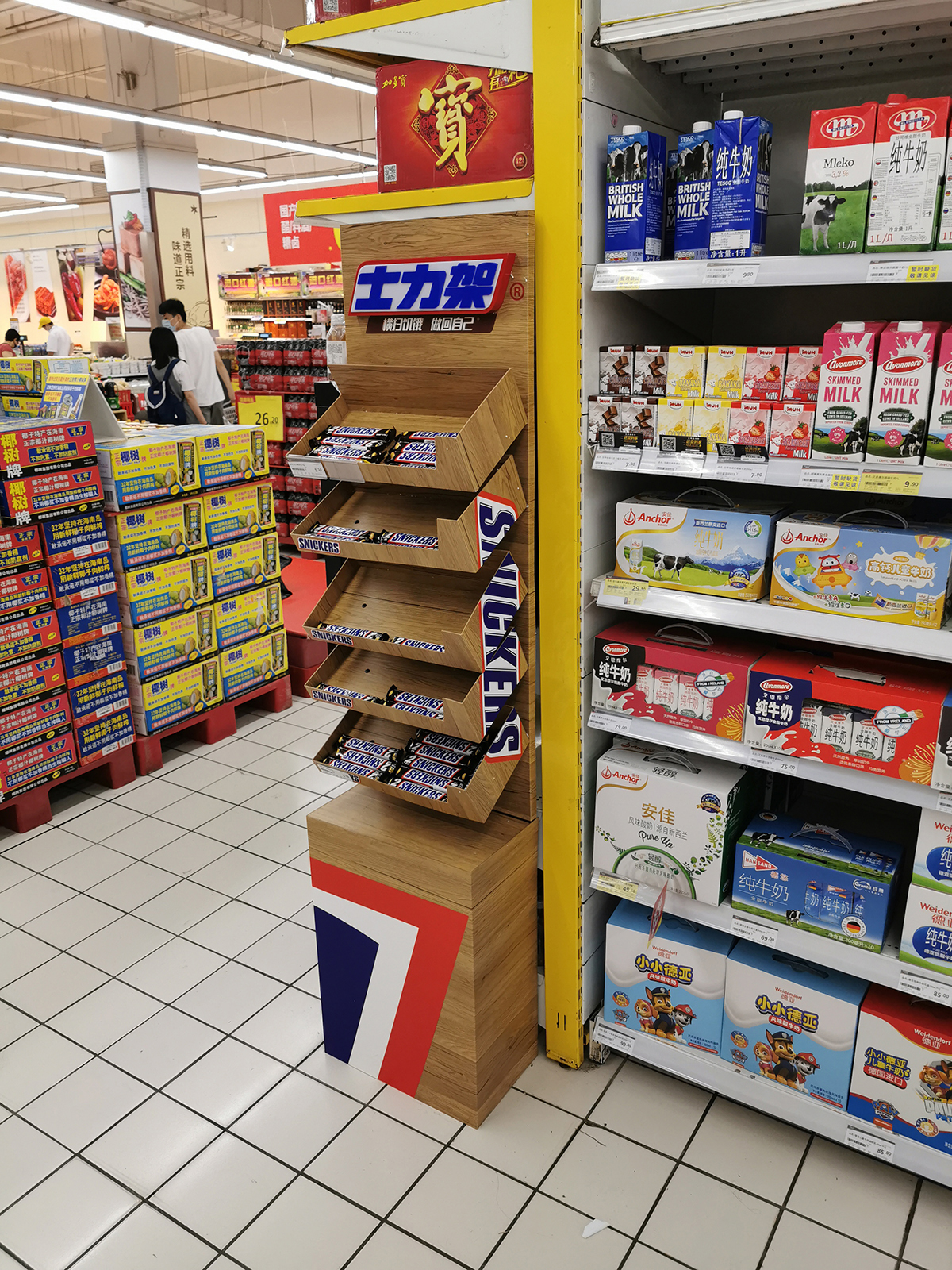
When selecting retail display solutions for your business, the choice between acrylic display stands and metal alternatives significantly impacts both customer engagement and product presentation effectiveness. Modern retail environments demand display systems that combine durability, aesthetic appeal, and functional versatility to maximize merchandise visibility and sales performance. Understanding the fundamental differences between acrylic display stands and metal counterparts enables retailers to make informed decisions that align with their specific operational requirements and brand positioning strategies.
Material Properties and Visual Impact
Transparency and Light Interaction
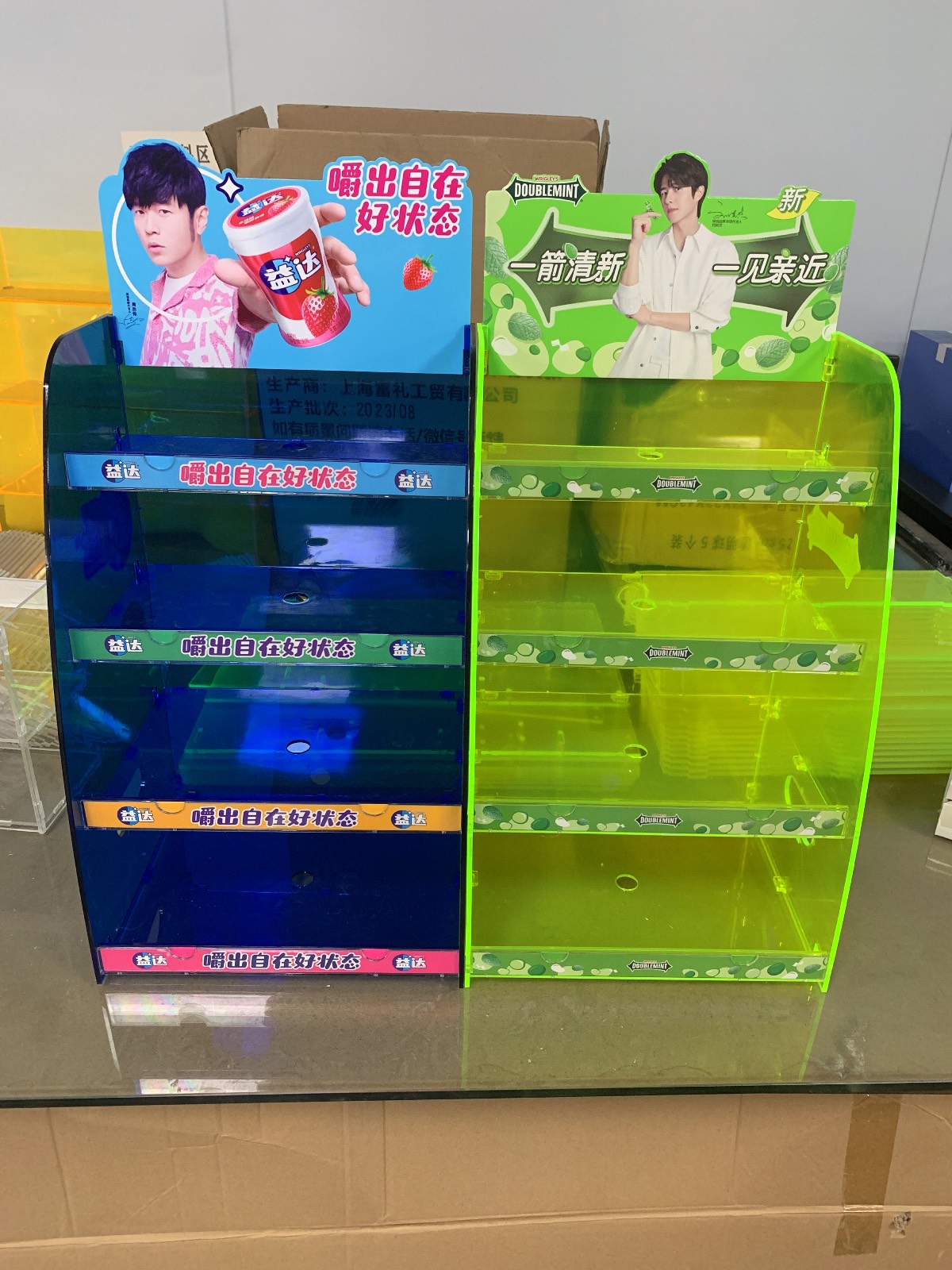
Acrylic display stands offer exceptional optical clarity that creates an almost invisible support structure, allowing products to appear as if floating in space. This transparency characteristic enables light to pass through the material seamlessly, creating enhanced visual depth and drawing customer attention directly to displayed merchandise. The light-conducting properties of acrylic materials can amplify ambient lighting effects, making products appear more vibrant and appealing under various retail lighting conditions.
Metal display stands, conversely, provide solid visual anchoring that establishes a definitive structural presence within retail environments. The opacity of metal materials creates clear visual boundaries and can complement industrial, modern, or traditional design aesthetics depending on finish treatments. Metal surfaces can be treated with various coatings, textures, and colors to achieve specific visual effects that support brand identity and environmental cohesion.
Surface Treatments and Customization Options
The customization potential of acrylic display stands extends beyond basic transparency to include frosted finishes, colored tints, and edge polishing techniques that create distinctive visual effects. Laser engraving capabilities allow for precise branding integration directly into the acrylic material, creating permanent identification that maintains clarity while adding functional value. Surface treatments can include anti-glare coatings, UV protection, and anti-static properties that enhance both performance and longevity.
Metal display solutions offer extensive surface treatment possibilities including powder coating, anodizing, brushed finishes, and plating options that provide both protective and aesthetic benefits. These treatments can dramatically alter the visual character of metal stands, from matte black professional appearances to bright chrome retail presentations. The durability of metal surface treatments typically exceeds that of acrylic alternatives, maintaining appearance integrity throughout extended use cycles.
Structural Performance and Durability
Load-Bearing Capacity and Stability
Metal display stands generally provide superior load-bearing capacity compared to acrylic alternatives, making them suitable for heavier merchandise and high-traffic retail environments. The inherent structural properties of metal materials allow for thinner profile designs while maintaining stability, enabling space-efficient configurations that maximize floor plan utilization. Engineering flexibility in metal construction permits custom load distribution solutions for specialized display requirements.
Acrylic display stands excel in applications requiring moderate load capacity with emphasis on visual lightness and spatial integration. The material properties of quality acrylic provide adequate structural support for most retail applications while maintaining the transparency that distinguishes these solutions from opaque alternatives. Proper engineering of acrylic display stands ensures stability through optimized base designs and appropriate thickness specifications that balance structural requirements with visual objectives.
Impact Resistance and Longevity
The impact resistance characteristics of acrylic display stands vary significantly based on material grade and construction techniques, with high-quality acrylic formulations providing substantial durability for retail environments. While acrylic materials can crack or chip under extreme impact conditions, proper installation and reasonable handling protocols typically ensure extended service life. Replacement costs for damaged acrylic components often prove more economical than metal alternatives due to simplified manufacturing processes.
Metal display stands demonstrate exceptional resilience against physical impact, environmental conditions, and wear patterns associated with high-traffic retail operations. The inherent toughness of metal construction resists deformation, maintains structural integrity under stress, and provides reliable performance throughout extended operational cycles. Investment in quality metal display solutions typically yields superior long-term value through reduced maintenance and replacement requirements.
Installation and Maintenance Considerations
Assembly Requirements and Complexity
Installation procedures for acrylic display stands typically involve straightforward assembly processes that minimize specialized tools and technical expertise requirements. The lightweight nature of acrylic components facilitates handling and positioning during installation, reducing labor time and associated costs. Modular design approaches in acrylic display systems enable flexible reconfiguration to accommodate changing merchandise requirements and seasonal displays.
Metal display stand installation may require additional consideration for weight distribution, floor loading, and structural connections that ensure stable operation in retail environments. While metal systems often provide superior modularity and expansion capabilities, initial installation procedures may demand greater technical knowledge and specialized fastening hardware. The permanence of metal installations can provide advantages in high-traffic locations where stability and security represent primary concerns.
Cleaning Protocols and Surface Maintenance
Maintenance requirements for acrylic display stands focus primarily on surface cleaning techniques that preserve optical clarity and prevent static buildup that attracts dust and debris. Appropriate cleaning products and techniques prevent scratching while maintaining the transparency that defines acrylic display effectiveness. Anti-static treatments can reduce cleaning frequency and maintain presentation quality between maintenance cycles.
Metal display stands require maintenance protocols that address surface finish preservation, corrosion prevention, and structural component inspection to ensure continued performance reliability. Different metal finishes demand specific cleaning approaches and protective treatments that maintain appearance while preventing degradation. The durability of metal surfaces typically tolerates more aggressive cleaning methods when necessary, providing operational flexibility in demanding retail environments.
Cost Analysis and Economic Factors
Initial Investment and Budget Considerations
The initial cost structure of acrylic display stands typically offers advantages in budget-conscious retail applications, with manufacturing efficiencies in acrylic processing contributing to competitive pricing. Volume purchasing opportunities can further reduce unit costs, making acrylic solutions attractive for large-scale retail implementations. The cost-effectiveness of acrylic display stands becomes particularly evident in applications where visual impact and flexibility outweigh maximum durability requirements.
Metal display stand investments generally require higher initial capital outlay but provide superior long-term value through extended service life and reduced replacement frequency. The engineering flexibility of metal construction enables custom solutions that address specific operational requirements, potentially eliminating the need for multiple display types. Premium metal finishes and specialized fabrication techniques can increase initial costs but deliver distinctive branding opportunities that support retail positioning strategies.
Lifecycle Cost Evaluation
Long-term cost analysis of acrylic display stands must consider replacement cycles, maintenance requirements, and potential for damage in high-traffic environments. While initial costs remain favorable, cumulative replacement expenses over extended operational periods may influence overall economic viability. The ability to repair or refurbish acrylic components varies based on damage type and material quality, affecting total cost of ownership calculations.
Metal display solutions typically demonstrate superior lifecycle cost performance through minimal replacement requirements and reduced maintenance expenses over extended operational periods. The durability of metal construction translates to predictable operational costs and reduced inventory management complexity associated with replacement component procurement. Investment in quality metal display systems often yields measurable returns through reduced total cost of ownership despite higher initial acquisition costs.
Application-Specific Selection Criteria
Retail Environment Compatibility
High-end retail environments often benefit from the sophisticated appearance and light-enhancing properties of acrylic display stands that complement premium merchandise presentation strategies. The transparency of acrylic materials supports minimalist design philosophies and creates unobstructed sightlines that enhance spatial perception. Luxury retail applications frequently specify acrylic display stands to maintain focus on merchandise while providing necessary functional support.
Industrial retail environments, automotive showrooms, and high-traffic commercial spaces typically favor metal display solutions that provide robust performance under demanding operational conditions. The structural integrity of metal construction supports heavy or awkwardly shaped merchandise while maintaining stability in environments with significant customer interaction. Metal display stands excel in applications where durability and security represent primary selection criteria.
Merchandise Compatibility and Display Requirements
Electronics, jewelry, cosmetics, and other high-value merchandise categories often pair effectively with acrylic display stands that provide security visibility while maintaining product focus. The anti-theft benefits of transparent displays allow security monitoring while creating attractive presentation environments. Acrylic display stands accommodate diverse product sizes and shapes through modular design approaches that enable customized configurations.
Heavy machinery parts, automotive components, tools, and industrial equipment typically require the structural support capabilities that metal display stands provide. The load-bearing advantages of metal construction enable safe display of substantial merchandise weights while maintaining accessibility for customer examination. Metal display solutions can incorporate specialized features such as locking mechanisms, adjustable components, and integrated lighting systems that enhance functionality.
FAQ
What factors determine whether acrylic or metal display stands work better for specific retail applications
The selection between acrylic display stands and metal alternatives depends on several critical factors including merchandise weight, environmental conditions, aesthetic requirements, and budget constraints. Acrylic solutions excel in applications emphasizing visual lightness, transparency, and moderate load requirements, while metal stands provide superior durability and structural support for heavier products or high-traffic environments. Consider your specific operational requirements, maintenance capabilities, and long-term cost objectives when evaluating display options.
How do maintenance requirements differ between acrylic and metal display solutions
Acrylic display stands require careful cleaning with appropriate products to maintain optical clarity and prevent surface scratching, with anti-static treatments helping reduce dust accumulation. Metal display stands typically tolerate more aggressive cleaning methods and focus on surface finish preservation and corrosion prevention. Both materials benefit from regular inspection and appropriate cleaning protocols, but metal solutions generally demonstrate greater tolerance for demanding maintenance conditions.
What cost considerations should influence the choice between acrylic and metal display stands
Initial acquisition costs typically favor acrylic display stands, while long-term value analysis often supports metal solutions through reduced replacement and maintenance expenses. Consider total cost of ownership including installation, maintenance, replacement cycles, and potential downtime when comparing options. Volume purchasing, customization requirements, and expected service life significantly influence economic viability for both material categories.
Can acrylic and metal display elements be combined effectively in retail environments
Hybrid display solutions combining acrylic and metal components can leverage the advantages of both materials while addressing specific functional requirements. Metal structural frameworks can provide stability and durability while acrylic elements maintain transparency and visual appeal. Such combinations require careful design integration to ensure aesthetic coherence and functional compatibility throughout the display system.
Table of Contents
- Material Properties and Visual Impact
- Structural Performance and Durability
- Installation and Maintenance Considerations
- Cost Analysis and Economic Factors
- Application-Specific Selection Criteria
-
FAQ
- What factors determine whether acrylic or metal display stands work better for specific retail applications
- How do maintenance requirements differ between acrylic and metal display solutions
- What cost considerations should influence the choice between acrylic and metal display stands
- Can acrylic and metal display elements be combined effectively in retail environments