 EN
EN

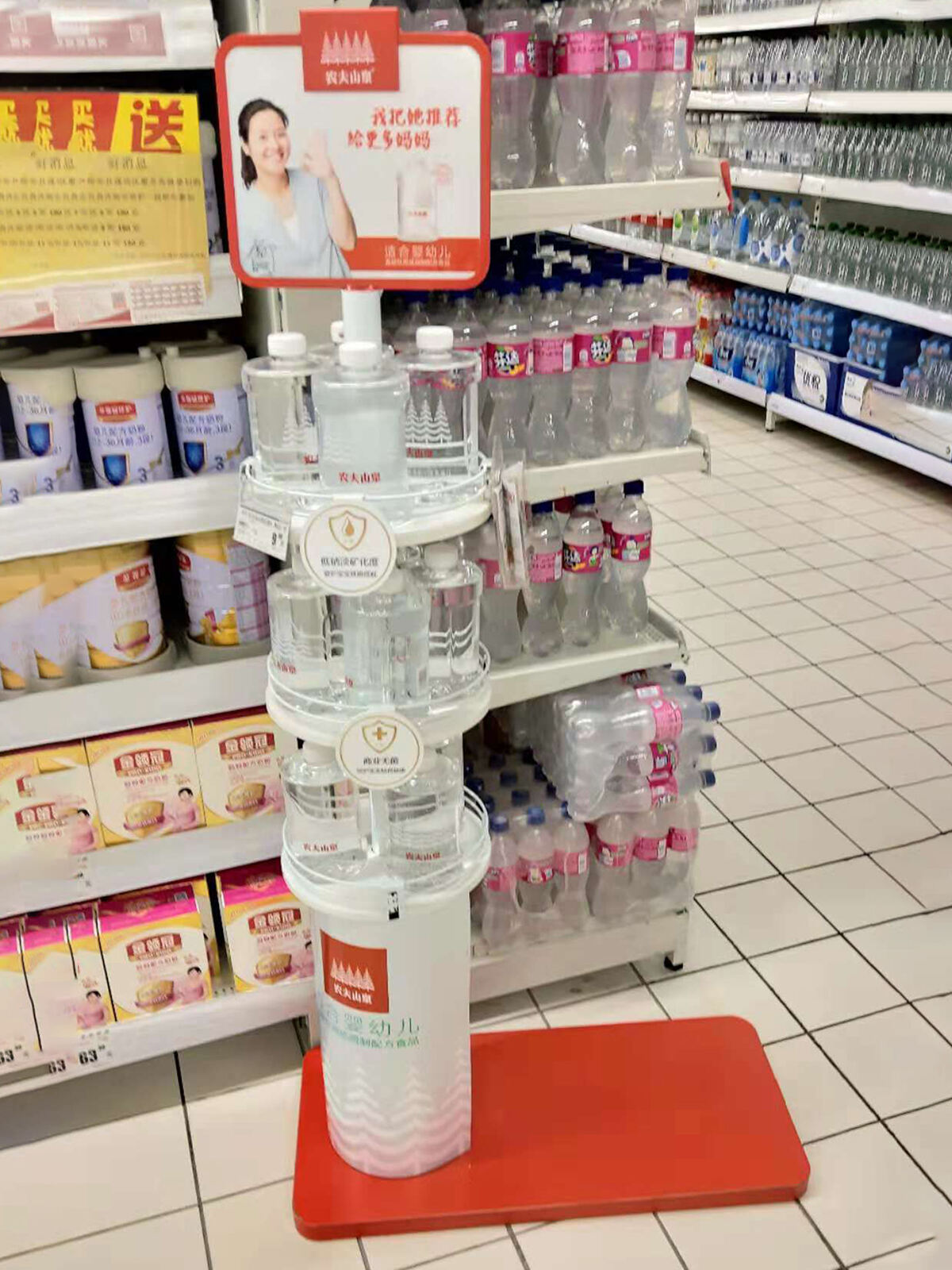
Choosing the right display solution for your retail environment directly impacts product visibility, customer engagement, and operational efficiency. While numerous materials exist for display stands including wood, metal, glass, and acrylic, plastic display stands have carved out a distinct niche due to their unique combination of versatility, cost-effectiveness, and practical benefits. Understanding when to select plastic display stands over alternatives requires careful consideration of your specific retail context, budget constraints, product requirements, and long-term business objectives.
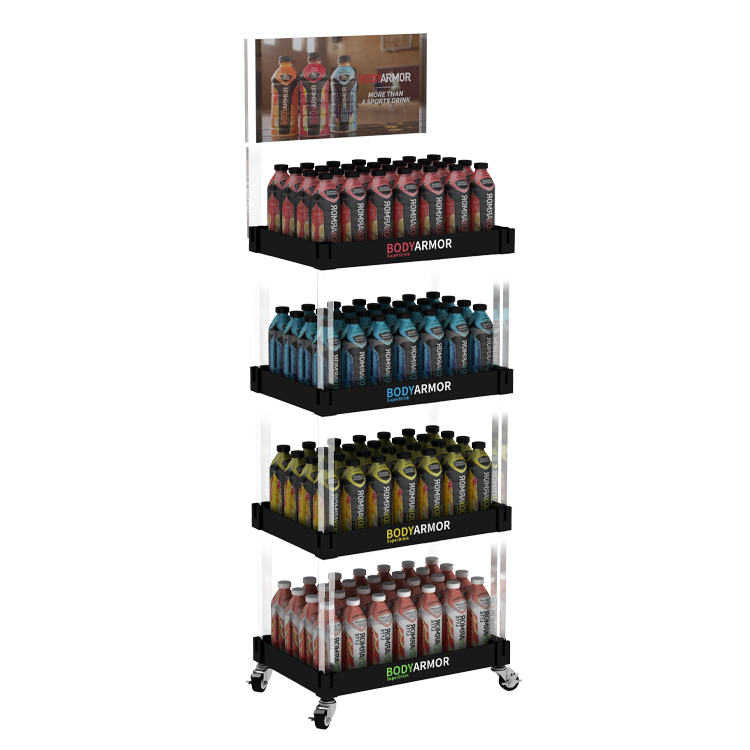
The decision to use plastic display stands becomes particularly relevant when retailers face specific operational challenges that other materials cannot address effectively. Plastic display stands excel in environments where flexibility, frequent repositioning, weight considerations, and budget limitations intersect. These scenarios often arise in high-traffic retail spaces, temporary promotional setups, seasonal displays, and locations where traditional materials like wood or metal present logistical or maintenance challenges. The timing of this decision typically aligns with store redesigns, new product launches, seasonal campaigns, or when existing display solutions fail to meet evolving retail needs.
Budget-Driven Decision Points for Plastic Display Stands
Initial Investment Considerations
The most immediate factor driving the choice of plastic display stands centers on budget allocation and initial investment requirements. Plastic display stands typically cost 40-60% less than equivalent wood or metal alternatives, making them attractive for startups, small retailers, or businesses launching new product lines with limited capital. This cost advantage becomes particularly significant when retailers need multiple display units across various locations or when implementing large-scale merchandising programs. The lower upfront investment allows businesses to allocate more resources toward inventory, marketing, or other operational priorities while still achieving professional display quality.
Long-term Cost Efficiency Analysis
Beyond initial purchase price, plastic display stands offer compelling long-term cost advantages that become apparent through extended use periods. Unlike wood displays that require periodic refinishing or metal stands that need rust treatment, plastic display stands maintain their appearance with minimal maintenance intervention. This translates to reduced labor costs for upkeep, elimination of refinishing expenses, and extended service life without degradation. Retailers operating multiple locations particularly benefit from this cost predictability, as plastic display stands standardize maintenance requirements across all sites.
Replacement and Scalability Economics
When retailers need to replace damaged displays or scale their operations rapidly, plastic display stands provide economic flexibility that alternatives cannot match. The lower replacement cost reduces the financial impact of accidental damage, theft, or normal wear in high-traffic environments. Additionally, the ability to quickly procure identical plastic display stands supports consistent brand presentation across multiple locations without significant capital expenditure. This scalability advantage proves crucial for growing businesses or seasonal retailers who need to adjust display quantities based on demand fluctuations.
Operational Environment Factors
High-Traffic Retail Environments
Busy retail environments with constant customer flow and frequent product handling create specific demands that favor plastic display stands over traditional alternatives. The lightweight nature of plastic display stands enables staff to reposition displays quickly during cleaning, restocking, or layout changes without requiring multiple personnel or equipment. This operational efficiency becomes particularly valuable in convenience stores, pharmacies, and grocery retailers where space optimization and rapid product turnover drive daily operations. The durability of quality plastic display stands also withstands repeated customer interaction without showing wear patterns that might detract from product presentation.
Temporary and Seasonal Display Applications
Retailers implementing temporary promotions, seasonal campaigns, or event-based displays find plastic display stands ideally suited for these applications. The ease of assembly and disassembly allows for quick deployment and removal without damaging floor surfaces or requiring permanent installation. Plastic display stands can be efficiently stored between uses, unlike bulkier wood or metal alternatives that consume valuable storage space. This flexibility proves essential for retailers who regularly rotate promotional displays or participate in trade shows, pop-up events, or seasonal markets where portability and quick setup capabilities determine operational success.
Climate and Environmental Considerations
Certain retail environments expose display stands to conditions that favor plastic materials over alternatives. Locations with high humidity, temperature fluctuations, or exposure to cleaning chemicals can cause wood to warp, metal to corrode, or glass to develop water spots. Plastic display stands resist these environmental challenges while maintaining structural integrity and appearance. This resistance makes them particularly suitable for outdoor retail settings, bathroom product displays, food service areas, or any location where moisture and cleaning frequency would compromise alternative materials.
Product-Specific Display Requirements
Lightweight Product Merchandising
When displaying lightweight products such as cosmetics, small electronics, snacks, or promotional items, plastic display stands provide an appropriately proportioned solution without over-engineering the display structure. The material weight matches the product weight category, creating visual harmony and preventing the display from overwhelming the merchandise. This proportional relationship enhances product presentation while maintaining cost efficiency, as heavier materials would provide unnecessary structural capacity for lightweight items. Retailers of accessories, impulse purchases, or sample-sized products particularly benefit from this material-to-product matching approach.
Frequent Product Rotation Scenarios
Products requiring regular rotation, seasonal changes, or promotional updates demand display solutions that accommodate frequent handling and reconfiguration. Plastic display stands excel in these applications due to their resistance to scratches, dents, and other handling damage that might accumulate over time with alternative materials. The smooth surfaces of plastic display stands also facilitate easy cleaning between product changes, ensuring each new display setup maintains professional appearance standards. This durability under frequent manipulation makes plastic display stands particularly valuable for retailers of fashion accessories, seasonal items, or products with rapid inventory turnover.
Multi-Location Brand Consistency
Retailers operating across multiple locations often struggle to maintain consistent brand presentation while managing diverse local conditions and operational constraints. Plastic display stands support brand consistency through standardized appearance, uniform dimensions, and predictable performance characteristics across different environments. The material stability ensures that plastic display stands maintain their intended appearance regardless of local climate conditions, handling practices, or maintenance schedules. This consistency proves crucial for franchise operations, chain retailers, or brands distributing through multiple independent retailers who need unified presentation standards.
Comparative Analysis Against Alternative Materials
Plastic Versus Wood Display Solutions
The decision between plastic display stands and wood alternatives often hinges on specific retail contexts and customer expectations. Wood displays offer premium aesthetic appeal and traditional craftsmanship associations that suit high-end retail environments, luxury brands, or heritage-focused merchandising strategies. However, plastic display stands provide superior moisture resistance, lower maintenance requirements, and consistent appearance over time. Retailers should choose plastic display stands when operational efficiency outweighs premium aesthetic considerations, particularly in high-turnover environments where durability and cost-effectiveness drive decision-making more than premium brand positioning.
Plastic Versus Metal Framework Comparison
Metal display stands offer maximum structural strength and industrial aesthetic appeal, making them suitable for heavy products or environments requiring robust construction. Yet plastic display stands provide advantages in weight, corrosion resistance, and installation flexibility that metal cannot match. The choice between plastic display stands and metal alternatives depends on load requirements, environmental conditions, and mobility needs. Retailers should select plastic display stands when frequent repositioning, moderate load capacity, and cost efficiency align with operational priorities, while reserving metal displays for heavy-duty applications requiring maximum structural integrity.
Plastic Versus Glass Display Considerations
Glass displays excel in high-end retail environments where transparency and premium presentation justify higher costs and maintenance requirements. Plastic display stands, particularly clear acrylic variants, provide similar visual transparency while offering superior impact resistance and lower replacement costs. The safety factor becomes crucial in family-oriented retail environments, high-traffic areas, or locations where accidental impact risks are elevated. Retailers should choose plastic display stands over glass when safety concerns, budget limitations, or frequent handling requirements outweigh the premium aesthetic advantages of glass construction.
FAQ
How long do plastic display stands typically last in retail environments?
Quality plastic display stands typically provide 3-5 years of service life in standard retail environments with proper handling and maintenance. High-traffic locations may see 2-3 years of optimal performance, while low-traffic or specialty retail settings often extend service life to 5-7 years. The actual lifespan depends on factors including plastic quality, design engineering, handling frequency, and environmental conditions such as UV exposure or temperature extremes.
Can plastic display stands support heavy products effectively?
Modern plastic display stands can support substantial weight loads when properly designed and engineered for specific applications. High-density polyethylene and reinforced acrylic plastic display stands routinely handle 20-50 pounds per shelf or display area. However, retailers should verify load specifications with manufacturers and consider metal alternatives for products exceeding 50 pounds or when maximum structural integrity is required for safety or insurance purposes.
Do plastic display stands look professional enough for upscale retail environments?
Contemporary plastic display stands, particularly those crafted from clear acrylic or high-quality colored plastics, achieve professional presentation standards suitable for most retail environments. The key lies in selecting appropriately designed plastic display stands with clean lines, smooth finishes, and proportional sizing for the intended products. Many upscale retailers successfully use plastic display stands for specific applications while reserving premium materials for signature displays or brand-defining presentation areas.
How do plastic display stands perform in outdoor or high-moisture retail settings?
Plastic display stands excel in challenging environmental conditions where moisture, temperature fluctuations, or cleaning chemical exposure would compromise alternative materials. UV-stabilized plastic formulations resist sun damage and color fading, while non-porous surfaces prevent moisture absorption and bacterial growth. This makes plastic display stands ideal for outdoor markets, pool retail areas, bathroom product displays, or any location where environmental challenges would limit the effectiveness of wood, metal, or fabric display solutions.
Table of Contents
- Budget-Driven Decision Points for Plastic Display Stands
- Operational Environment Factors
- Product-Specific Display Requirements
- Comparative Analysis Against Alternative Materials
-
FAQ
- How long do plastic display stands typically last in retail environments?
- Can plastic display stands support heavy products effectively?
- Do plastic display stands look professional enough for upscale retail environments?
- How do plastic display stands perform in outdoor or high-moisture retail settings?