 EN
EN

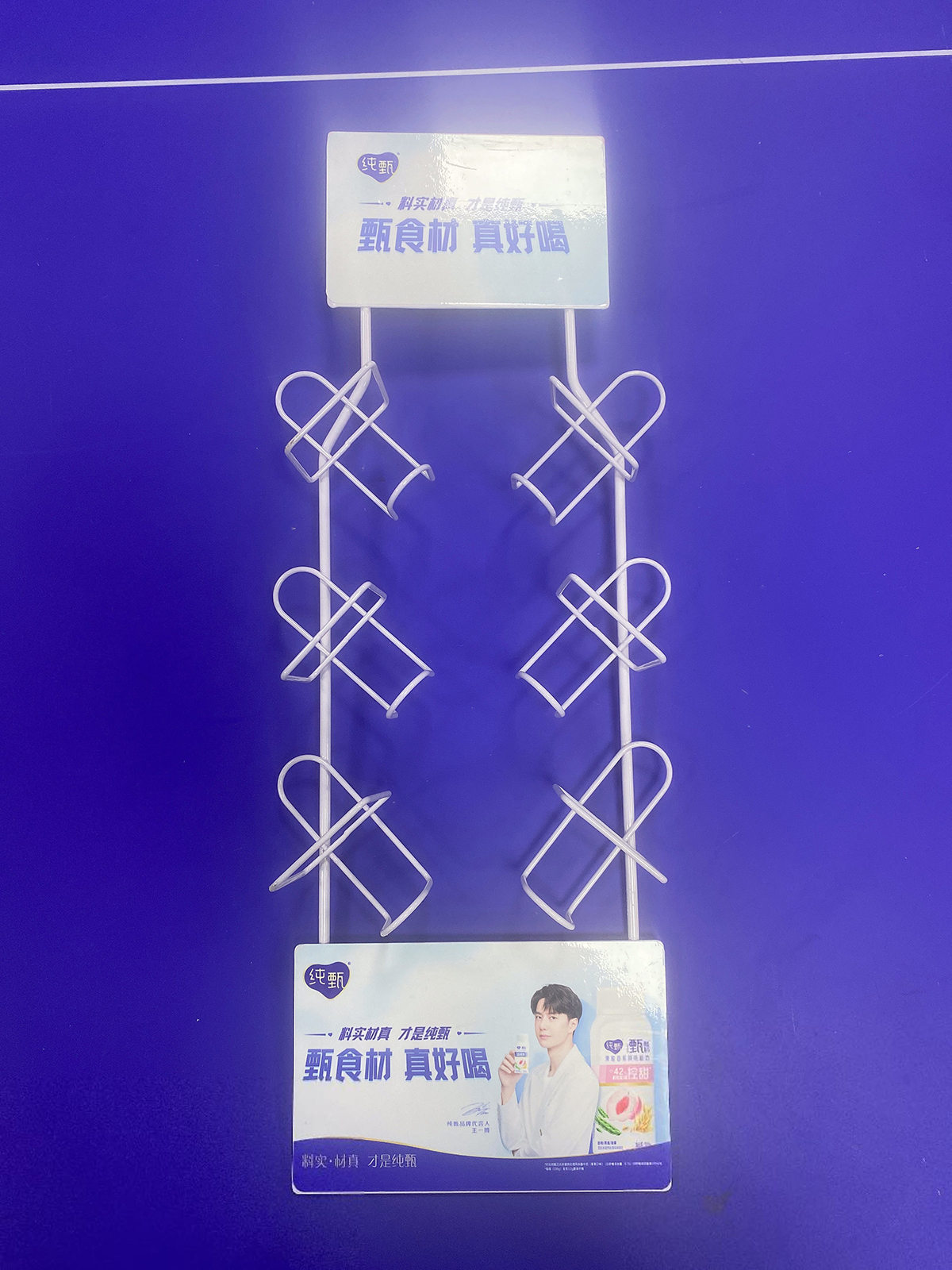
When businesses invest in custom display solutions, the difference between success and costly mistakes often lies in the evaluation process conducted before placing an order. Custom display units represent a significant investment in brand presentation and product visibility, making thorough assessment critical for achieving desired outcomes. The complexity of modern retail environments demands careful consideration of multiple factors that influence both immediate functionality and long-term performance of custom display installations.
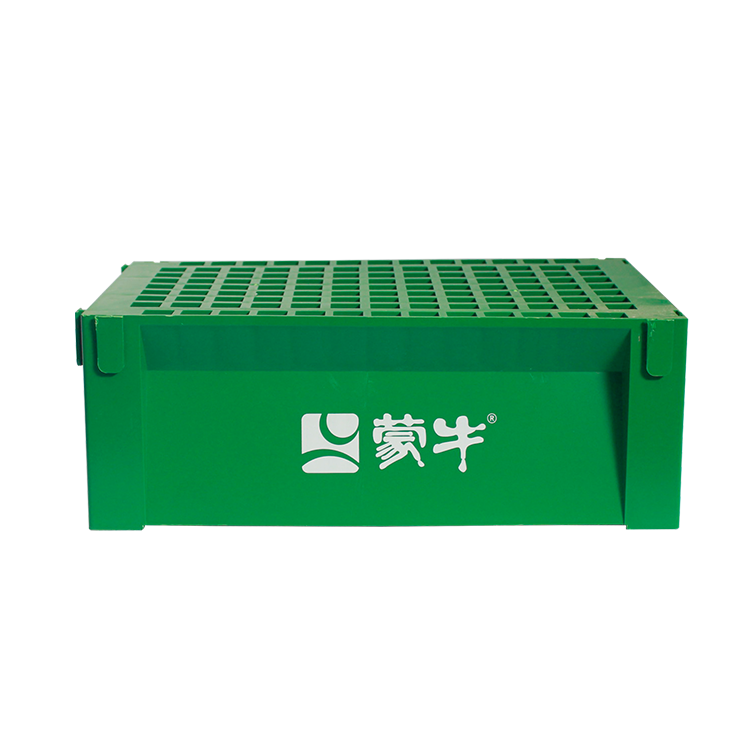
The evaluation framework for custom display procurement extends beyond simple aesthetic considerations to encompass structural integrity, environmental compatibility, regulatory compliance, and operational efficiency. Professional procurement teams understand that inadequate evaluation can result in displays that fail to meet spatial requirements, compromise product safety, or deliver insufficient return on investment. This comprehensive assessment approach ensures that custom display solutions align with both immediate deployment needs and strategic business objectives while maintaining cost-effectiveness throughout their operational lifecycle.
Space Requirements and Physical Constraints
Dimensional Analysis and Spatial Planning
Accurate dimensional assessment forms the foundation of successful custom display implementation. Physical space evaluation must account for both static footprint and dynamic operational requirements, including customer traffic flow, maintenance access, and emergency egress paths. Professional measurement protocols should document ceiling heights, floor load capacities, utility access points, and any architectural features that could impact display positioning or structural modifications.
The spatial planning process requires consideration of sight lines, accessibility compliance, and integration with existing fixtures or infrastructure. Custom display units often interact with lighting systems, HVAC equipment, and security installations, necessitating detailed coordination during the planning phase. Failure to properly evaluate these spatial relationships can result in costly modifications, reduced functionality, or complete redesign requirements after manufacturing has begun.
Environmental Conditions and Location Factors
Environmental assessment encompasses temperature variations, humidity levels, lighting conditions, and exposure to external elements that could affect custom display performance. Indoor installations may face challenges from heating and cooling systems, while outdoor or semi-outdoor locations require evaluation of weather resistance, UV exposure, and thermal expansion considerations. These environmental factors directly influence material selection, finish specifications, and structural design requirements.
Location-specific factors such as foot traffic patterns, vehicle proximity, and potential vandalism risks must be evaluated to ensure appropriate durability specifications. High-traffic retail environments demand different material properties and construction standards compared to controlled corporate settings. Understanding these environmental challenges enables specification of appropriate protective measures and maintenance protocols that preserve custom display functionality over time.
Material Selection and Construction Standards
Material Properties and Performance Characteristics
Material evaluation requires understanding the performance characteristics necessary for specific application requirements. Different materials offer varying combinations of strength, weight, appearance, and maintenance needs that must align with operational demands. Steel construction provides maximum structural integrity but may require specialized finishes for corrosion resistance, while composite materials offer weight advantages but may have limited load-bearing capacity.
The selection process should evaluate material sustainability, recyclability, and long-term availability for future modifications or repairs. Custom display projects often require specialty materials or finishes that may become unavailable over time, potentially complicating maintenance or expansion efforts. Cost analysis must consider not only initial material expenses but also long-term maintenance requirements, replacement part availability, and end-of-life disposal considerations.
Construction Quality and Manufacturing Standards
Manufacturing quality assessment involves evaluating production capabilities, quality control processes, and adherence to relevant industry standards. Custom display fabrication requires specialized equipment and skilled craftspeople capable of maintaining tight tolerances and consistent finish quality throughout production runs. The evaluation process should include facility inspections, sample reviews, and verification of quality management systems.
Construction standards must address structural integrity, electrical safety, and compliance with applicable building codes and safety regulations. Custom display units often incorporate electrical components, moving parts, or specialized mounting systems that require adherence to specific technical standards. Proper evaluation ensures that manufacturing processes can deliver compliant products that meet both performance requirements and regulatory obligations.
Functional Requirements and User Experience
Operational Functionality and Accessibility
Functional evaluation encompasses all operational requirements that custom display units must fulfill during their service life. This includes product loading and unloading procedures, inventory management capabilities, security features, and maintenance accessibility. Display units must accommodate the specific products they will showcase while providing intuitive operation for staff and engaging presentation for customers.
Accessibility compliance requires evaluation against current ADA standards and local accessibility regulations. Custom display designs must ensure that all interactive elements remain accessible to users with disabilities while maintaining aesthetic appeal and functional efficiency. This evaluation process often reveals design modifications necessary to achieve compliance without compromising visual impact or operational effectiveness.
Integration with Existing Systems
System integration assessment evaluates compatibility with existing infrastructure, technology platforms, and operational procedures. Custom display units may need to integrate with inventory management systems, point-of-sale equipment, security systems, or digital signage networks. Understanding these integration requirements early in the evaluation process prevents costly modifications and ensures seamless implementation.
The evaluation should consider future technology evolution and the potential for system upgrades or modifications. Custom display investments often span multiple years, during which underlying technology platforms may change significantly. Designing flexibility for future integration needs protects the long-term value of custom display investments while accommodating evolving business requirements and technological capabilities.
Budget Considerations and Total Cost Assessment
Initial Investment and Hidden Costs
Comprehensive budget evaluation extends beyond quoted manufacturing costs to include all expenses associated with custom display implementation. Installation costs, permit fees, site preparation, utility modifications, and project management expenses can significantly impact total project budgets. Professional evaluation identifies these potential costs early in the planning process, enabling accurate financial planning and preventing budget overruns.
Hidden costs often emerge from inadequate initial assessment, including structural modifications, electrical upgrades, or compliance-related changes discovered during implementation. Thorough evaluation protocols include contingency planning and risk assessment to identify potential cost impacts before they become unavoidable expenses. This proactive approach enables better financial control and more accurate return-on-investment calculations.
Long-term Value and Lifecycle Costs
Lifecycle cost analysis evaluates the total financial impact of custom display ownership over their expected service life. This assessment includes maintenance costs, energy consumption, insurance considerations, and potential modification expenses that may arise during operation. Understanding these ongoing costs enables more accurate comparison between different design alternatives and supplier proposals.
Value assessment should consider the potential for custom display units to enhance sales performance, improve operational efficiency, or provide competitive advantages that justify their cost. Quantifying these benefits requires understanding how custom display solutions support broader business objectives and contribute to revenue generation or cost reduction initiatives. This comprehensive value perspective ensures that investment decisions align with strategic business goals rather than focusing solely on initial cost considerations.
Supplier Evaluation and Partnership Assessment
Vendor Capabilities and Track Record
Supplier evaluation encompasses assessment of design capabilities, manufacturing capacity, project management expertise, and post-installation support services. Custom display projects require vendors with proven experience in similar applications and demonstrated ability to deliver complex solutions on schedule and within budget. The evaluation process should include reference checks, facility visits, and review of previous project case studies.
Technical capability assessment involves evaluating design software, manufacturing equipment, quality control systems, and engineering expertise available to support custom display development. Complex projects may require specialized capabilities such as structural engineering, electrical design, or regulatory compliance expertise that not all suppliers possess. Understanding these capability requirements ensures selection of appropriately qualified vendors capable of delivering successful outcomes.
Communication and Project Management
Effective communication protocols and project management capabilities significantly impact custom display project success. The evaluation process should assess vendor communication systems, project tracking capabilities, and change management procedures that will govern the working relationship. Clear communication expectations and project milestone definitions prevent misunderstandings and ensure alignment throughout the development process.
Project management assessment includes evaluation of scheduling capabilities, resource allocation systems, and coordination procedures for complex installations. Custom display projects often involve multiple trades, regulatory approvals, and coordination with ongoing business operations. Vendors must demonstrate proven project management capabilities that can navigate these complexities while maintaining project timelines and quality standards.
FAQ
How far in advance should I start evaluating custom display requirements?
Begin the evaluation process at least 3-6 months before your planned installation date. Complex custom display projects require time for thorough assessment, design development, manufacturing, and installation coordination. Starting early allows adequate time for permit approvals, site preparation, and any necessary modifications without rushing critical decisions that could compromise quality or functionality.
What documentation should I prepare before contacting custom display suppliers?
Prepare detailed site measurements, photographs, architectural drawings, product specifications, budget parameters, timeline requirements, and any relevant building codes or corporate standards. Include information about existing infrastructure, utility locations, accessibility requirements, and integration needs. Comprehensive documentation enables suppliers to provide accurate proposals and identify potential challenges early in the process.
How do I ensure my custom display will comply with relevant regulations?
Work with suppliers who demonstrate knowledge of applicable building codes, safety standards, accessibility requirements, and local regulations. Request documentation of compliance measures, review certification requirements, and involve qualified professionals such as structural engineers or code consultants when necessary. Verify that proposed designs meet all regulatory requirements before approving final specifications.
What should I include in my custom display evaluation criteria?
Develop evaluation criteria covering functionality, durability, aesthetics, cost, timeline, supplier qualifications, and long-term support. Weight these criteria based on your priorities and business objectives. Include specific performance requirements, quality standards, and success metrics that enable objective comparison between different proposals and design alternatives.