 EN
EN

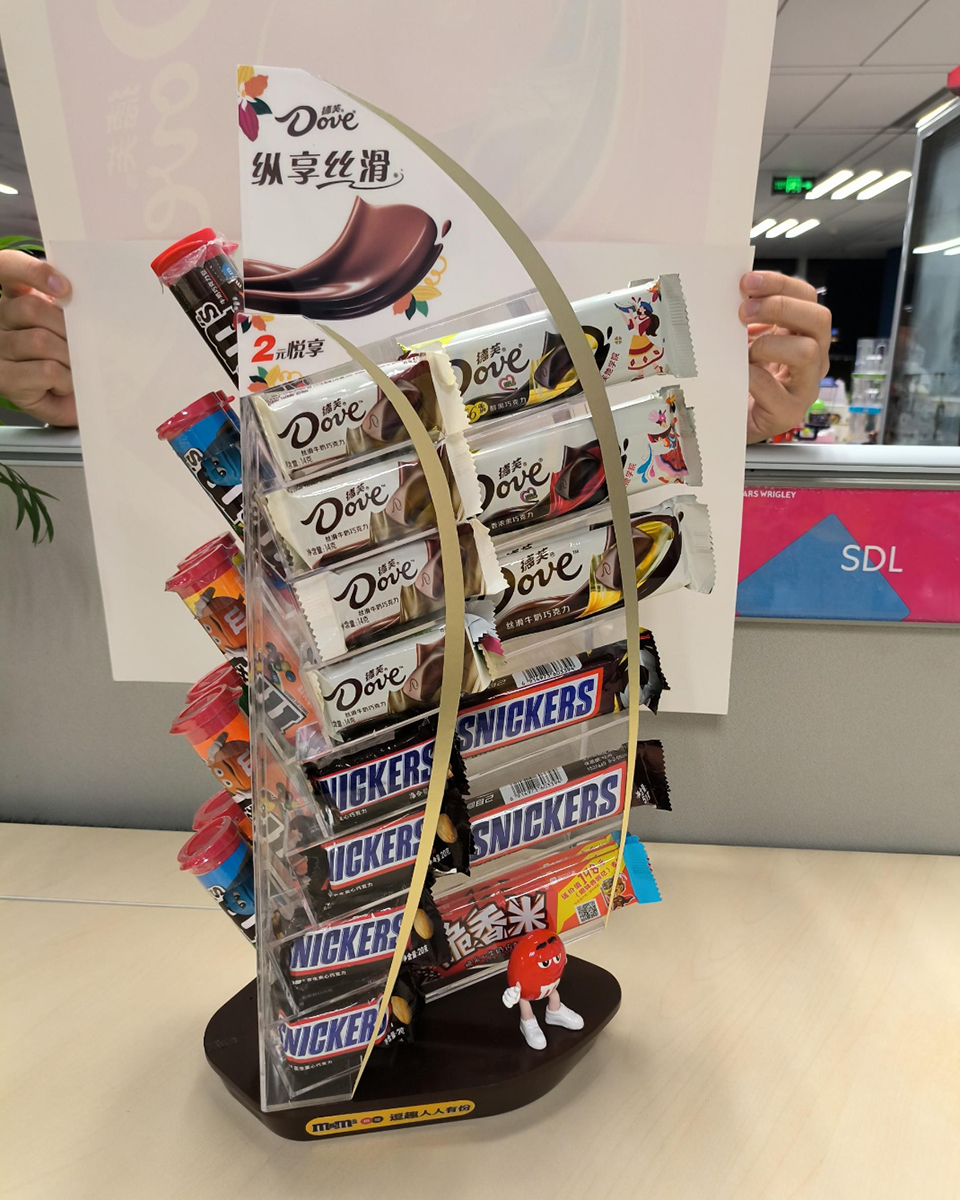
Lighting is one of the most underestimated elements of an effective chocolate display. Whether you are running a boutique confectionery shop, a premium grocery section, or a hotel dessert station, the way you illuminate your chocolates shapes how customers perceive flavor, quality, and desirability. The wrong type of light can make rich, glossy truffles look dull and unappetizing, while the right lighting can transform even a modest selection into an irresistible showcase that drives impulse purchases.
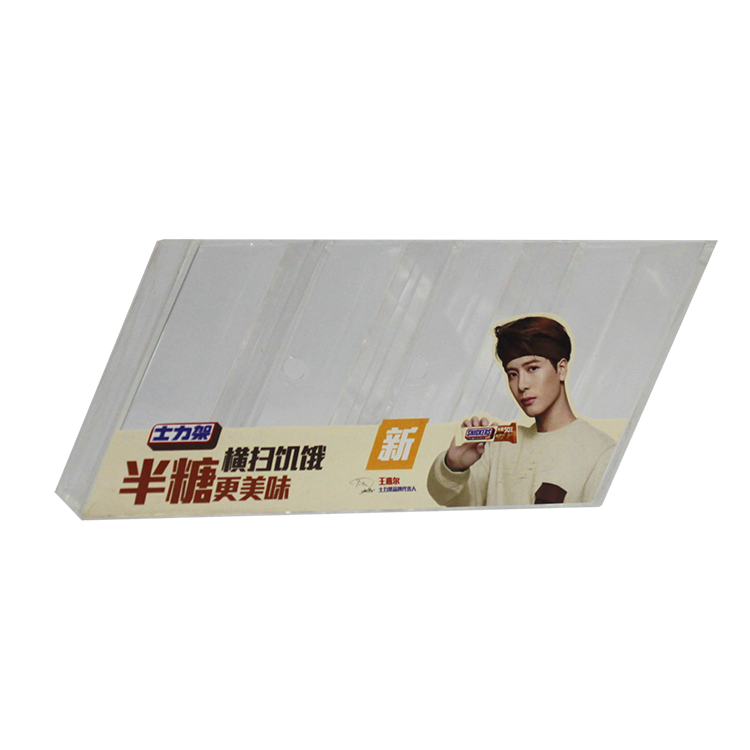
Understanding which lighting works best for a chocolate display requires examining color rendering, heat output, intensity, and how different light sources interact with the unique visual and physical properties of chocolate. Unlike other food products, chocolate is sensitive to both temperature and UV radiation, which means lighting decisions carry both aesthetic and practical consequences. This article walks through the key considerations and lighting types that genuinely serve a high-quality chocolate display environment.
Why Lighting Matters More for Chocolate Than Most Foods
The Visual Nature of Chocolate Sales
Chocolate purchases are heavily driven by visual appeal. The sheen of dark chocolate, the creamy luster of milk chocolate, and the delicate white surface of pralines all rely on reflected light to communicate quality. A well-designed chocolate display uses lighting to highlight these surface characteristics, making each piece look crafted and premium. When illumination is poorly chosen, the natural gloss fades, colors shift, and customers may subconsciously associate the product with lower quality.
In retail environments, the decision to purchase is often made within seconds of visual contact. This means that your chocolate display must capture attention quickly and hold it long enough for the customer to engage. Lighting plays a direct role in whether the display achieves this goal. A warm, well-directed light source can make a carefully arranged chocolate display appear inviting and luxurious, while harsh overhead fluorescents can flatten depth and kill visual appeal entirely.
Heat and UV Sensitivity in Chocolate
Beyond aesthetics, chocolate is physically vulnerable to heat and ultraviolet radiation. Excess heat causes chocolate to bloom — a process where cocoa butter separates and rises to the surface, leaving a whitish, streaky coating that is unpleasant to look at and signals poor storage. Any lighting solution used inside or near a chocolate display must produce minimal heat output to preserve product integrity.
UV light is equally damaging. Prolonged UV exposure degrades the fat content in chocolate, accelerates oxidation, and can alter flavor profiles. This makes traditional halogen and incandescent bulbs particularly problematic for an enclosed chocolate display case. The combination of heat and UV from these older light sources creates conditions that actively work against product quality. Selecting UV-filtered or UV-free lighting is not a luxury — it is a basic requirement for any serious chocolate display setup.
The Best Lighting Types for a Chocolate Display
LED Lighting as the Primary Choice
LED lighting has become the industry standard for food display cases, and for good reason. LEDs produce very little heat compared to incandescent or halogen alternatives, making them safe to use in close proximity to temperature-sensitive products like chocolate. For a chocolate display, LEDs offer precise color control, long operational life, and energy efficiency — all of which benefit both the product and the business operating the display.
When selecting LED strips or spotlights for a chocolate display, the color temperature matters significantly. Warm white LEDs in the range of 2700K to 3000K tend to work best for chocolate. This temperature range produces a soft golden light that enhances the richness of dark chocolate, adds warmth to milk chocolate tones, and gives pralines and truffles a luxurious, handcrafted appearance. Cool white LEDs above 4000K can make chocolate look bluish or sterile, which is generally unflattering in a retail or hospitality setting.
Color Rendering Index and Its Role
The Color Rendering Index, or CRI, measures how accurately a light source reveals the true colors of objects compared to natural daylight. For a chocolate display, a CRI of 90 or above is strongly recommended. High-CRI lighting ensures that the deep browns, caramels, and ivory tones of your chocolate products are rendered faithfully rather than appearing washed out or distorted.
Low-CRI lighting, which is common in budget commercial fixtures, tends to flatten the visual complexity of chocolate surfaces. The subtle gradients of a hand-dipped truffle or the textured finish of a molded bar become invisible under low-CRI light. By investing in high-CRI LEDs for your chocolate display, you ensure that the product looks as appealing under artificial light as it would in a photographer's studio — and that is precisely the impression you want to create in a premium retail environment.
Lighting Placement and Direction in a Chocolate Display Case
Top-Down vs. Side Lighting
The angle of light significantly affects how chocolate products appear in a chocolate display case. Top-down lighting from a single overhead source creates flat illumination with minimal shadow depth, which makes products appear less three-dimensional and less appealing. A better approach combines a primary light source with secondary accent lights placed at angles that create subtle highlights and shadows across the product surface.
Side lighting integrated within the shelving of a chocolate display case is particularly effective for emphasizing the layered arrangement of products. When light enters from the side and travels across a chocolate surface, it picks up texture, gloss, and shape — the visual cues that communicate craftsmanship and indulgence. This technique is widely used in high-end confectionery boutiques and is easily achievable with low-profile LED strip lights mounted along shelf edges.
Avoiding Glare and Hot Spots
Glare and hot spots are common problems in poorly planned chocolate display lighting. A hot spot occurs when light intensity is concentrated on a single product or area, creating a visually noisy effect that draws attention away from the overall display composition. Glare occurs when light reflects directly into the eyes of the customer, making it difficult to see the products clearly and reducing the overall quality impression of the chocolate display.
To avoid these issues, use diffused LED light sources rather than bare bulbs. Diffusers spread light evenly across the entire surface of the chocolate display, eliminating harsh intensity variations. Additionally, consider using frosted glass or acrylic panels in the display case itself to soften reflections and create a consistent, professional lighting environment throughout the chocolate display case.
Balancing Aesthetics and Preservation in Chocolate Display Lighting
Maintaining Temperature Control
Even low-heat LEDs generate some thermal output when operating over long retail hours. In a fully enclosed chocolate display case, this accumulated heat can gradually raise the internal temperature and stress the products. To manage this, ensure that your display case has adequate ventilation or temperature regulation, particularly if your chocolate display is in a warm retail environment or near other heat sources such as coffee machines or bakery equipment.
Some professional chocolate display cases are designed with integrated cooling systems that work in conjunction with lighting. In these setups, the lighting and cooling elements are balanced so that the internal temperature remains stable regardless of how long the display operates. If you are selecting a display case, look for models that explicitly account for LED lighting heat output in their thermal management design — this is a sign of a product engineered for long-term, professional use.
Switching Lighting Off When the Display Is Closed
A practical and often overlooked aspect of chocolate display lighting is the operational schedule. Leaving display lighting on overnight or outside of business hours serves no customer-facing purpose and accelerates product exposure to heat and light. Installing a timer or motion-activated lighting system ensures that the chocolate display is illuminated only when customers are present, extending both the operational life of the lighting and the freshness of the products.
This approach is also cost-effective from an energy standpoint. A chocolate display that runs lighting only during business hours can reduce energy consumption meaningfully over a month, particularly in large retail environments with multiple display units. Retailers who combine this strategy with high-efficiency LEDs find that their total lighting cost for the chocolate display section drops significantly while product quality is better maintained.
Practical Guidelines for Choosing the Right Lighting Setup
Matching Lighting to the Style of the Chocolate Display
The visual character of your chocolate display — whether it is a sleek modern case, a rustic wooden shelf unit, or an elegant tiered stand — should inform your lighting choices. Minimalist, contemporary displays often benefit from clean, uniform LED illumination that matches their design language. More decorative or artisan-style displays may benefit from slightly warmer, more intimate lighting that reinforces the handcrafted narrative of the products.
Consider the surrounding environment as well. A chocolate display positioned in a brightly lit supermarket aisle requires different lighting intensity than one placed in a dimly lit hotel lobby or specialty confectionery store. The display lighting should be noticeably brighter than the ambient environment so that the chocolate display stands out and draws customer attention without creating uncomfortable glare.
Testing Before Committing to a Lighting System
Before finalizing your lighting setup, test your chosen light source with actual product samples in the display case. Observe how the chocolate surfaces appear under the light from the same viewing angles your customers will use. Check for unwanted reflections, color shifts, or uneven illumination across different shelves. A chocolate display that looks attractive from one angle but washed out from another has a fundamental lighting problem that should be resolved before the display goes live.
Working with a display supplier who understands the specific requirements of a chocolate display is a significant advantage here. Experienced display manufacturers can recommend integrated lighting solutions that are already calibrated for the case dimensions, product sensitivity, and operational schedule. This removes much of the guesswork from the process and ensures that the final chocolate display performs as intended from day one.
FAQ
What color temperature LED is best for a chocolate display?
Warm white LEDs in the 2700K to 3000K range are generally best for a chocolate display. This color temperature enhances the natural warmth and richness of chocolate tones, making dark, milk, and white chocolate varieties look more appealing and premium. Cooler temperatures can make chocolate appear flat or slightly blue, which is unflattering in most retail contexts.
Can regular store lighting damage chocolate in a display case?
Yes, certain types of store lighting can damage chocolate. Halogen and incandescent bulbs produce significant heat and UV radiation, both of which can cause chocolate bloom and accelerate fat oxidation. A properly designed chocolate display should use UV-free or UV-filtered LED lighting to protect product quality during display hours.
How often should lighting in a chocolate display be replaced?
High-quality LED lights used in a chocolate display typically have a lifespan of 25,000 to 50,000 hours, which translates to several years of normal retail operation. However, it is worth periodically checking for dimming or color shift, as degraded LEDs can subtly reduce the visual appeal of the display even before they fail completely. Replacing LEDs proactively ensures consistent product presentation.
Does the number of lighting points affect the chocolate display appearance?
Yes, the number and distribution of light points significantly affects how a chocolate display looks. Too few light sources create uneven illumination with dark corners and bright spots, while a well-distributed lighting layout creates consistent, even coverage across all shelves. Multiple low-intensity lights distributed along shelf edges generally produce better results than a single high-intensity overhead source in an enclosed chocolate display case.