 EN
EN

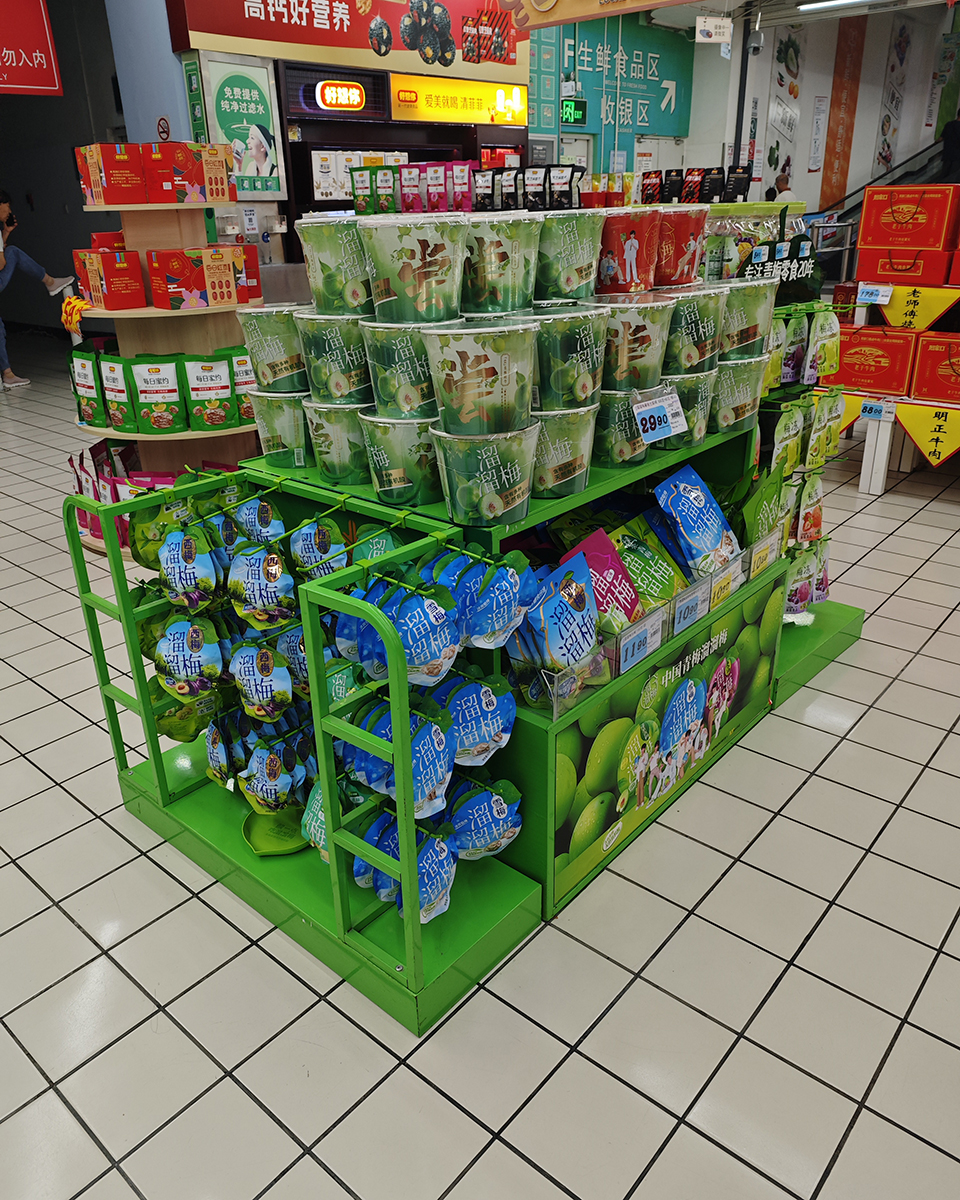
Small retail spaces present a unique challenge for store owners and visual merchandisers: how do you maximize sales potential without overwhelming a limited floor area? The answer often lies in choosing the right snack display solution. A well-planned snack display does more than hold products — it guides customer attention, encourages impulse purchases, and makes a compact store feel organized and inviting rather than cluttered and chaotic. For small retailers, every square foot matters, and the snack display you select can make a measurable difference in both the shopping experience and your bottom line.
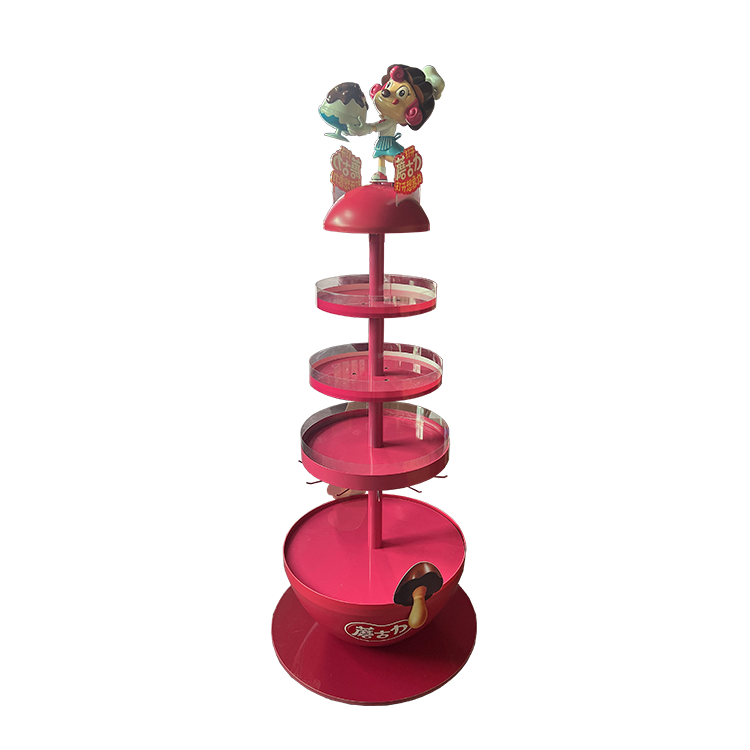
Understanding what types of snack display options actually work in tight retail environments requires looking beyond standard shelving logic. The solutions that succeed in compact stores are those that combine smart vertical use of space, flexibility for product rotation, and visual clarity that draws shoppers in even from a distance. This article breaks down the most effective snack display strategies and formats for small retail spaces, helping you make informed decisions that align with your store's layout, customer flow, and product range.
Why Small Retail Spaces Demand a Different Snack Display Approach
The Constraints That Change Everything
In a small retail environment, the typical big-box shelving layout simply does not translate. Wide gondola runs, deep floor stands, and multi-tier bulk bins can consume space that a compact store cannot afford to sacrifice. A snack display in a small store needs to be selected with a clear understanding of aisle width, ceiling height, customer traffic patterns, and the number of SKUs you plan to carry. Ignoring these factors leads to overcrowded aisles, blocked sightlines, and frustrated shoppers.
The good news is that the snack category is naturally well-suited to compact display formats. Individual portion packs, bagged chips, candy bars, and dried fruit products are lightweight, uniformly sized, and visually colorful — all qualities that work well in vertical, modular, or countertop snack display configurations. The key is matching the display format to the physical realities of your space while still maintaining adequate product variety to satisfy customer demand.
Customer Behavior in Compact Store Environments
Shoppers in smaller stores tend to move more slowly and browse more carefully than in large supermarkets. This behavioral pattern creates an advantage: a well-positioned snack display can capture attention and trigger impulse purchases more effectively than in a sprawling big-box environment. Customers are in closer proximity to the merchandise, which means tactile appeal, product visibility, and clear pricing become especially powerful conversion tools.
A snack display that is thoughtfully placed at a natural pause point — near the checkout counter, at the end of a short aisle, or adjacent to a beverage cooler — can generate significant incremental sales. Small store operators should think of each snack display placement as a strategic decision, not just a storage solution. The goal is to intercept the customer's natural movement path and make the snack category impossible to miss.
Snack Display Formats That Work Best in Small Spaces
Countertop and Point-of-Sale Snack Displays
Countertop snack display units are among the most efficient solutions for small retail environments. These compact fixtures sit directly on checkout counters, service desks, or shelf tops, and they require zero additional floor space. A countertop snack display can hold a focused range of high-margin, fast-moving products — single-serve chip bags, candy bars, chewing gum, or energy snack bites — where customer dwell time is naturally highest.
For maximum impact, countertop snack displays should be tiered to create visual depth, with the highest-margin items placed at eye level. Clear acrylic or wire-frame countertop displays allow products to speak for themselves through colorful packaging. These units are also easy to restock, reposition, and adapt as your product mix evolves — a significant advantage for small retailers who frequently rotate their snack assortment based on season or supplier availability.
Wall-Mounted Snack Display Systems
Wall-mounted shelving and pegboard systems represent one of the smartest investments a small retailer can make for snack merchandising. By taking the snack display entirely off the floor and anchoring it to vertical wall space, you reclaim aisle width while still presenting a broad range of products. Floor-to-ceiling wall systems can hold dozens of SKUs in a footprint that occupies no usable floor area at all.
Modern wall-mounted snack display solutions often incorporate adjustable shelf brackets, pusher systems, and price label channels that make restocking and planogram changes straightforward. This flexibility is important for small stores that stock a rotating or seasonal snack selection. When wall display systems are combined with proper lighting — particularly LED strip lights integrated into the shelf edges — the entire snack category becomes visually prominent even from the store entrance.
Slim-Profile Freestanding Snack Display Racks
Not every small retailer has adequate wall space to support a full wall-mounted system. In these cases, slim-profile freestanding snack display racks offer a practical middle ground. These units typically measure 30 to 45 centimeters in depth, allowing them to fit into narrow aisle ends, beside doorways, or in corner locations without obstructing traffic flow. Double-sided slim racks are especially effective because they present snack products on both faces, doubling the display capacity without increasing floor footprint.
A snack display rack of this type works particularly well for grab-and-go snack categories in convenience stores, specialty food shops, and pharmacy front ends. The slim form factor also makes it easy to reposition the unit as store layout needs change, which is a meaningful operational benefit for small retail operators who need to adapt their floor plan regularly.
Key Selection Criteria for a Small-Store Snack Display
Footprint Versus Capacity Ratio
The most important metric for evaluating any snack display in a small store context is the ratio of floor footprint to total product capacity. A display that occupies half a square meter of floor space but holds only twenty product facings delivers poor spatial ROI compared to a wall-mounted or tiered unit that holds sixty facings in the same physical zone. Always calculate this ratio before committing to a snack display format, and give preference to solutions that maximize vertical space use.
Product density matters too, but only up to a point. Overstuffing a snack display creates a cluttered appearance that reduces perceived product value and makes it harder for customers to locate specific items. Aim for a density that looks full and abundant without appearing disorganized. This usually means filling approximately 80 to 85 percent of available facing positions, leaving some visual breathing room between product groups.
Modularity and Adaptability
Small retailers frequently need to adjust their product mix in response to seasonal trends, supplier changes, and new product launches. A snack display system that is fully modular — with interchangeable shelves, adjustable dividers, and compatible add-on components — gives you the flexibility to reshape your snack section without purchasing entirely new fixtures. This modular approach also protects your investment over time as your store's needs evolve.
Look for snack display systems that use standardized bracket spacing and universal accessories. This compatibility allows you to mix and match components from the same system family without creating visual inconsistency. A cohesive, well-organized snack display communicates professionalism and brand quality to shoppers, even in a very small store environment.
Material and Aesthetic Alignment
The visual language of your snack display should align with your store's overall aesthetic identity. A craft food boutique benefits from natural wood or matte black metal snack display fixtures that reinforce a premium, artisanal brand feel. A convenience store or petrol station forecourt shop might prioritize durable wire or powder-coated steel displays that signal affordability and practicality. Mismatched fixture materials create visual noise that undermines the shopping environment and dilutes brand consistency.
For small spaces, lighter-colored fixture finishes — white, light grey, or natural wood tones — tend to make the store feel more open and less crowded than dark or heavy-looking snack display materials. This psychological effect is worth considering seriously, as it can measurably improve customer comfort and dwell time in smaller store formats.
Layout Strategies to Amplify Snack Display Performance
Strategic Placement Near High-Traffic Touchpoints
Even the most thoughtfully designed snack display will underperform if it is placed in a low-traffic area of the store. In small retail environments, high-traffic touchpoints include the entrance zone, the checkout counter, the path between the entrance and the most frequently purchased category, and the front face of any major refrigeration unit. Placing your snack display in or adjacent to these zones dramatically increases exposure frequency and impulse conversion rates.
Secondary placements — such as a small countertop snack display at a service counter or a slim freestanding rack near a beverage display — create additional interception opportunities without duplicating the main snack section. This layered placement strategy ensures that no matter which path a customer takes through the store, they encounter at least one snack display touchpoint before reaching the checkout.
Cross-Merchandising Snack Displays with Complementary Categories
One of the most effective tactics for boosting snack display performance in small stores is cross-merchandising — positioning snack products adjacent to complementary categories that naturally pair with them. Snacks displayed next to cold drinks, hot beverage stations, or lunchtime prepared food sections benefit from combined purchase logic. When a customer reaches for a sandwich or a coffee, a well-positioned snack display within arm's reach becomes the natural accompaniment choice.
This approach requires coordination between your store layout plan and your snack display fixture selection. Choose snack display formats that can be positioned flexibly — not ones that require permanent wall anchoring or fixed floor installation — so you can adjust placement as you learn more about your customers' purchasing habits and movement patterns within the store.
Common Mistakes to Avoid with Snack Display in Small Stores
Overloading the Display Beyond Its Visual Capacity
A common mistake small retailers make is trying to stock too many SKUs on a single snack display unit. While the instinct to offer maximum variety is understandable, an overloaded snack display looks chaotic and makes product selection stressful for the customer. A curated, well-organized display of twenty to thirty SKUs often outperforms a cluttered display of fifty SKUs, both in terms of visual appeal and actual sales conversion. Prioritize your highest-velocity and highest-margin snack items and let the display format do its job without being overwhelmed.
Product facings — the number of identical product units visible from the front — also matter significantly. A snack display with strong facings (two to three units deep per product) looks well-stocked and builds customer confidence. Single-facing presentations can look sparse and signal low stock levels, which psychologically discourages purchase behavior.
Neglecting Lighting and Signage Integration
Many small store operators invest in a quality snack display fixture but neglect to consider how lighting and signage interact with the display's effectiveness. Poor overhead lighting creates shadows across product packaging, reducing the visual impact of colorful snack branding. Integrated shelf lighting — whether LED strips or focused spotlights aimed at the snack display zone — dramatically increases product visibility and creates a premium presentation that justifies higher price points.
Clear, minimal price signage is equally important. Customers in small stores expect to find pricing information quickly and easily. A snack display without legible pricing creates friction in the purchase decision and can result in abandoned transactions. Use consistent, cleanly formatted price labels that align visually with your store's brand identity while remaining immediately readable from normal browsing distance.
FAQ
What is the most space-efficient snack display option for a very small store?
Wall-mounted shelving systems are typically the most space-efficient snack display option for very small stores because they utilize vertical wall space without consuming any floor area. Combined with a countertop snack display at the checkout, this approach maximizes product visibility and accessibility while keeping aisles clear and walkable for customers.
How many product SKUs should a small-store snack display carry?
For small retail environments, a focused snack display carrying twenty to thirty high-velocity SKUs is generally more effective than one overloaded with fifty or more options. Prioritize your best-selling and highest-margin items, ensure strong product facings, and rotate seasonal or promotional items regularly to maintain customer interest without overwhelming the display.
Can a snack display be used effectively near a checkout counter in a small store?
Yes, the checkout counter area is actually one of the highest-performing locations for a snack display in any retail environment, but especially in small stores. Customers waiting at checkout have natural dwell time and are in a decision-ready mindset. A compact countertop snack display positioned within easy reach of the checkout counter consistently drives impulse purchases of single-serve and grab-and-go snack products.
How do I choose between a freestanding and wall-mounted snack display for my store?
The choice depends on your available wall space, floor plan flexibility, and product volume. If you have open wall sections along a main aisle, a wall-mounted snack display system offers superior space efficiency. If your walls are occupied by other fixtures or you need flexibility to reposition your snack section seasonally, a slim-profile freestanding snack display rack provides the adaptability you need without permanent installation commitments.
Table of Contents
- Why Small Retail Spaces Demand a Different Snack Display Approach
- Snack Display Formats That Work Best in Small Spaces
- Key Selection Criteria for a Small-Store Snack Display
- Layout Strategies to Amplify Snack Display Performance
- Common Mistakes to Avoid with Snack Display in Small Stores
-
FAQ
- What is the most space-efficient snack display option for a very small store?
- How many product SKUs should a small-store snack display carry?
- Can a snack display be used effectively near a checkout counter in a small store?
- How do I choose between a freestanding and wall-mounted snack display for my store?