 EN
EN

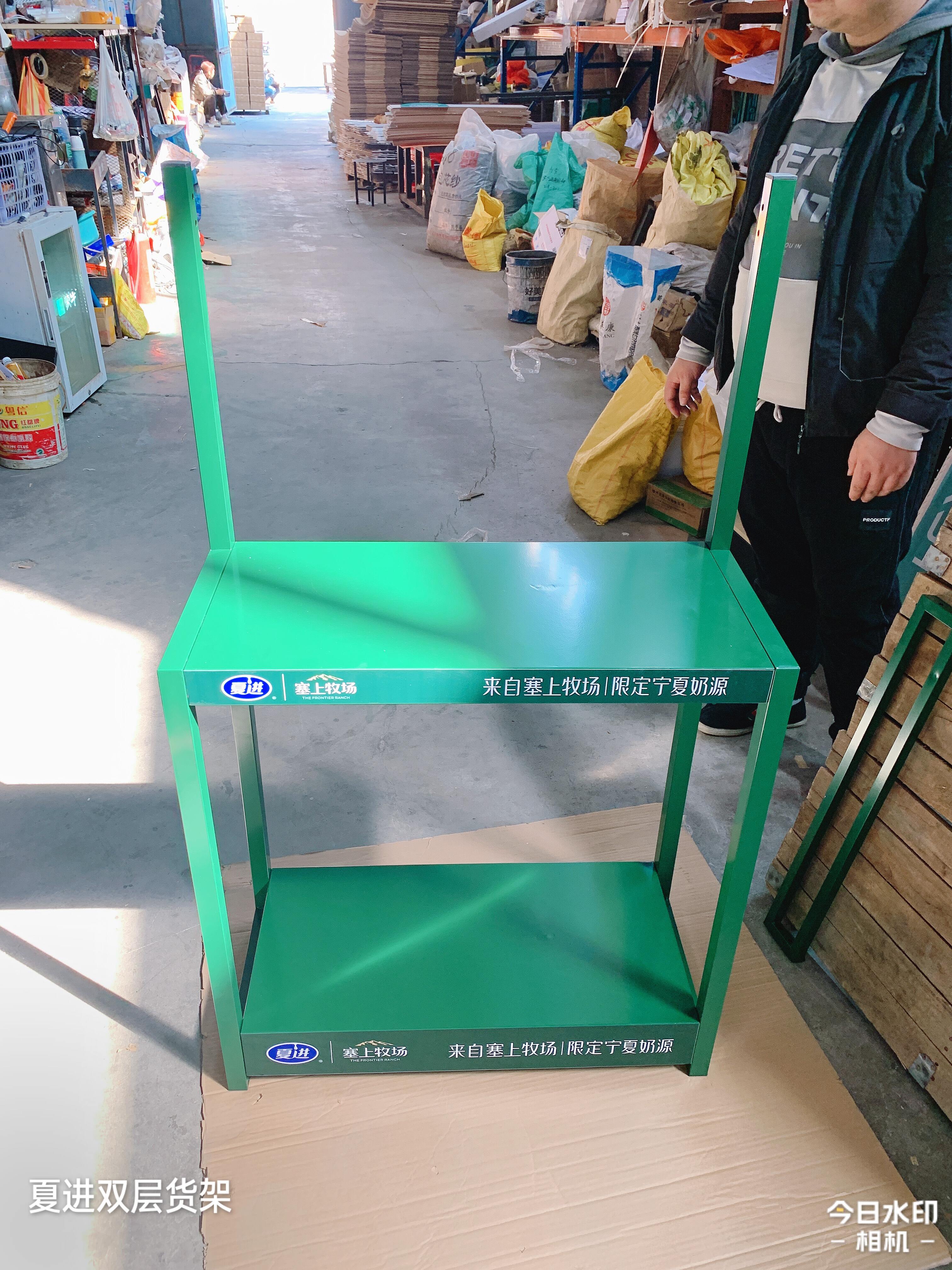
Plastic display stands represent a fundamental component of modern retail merchandising, serving as versatile fixtures designed to showcase products while maximizing space efficiency and visual appeal. These lightweight yet durable structures have revolutionized how retailers present merchandise, offering a cost-effective alternative to traditional metal or wooden display solutions. Understanding what plastic display stands are and their operational mechanisms is crucial for retailers, marketers, and business owners seeking to optimize their product presentation strategies.

The functionality of plastic display stands extends beyond simple product placement, encompassing sophisticated design principles that influence consumer behavior and purchasing decisions. These stands operate through strategic positioning, ergonomic design, and visual psychology to create compelling retail environments that drive sales performance. Modern plastic display stands incorporate modular construction techniques, allowing for flexible configuration and easy assembly without requiring specialized tools or extensive setup time.
Core Components and Material Science Behind Plastic Display Stands
Primary Material Composition and Properties
Plastic display stands utilize high-grade thermoplastic materials, primarily polyethylene terephthalate (PET), polystyrene (PS), and polypropylene (PP), each selected for specific performance characteristics. These materials provide excellent clarity for transparent applications, impact resistance for durability, and chemical stability for long-term use in various retail environments. The molecular structure of these plastics allows for precise molding and shaping during manufacturing, enabling complex geometric designs that would be challenging to achieve with traditional materials.
The material properties of plastic display stands include superior weight-to-strength ratios, making them significantly lighter than metal alternatives while maintaining structural integrity under typical retail loads. These plastics exhibit excellent resistance to environmental factors such as humidity, temperature fluctuations, and UV exposure, ensuring consistent appearance and performance over extended periods. Additionally, the non-porous surface of quality plastic display stands prevents bacterial growth and facilitates easy cleaning and maintenance in commercial settings.
Structural Engineering and Load Distribution
The engineering principles governing plastic display stands involve sophisticated load distribution mechanisms that ensure stability while minimizing material usage. Strategic reinforcement points, typically located at stress concentration areas such as joints and corners, provide enhanced structural integrity without compromising the overall aesthetic appeal. The geometric configuration of these stands often incorporates triangular bracing elements and curved surfaces that naturally distribute weight forces across the entire structure.
Modern plastic display stands employ finite element analysis during the design phase to optimize material placement and predict performance under various loading conditions. This engineering approach results in stands that can support substantial product weights while maintaining their dimensional stability and visual clarity. The structural design also incorporates safety factors that account for dynamic loading scenarios, such as customer interaction and product restocking activities.
Assembly Mechanisms and Operational Principles
Modular Connection Systems
The operational effectiveness of plastic display stands relies heavily on their modular connection systems, which enable rapid assembly and reconfiguration without requiring specialized tools or expertise. These connection mechanisms typically employ snap-fit joints, tongue-and-groove interfaces, or interlocking tab systems that create secure connections while allowing for easy disassembly when needed. The precision molding of these connection points ensures consistent fit tolerances and reliable performance across multiple assembly cycles.
Advanced plastic display stands incorporate color-coded or numbered assembly guides molded directly into the components, streamlining the setup process and reducing the potential for assembly errors. These visual cues work in conjunction with the mechanical connection features to create an intuitive assembly experience that can be completed by retail staff without extensive training. The modular nature of these systems also allows for incremental expansion or modification of display configurations as merchandising needs evolve.
Stability and Support Mechanisms
The stability mechanisms of plastic display stands operate through carefully engineered base configurations and center-of-gravity management principles. Wide-stance base designs, often featuring multiple contact points with the floor surface, provide enhanced stability while maintaining an unobtrusive footprint that maximizes usable floor space. Some advanced designs incorporate adjustable leveling feet that compensate for uneven floor surfaces and ensure optimal display positioning.
Weight distribution strategies employed in plastic display stands include strategic placement of heavier components at lower levels and the use of counterbalancing techniques to prevent tipping under typical loading conditions. These stability features work seamlessly with the overall aesthetic design, ensuring that safety considerations do not compromise the visual appeal or functionality of the display system. The integration of stability mechanisms into the core structural design eliminates the need for external bracing or anchoring systems in most applications.
Visual Merchandising Functions and Consumer Psychology
Product Presentation Enhancement Techniques
Plastic display stands function as sophisticated visual merchandising tools that leverage principles of consumer psychology to influence purchasing behavior and enhance product appeal. The transparent or translucent nature of many plastic display stands creates an illusion of floating products, drawing attention to the merchandise rather than the display fixture itself. This psychological effect, known as the transparency bias, helps customers focus on product features and benefits while subconsciously associating the items with qualities of clarity and purity.
The angular positioning capabilities of plastic display stands enable optimal product orientation relative to customer sight lines and traffic flow patterns. Tilted display surfaces, for example, reduce glare and improve visibility while creating a sense of dynamic movement that captures attention. The ability to position products at various heights and angles within a single display system accommodates different product categories and customer demographics, maximizing the effectiveness of limited retail floor space.
Traffic Flow and Customer Engagement Strategies
The operational principles of plastic display stands extend to their role in guiding customer movement and encouraging product interaction within retail environments. Strategic placement of these stands creates natural pathways that direct foot traffic past featured merchandise while avoiding congestion in high-traffic areas. The compact footprint and streamlined profiles of modern plastic display stands enable efficient space utilization without creating barriers to customer movement or accessibility.
Interactive elements incorporated into plastic display stands, such as rotating components or adjustable shelving, encourage customer engagement and hands-on product evaluation. These engagement mechanisms operate through simple mechanical principles that provide smooth, reliable operation while withstanding frequent use. The tactile experience of interacting with well-designed plastic display stands creates positive associations that can influence purchasing decisions and enhance overall customer satisfaction.
Maintenance and Operational Efficiency
Cleaning and Hygiene Management
The operational efficiency of plastic display stands includes their ease of maintenance and hygiene management, critical factors in modern retail environments where cleanliness standards have become increasingly important. The non-porous surface characteristics of quality plastic materials prevent the accumulation of dirt, bacteria, and odors, making routine cleaning straightforward and effective. Standard cleaning protocols involving mild detergents and disinfectants are fully compatible with the chemical resistance properties of these materials.
The smooth surface finish of plastic display stands eliminates microscopic crevices where contaminants might accumulate, ensuring that cleaning efforts achieve consistent results across the entire fixture surface. This characteristic is particularly valuable in food retail environments and healthcare settings where stringent hygiene standards must be maintained. The lightweight nature of these stands facilitates easy relocation for thorough cleaning of surrounding floor areas and behind-fixture spaces.
Durability and Lifecycle Management
The operational longevity of plastic display stands depends on their resistance to common forms of retail environment stress, including impact damage, UV degradation, and thermal cycling. High-quality plastic formulations incorporate UV stabilizers and impact modifiers that extend service life and maintain appearance quality over years of continuous use. The inherent flexibility of plastic materials provides superior impact resistance compared to brittle alternatives, reducing replacement costs and minimizing safety hazards from broken fixtures.
Lifecycle management strategies for plastic display stands include standardized replacement part availability and modular upgrade options that extend the useful life of existing installations. The recyclability of thermoplastic materials supports sustainable business practices while providing end-of-life value recovery options. Regular inspection and preventive maintenance protocols ensure optimal performance throughout the operational lifecycle while identifying potential issues before they affect display functionality or safety.
FAQ
What materials are typically used in manufacturing plastic display stands?
Plastic display stands are primarily manufactured using high-grade thermoplastics such as polyethylene terephthalate (PET), polystyrene (PS), and polypropylene (PP). These materials are selected for their excellent clarity, impact resistance, and chemical stability. PET offers superior transparency and strength, making it ideal for premium display applications. PS provides excellent moldability and cost-effectiveness for standard retail fixtures, while PP offers enhanced flexibility and chemical resistance for specialized environments.
How much weight can typical plastic display stands support?
The weight capacity of plastic display stands varies significantly based on design, material thickness, and structural configuration, typically ranging from 5 to 50 pounds per shelf or display surface. Desktop models generally support 5-15 pounds, while floor-standing units can handle 20-50 pounds when properly assembled and loaded. The modular design of many plastic display stands allows weight distribution across multiple support points, enhancing overall capacity while maintaining stability and safety margins.
Can plastic display stands be customized for specific product categories?
Yes, plastic display stands offer extensive customization options through modular design principles and flexible manufacturing processes. Custom features include adjustable shelving heights, specialized product holders, brand-specific color schemes, and integrated signage areas. Manufacturing techniques such as injection molding and thermoforming accommodate complex geometries and precise dimensional requirements for specific product categories, from cosmetics and electronics to food items and automotive accessories.
How do plastic display stands compare to metal alternatives in retail environments?
Plastic display stands offer several advantages over metal alternatives, including lighter weight for easier handling and relocation, superior corrosion resistance in humid environments, and better impact resistance that reduces safety hazards. They also provide design flexibility for complex shapes and transparent elements that enhance product visibility. While metal stands may offer higher weight capacity, plastic display stands deliver better cost-effectiveness, easier maintenance, and comparable durability for most retail applications.