 EN
EN

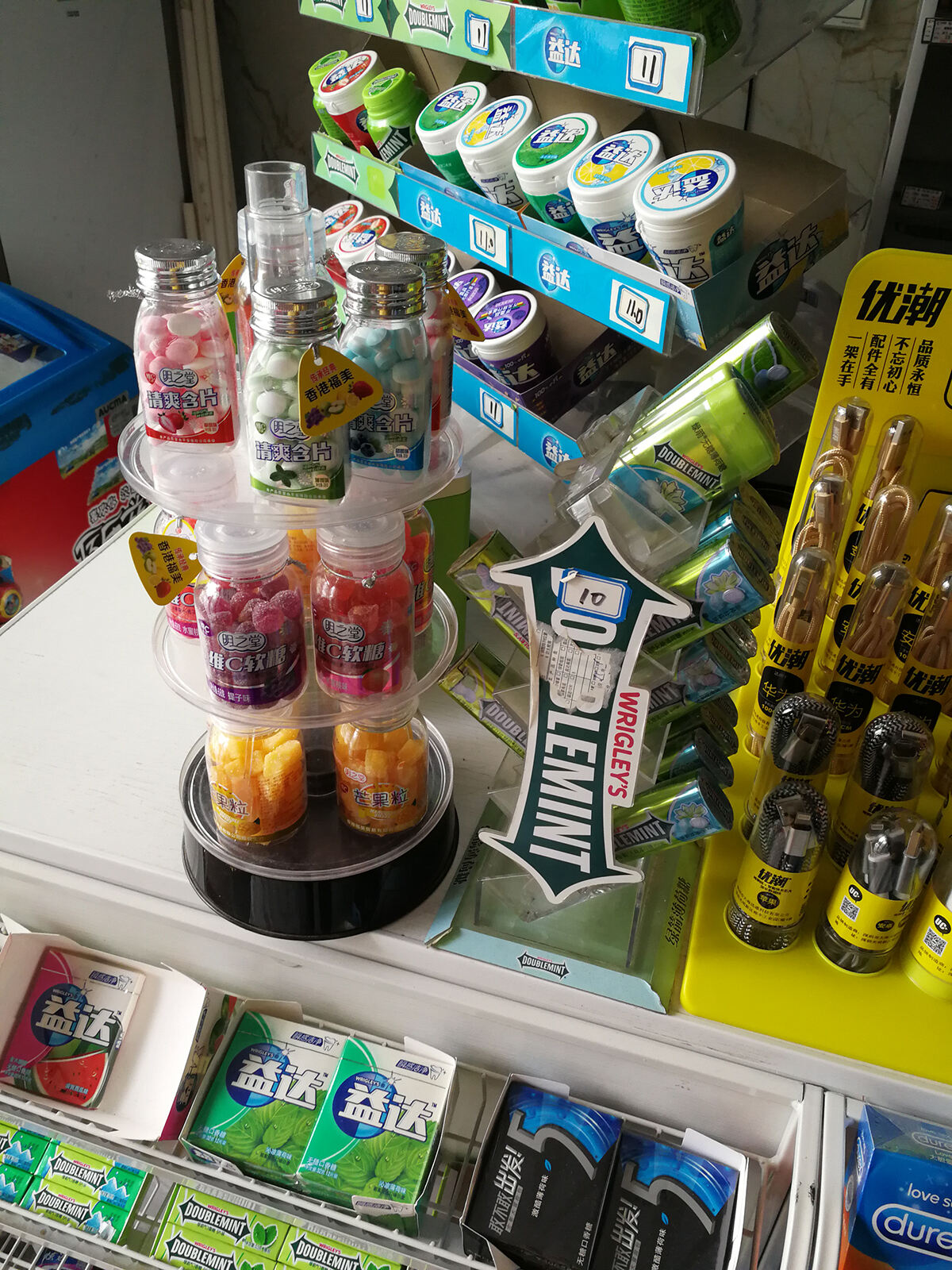
The selection of materials fundamentally determines the performance, aesthetics, and longevity of plastic display stands in commercial environments. Material choice influences everything from structural integrity and visual appeal to cost-effectiveness and environmental resistance, making it a critical decision factor for businesses seeking optimal display solutions.
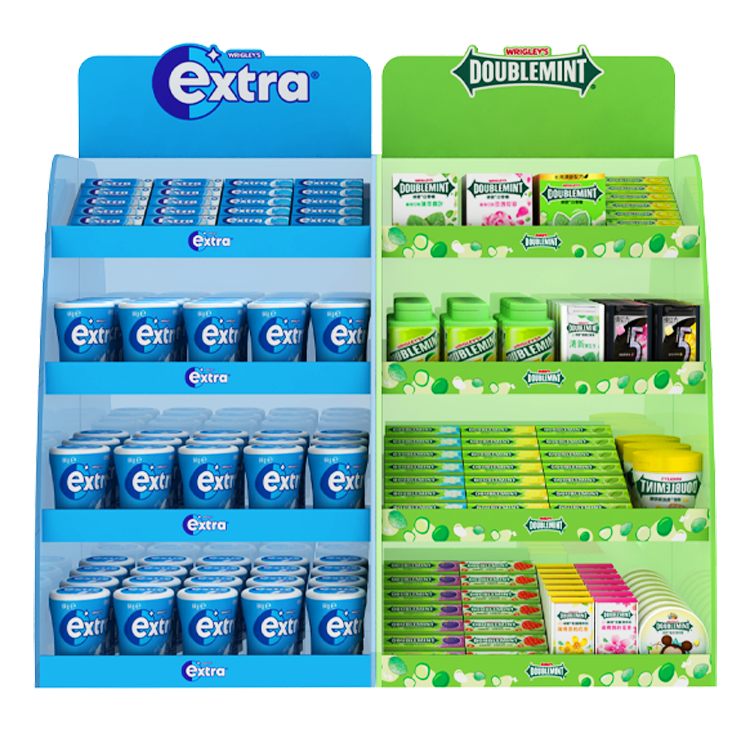
Understanding how different plastic materials impact display stand functionality enables informed purchasing decisions that align with specific operational requirements. From acrylic's crystal clarity to polycarbonate's impact resistance, each material brings distinct characteristics that directly affect display effectiveness and return on investment.
Structural Performance and Durability Considerations
Load-Bearing Capacity Variations
Different plastic materials exhibit dramatically different load-bearing capabilities, directly impacting the weight limits of plastic display stands. Polycarbonate offers exceptional strength-to-weight ratios, allowing stands to support heavier merchandise while maintaining structural integrity. High-density polyethylene provides moderate strength suitable for lightweight to medium-weight products, while standard acrylic requires careful consideration of weight distribution to prevent stress fractures.
The molecular structure of each plastic determines its ability to resist deformation under load. Crystalline plastics like polypropylene maintain shape consistency under stress, while amorphous plastics may exhibit slight flexing that could affect product presentation over time. Material choice must align with the intended merchandise weight to ensure reliable long-term performance.
Impact Resistance and Breakage Prevention
Material selection significantly influences the ability of plastic display stands to withstand accidental impacts and daily wear. Polycarbonate excels in high-traffic environments due to its exceptional impact resistance, reducing replacement costs and maintaining consistent product presentation. Acrylic, while offering superior optical clarity, requires more careful handling and positioning to prevent damage from accidental knocks.
The brittleness or flexibility of different plastics affects crack propagation patterns when damage occurs. Some materials fail catastrophically with sharp fragments, while others develop controlled stress patterns that maintain partial functionality. Understanding these failure modes helps determine appropriate material choices for specific retail environments and safety requirements.
Thermal Stability and Environmental Resistance
Temperature fluctuations and environmental conditions profoundly impact plastic display stands depending on material composition. UV-resistant acrylic formulations maintain clarity and structural integrity in bright retail lighting, while standard plastics may yellow or become brittle over time. Polystyrene offers cost advantages but may soften or warp in warm environments, affecting display geometry and product alignment.
Chemical resistance varies significantly among plastic materials, affecting cleaning protocols and maintenance requirements. Materials like polypropylene resist most cleaning chemicals, enabling thorough sanitization without degradation. Other plastics may react with common cleaners, leading to surface dulling, crazing, or structural weakening that compromises display appearance and functionality.
Visual Properties and Aesthetic Impact
Optical Clarity and Light Transmission
The transparency and optical properties of plastic display stands directly influence product visibility and customer engagement. Premium acrylic offers glass-like clarity with light transmission rates exceeding 90%, creating virtually invisible support structures that emphasize merchandise rather than the display mechanism. Lower-grade plastics may introduce optical distortions or haze that detracts from product presentation quality.
Refractive index differences between materials affect how light behaves at material interfaces, potentially creating unwanted reflections or visual artifacts. High-quality optical plastics minimize these effects through precise formulation control, while budget materials may exhibit noticeable optical interference that impacts premium product presentation strategies.
Surface Finish and Texture Characteristics
Material choice determines the achievable surface finishes and textures for plastic display stands, affecting both aesthetics and functionality. Acrylic can achieve mirror-like polished surfaces or controlled matte finishes that reduce fingerprinting and glare. Polycarbonate offers similar finishing options while providing enhanced durability, though at potentially higher material costs.
Surface energy characteristics of different plastics influence dust attraction and cleaning requirements. Materials with low surface energy naturally resist dust accumulation, maintaining cleaner appearance with less maintenance intervention. High surface energy materials may require more frequent cleaning to maintain professional presentation standards in retail environments.
Color Stability and Appearance Retention
Long-term color stability varies significantly among plastic materials, affecting the sustained visual impact of plastic display stands. UV-stabilized formulations maintain original appearance longer under retail lighting conditions, while unstabilized materials may develop yellowing, fading, or color shifts that compromise brand presentation consistency over time.
The ability to incorporate colorants and special effects depends on base material compatibility and processing characteristics. Some plastics accept a wide range of pigments and additives for custom appearance options, while others have limited coloration possibilities that may restrict design flexibility for brand-specific display requirements.
Manufacturing Capabilities and Design Flexibility
Moldability and Shape Complexity
Different plastic materials exhibit varying degrees of moldability, directly affecting the design possibilities for plastic display stands. Thermoplastic materials like polystyrene and polypropylene offer excellent flow characteristics during injection molding, enabling complex geometries and fine detail reproduction. Thermoset plastics provide dimensional stability but may limit design complexity due to processing constraints.
Processing temperature requirements influence both manufacturing efficiency and final product quality. Materials requiring high processing temperatures may introduce internal stresses that affect long-term dimensional stability, while lower-temperature plastics often produce more consistent results with reduced warpage and improved surface quality.
Joining and Assembly Methods
Material chemistry determines available joining methods for multi-component plastic display stands, affecting both manufacturing efficiency and final product strength. Solvent welding works effectively with compatible materials like acrylic and polystyrene, creating strong permanent bonds that maintain structural integrity. Incompatible materials require mechanical fastening or specialized adhesives that may introduce stress concentration points.
Thermal welding capabilities vary among plastic types, influencing assembly strategies and production scalability. Materials with similar melting characteristics enable efficient thermal joining processes, while dissimilar materials may require alternative assembly methods that impact both cost and performance characteristics of finished display stands.
Machining and Secondary Operations
Post-molding machinability affects the feasibility of custom modifications and precise dimensional requirements for plastic display stands. Acrylic machines cleanly with sharp tools and appropriate cutting speeds, enabling precise edge finishing and complex cutouts. Softer materials may require specialized tooling and cutting parameters to prevent melting or tearing during machining operations.
Surface treatment compatibility influences available finishing options and appearance enhancement possibilities. Some materials readily accept printing, coating, or texturing treatments, while others require surface preparation or primer applications that add processing steps and potential quality variables to the manufacturing process.
Cost Implications and Economic Factors
Raw Material Costs and Availability
Base material costs vary significantly among different plastic options for display stands, directly impacting project budgets and profitability calculations. Commodity plastics like polystyrene and polyethylene offer cost advantages for high-volume applications, while specialty materials like optical-grade acrylic command premium pricing that must be justified by performance requirements or aesthetic considerations.
Supply chain stability and material availability influence both initial costs and long-term sourcing reliability for plastic display stands. Widely available materials provide pricing stability and reduced supply risk, while specialty formulations may experience price volatility or availability constraints that affect production planning and cost predictability.
Processing and Manufacturing Economics
Different plastic materials require varying processing conditions and cycle times, affecting manufacturing costs beyond raw material expenses. Easy-flowing materials reduce injection pressure requirements and cycle times, improving productivity and reducing energy consumption. Difficult-to-process materials may require specialized equipment or longer processing cycles that increase per-unit manufacturing costs.
Tool wear rates differ among plastic materials, influencing long-term production economics through maintenance and replacement costs. Abrasive or corrosive materials accelerate tool degradation, requiring more frequent maintenance or tool replacement that adds to overall production expenses and potential quality variations over production runs.
Lifecycle Cost Considerations
Total cost of ownership extends beyond initial purchase price to include maintenance, replacement, and disposal costs for plastic display stands. Durable materials like polycarbonate may justify higher initial costs through extended service life and reduced replacement frequency. Less expensive materials might require more frequent replacement, potentially resulting in higher long-term costs when labor and disruption factors are considered.
End-of-life disposal or recycling options vary among plastic materials, potentially affecting total lifecycle costs through disposal fees or recycling credits. Materials with established recycling streams may offer cost recovery opportunities, while specialty plastics might incur disposal charges that should be factored into economic evaluations of material choices for plastic display stands.
FAQ
Which plastic material offers the best balance of clarity and durability for retail display stands?
Optical-grade acrylic provides the optimal balance of crystal-clear transparency and reasonable durability for most retail applications. It offers glass-like clarity with better impact resistance than glass, though it requires more careful handling than polycarbonate alternatives. For high-traffic environments, polycarbonate sacrifices some optical perfection for superior impact resistance.
How does material choice affect the weight capacity of plastic display stands?
Material selection directly determines load-bearing capacity through variations in tensile strength and flexural modulus. Polycarbonate supports the heaviest loads due to its excellent strength-to-weight ratio, while standard acrylic requires careful weight distribution to prevent stress cracking. Polyethylene and polystyrene offer moderate strength suitable for lightweight merchandise displays.
Can different plastic materials be successfully combined in a single display stand design?
Combining different plastic materials is possible but requires careful consideration of thermal expansion rates, chemical compatibility, and joining methods. Materials with similar thermal properties can be mechanically fastened together successfully, while dissimilar materials may require flexible joints or specialized adhesives to accommodate differential movement and prevent stress cracking at interfaces.
What maintenance differences should be expected between various plastic display stand materials?
Maintenance requirements vary significantly with material choice, affecting long-term operational costs. Acrylic requires gentle cleaning with appropriate solvents to prevent crazing, while polycarbonate tolerates more aggressive cleaning but may scratch more easily. Polyethylene and polypropylene resist most chemicals but may accumulate static charge that attracts dust, requiring more frequent cleaning in some environments.
Table of Contents
- Structural Performance and Durability Considerations
- Visual Properties and Aesthetic Impact
- Manufacturing Capabilities and Design Flexibility
- Cost Implications and Economic Factors
-
FAQ
- Which plastic material offers the best balance of clarity and durability for retail display stands?
- How does material choice affect the weight capacity of plastic display stands?
- Can different plastic materials be successfully combined in a single display stand design?
- What maintenance differences should be expected between various plastic display stand materials?