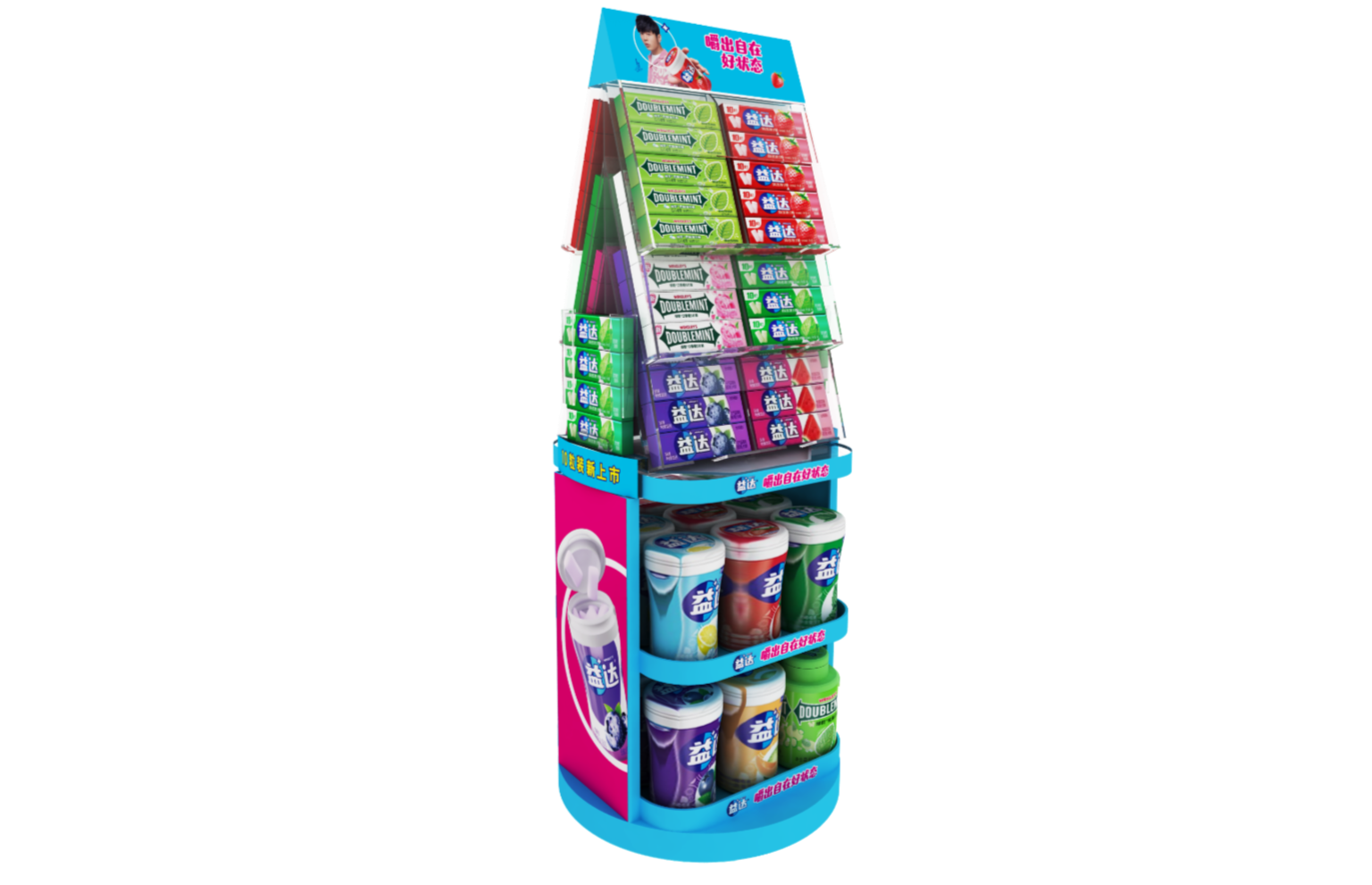
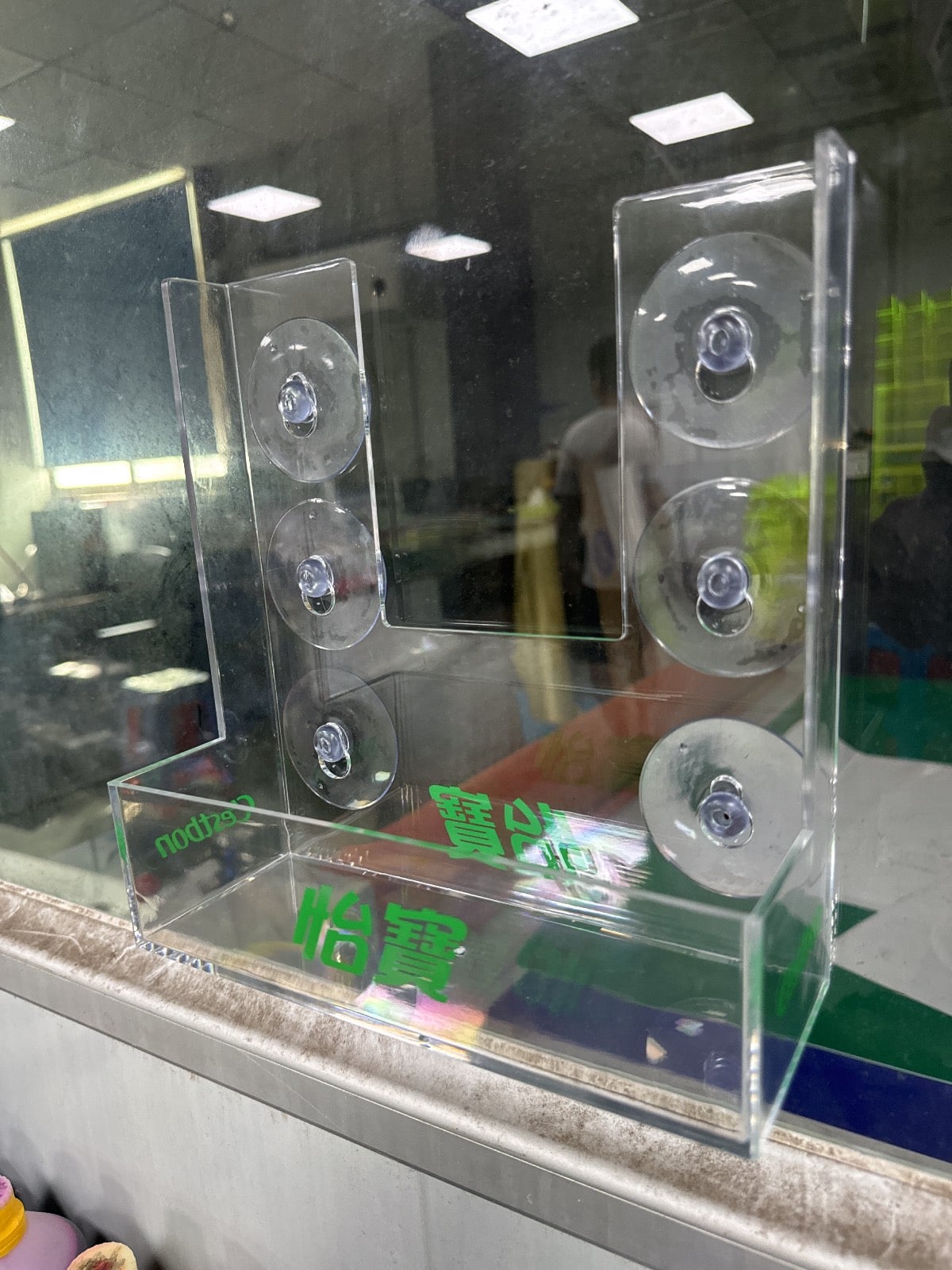
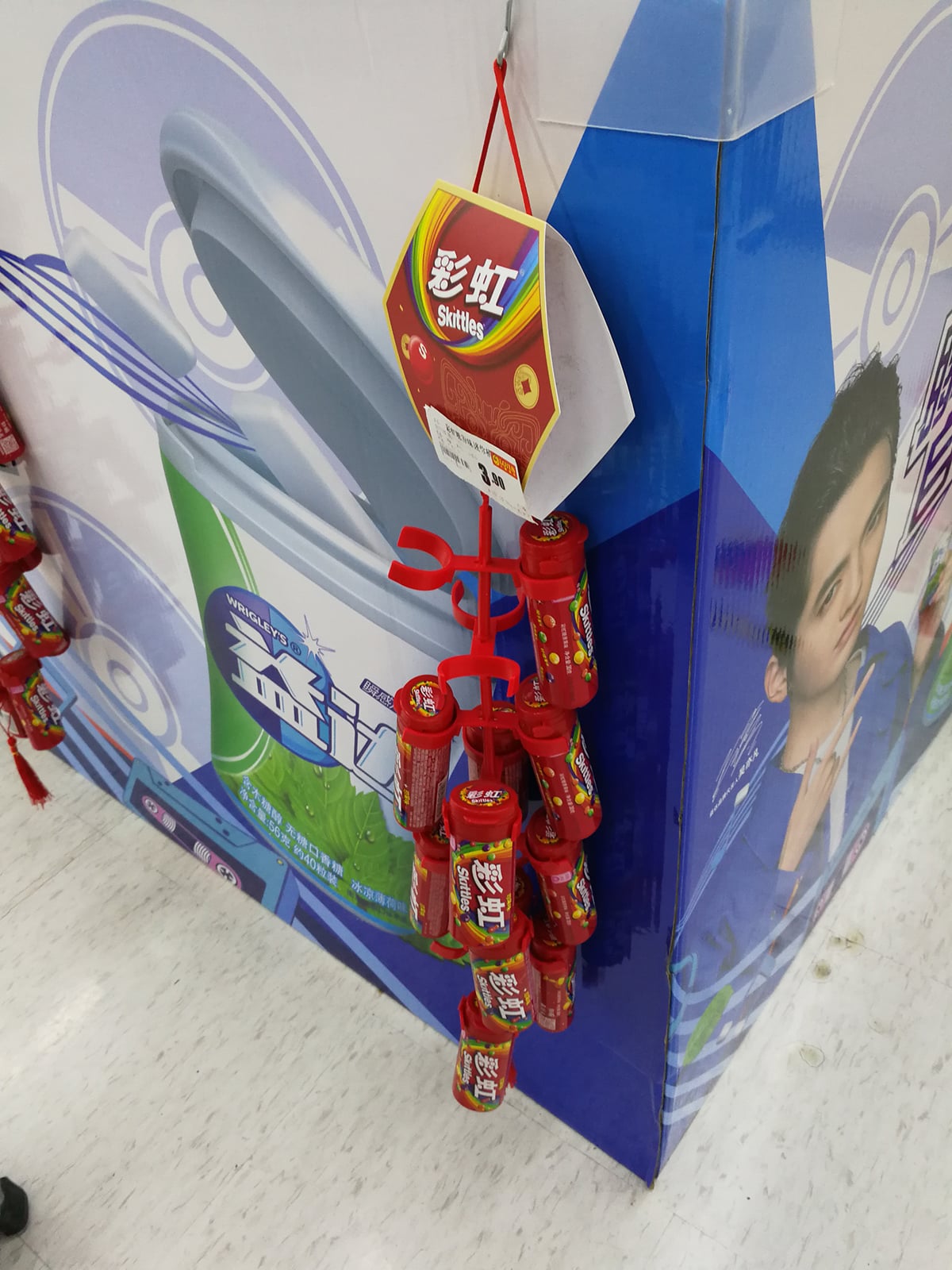
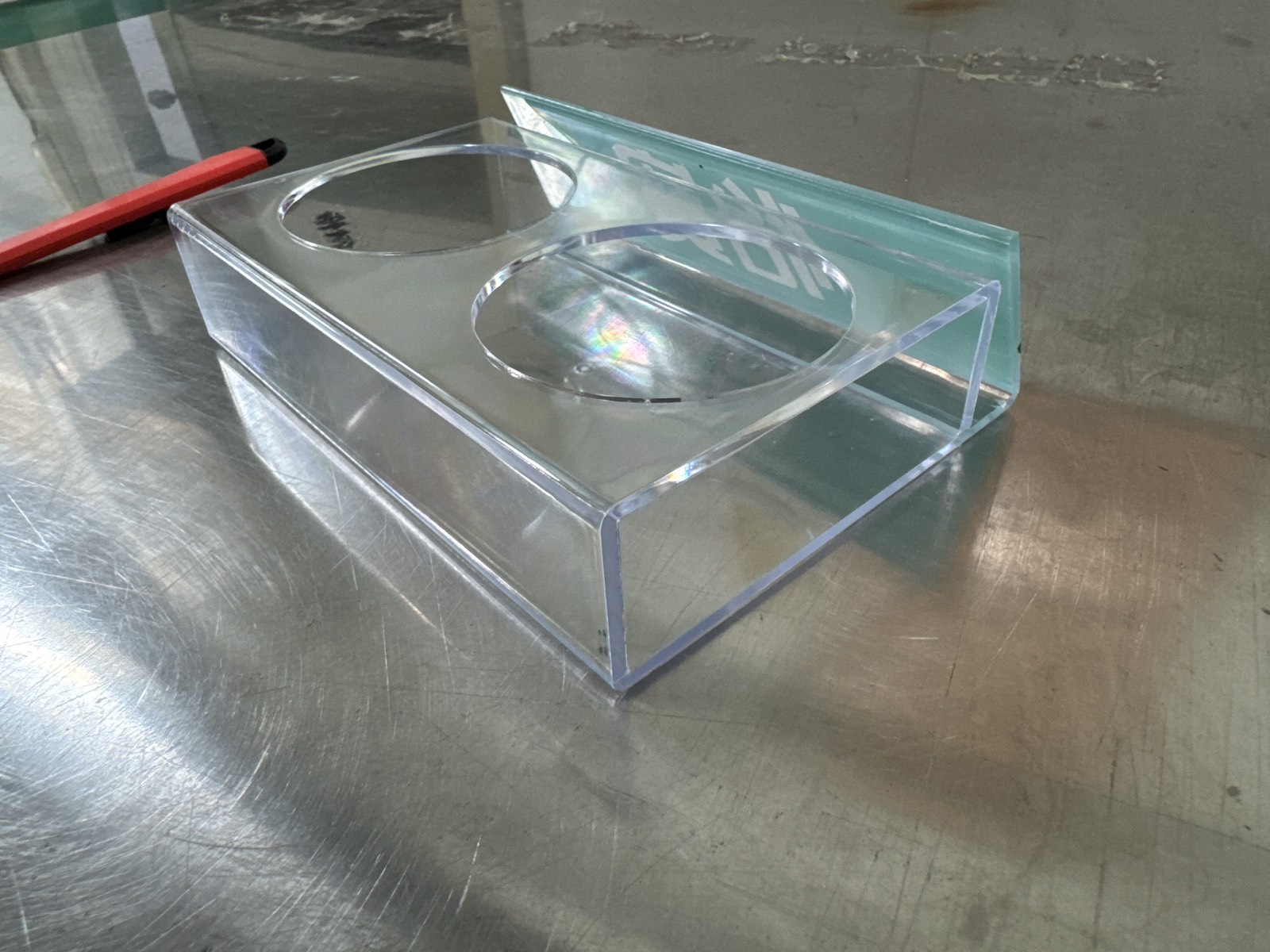
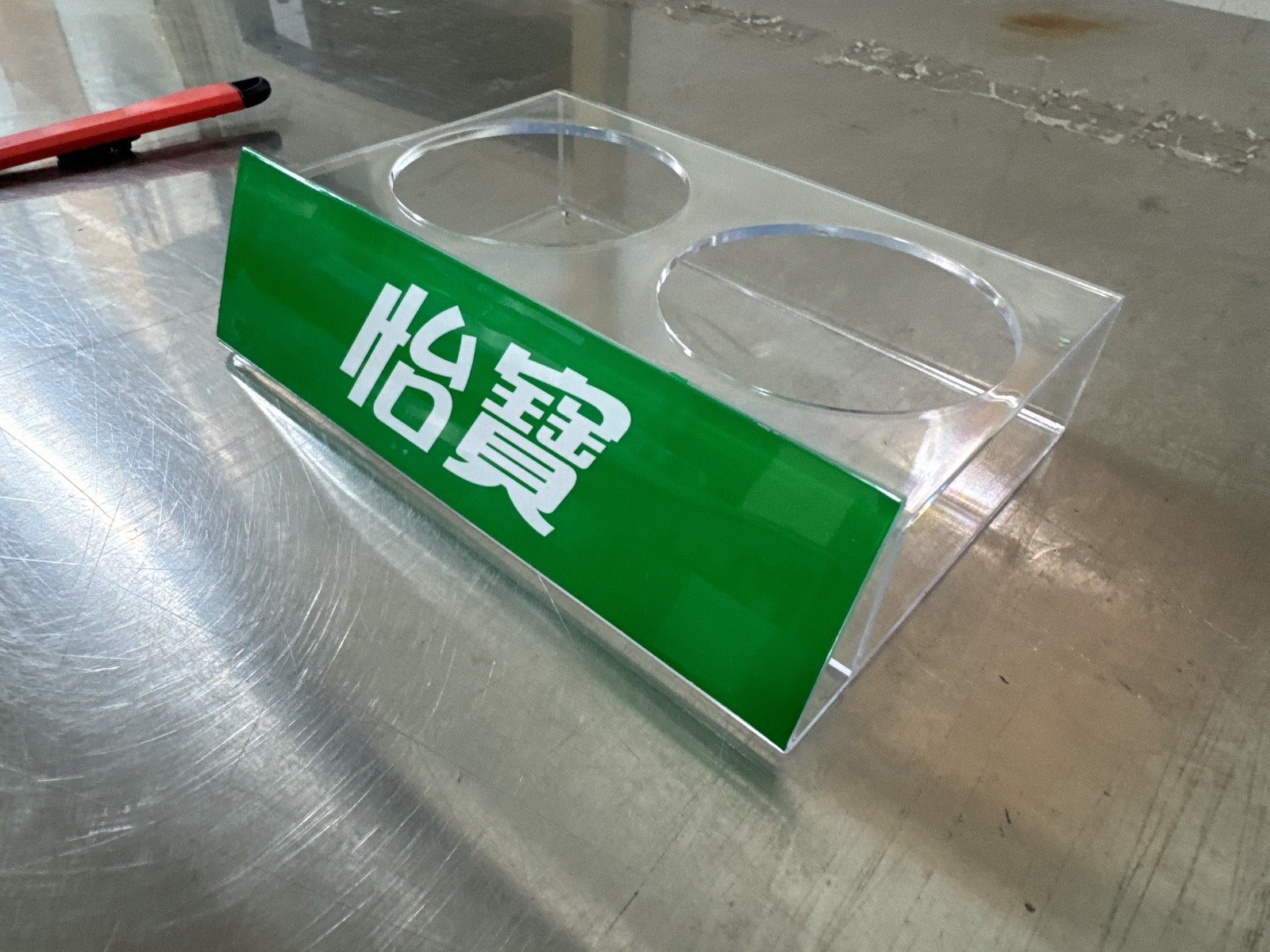
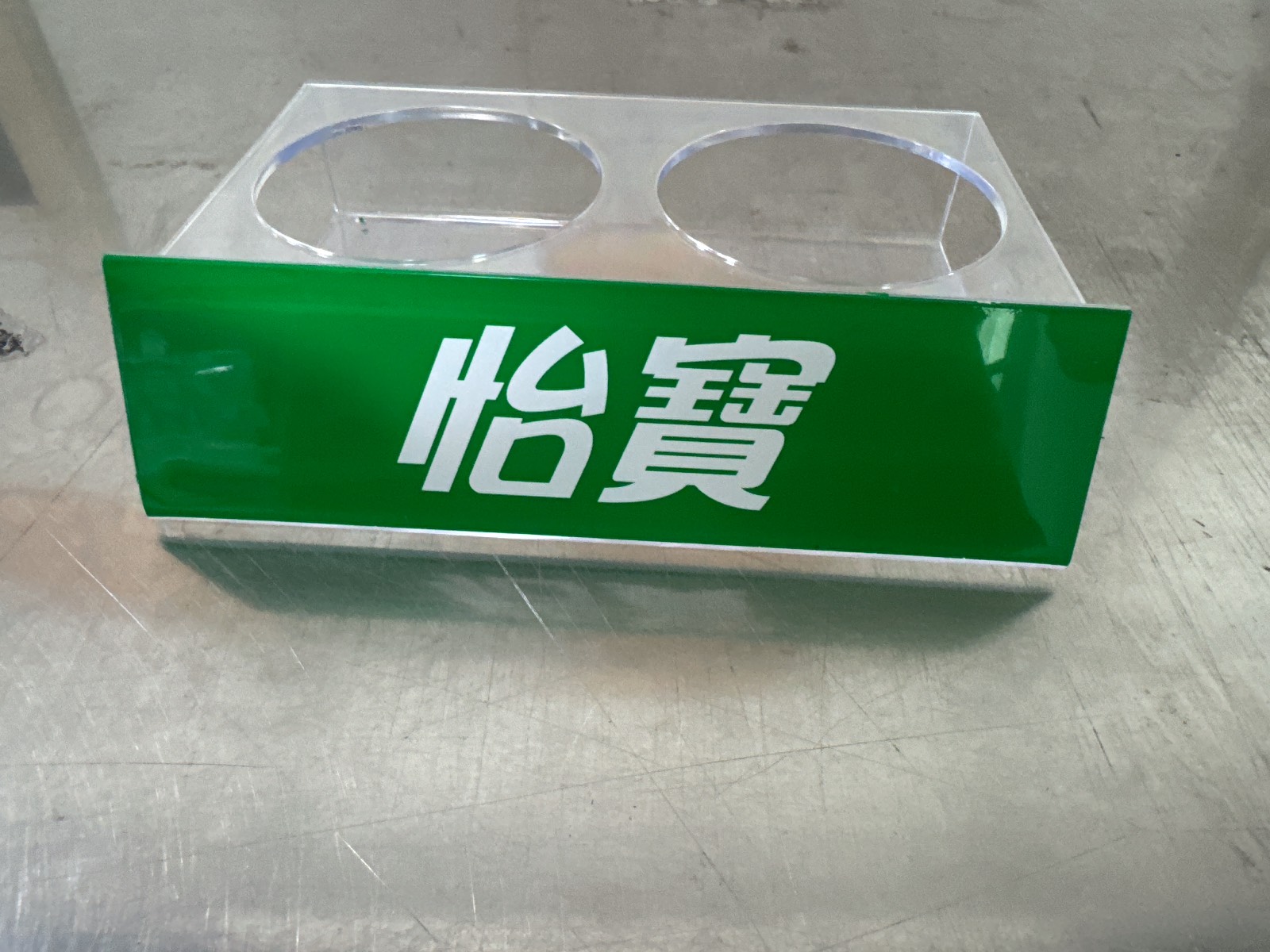
retail merchandising displays
Retail merchandising displays represent essential visual solutions that transform product presentation and influence customer purchasing decisions. These displays serve multiple critical functions within retail environments, making them indispensable tools for modern commerce. Retail merchandising displays effectively showcase products, organize inventory, and create compelling shopping experiences that drive sales performance.
The primary function of retail merchandising displays involves presenting products in visually appealing arrangements that capture customer attention and encourage purchases. These displays arrange merchandise strategically to maximize product visibility and accessibility throughout store layouts. Additionally, retail merchandising displays enhance brand presentation, communicate product information, and establish focal points that guide customer traffic flow.
Technologically advanced retail merchandising displays now incorporate digital signage, LED lighting systems, and interactive touchscreen capabilities. Smart retail merchandising displays integrate inventory management technology, allowing real-time tracking of stock levels and automatic reordering functions. Digital displays feature programmable content that updates remotely, enabling retailers to modify promotions and product information instantly without manual intervention.
Applications of retail merchandising displays span diverse retail sectors including fashion boutiques, grocery stores, electronics retailers, and department stores. These displays work effectively in showrooms, pop-up shops, and temporary retail installations. Retail merchandising displays serve critical roles during seasonal promotions, product launches, and clearance events where visual impact directly influences conversion rates and customer engagement levels throughout the shopping experience.
 EN
EN