 EN
EN

The Evolution of Point-of-Purchase Display Manufacturing
The retail landscape has transformed dramatically in recent years, with custom plastic POP displays emerging as powerful marketing tools that bridge the gap between products and consumers. These innovative display solutions combine aesthetic appeal with practical functionality, helping brands capture attention and drive sales in increasingly competitive retail environments.
Today's custom plastic POP display manufacturing process leverages advanced technology and precision engineering to create stunning visual merchandising solutions. From boutique retailers to major retail chains, these displays serve as silent salespeople, showcasing products in their best light while optimizing valuable retail space.
Initial Design and Planning Phase
Creating the Perfect Design Brief
The journey of a custom plastic POP display begins with a comprehensive design brief that outlines key objectives, brand requirements, and technical specifications. This crucial document serves as the foundation for the entire project, ensuring all stakeholders share a clear vision of the final product. Design teams collaborate closely with clients to understand product dimensions, weight requirements, and specific retail environment considerations.
During this phase, designers consider factors such as target audience demographics, store traffic patterns, and competitive positioning. The brief also addresses practical concerns like assembly requirements, shipping specifications, and budget constraints that will influence the final design.
CAD File Development and Review
Professional designers translate conceptual ideas into precise technical drawings using advanced CAD software. These detailed digital blueprints specify every dimension, connection point, and structural element of the custom plastic POP display. The CAD process allows for virtual testing and optimization before any physical materials are cut or molded.
Multiple design iterations may be necessary as teams refine the concept, ensuring it meets both aesthetic and functional requirements. This digital development phase helps identify potential issues early, reducing costly modifications during production.
Material Selection and Engineering
Choosing the Right Plastic Materials
Selecting appropriate materials is critical for creating durable and visually appealing custom plastic POP displays. Engineers consider factors such as load-bearing requirements, environmental conditions, and visual properties when choosing between options like acrylic, PET, or polycarbonate. Each material offers distinct advantages in terms of clarity, impact resistance, and cost-effectiveness.
Sustainability considerations increasingly influence material selection, with many brands seeking recycled or recyclable options. Modern manufacturing processes can incorporate eco-friendly materials without compromising on display quality or durability.
Structural Engineering Considerations
Engineers must ensure the custom plastic POP display can safely support products while maintaining its shape and stability. This involves careful analysis of weight distribution, stress points, and assembly mechanisms. Advanced simulation software helps predict how displays will perform under various conditions, from normal usage to accidental impacts.
Special attention is paid to areas like shelf supports, joineries, and base stability. Engineers often incorporate hidden reinforcements or innovative structural solutions to maintain clean aesthetics while ensuring robust performance.
Production Process and Quality Control
Manufacturing Techniques
Modern production facilities employ various techniques to create custom plastic POP displays, including injection molding, thermoforming, and CNC machining. Each method is selected based on design requirements, production volume, and cost considerations. State-of-the-art equipment ensures precise execution of CAD specifications.
The manufacturing process often combines multiple techniques to achieve optimal results. For instance, main structural components might be injection molded for strength, while decorative elements are thermoformed for visual impact.
Quality Assurance Protocols
Rigorous quality control measures are implemented throughout the production process. This includes material testing, dimensional verification, and structural integrity checks. Quality assurance teams use specialized equipment to measure thickness consistency, check for optical clarity, and verify color accuracy.
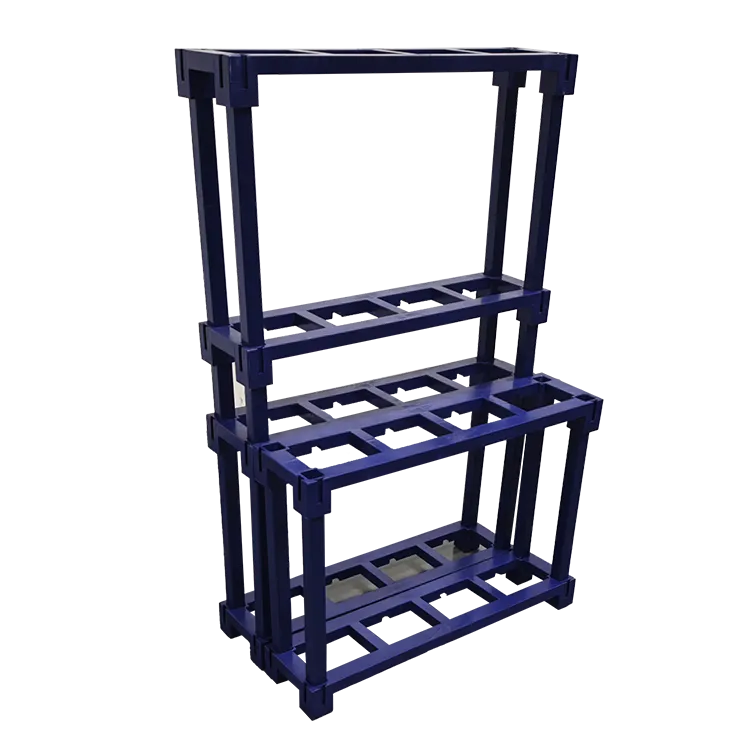
Each custom plastic POP display undergoes multiple inspection points before approval. This systematic approach helps identify and address any issues before displays reach retail environments.Our plastic candy display stand supports 3-tier/4-tier modular assembly, suitable for convenience stores and supermarket entrances, with ready-to-ship stock available for delivery within 3 days.
Assembly and Installation Guidelines
Efficient Assembly Systems
To facilitate smooth deployment, custom plastic POP displays are designed with efficient assembly in mind. Clear instructions and intuitive connection systems help reduce setup time and minimize the risk of errors. Many displays incorporate tool-free assembly features for added convenience.
Professional assembly guides often include both written instructions and visual aids, ensuring consistent setup across multiple retail locations. Training materials may be provided for store staff to maintain and adjust displays as needed.
Installation Best Practices
Proper installation is crucial for the success of any custom plastic POP display. Detailed guidelines cover aspects like positioning, lighting considerations, and integration with existing store fixtures. Installation teams receive specific training on handling procedures and safety protocols.
Post-installation checklists help verify that displays meet all specifications and safety requirements. Regular maintenance schedules are established to ensure displays continue performing optimally throughout their intended lifecycle.
Frequently Asked Questions
What is the typical timeline for custom plastic POP display production?
The production timeline varies depending on complexity and quantity, but typically ranges from 4-8 weeks from approved design to delivery. This includes CAD development, material procurement, manufacturing, quality control, and shipping preparation.
Can fast delivery (lead time) be guaranteed?
Yes, we can ensure fast delivery with a stable supply chain and efficient production process. In-stock items can usually be shipped within just a few days.
Are the molds already available? Is small-batch production supported?
Yes, we have a wide range of ready molds and also support small-batch production to meet flexible order requirements.
Is the product structure convenient for transportation and installation?
Yes, our product designs are optimized for both easy transportation and quick installation, helping customers save time and reduce costs.