 EN
EN

Understanding Retail Display Durability in Modern Store Environments
In the competitive world of retail merchandising, choosing the right point-of-purchase (POP) display material can significantly impact your product's visibility and sales performance. As retailers seek to maximize their investment in display solutions, the debate between plastic POP display units and cardboard alternatives continues to evolve. Today's retail environments demand displays that not only catch the eye but also withstand constant customer interaction and high-traffic conditions.
The decision between plastic and cardboard displays extends beyond mere aesthetics – it's about longevity, return on investment, and maintaining a professional brand image throughout the display's lifecycle. Let's explore the fundamental differences between these materials and their performance in demanding retail settings.
Material Characteristics and Performance Analysis
Structural Integrity Under Pressure
A plastic POP display offers superior structural integrity compared to its cardboard counterpart. The molecular composition of retail-grade plastics provides resistance to bending, warping, and impact damage. These displays maintain their shape even when fully loaded with products and subjected to frequent customer interactions. The rigid nature of plastic ensures that the display remains stable and secure, reducing the risk of product spillage or display collapse.
In contrast, cardboard displays, while initially sturdy, can begin to show wear within days or weeks in high-traffic areas. The fibrous structure of cardboard makes it susceptible to moisture damage, corner denting, and general deterioration from repeated customer contact. This vulnerability often results in a shortened display lifespan and potential safety concerns.
Moisture and Environmental Resistance
One of the standout advantages of a plastic POP display is its inherent resistance to environmental factors. Plastic displays maintain their structural integrity even in humid conditions, near store entrances, or in refrigerated areas. This moisture resistance ensures that the display continues to look professional and perform optimally regardless of its placement within the store.
Cardboard displays, however, can quickly deteriorate when exposed to moisture. Even minor spills or high humidity can compromise the material's integrity, leading to sagging, warping, or complete structural failure. This susceptibility to environmental factors significantly limits placement options and reduces the display's overall lifespan.
Cost Analysis and Return on Investment
Initial Investment Considerations
While plastic POP display units typically require a higher upfront investment compared to cardboard alternatives, the long-term financial benefits often justify the initial cost. The durability of plastic displays means fewer replacements are needed over time, reducing the total cost of ownership. Additionally, the professional appearance of well-maintained plastic displays can contribute to increased sales by maintaining product visibility and appeal.
When calculating ROI, retailers must consider not only the purchase price but also installation costs, replacement frequency, and potential lost sales during display transitions. A single plastic display can often outlast multiple cardboard replacements, making it a more cost-effective choice for long-term campaigns.Our plastic candy display stand supports 3-tier/4-tier modular assembly, suitable for convenience stores and supermarket entrances, with ready-to-ship stock available for delivery within 3 days.
Maintenance and Replacement Cycles
The maintenance requirements for plastic POP displays are minimal, typically requiring only regular cleaning to maintain their appearance. Their robust construction means they can withstand daily cleaning procedures without degradation. This durability translates to reduced labor costs and fewer interruptions to product presentation.
Cardboard displays, while recyclable and eco-friendly, often require frequent monitoring and replacement. The ongoing cost of replacing damaged units, combined with the labor involved in assembly and installation, can quickly exceed the initial savings of choosing cardboard over plastic.
Visual Appeal and Brand Presentation
Surface Quality and Print Longevity
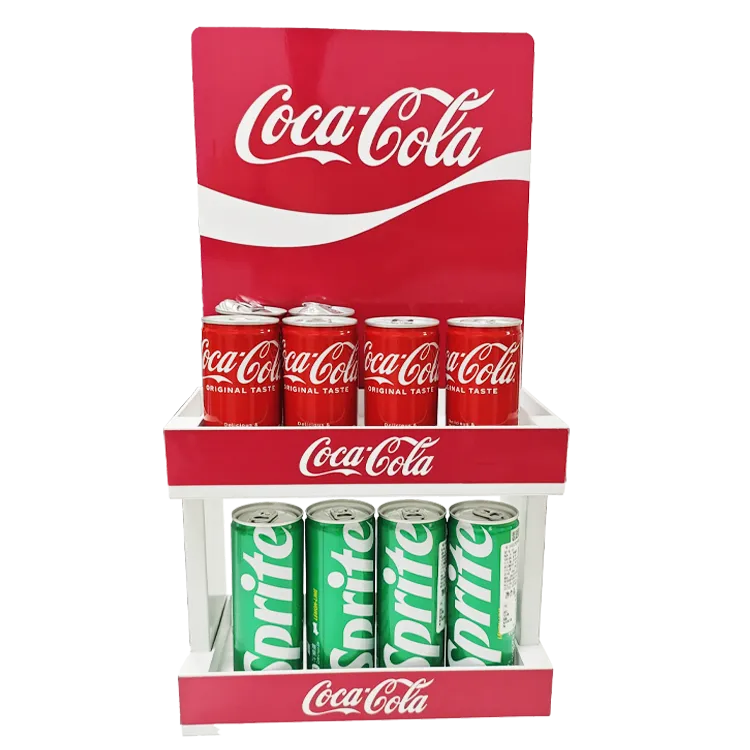
A plastic POP display provides an excellent canvas for high-quality graphics and branding elements. The smooth surface allows for crisp, detailed printing that remains vibrant even after months of use. The material's resistance to scratching and fading helps maintain brand integrity throughout the display's lifecycle. Modern printing technologies enable sophisticated designs and finishing effects that can enhance product presentation and capture customer attention.
Cardboard displays can achieve impressive initial print quality but may suffer from rapid degradation in high-traffic areas. Colors can fade, surfaces can scuff, and repeated contact can wear away printed elements, potentially diminishing brand impact and professional appearance.
Design Flexibility and Innovation
The versatility of plastic as a display material enables creative design solutions that may not be possible with cardboard. Complex shapes, transparent elements, and integrated lighting features can be incorporated into plastic POP displays, creating eye-catching merchandising solutions that drive customer engagement. The material's strength also allows for innovative modular designs that can be easily reconfigured for different product lines or promotional campaigns.
While cardboard can be die-cut into various shapes, its structural limitations restrict design possibilities. The need to maintain structural integrity often results in more basic, conventional display formats that may not fully capture customer attention or effectively differentiate brands in competitive retail environments.
Environmental Impact and Sustainability
Lifecycle Assessment
Modern plastic POP display units are increasingly designed with sustainability in mind. Many manufacturers now use recyclable plastics and offer take-back programs for end-of-life disposal. The extended lifespan of plastic displays means fewer units need to be produced and transported over time, potentially reducing the overall carbon footprint compared to frequently replaced cardboard displays.
While cardboard is widely recognized for its recyclability, the environmental impact of frequent replacement cycles must be considered. The continuous production, transportation, and disposal of cardboard displays can accumulate significant environmental costs over time.
Material Recovery and Recycling
The recyclability of plastic displays has improved significantly with advances in materials science. Many retail-grade plastics can now be processed into new products at the end of their display life. Additionally, the durability of plastic means that displays can often be refurbished or repurposed for different products or campaigns, extending their useful life even further.
Though cardboard recycling is well-established, the shorter lifespan of these displays results in more frequent disposal and recycling processes. The energy and resources required for continuous recycling must be weighed against the environmental benefits of longer-lasting plastic alternatives.
Contact us to request a sample.
Frequently Asked Questions
Is the product structure convenient for transportation and installation?
Yes, our product designs are optimized for both easy transportation and quick installation, helping customers save time and reduce costs.
Are the packaging methods and logistics cooperation clearly defined?
Yes, we provide standardized packaging solutions and clear logistics cooperation plans to ensure safe delivery and smooth coordination.
Are plastic POP displays worth the higher initial investment?
Yes, when considering the total cost of ownership, plastic displays often prove more economical. Their longer lifespan, reduced maintenance needs, and consistent professional appearance typically offset the higher upfront cost within the first year of use.