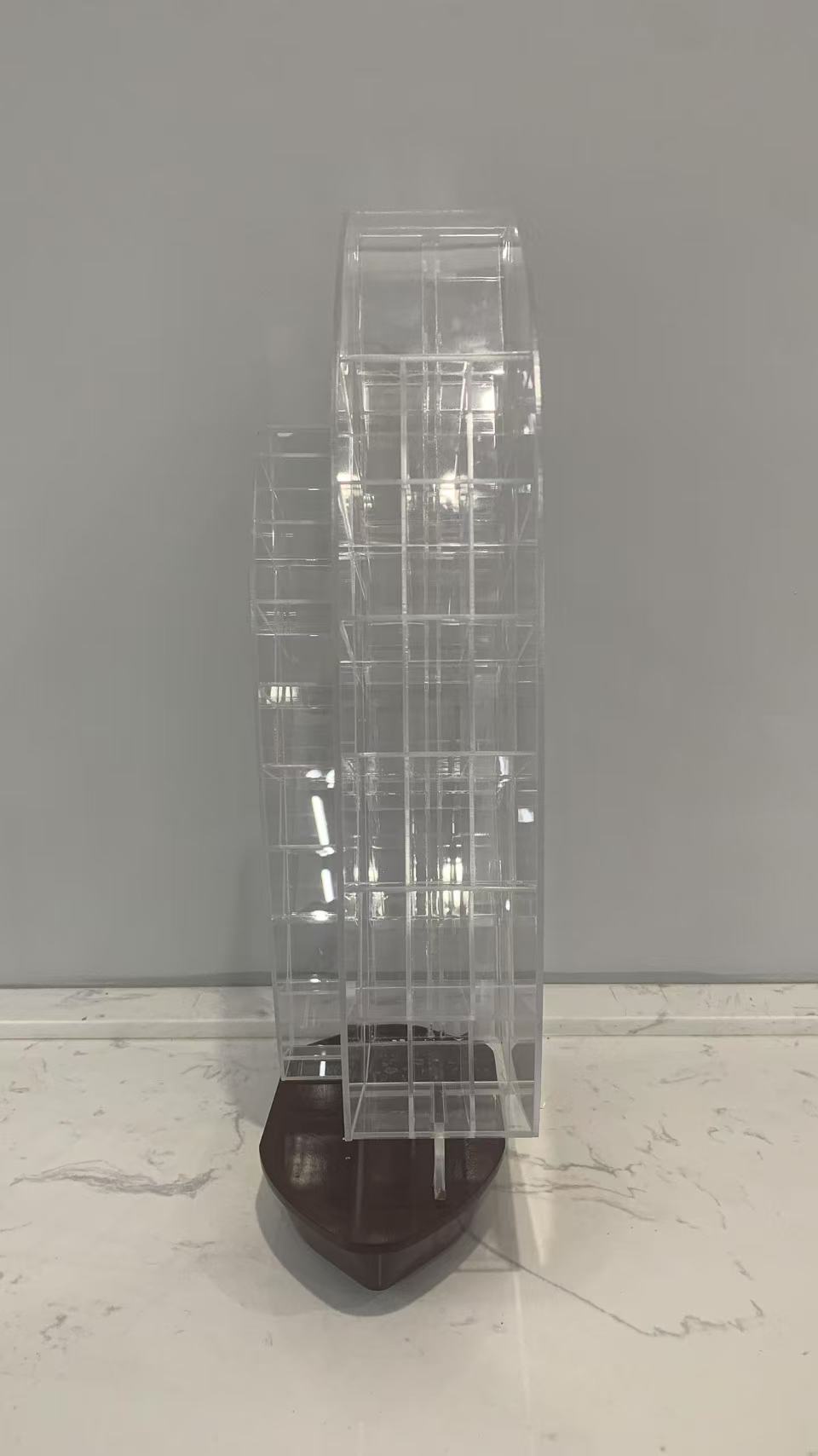
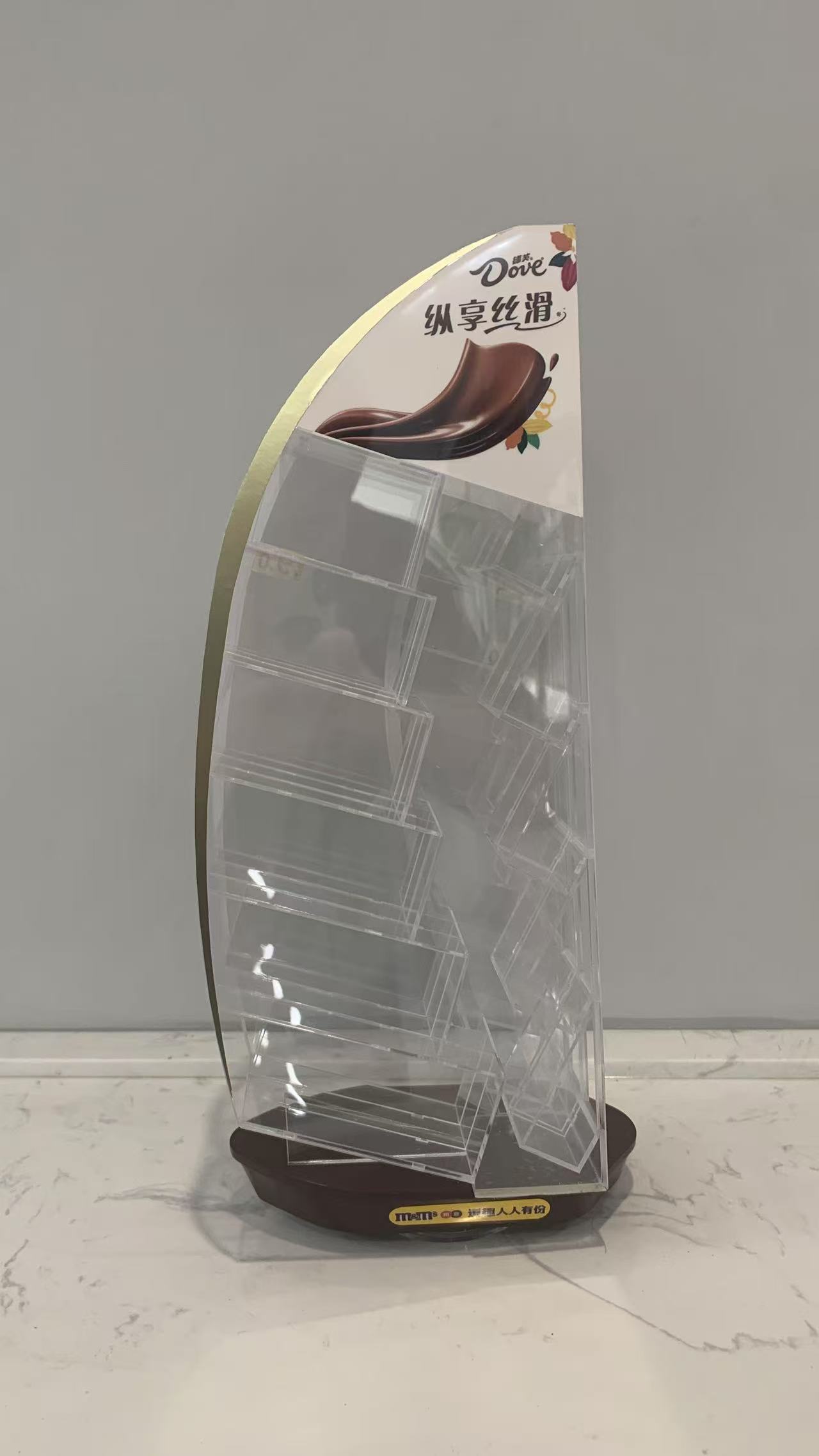
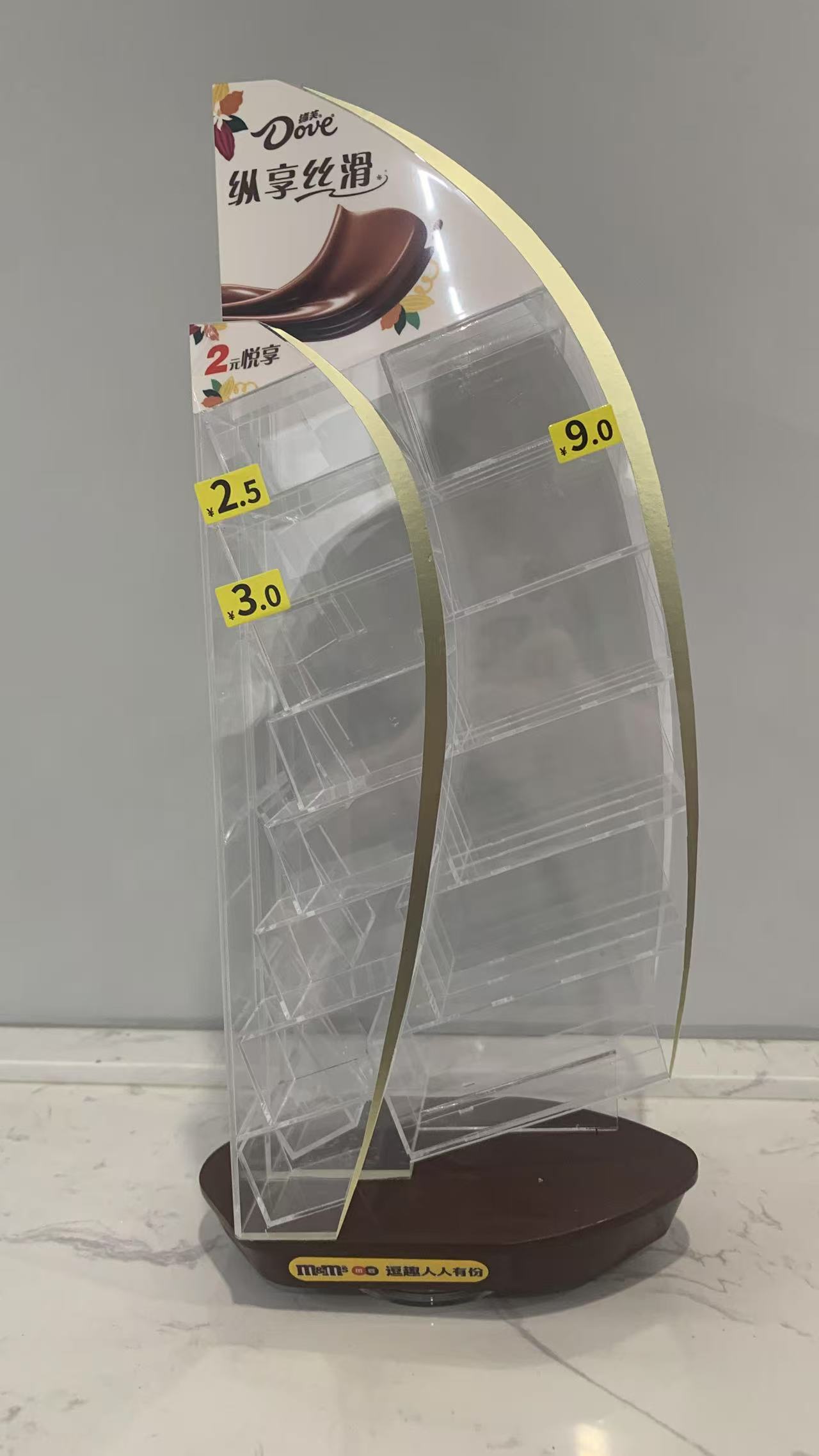
chocolate counter display
A chocolate counter display is an essential retail fixture designed to showcase confectionery products in commercial environments. This specialized chocolate counter display serves as both a functional storage solution and an attractive merchandising tool that captures customer attention at point-of-purchase locations. The chocolate counter display combines practical design elements with visual appeal, making it indispensable for bakeries, candy shops, cafes, and supermarkets.
Modern chocolate counter displays feature multiple technological enhancements that optimize product preservation and presentation. Temperature control systems maintain optimal conditions to prevent chocolate melting or degradation, while LED lighting illuminates products to enhance their visual appeal and encourage purchasing decisions. The chocolate counter display incorporates protective glass panels that shield merchandise from contamination while allowing full product visibility.
Key features of a chocolate counter display include adjustable shelving configurations that accommodate various product sizes, ergonomic height positioning for easy access, and durable construction materials that withstand high-traffic retail environments. Many chocolate counter display models include integrated refrigeration units, ensuring temperature stability for premium chocolate varieties that require specific storage conditions.
Applications extend across diverse retail settings where chocolate counter display solutions enhance customer experience and operational efficiency. These displays effectively organize inventory while creating visually compelling presentations that drive impulse purchases. Whether in luxury chocolateries or convenience stores, a chocolate counter display maximizes space utilization and product visibility, making it a valuable investment for any business specializing in confectionery retail.
 EN
EN