 EN
EN

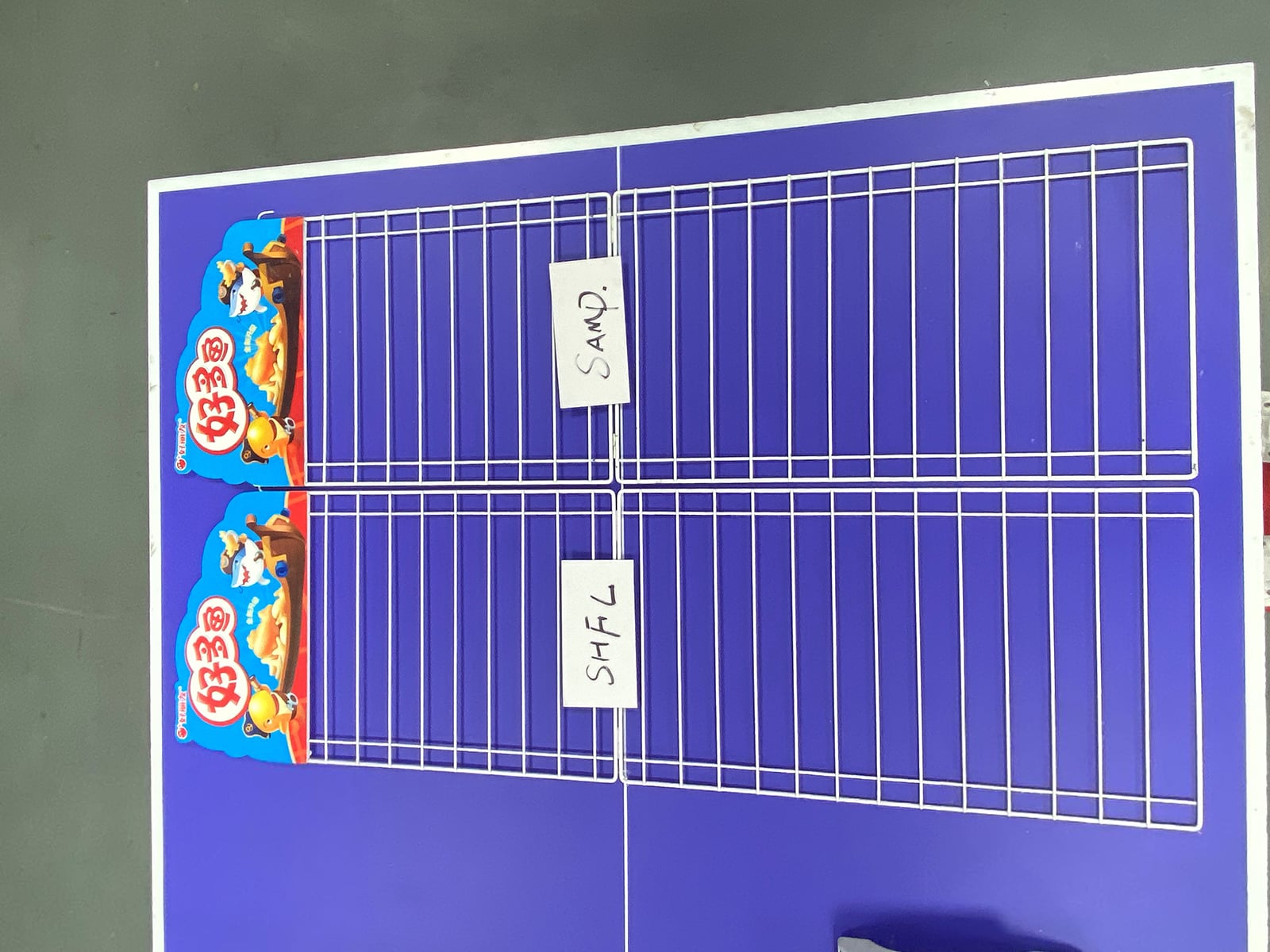
Selecting the right POP displays supplier is one of the most critical decisions retailers and brand managers face when implementing point-of-purchase marketing strategies. The quality and reliability of your display partner directly impacts your brand's in-store presence, customer engagement, and ultimately, sales performance. With countless suppliers in the market offering various solutions, understanding how to evaluate potential partners becomes essential for making informed decisions that drive business success.
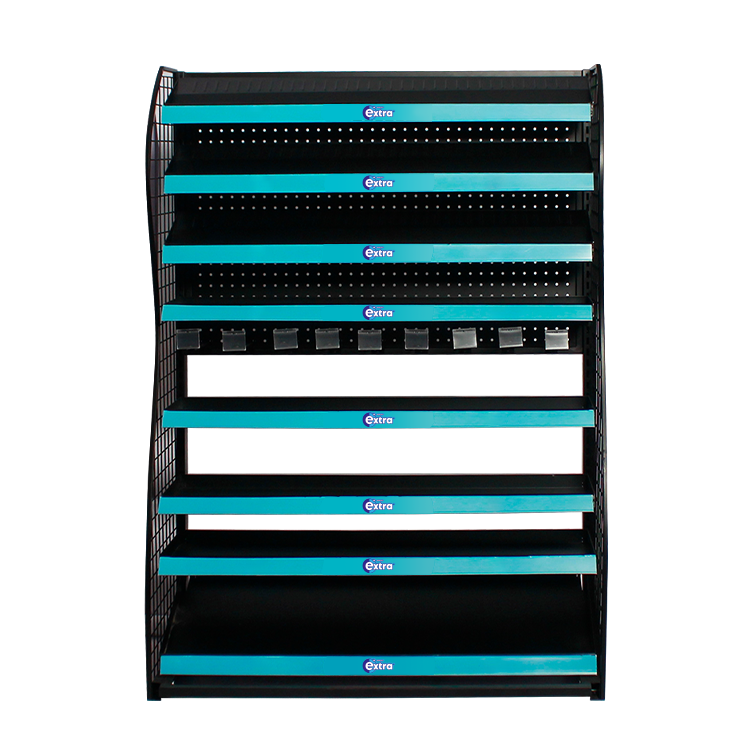
The point-of-purchase display industry has evolved significantly over the past decade, with suppliers offering increasingly sophisticated solutions ranging from traditional cardboard displays to high-tech interactive units. However, not all suppliers operate with the same standards of quality, reliability, or customer service. The difference between partnering with an exceptional supplier versus a mediocre one can mean the difference between a successful product launch and a costly marketing failure that impacts brand reputation and retail relationships.
Modern retail environments demand display solutions that not only attract customer attention but also withstand the rigors of high-traffic stores, frequent handling, and extended display periods. This reality makes supplier evaluation more complex than simply comparing prices or delivery timelines. Retailers must consider factors such as material quality, manufacturing processes, design capabilities, and ongoing support services when making their selection decisions.
Understanding Supplier Manufacturing Capabilities and Quality Standards
Production Facility Assessment and Certification Standards
When evaluating a potential POP displays supplier, understanding their manufacturing capabilities forms the foundation of quality assurance. Leading suppliers operate facilities equipped with advanced printing technology, precision cutting equipment, and quality control systems that ensure consistent output across large production runs. These facilities should maintain relevant certifications such as ISO 9001 for quality management systems and potentially FSC certification for sustainable forestry practices.
The physical inspection of manufacturing facilities, either through site visits or comprehensive facility audits, reveals crucial information about a supplier's commitment to quality. Modern production environments feature climate-controlled storage areas for raw materials, dedicated quality testing zones, and systematic workflow processes that minimize errors and maximize efficiency. Suppliers who welcome facility tours and provide transparent access to their production processes typically demonstrate confidence in their operational standards.
Quality certifications extend beyond basic manufacturing standards to encompass environmental compliance, worker safety protocols, and supply chain transparency. Reputable suppliers maintain detailed documentation of their quality processes and can provide evidence of third-party audits, customer satisfaction metrics, and continuous improvement initiatives that demonstrate their commitment to excellence.
Material Selection and Durability Testing Protocols
Material quality directly impacts display performance, longevity, and brand representation in retail environments. Professional suppliers maintain extensive material libraries featuring various substrates, each tested for specific applications and environmental conditions. These materials undergo rigorous testing protocols including load-bearing assessments, moisture resistance evaluations, and color fade analysis to ensure displays maintain their appearance and structural integrity throughout their intended lifespan.
The supplier's approach to material selection should demonstrate understanding of different retail environments and their unique challenges. Displays destined for grocery stores require different material specifications than those intended for electronics retailers or fashion boutiques. Experienced suppliers provide material recommendations based on specific application requirements, environmental factors, and budget considerations while maintaining transparency about the performance characteristics of each option.
Durability testing extends beyond basic material properties to encompass real-world performance scenarios. This includes simulation of shipping conditions, assembly and disassembly cycles, and extended exposure to typical retail lighting and temperature variations. Suppliers who invest in comprehensive testing protocols can provide detailed performance data and realistic expectations for display lifespan under various conditions.
Design Capabilities and Creative Development Resources
In-House Design Team Expertise and Portfolio Review
The creative capabilities of a POP displays supplier significantly influence the effectiveness of your marketing campaigns and the professional appearance of your brand in retail environments. Leading suppliers maintain dedicated design teams with expertise in structural engineering, graphic design, and retail psychology. These teams understand how color, typography, imagery, and spatial relationships impact consumer behavior and purchasing decisions.
Portfolio evaluation reveals the supplier's experience across different industries, display types, and complexity levels. A diverse portfolio demonstrating successful projects for various brand categories indicates adaptability and creative problem-solving capabilities. Pay particular attention to projects similar to your requirements in terms of size, complexity, and target retail environment, as these provide the most relevant performance indicators.
The design team's technical capabilities should encompass both traditional display solutions and emerging technologies such as digital integration, interactive elements, and smart display features. As retail environments continue to evolve toward more engaging, technology-enhanced experiences, suppliers with forward-thinking design capabilities provide valuable strategic advantages for brands seeking to differentiate themselves in competitive markets.
Customization Flexibility and Prototyping Processes
Customization capabilities separate professional suppliers from basic manufacturing services, enabling brands to create unique displays that perfectly align with their marketing objectives and brand identity. Comprehensive customization services include structural modifications, unique finishing techniques, specialized printing processes, and integration of non-standard components or accessories.
The prototyping process provides crucial insights into supplier capabilities and collaboration approach. Professional suppliers offer multiple prototyping options ranging from digital renderings and scaled models to full-size functional prototypes. The prototyping timeline, revision processes, and feedback incorporation methods reveal how effectively the supplier can translate creative concepts into practical, manufacturable solutions.
Effective suppliers maintain flexibility throughout the customization process while providing clear communication about technical limitations, cost implications, and timeline impacts of various design choices. This transparency enables informed decision-making and helps prevent costly revisions or delays during the production phase.
Production Scalability and Delivery Performance
Capacity Management and Rush Order Capabilities
Understanding a supplier's production capacity and scalability ensures they can accommodate your current needs while supporting future growth and seasonal fluctuations. Professional suppliers maintain detailed capacity planning systems that account for equipment availability, workforce capabilities, and material procurement timelines. This systematic approach enables accurate delivery commitments and helps prevent production bottlenecks during peak demand periods.
Rush order capabilities become crucial during product launches, promotional campaigns, or unexpected market opportunities. Suppliers with robust capacity management systems can typically accommodate urgent requests without compromising quality standards or impacting other customer commitments. However, understanding the supplier's rush order policies, associated costs, and realistic timelines helps set appropriate expectations and avoid last-minute complications.
Scalability extends beyond simple volume increases to encompass geographic distribution, multiple product variations, and complex rollout schedules. Suppliers with experience managing large-scale deployments understand the logistical challenges involved and can provide valuable guidance on staging, shipping coordination, and installation sequencing to ensure smooth campaign execution.
Logistics Network and Distribution Capabilities
Distribution capabilities directly impact campaign timing, installation coordination, and overall project success. Professional suppliers maintain relationships with reliable shipping partners and can accommodate various delivery requirements including direct-to-store shipments, regional distribution centers, and coordinated multi-location deliveries. These capabilities become particularly important for national campaigns requiring simultaneous deployment across multiple markets.
The supplier's logistics network should provide tracking capabilities, delivery confirmation systems, and contingency plans for addressing shipping delays or damage issues. Advanced suppliers offer specialized packaging solutions designed to protect displays during transit while minimizing shipping costs and environmental impact through optimized package dimensions and materials.
Geographic coverage and international shipping capabilities may be relevant for brands operating in multiple markets. Suppliers with established international networks can navigate customs requirements, documentation processes, and local regulations while maintaining consistent quality standards across all markets.
Quality Control Systems and Performance Monitoring
Pre-Production Quality Assurance Protocols
Comprehensive quality control begins before production starts and continues throughout the manufacturing process. Professional suppliers implement multi-stage quality assurance protocols that include material inspection, pre-production samples, in-process quality checks, and final inspection procedures. These systematic approaches minimize defects, ensure consistency, and provide early identification of potential issues before they impact delivery schedules.
Pre-production samples serve as quality benchmarks and provide opportunities for final adjustments before full production begins. The supplier's sample approval process should include detailed documentation of specifications, tolerances, and quality standards to ensure consistency across the entire production run. Clear communication protocols during the sample phase prevent misunderstandings and reduce the likelihood of costly revisions or reproductions.
Quality documentation systems enable traceability and provide accountability throughout the production process. Professional suppliers maintain detailed records of material sources, production parameters, quality test results, and inspection findings. This documentation supports continuous improvement initiatives and provides valuable data for optimizing future projects.
Post-Delivery Support and Performance Tracking
Quality assurance extends beyond delivery to encompass installation support, performance monitoring, and issue resolution. Professional suppliers provide installation guidance, assembly instructions, and technical support to ensure displays are properly deployed and achieve their intended performance objectives. This ongoing support demonstrates commitment to customer success and helps identify opportunities for future improvements.
Performance tracking systems enable measurement of display effectiveness, durability, and customer satisfaction metrics. Advanced suppliers collaborate with clients to establish key performance indicators and provide regular reporting on campaign results, display condition assessments, and recommendations for optimization. This data-driven approach supports informed decisions about future campaigns and supplier relationships.
Issue resolution capabilities reveal the supplier's commitment to customer service and long-term relationship building. Professional suppliers maintain dedicated customer service teams with authority to address concerns quickly and effectively. Clear escalation procedures, response time commitments, and resolution tracking systems ensure customer issues receive appropriate attention and timely resolution.
Cost Structure Transparency and Value Proposition
Pricing Model Analysis and Hidden Cost Identification
Understanding a supplier's pricing structure requires analysis beyond basic unit costs to encompass all project-related expenses including design services, tooling charges, shipping costs, and potential revision fees. Transparent suppliers provide detailed cost breakdowns that enable accurate budget planning and fair comparison between competing proposals. This transparency helps prevent budget overruns and ensures all stakeholders have realistic expectations about total project costs.
Hidden costs can significantly impact project budgets and supplier relationships. Common areas where unexpected charges arise include rush order premiums, design revision fees, special packaging requirements, and shipping surcharges. Professional suppliers discuss potential additional costs upfront and provide clear policies regarding when such charges apply, helping clients make informed decisions about project specifications and timelines.
Value engineering opportunities demonstrate the supplier's commitment to optimizing client investments while maintaining quality standards. Experienced suppliers can recommend cost-effective alternatives for materials, construction methods, or design approaches that achieve similar performance at reduced costs. This consultative approach builds trust and demonstrates the supplier's investment in long-term client success rather than simply maximizing transaction values.
Long-Term Partnership Benefits and Volume Considerations
Long-term supplier relationships offer numerous advantages including preferential pricing, priority scheduling, streamlined communication processes, and accumulated knowledge about brand requirements and preferences. Suppliers who value long-term partnerships typically provide volume discounts, loyalty programs, or preferred customer benefits that reward consistent business relationships.
Volume pricing structures should reflect economies of scale while providing flexibility for varying order sizes and frequencies. Professional suppliers offer tiered pricing models that incentivize larger orders while maintaining competitive rates for smaller projects. Understanding minimum order quantities, volume break points, and annual commitment requirements helps optimize purchasing strategies and budget planning.
Partnership benefits extend beyond pricing to encompass priority access to new technologies, early involvement in product development processes, and collaborative innovation opportunities. Suppliers who view clients as strategic partners often provide exclusive access to emerging capabilities, beta testing opportunities, and co-development initiatives that create competitive advantages in the marketplace.
FAQ
What are the most important certifications to look for in a POP displays supplier?
Key certifications include ISO 9001 for quality management systems, FSC certification for sustainable materials sourcing, and industry-specific certifications such as G7 for color management in printing. Additionally, look for environmental certifications like GREENGUARD or similar standards that demonstrate commitment to low-emission materials and sustainable manufacturing practices. Safety certifications such as UL listing may be relevant for displays incorporating electrical components or lighting elements.
How can I assess a supplier's ability to handle rush orders without compromising quality?
Evaluate the supplier's capacity management systems, backup equipment availability, and workforce flexibility. Ask for specific examples of previous rush orders, including timelines achieved and quality outcomes. Professional suppliers maintain reserve capacity and have established protocols for expediting orders while maintaining quality control procedures. Request references from clients who have used rush services and inquire about overtime capabilities, weekend production availability, and expedited shipping options.
What should I expect regarding design ownership and intellectual property rights?
Professional suppliers should provide clear agreements regarding design ownership, intellectual property rights, and confidentiality protections. Typically, clients retain ownership of their brand elements and custom designs, while suppliers may retain rights to structural innovations or proprietary manufacturing techniques. Ensure agreements address usage rights for portfolio purposes, non-disclosure requirements, and protection of competitive information. Clarify whether design files will be provided for future use with other suppliers.
How do I evaluate a supplier's environmental sustainability practices and compliance?
Review the supplier's environmental certifications, waste reduction programs, and sustainable material sourcing policies. Ask for documentation of recycling programs, energy efficiency initiatives, and carbon footprint reduction efforts. Professional suppliers can provide detailed information about material recyclability, sustainable sourcing practices, and end-of-life disposal recommendations for displays. Consider suppliers who offer take-back programs, use renewable energy sources, and demonstrate measurable progress toward environmental goals.
Table of Contents
- Understanding Supplier Manufacturing Capabilities and Quality Standards
- Design Capabilities and Creative Development Resources
- Production Scalability and Delivery Performance
- Quality Control Systems and Performance Monitoring
- Cost Structure Transparency and Value Proposition
-
FAQ
- What are the most important certifications to look for in a POP displays supplier?
- How can I assess a supplier's ability to handle rush orders without compromising quality?
- What should I expect regarding design ownership and intellectual property rights?
- How do I evaluate a supplier's environmental sustainability practices and compliance?