 EN
EN

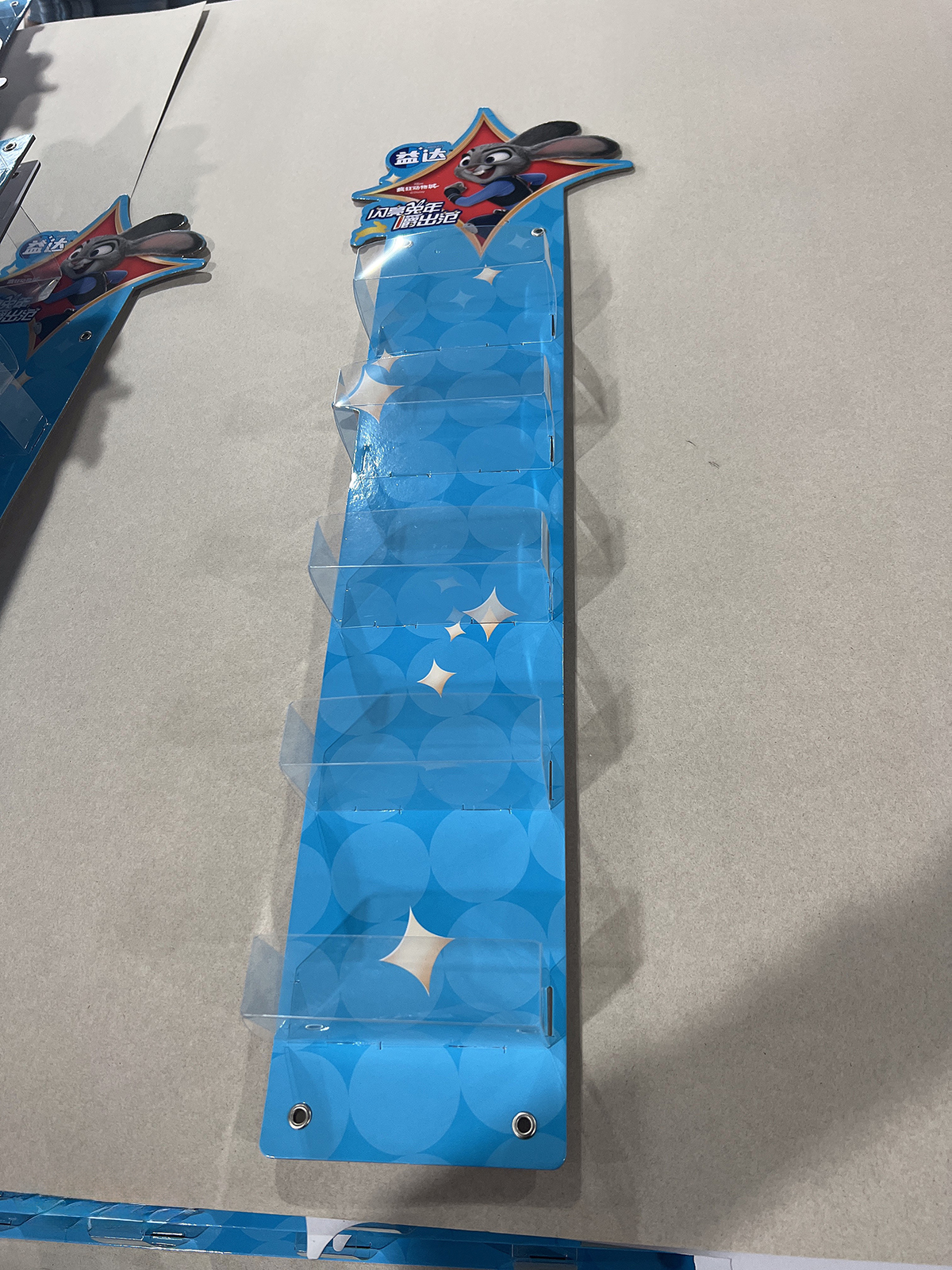
Partnering with the right POP supplier can transform your retail strategy from a basic merchandising approach to a sophisticated brand experience that drives customer engagement and sales. Point-of-purchase displays represent one of the most critical touchpoints between your brand and consumers, making the selection and collaboration process with your supplier a strategic business decision that extends far beyond simple procurement. Understanding what to expect throughout this partnership journey helps brands navigate the complex landscape of retail display solutions while maximizing their return on investment and ensuring their products stand out in competitive retail environments.
Initial Consultation and Project Discovery Phase
Understanding Your Brand Requirements
The first phase of working with a professional POP supplier involves comprehensive project discovery where your supplier's team conducts detailed consultations to understand your brand identity, target audience, and specific retail objectives. During these initial meetings, expect your supplier to ask probing questions about your product portfolio, typical retail environments, budget constraints, and timeline requirements. This discovery process serves as the foundation for all subsequent design and manufacturing decisions, ensuring that proposed solutions align perfectly with your brand's visual identity and functional needs.
Professional suppliers typically request detailed brand guidelines, product specifications, and examples of existing marketing materials to ensure consistent brand representation across all display elements. They may also conduct site visits to key retail locations to better understand spatial constraints, lighting conditions, and customer traffic patterns that could influence display effectiveness. This thorough understanding phase often takes several weeks but significantly reduces revision cycles and ensures more successful final implementations.
Market Analysis and Competitive Intelligence
Experienced suppliers provide valuable market intelligence by analyzing competitive display strategies within your product category and retail channels. They often share insights about emerging display trends, material innovations, and design approaches that could provide competitive advantages for your brand. This analysis includes reviewing successful campaigns from similar brands, identifying gaps in current market approaches, and recommending innovative solutions that differentiate your products from competitors.
The competitive analysis phase typically includes photographic documentation of existing displays in target retail environments, detailed assessments of competitor positioning strategies, and recommendations for unique design elements that could enhance brand visibility. Suppliers may also provide cost-benefit analyses comparing different display approaches based on estimated impact on sales performance and long-term brand building objectives.
Design Development and Creative Collaboration
Concept Creation and Visual Development
The creative development phase represents where initial concepts transform into tangible design proposals through collaborative brainstorming sessions and iterative design refinement. A quality POP supplier typically presents multiple design concepts that explore different approaches to achieving your objectives, ranging from conservative solutions that build on proven strategies to innovative approaches that push creative boundaries. These concepts include detailed renderings, material specifications, and preliminary cost estimates to facilitate informed decision-making.
During this phase, expect regular design review meetings where your team can provide feedback on visual elements, functional features, and overall design direction. Professional suppliers use advanced 3D modeling software to create photorealistic visualizations that help stakeholders understand how displays will appear in actual retail environments. This technology allows for virtual placement testing in different store layouts and lighting conditions before committing to physical prototyping.
Technical Specifications and Engineering Solutions
Following creative approval, the design development process shifts toward technical engineering where aesthetic concepts are translated into manufacturable specifications with detailed construction drawings and material selections. This phase involves structural engineering to ensure displays meet safety requirements, durability testing protocols, and compliance with various retail chain specifications. Suppliers typically provide comprehensive technical documentation including assembly instructions, shipping specifications, and installation guidelines.
The engineering phase often reveals opportunities for cost optimization through material substitutions, construction method improvements, or design modifications that maintain visual impact while reducing production complexity. Professional suppliers collaborate closely with their manufacturing teams during this phase to identify potential production challenges and develop solutions that ensure consistent quality across large production runs.
Prototyping and Testing Procedures
Physical Prototype Development
Prototype development represents a critical milestone where digital designs become physical reality, allowing stakeholders to evaluate actual materials, construction quality, and functional performance before committing to full production. Professional suppliers typically create multiple prototype iterations, starting with basic structural prototypes to validate engineering specifications and progressing toward fully finished prototypes that accurately represent final production quality. This iterative approach allows for refinement of details that may not be apparent in digital renderings.
During prototype review sessions, suppliers encourage hands-on evaluation of display functionality, including product loading procedures, structural stability, and visual impact from various viewing angles. These sessions often reveal opportunities for ergonomic improvements, enhanced functionality, or visual refinements that improve overall display performance. Professional suppliers document all feedback and modifications systematically to ensure approved changes are incorporated consistently into production specifications.
Retail Environment Testing
Advanced suppliers offer retail environment testing services where prototypes are placed in actual store locations to evaluate real-world performance under authentic conditions including customer interaction, staff handling, and environmental factors. This testing phase provides invaluable insights into display durability, customer engagement levels, and operational efficiency that cannot be replicated in controlled environments. Test installations typically run for several weeks to capture data across different customer traffic patterns and seasonal variations.
Retail testing often includes photographic documentation of customer interactions, sales performance tracking, and feedback collection from store personnel regarding setup procedures and ongoing maintenance requirements. This comprehensive testing approach helps identify potential improvements before full rollout and provides baseline performance data for measuring campaign success. Suppliers typically provide detailed testing reports with recommendations for optimizations that could enhance display effectiveness.
Manufacturing and Quality Control Systems
Production Planning and Scheduling
Professional manufacturing planning begins with detailed production scheduling that coordinates material procurement, manufacturing capacity allocation, and delivery timelines to ensure campaign launches meet critical retail deadlines. Suppliers typically maintain buffer time in production schedules to accommodate unexpected delays or last-minute modifications without impacting launch dates. This planning phase includes coordination with multiple manufacturing facilities when displays involve different materials or specialized construction techniques.
Production planning also involves quality control checkpoint scheduling where finished displays undergo comprehensive inspection procedures before shipping. Suppliers often provide regular production updates including photographic documentation of manufacturing progress and quality control results. This transparency allows brands to track progress and address any concerns before final delivery, reducing the likelihood of last-minute complications that could impact retail installations.
Quality Assurance and Inspection Protocols
Comprehensive quality control systems ensure that every manufactured display meets approved specifications and maintains consistent quality across large production runs. Professional suppliers implement multi-stage inspection procedures that evaluate structural integrity, visual consistency, and functional performance at various production stages. These procedures often include incoming material inspections, in-process quality checks, and final assembly inspections before packaging and shipping.
Quality assurance documentation typically includes detailed inspection reports, photographic evidence of compliance with specifications, and certifications for materials and construction methods. Many suppliers maintain statistical quality control data that tracks performance metrics across different product categories and identifies trends that could indicate process improvements. This systematic approach to quality management helps ensure consistent results even when production volumes scale significantly.
Logistics and Installation Support
Distribution and Delivery Coordination
Professional suppliers coordinate complex distribution logistics that ensure displays arrive at multiple retail locations simultaneously while minimizing shipping costs and reducing environmental impact. This coordination often involves collaboration with national logistics providers who specialize in retail deliveries and understand the specific requirements of different retail chains. Suppliers typically provide detailed shipping documentation and tracking information that allows brands to monitor delivery progress across entire campaigns.
Distribution planning includes contingency procedures for handling damaged shipments, delayed deliveries, or last-minute store location changes that could impact installation schedules. Professional suppliers maintain emergency inventory reserves and expedited shipping capabilities to address unexpected challenges without compromising campaign timelines. They often provide dedicated customer service contacts who can quickly resolve logistics issues and maintain communication with retail partners throughout the delivery process.
Installation Support and Training Services
Many suppliers offer comprehensive installation support services including detailed assembly instructions, video tutorials, and on-site installation assistance for complex displays. These services ensure that displays are properly assembled and positioned for maximum effectiveness while reducing the burden on retail staff who may be unfamiliar with specific assembly procedures. Professional installation support often includes quality verification procedures to ensure displays meet visual standards and functional requirements.
Training services typically include store staff education about display maintenance procedures, product restocking protocols, and troubleshooting guidance for common issues that may arise during the campaign period. Suppliers often provide laminated instruction cards, contact information for support services, and replacement parts inventory management to ensure displays remain effective throughout their intended lifespan. This comprehensive support approach helps maximize return on display investment while maintaining consistent brand presentation.
Ongoing Partnership and Performance Management
Campaign Performance Monitoring
Professional suppliers often provide ongoing performance monitoring services that track display effectiveness through retail audits, sales data analysis, and customer engagement metrics. This monitoring helps identify successful display elements that should be replicated in future campaigns as well as areas for improvement that could enhance overall program effectiveness. Regular performance reporting typically includes photographic documentation of displays in various retail environments and analysis of any maintenance or replacement needs.
Performance monitoring data helps inform strategic decisions about display modifications, replacement scheduling, and future campaign development. Suppliers may provide benchmark comparisons with similar campaigns and industry performance standards to help brands understand relative campaign success. This analytical approach transforms display programs from static installations into dynamic marketing tools that evolve based on real-world performance data.
Long-term Strategic Partnership Development
Successful supplier relationships evolve into strategic partnerships where suppliers become extensions of brand marketing teams, providing ongoing consultation about emerging opportunities, industry trends, and innovative solutions that could provide competitive advantages. These partnerships often include preferred pricing arrangements, priority scheduling for urgent projects, and collaborative development of proprietary solutions that support unique brand objectives.
Long-term partnerships typically include regular strategic review meetings where suppliers present market intelligence, recommend process improvements, and propose innovative solutions based on emerging technologies or materials. Professional suppliers invest in understanding their clients' long-term business objectives and develop capabilities specifically designed to support those goals. This strategic approach creates mutual value that extends beyond individual projects toward comprehensive retail marketing support.
FAQ
How long does the typical project timeline take from initial consultation to retail installation
Most comprehensive display projects require 8-12 weeks from initial consultation through retail installation, depending on design complexity, prototype requirements, and production volume. The timeline includes 2-3 weeks for initial consultation and design development, 2-3 weeks for prototyping and approvals, 3-4 weeks for manufacturing and quality control, and 1-2 weeks for distribution and installation. Complex projects involving custom materials or innovative construction techniques may require additional time for engineering development and testing.
What level of customization can I expect from a professional supplier
Professional suppliers typically offer complete customization capabilities including custom structural design, proprietary material development, specialized printing techniques, and unique functional features tailored to specific brand requirements. Customization options range from simple graphic modifications of existing display templates to completely original designs engineered specifically for unique product categories or retail environments. Most suppliers maintain in-house design and engineering capabilities that enable rapid development of custom solutions without relying on external resources.
How do suppliers ensure consistent quality across large-scale national campaigns
Professional suppliers implement comprehensive quality management systems that include standardized material specifications, statistical process control procedures, and multi-stage inspection protocols throughout manufacturing. They typically maintain detailed documentation of approved specifications and use digital quality control systems that track performance metrics across all production runs. Many suppliers also provide photographic verification of finished displays and maintain dedicated quality assurance teams that focus specifically on consistency across large-volume projects.
What ongoing support services should I expect after displays are installed in retail locations
Comprehensive support services typically include performance monitoring through retail audits, replacement parts management, maintenance guidance for store personnel, and troubleshooting support for technical issues. Many suppliers provide dedicated account management contacts who coordinate ongoing support services and maintain relationships with retail partners throughout campaign periods. Professional suppliers often offer display refresh services, seasonal modification capabilities, and strategic consultation about optimizing display performance based on real-world usage data and changing market conditions.
Table of Contents
- Initial Consultation and Project Discovery Phase
- Design Development and Creative Collaboration
- Prototyping and Testing Procedures
- Manufacturing and Quality Control Systems
- Logistics and Installation Support
- Ongoing Partnership and Performance Management
-
FAQ
- How long does the typical project timeline take from initial consultation to retail installation
- What level of customization can I expect from a professional supplier
- How do suppliers ensure consistent quality across large-scale national campaigns
- What ongoing support services should I expect after displays are installed in retail locations