 EN
EN

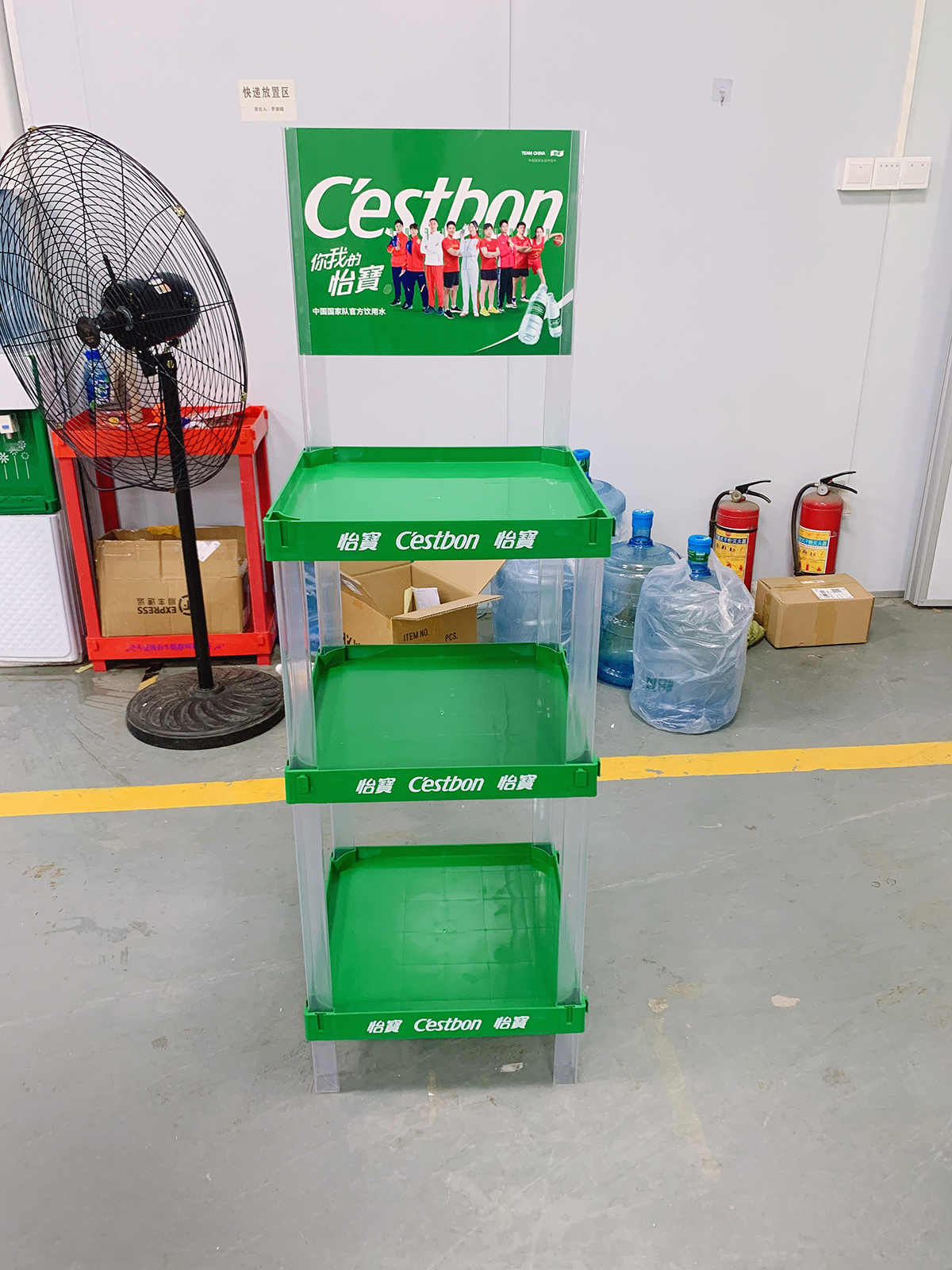
Selecting the right POP displays supplier has become increasingly critical as retail competition intensifies and consumer expectations continue to evolve. In today's dynamic marketplace, point-of-purchase displays serve as powerful brand ambassadors that can significantly impact sales performance and customer engagement. The success of your retail strategy depends heavily on partnering with a supplier who understands your brand vision and can deliver high-quality displays that capture attention at the crucial moment of purchase decision.
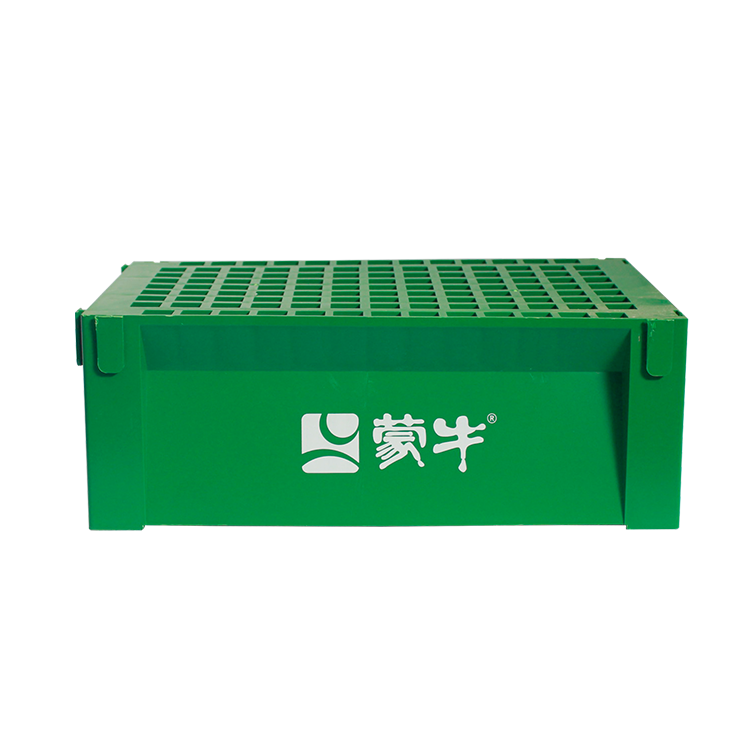
The retail landscape has undergone dramatic transformation in recent years, with brands needing to differentiate themselves through innovative display solutions. A qualified supplier brings more than just manufacturing capabilities to the table – they offer strategic partnership, design expertise, and market insights that can elevate your brand presence. Understanding the key factors that separate exceptional suppliers from mediocre ones will help you make an informed decision that drives long-term success for your retail initiatives.
Understanding Your Display Requirements
Analyzing Brand Identity and Marketing Objectives
Before evaluating potential suppliers, you must clearly define your brand identity and marketing objectives. Your display requirements should align perfectly with your overall brand strategy, target audience preferences, and specific campaign goals. Consider factors such as brand colors, messaging tone, product positioning, and the emotional response you want to evoke in customers. A thorough understanding of these elements will help you communicate effectively with suppliers and ensure they can deliver displays that truly represent your brand essence.
Successful brands recognize that effective point-of-purchase displays serve multiple functions beyond simple product presentation. They act as silent salespeople, brand reinforcement tools, and customer experience enhancers. When working with a POP displays supplier, ensure they understand these multifaceted requirements and can translate your brand vision into tangible display solutions that resonate with your target market.
Determining Display Types and Specifications
Different retail environments and product categories require specific display types and configurations. Floor displays, counter displays, shelf displays, and hanging displays each serve unique purposes and offer distinct advantages depending on your merchandise and retail space constraints. Consider factors such as product weight, dimensions, packaging requirements, and typical shopping behaviors of your target customers when determining the most suitable display formats.
Technical specifications play a crucial role in display effectiveness and durability. Weight capacity, material strength, assembly requirements, and shipping considerations all impact the practical implementation of your display program. Work with suppliers who demonstrate comprehensive understanding of these technical aspects and can provide detailed specifications that meet your operational requirements while maintaining visual appeal and structural integrity.
Evaluating Supplier Capabilities
Manufacturing Quality and Standards
Manufacturing quality directly impacts display performance, brand perception, and long-term cost effectiveness. Examine potential suppliers' production facilities, quality control processes, and compliance with industry standards. Look for certifications such as ISO quality management systems, environmental compliance credentials, and safety certifications that demonstrate commitment to professional manufacturing practices.
Material selection and construction methods significantly influence display durability and appearance. Suppliers should demonstrate expertise in various materials including cardboard, plastic, metal, and composite materials, along with understanding of when each material type is most appropriate. Quality suppliers maintain strict material sourcing standards and can provide samples that showcase their manufacturing capabilities and attention to detail.
Design and Customization Expertise
Creative design capabilities separate exceptional suppliers from basic manufacturers. Look for partners who offer comprehensive design services, including concept development, 3D modeling, prototype creation, and design optimization. The best suppliers employ experienced designers who understand retail psychology, consumer behavior, and current market trends that influence display effectiveness.
Customization flexibility becomes increasingly important as brands seek to differentiate themselves in crowded marketplaces. Evaluate suppliers' ability to accommodate unique requirements, special finishes, interactive elements, and brand-specific modifications. Partners who embrace customization challenges and offer innovative solutions will provide greater value and help your displays stand out from competitors.
Production and Logistics Considerations
Production Capacity and Scalability
Understanding supplier production capacity helps ensure they can meet your volume requirements and delivery timelines consistently. Evaluate their equipment capabilities, workforce size, and ability to scale production up or down based on seasonal demands or market fluctuations. Suppliers with robust production capacity can better support your growth initiatives and respond quickly to urgent requirements.
Geographic location of production facilities affects shipping costs, delivery times, and communication efficiency. Consider the balance between cost savings from overseas production versus benefits of local manufacturing such as faster turnaround times, easier quality oversight, and reduced shipping complexity. The optimal choice depends on your specific requirements, budget constraints, and timeline flexibility.
Supply Chain Management and Delivery
Reliable supply chain management ensures consistent availability of materials and predictable delivery schedules. Examine suppliers' relationships with material vendors, inventory management systems, and backup plans for potential supply disruptions. Strong supply chain management capabilities indicate professional operations that can maintain consistent service levels even during challenging market conditions.
Packaging and shipping expertise directly impacts product condition upon delivery and overall project costs. Evaluate suppliers' packaging methods, shipping partnerships, and experience with various delivery requirements including direct-to-store shipments, warehouse consolidation, and international shipping when applicable. Professional packaging protects your investment and ensures displays arrive ready for immediate deployment.
Cost Analysis and Value Assessment
Pricing Structure and Cost Transparency
Transparent pricing structures help you accurately evaluate total project costs and compare supplier offerings effectively. Look for suppliers who provide detailed cost breakdowns including design fees, tooling costs, material expenses, production labor, and shipping charges. Avoid suppliers who provide vague estimates or seem reluctant to explain their pricing methodology, as this often leads to unexpected costs and budget overruns.
Value assessment goes beyond initial pricing to consider long-term costs and benefits. Factor in display durability, reusability potential, maintenance requirements, and impact on sales performance when evaluating supplier proposals. Sometimes higher initial investment in quality displays delivers better return on investment through improved performance and longer service life.
Payment Terms and Financial Stability
Flexible payment terms can improve your cash flow management and reduce financial risk. Evaluate suppliers' willingness to work with your accounting processes and offer payment schedules that align with your budget cycles. However, be cautious of suppliers who demand full payment upfront, as this may indicate financial instability or unprofessional business practices.
Supplier financial stability affects their ability to deliver consistent service and honor commitments throughout your partnership. Research their business history, client testimonials, and financial reputation within the industry. Established suppliers with solid financial foundations are more likely to invest in quality improvements, maintain reliable service levels, and support your long-term display program requirements.
Communication and Partnership Approach
Project Management and Communication Style
Effective communication forms the foundation of successful supplier relationships. Evaluate potential partners' responsiveness, clarity of communication, and project management capabilities during initial discussions. Suppliers who demonstrate organized project management processes, regular progress updates, and proactive problem-solving approaches will provide smoother collaboration experiences and better project outcomes.
Cultural compatibility and communication preferences vary significantly between suppliers, particularly when working with international partners. Consider time zone differences, language capabilities, and cultural communication styles that may impact project coordination. Choose suppliers whose communication approach aligns with your team's preferences and business culture to minimize misunderstandings and enhance collaboration efficiency.
Technical Support and Problem Resolution
Technical support capabilities become crucial when displays require assembly, installation guidance, or troubleshooting assistance. Evaluate suppliers' willingness to provide detailed assembly instructions, training materials, and ongoing support throughout the display lifecycle. Quality suppliers stand behind their products with comprehensive support services that help ensure successful implementation.
Problem resolution processes demonstrate supplier commitment to customer satisfaction and long-term partnerships. Discuss their approach to handling quality issues, delivery delays, or design modifications that may arise during production. Suppliers with established problem resolution procedures and customer service protocols will handle challenges more effectively and maintain project momentum even when issues occur.
Quality Assurance and Testing
Quality Control Processes
Comprehensive quality control processes ensure consistent output and minimize defect rates that could impact your brand reputation. Investigate suppliers' inspection procedures, quality checkpoints throughout production, and final product testing methods. Look for partners who maintain detailed quality documentation and can provide quality reports that verify compliance with your specifications.
Sample approval processes allow you to verify quality standards before committing to full production runs. Establish clear sample requirements including quantity, specifications, and approval timelines that align with your project schedule. Quality suppliers welcome sample reviews and use feedback to refine production processes and ensure final products meet your expectations.
Performance Testing and Validation
Structural testing validates display stability, weight capacity, and durability under normal use conditions. Discuss testing protocols with potential suppliers and request documentation of testing results for similar display types. Proper testing reduces risk of display failures that could damage products, create safety hazards, or negatively impact brand perception in retail environments.
Environmental testing ensures displays perform reliably under various conditions including temperature fluctuations, humidity variations, and lighting conditions typical in retail environments. Suppliers experienced in retail display applications understand these environmental factors and design displays accordingly. Request information about environmental testing capabilities and results for displays similar to your requirements.
FAQ
What should I prioritize when comparing quotes from different POP display suppliers
Focus on total value rather than just initial pricing when comparing supplier quotes. Evaluate design capabilities, material quality, production timelines, and included services such as shipping and setup support. Consider the supplier's track record, communication quality, and ability to handle your specific requirements. Factor in long-term costs including potential reprints, maintenance, and the impact of display quality on sales performance to make the most informed decision.
How can I verify a supplier's manufacturing quality before placing a large order
Request samples of previous work similar to your requirements and conduct thorough inspections of materials, construction methods, and finishing quality. Ask for references from current clients and contact them to discuss their experiences with the supplier. If possible, visit the manufacturing facility or request detailed photos and videos of the production process. Many reputable suppliers welcome these verification steps as they demonstrate confidence in their capabilities.
What timeline should I expect for custom POP display production
Custom display production typically requires 2-4 weeks for design development, 1-2 weeks for sample approval, and 2-6 weeks for production depending on complexity and quantity. Rush orders may be possible but often incur additional costs and may compromise quality. Plan your display programs well in advance and communicate deadlines clearly to suppliers during initial discussions to ensure realistic timeline expectations and avoid disappointments.
How important is geographic location when selecting a POP displays supplier
Geographic location impacts shipping costs, delivery times, communication efficiency, and quality oversight capabilities. Local suppliers offer advantages like faster turnaround, easier facility visits, and simplified logistics, while overseas suppliers may provide cost savings on large orders. Consider your priorities regarding cost, speed, and control when weighing location factors. Many successful partnerships exist across geographic boundaries when suppliers demonstrate strong communication and reliable delivery capabilities.
Table of Contents
- Understanding Your Display Requirements
- Evaluating Supplier Capabilities
- Production and Logistics Considerations
- Cost Analysis and Value Assessment
- Communication and Partnership Approach
- Quality Assurance and Testing
-
FAQ
- What should I prioritize when comparing quotes from different POP display suppliers
- How can I verify a supplier's manufacturing quality before placing a large order
- What timeline should I expect for custom POP display production
- How important is geographic location when selecting a POP displays supplier