 EN
EN

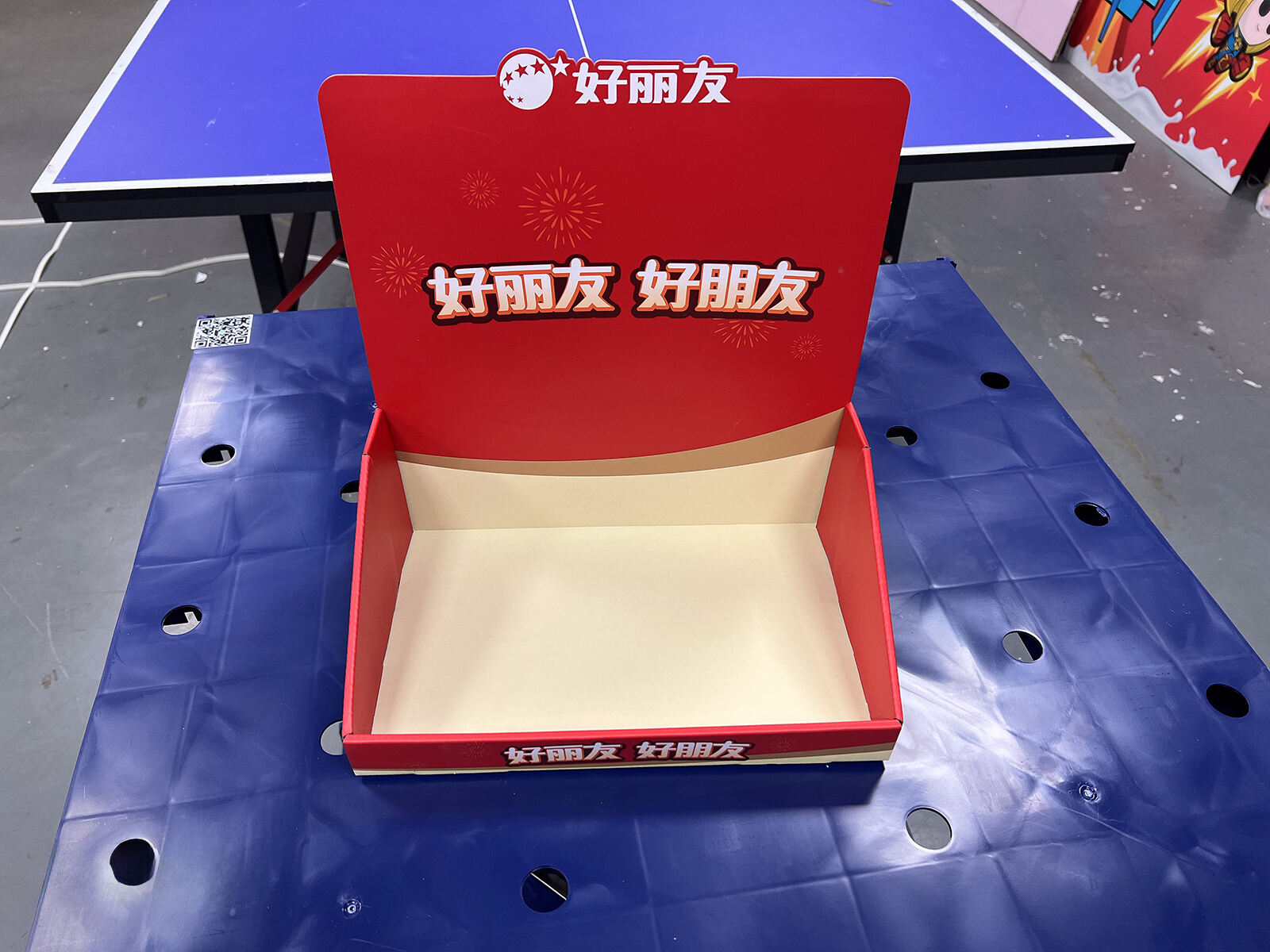
Choosing the right display solution for your business can significantly impact customer engagement and sales performance. Metal display stands have emerged as one of the most versatile and durable options for retailers, exhibitors, and marketers across various industries. These robust structures offer exceptional stability while providing an elegant presentation platform for merchandise, promotional materials, and informational displays.

The retail landscape continues to evolve, demanding display solutions that combine functionality with aesthetic appeal. Metal display stands deliver on both fronts, offering superior load-bearing capacity compared to plastic or cardboard alternatives while maintaining a professional appearance that enhances brand presentation. Understanding the various types, applications, and selection criteria for these display systems will help you make informed purchasing decisions that align with your specific business needs.
Understanding Metal Display Stand Construction
Material Quality and Durability Factors
The foundation of any quality metal display stand lies in its material composition and manufacturing process. Premium metal display stands typically utilize high-grade steel or aluminum alloys that provide exceptional strength-to-weight ratios. Steel variants offer maximum durability and can support heavier merchandise loads, making them ideal for industrial trade shows and permanent retail installations where long-term reliability is paramount.
Aluminum-based metal display stands present a compelling alternative for businesses prioritizing portability without sacrificing structural integrity. These lightweight options maintain excellent corrosion resistance and are particularly suitable for outdoor exhibitions or frequent transportation scenarios. The surface treatments applied to these materials, such as powder coating or anodization, significantly extend the lifespan while providing customizable color options that align with brand aesthetics.
Engineering Design Principles
Modern metal display stands incorporate sophisticated engineering principles that optimize both functionality and visual appeal. The structural design typically features strategic reinforcement points that distribute weight evenly across the frame, preventing wobbling or instability even when fully loaded. Advanced manufacturing techniques ensure precise tolerances and seamless assembly processes that enhance the overall user experience.
Contemporary metal display stands often integrate modular design concepts that allow for easy customization and reconfiguration. This approach enables businesses to adapt their display solutions for different events, seasonal promotions, or changing product lines without requiring complete system replacements. The engineering focus on user-friendly assembly and disassembly procedures makes these stands particularly attractive for companies with dynamic display requirements.
Popular Types and Configurations
Freestanding Display Solutions
Freestanding metal display stands represent the most versatile category within the display industry, offering complete independence from wall mounting or support structures. These self-contained units can be positioned anywhere within a retail space or exhibition area, providing maximum flexibility for layout optimization. The design variations range from simple single-tier platforms to complex multi-level systems that maximize vertical display space.
Many freestanding metal display stands feature adjustable shelving systems that accommodate products of varying sizes and weights. This adaptability proves invaluable for retailers managing diverse inventory or exhibitors showcasing different product categories at various events. The stability mechanisms incorporated into these designs ensure safe operation even in high-traffic environments where accidental contact is likely.
Countertop and Compact Models
Countertop metal display stands serve as essential point-of-sale tools that maximize limited retail space while maintaining professional presentation standards. These compact units excel at highlighting impulse purchase items, promotional materials, or high-value merchandise that benefits from elevated positioning. The reduced footprint makes them ideal for crowded retail environments where floor space commands premium value.
The construction of compact metal display stands emphasizes precision and attention to detail, as these units often receive close customer inspection. Premium finishes and refined design elements become particularly important in these applications where the display stand itself contributes to the perceived value of the displayed merchandise. Many models incorporate rotating or tilting mechanisms that enhance product visibility and customer interaction.
Industry Applications and Use Cases
Retail Environment Implementation
Retail environments benefit tremendously from the strategic deployment of metal display stands throughout the shopping experience. These versatile fixtures excel at creating focal points that guide customer attention toward featured merchandise or promotional campaigns. The durability of metal construction ensures consistent performance despite the constant handling and repositioning common in retail settings.
Specialty retailers particularly value metal display stands for their ability to support premium products while conveying quality and reliability. Jewelry stores, electronics retailers, and automotive parts suppliers frequently rely on these robust display solutions to present merchandise in professional, secure environments. The weight capacity and stability characteristics of metal display stands make them ideal for valuable or fragile items that require secure presentation.
Trade Show and Exhibition Applications
Trade shows and exhibitions present unique challenges that metal display stands are specifically designed to address. The temporary nature of these events requires display solutions that can be quickly assembled, professionally presented, and efficiently packed for transportation. Metal display stands excel in these demanding environments where first impressions significantly impact business outcomes.
Professional exhibitors recognize that metal display stands project an image of established credibility and serious business intent. The substantial construction and refined appearance help distinguish serious vendors from casual participants, potentially influencing buyer perception and purchasing decisions. Many trade show specific metal display stands incorporate custom graphics integration and modular expansion capabilities that adapt to varying booth sizes and configurations.
Selection Criteria and Buying Guidelines
Load Capacity and Structural Requirements
Determining appropriate load capacity requirements represents one of the most critical factors when selecting metal display stands for specific applications. The cumulative weight of displayed merchandise, including packaging and any additional accessories, must remain well within the manufacturer's specified limits to ensure safe operation. Conservative load calculations help prevent structural failure and extend the operational lifespan of the display system.
Different metal display stands offer varying load distribution characteristics that affect their suitability for specific merchandise types. Point loads from heavy individual items require different structural support than evenly distributed lighter products. Understanding these engineering principles helps buyers select stands that provide optimal performance for their specific product mix and display requirements.
Mobility and Storage Considerations
The frequency of relocation and storage requirements significantly influence the optimal choice among available metal display stands. Fixed installation environments can accommodate heavier, more substantial units that prioritize stability and load capacity over portability. Conversely, businesses requiring frequent setup and breakdown benefit from lightweight, collapsible designs that minimize transportation costs and setup time.
Storage efficiency becomes particularly important for organizations managing multiple events or seasonal display requirements. Many modern metal display stands incorporate innovative folding or nesting mechanisms that dramatically reduce storage volume when not in use. These space-saving features can significantly impact the total cost of ownership by reducing storage facility requirements and transportation expenses.
Maintenance and Longevity Strategies
Preventive Care Protocols
Implementing comprehensive maintenance protocols significantly extends the functional lifespan of metal display stands while preserving their professional appearance. Regular inspection schedules should focus on identifying early signs of wear, corrosion, or structural compromise before these issues affect performance or safety. Simple preventive measures often prevent costly repairs or premature replacement requirements.
Surface maintenance for metal display stands varies depending on the specific material composition and finish treatment. Powder-coated surfaces typically require only gentle cleaning with appropriate solutions, while raw metal finishes may need periodic protective treatments to prevent oxidation. Understanding these maintenance requirements during the selection process helps establish realistic long-term operating costs.
Repair and Refurbishment Options
Quality metal display stands often justify repair and refurbishment investments when minor damage occurs or aesthetic updates become necessary. Professional refinishing services can restore appearance and extend useful life at a fraction of replacement cost. Many manufacturers offer component replacement programs that allow selective updates without complete system replacement.
The modular construction of many modern metal display stands facilitates selective component replacement when specific elements experience wear or damage. This approach reduces overall maintenance costs while maintaining consistent appearance across multiple display units. Planning for these maintenance scenarios during initial selection can significantly improve the long-term value proposition of metal display stands.
Cost Analysis and Budget Planning
Initial Investment Considerations
The initial purchase price of metal display stands represents only one component of the total ownership cost equation. Quality units command higher upfront prices but typically deliver superior durability, reduced maintenance requirements, and extended operational lifespans that improve long-term value. Budget-conscious buyers should evaluate these factors comprehensively rather than focusing solely on initial acquisition costs.
Volume purchasing opportunities often provide significant cost advantages for organizations requiring multiple metal display stands for comprehensive display programs. Many manufacturers offer quantity discounts, customization options, and extended warranty coverage for bulk orders. These programs can substantially improve the cost-effectiveness of larger display installations while ensuring consistency across multiple locations or events.
Return on Investment Calculations
Measuring the return on investment for metal display stands requires consideration of both direct and indirect benefits they provide. Increased merchandise visibility, enhanced brand presentation, and improved customer engagement can translate into measurable sales improvements that justify the investment. Tracking these metrics helps validate purchasing decisions and guide future display strategy development.
The durability advantage of metal display stands becomes particularly valuable in high-traffic environments where frequent replacement of lesser quality alternatives creates ongoing expenses. Professional-grade metal display stands often maintain their functionality and appearance for many years, while cheaper alternatives may require annual or bi-annual replacement. This durability differential significantly impacts long-term cost calculations and budget planning requirements.
FAQ
What weight capacity should I expect from quality metal display stands
Quality metal display stands typically support between 50 to 500 pounds depending on their size, construction materials, and design configuration. Steel-based units generally offer higher load capacities than aluminum alternatives, while the specific weight distribution and shelf configuration significantly affect the practical limits. Always consult manufacturer specifications and maintain safety margins below maximum rated capacities to ensure reliable long-term performance.
How do metal display stands compare to other material options
Metal display stands offer superior durability, load-bearing capacity, and professional appearance compared to plastic, wood, or cardboard alternatives. While initial costs may be higher, metal construction provides better long-term value through extended lifespan, reduced maintenance requirements, and consistent performance in demanding environments. The material choice should align with specific application requirements, budget constraints, and aesthetic preferences.
What assembly requirements are typical for metal display stands
Most modern metal display stands feature tool-free or minimal-tool assembly processes that can be completed in 10-30 minutes depending on complexity. Premium units often incorporate innovative connection systems that eliminate traditional hardware while maintaining structural integrity. Clear instruction manuals and pre-fitted components streamline the setup process, making these stands accessible to users without specialized technical skills.
Can metal display stands be customized for specific branding needs
Many manufacturers offer extensive customization options for metal display stands including custom colors, logo integration, specialized shelving configurations, and unique design elements. These customization services typically require minimum order quantities and extended lead times but provide opportunities to create distinctive display solutions that align perfectly with brand identity and specific functional requirements. Custom options may include powder coating in corporate colors, etched or printed graphics, and specialized mounting systems for unique products.