 EN
EN

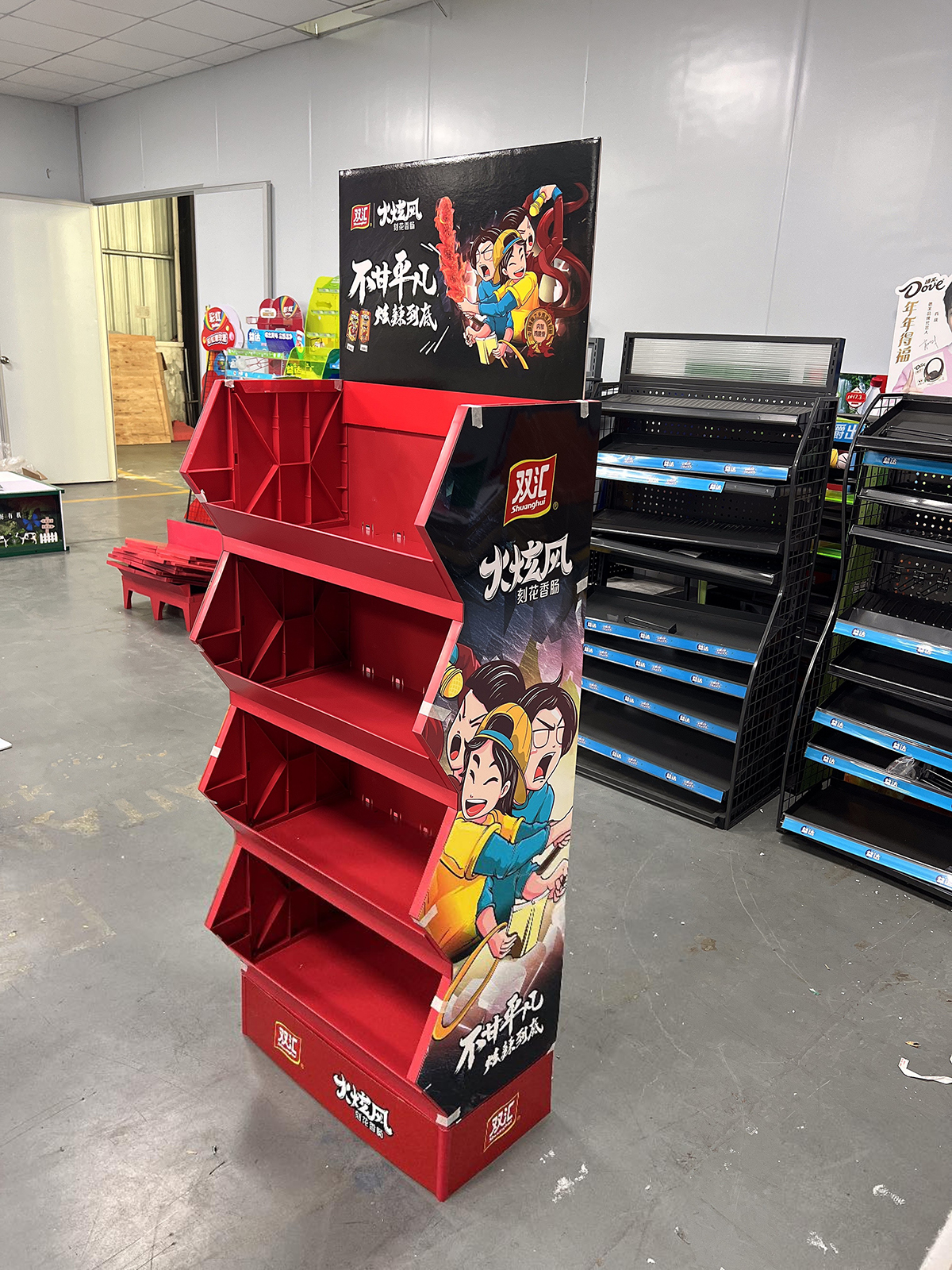
Floor display stands have become essential fixtures in modern retail environments, transforming how businesses showcase their products and engage with customers. Among the various materials available, acrylic display stands offer exceptional clarity, durability, and versatility that make them increasingly popular across industries. These transparent fixtures create an elegant presentation platform while maintaining focus on the displayed items, making them ideal for everything from cosmetics and electronics to luxury goods and promotional materials.
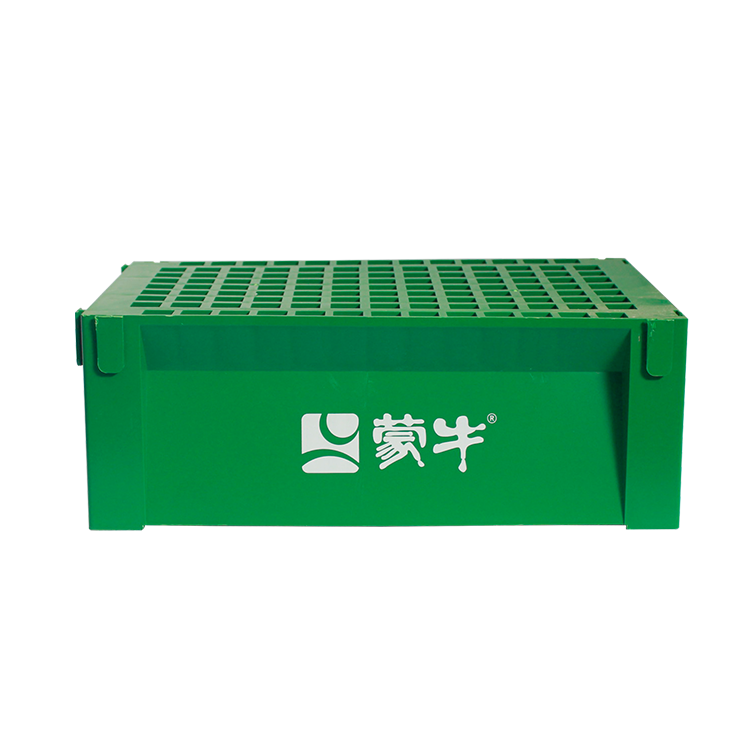
The evolution of display technology has brought forth innovative designs and materials that cater to diverse retail needs. Modern floor displays must balance aesthetic appeal with practical functionality, ensuring they attract attention while serving their primary purpose of product presentation. Understanding the various materials, styles, and emerging trends in display stands helps businesses make informed decisions that enhance their marketing efforts and customer experience.
Material Selection for Modern Display Stands
Acrylic Material Advantages
Acrylic display stands represent the pinnacle of modern display technology, offering crystal-clear transparency that rivals glass while providing superior impact resistance. This lightweight material maintains its optical clarity over time, resisting yellowing and clouding that can affect other transparent materials. The manufacturing process allows for precise molding and shaping, creating seamless joints and smooth surfaces that enhance the professional appearance of any retail environment.
The durability of acrylic display stands extends far beyond their visual appeal. These fixtures can withstand significant weight loads while maintaining their structural integrity, making them suitable for displaying heavy products without concern for breakage or damage. Unlike glass alternatives, acrylic materials offer excellent chemical resistance and can be easily cleaned with standard retail cleaning products without risk of scratching or etching.
Cost-effectiveness represents another significant advantage of acrylic display stands in commercial applications. The material's longevity and low maintenance requirements create excellent return on investment for businesses seeking reliable display solutions. Additionally, acrylic's recyclability aligns with growing environmental consciousness in retail operations, supporting sustainability initiatives while maintaining high-quality presentation standards.
Alternative Material Options
Metal display stands provide robust construction and modern aesthetic appeal, particularly in industrial or contemporary retail settings. Stainless steel, aluminum, and powder-coated steel options offer different visual characteristics while maintaining structural strength. These materials excel in high-traffic environments where durability is paramount, though they may not provide the transparency that highlights product features as effectively as acrylic display stands.
Wood and composite materials bring natural warmth to display presentations, creating inviting atmospheres in specialty retail environments. These organic materials can be customized with various finishes and stains to match specific branding requirements. However, wooden displays typically require more maintenance than acrylic alternatives and may be susceptible to moisture damage in certain environments.
Hybrid construction combining multiple materials offers designers flexibility to create unique display solutions. Incorporating acrylic panels with metal frameworks, for example, provides structural strength while maintaining product visibility. These combination approaches allow retailers to customize displays for specific applications while leveraging the benefits of different materials.
Contemporary Display Stand Styles
Minimalist Design Trends
Contemporary retail design emphasizes clean lines and uncluttered presentations that allow products to take center stage. Minimalist acrylic display stands embrace this philosophy by providing nearly invisible support structures that create floating product effects. These designs eliminate visual distractions while maintaining professional presentation standards that appeal to modern consumer preferences.
The geometric simplicity of minimalist display stands complements various architectural styles and interior design schemes. Rectangular, circular, and angular forms can be strategically positioned to create dynamic visual compositions without overwhelming the displayed products. This versatility makes minimalist acrylic display stands particularly valuable for retailers who frequently change their product presentations or seasonal displays.
Negative space utilization becomes a design element itself in minimalist display concepts. By carefully considering the relationship between display stands and surrounding space, retailers can create sophisticated presentations that draw attention through restraint rather than excess. This approach proves particularly effective for luxury goods and high-end products where elegance and refinement are essential brand elements.
Multi-Functional Design Solutions
Modern acrylic display stands increasingly incorporate multiple functionality aspects to maximize retail space efficiency. Integrated storage compartments, adjustable shelving systems, and modular components allow single display units to serve various purposes throughout different promotional periods. These versatile solutions provide excellent value for retailers operating in space-constrained environments.
Rotating and adjustable mechanisms enhance the functionality of contemporary display stands, allowing retailers to modify presentations without replacing entire units. Height-adjustable platforms, rotating bases, and tilt-adjustable surfaces enable dynamic product presentations that can be customized for different viewing angles and customer interactions.
Technology integration represents an emerging trend in multi-functional display design. LED lighting systems, digital signage compatibility, and interactive elements can be seamlessly incorporated into acrylic structures, creating engaging customer experiences while maintaining clean aesthetic lines. These technological enhancements transform simple display stands into comprehensive marketing platforms.
Current Market Trends and Innovations
Sustainability and Eco-Friendly Materials
Environmental consciousness drives significant innovation in display stand manufacturing, with acrylic display stands leading sustainability efforts through recyclable materials and efficient production processes. Manufacturers increasingly focus on reducing waste streams and implementing circular economy principles in their operations. These environmental considerations align with corporate social responsibility initiatives while meeting consumer expectations for sustainable business practices.
Bio-based acrylic formulations represent cutting-edge developments in sustainable display materials. These innovative compounds reduce dependence on petroleum-based raw materials while maintaining the optical clarity and durability characteristics that make acrylic display stands so popular. Research into plant-based polymers and recycled content integration continues to advance, promising even more environmentally friendly options for future applications.
Life cycle assessment considerations influence design decisions throughout the development process for modern display stands. Manufacturers evaluate environmental impact from raw material extraction through end-of-life disposal, optimizing designs to minimize ecological footprint. This comprehensive approach ensures that acrylic display stands contribute positively to sustainable retail practices while maintaining their functional and aesthetic advantages.
Digital Integration and Smart Features
Smart technology integration transforms traditional display stands into interactive marketing platforms that engage customers in new ways. Digital displays, motion sensors, and wireless connectivity enable dynamic content presentation that adapts to customer presence and behavior. These technological enhancements create memorable shopping experiences while providing valuable data about customer interactions and preferences.
Augmented reality compatibility represents an exciting frontier for acrylic display stands in retail environments. Transparent surfaces provide ideal platforms for AR overlays that can display additional product information, virtual try-on experiences, or interactive demonstrations. This technology integration maintains the clean aesthetic of acrylic materials while adding powerful digital capabilities.
IoT connectivity enables remote monitoring and management of display systems, allowing retailers to track performance metrics and optimize presentations based on real-time data. Smart sensors can monitor product levels, customer engagement duration, and environmental conditions, providing insights that inform merchandising decisions and improve overall retail effectiveness.
Implementation Best Practices
Space Planning and Layout Considerations
Effective implementation of acrylic display stands requires careful consideration of traffic flow patterns and customer movement throughout retail spaces. Strategic positioning ensures maximum product visibility while maintaining comfortable navigation paths for shoppers. The transparent nature of acrylic materials allows for creative placement options that might not work with opaque display fixtures, opening new possibilities for space utilization.
Lighting design plays a crucial role in maximizing the effectiveness of acrylic display stands. Proper illumination enhances the material's transparency while eliminating unwanted reflections or glare that could detract from product presentation. LED systems offer energy-efficient solutions that can be integrated directly into display structures or positioned strategically around them to create optimal viewing conditions.
Height variation and visual hierarchy create dynamic presentations that guide customer attention through desired sequences. Combining different sizes and styles of acrylic display stands allows retailers to create compelling visual compositions that highlight featured products while maintaining overall design cohesion. This layered approach maximizes the impact of available display space.
Maintenance and Longevity Strategies
Proper maintenance procedures ensure that acrylic display stands maintain their crystal-clear appearance and structural integrity over extended periods. Regular cleaning with appropriate solutions prevents accumulation of dust, fingerprints, and other contaminants that can diminish transparency. Understanding the specific care requirements for acrylic materials helps retailers protect their investment while maintaining professional presentation standards.
Preventive maintenance schedules should address both aesthetic and functional aspects of display stand operation. Regular inspection for stress cracks, joint integrity, and mounting stability prevents minor issues from developing into costly problems. Documentation of maintenance activities helps establish patterns and optimize care procedures for maximum longevity.
Staff training on proper handling and care procedures extends the operational life of acrylic display stands significantly. Understanding weight limits, cleaning protocols, and assembly procedures prevents accidental damage while ensuring consistent presentation quality. Investment in proper training pays dividends through reduced replacement costs and maintained aesthetic standards.
FAQ
What makes acrylic display stands superior to glass alternatives
Acrylic display stands offer several key advantages over glass alternatives, including superior impact resistance that significantly reduces breakage risk in high-traffic retail environments. The lightweight nature of acrylic makes handling and repositioning much easier while maintaining the same crystal-clear transparency that showcases products effectively. Additionally, acrylic materials resist scratching better than glass and can be easily repaired if minor damage occurs, making them more cost-effective for long-term use.
How do I determine the right size and style for my retail space
Selecting the appropriate size and style of acrylic display stands depends on several factors including available floor space, product dimensions, and customer traffic patterns. Measure your retail area carefully and consider sight lines from various customer positions to ensure optimal product visibility. The style should complement your overall store aesthetic while providing adequate support for your specific products, with consideration for future display needs and seasonal variations in merchandise.
What maintenance is required to keep acrylic displays looking new
Maintaining acrylic display stands requires regular cleaning with mild soap solutions or specialized acrylic cleaners to prevent clouding and maintain transparency. Avoid abrasive cleaners or rough cloths that could scratch the surface, instead using microfiber cloths or soft cotton materials for cleaning. Inspect joints and mounting points periodically for signs of stress or wear, and store displays properly when not in use to prevent accidental damage and extend their operational life.
Can acrylic display stands be customized for specific products
Acrylic display stands offer excellent customization options through various manufacturing processes including cutting, molding, and fabrication techniques. Custom sizing, specialized mounting features, and integrated accessories can be designed to accommodate specific product requirements and branding needs. Many manufacturers provide design services to create unique solutions that maximize product presentation while maintaining the aesthetic and functional benefits of acrylic materials, ensuring optimal fit for any retail application.