 EN
EN

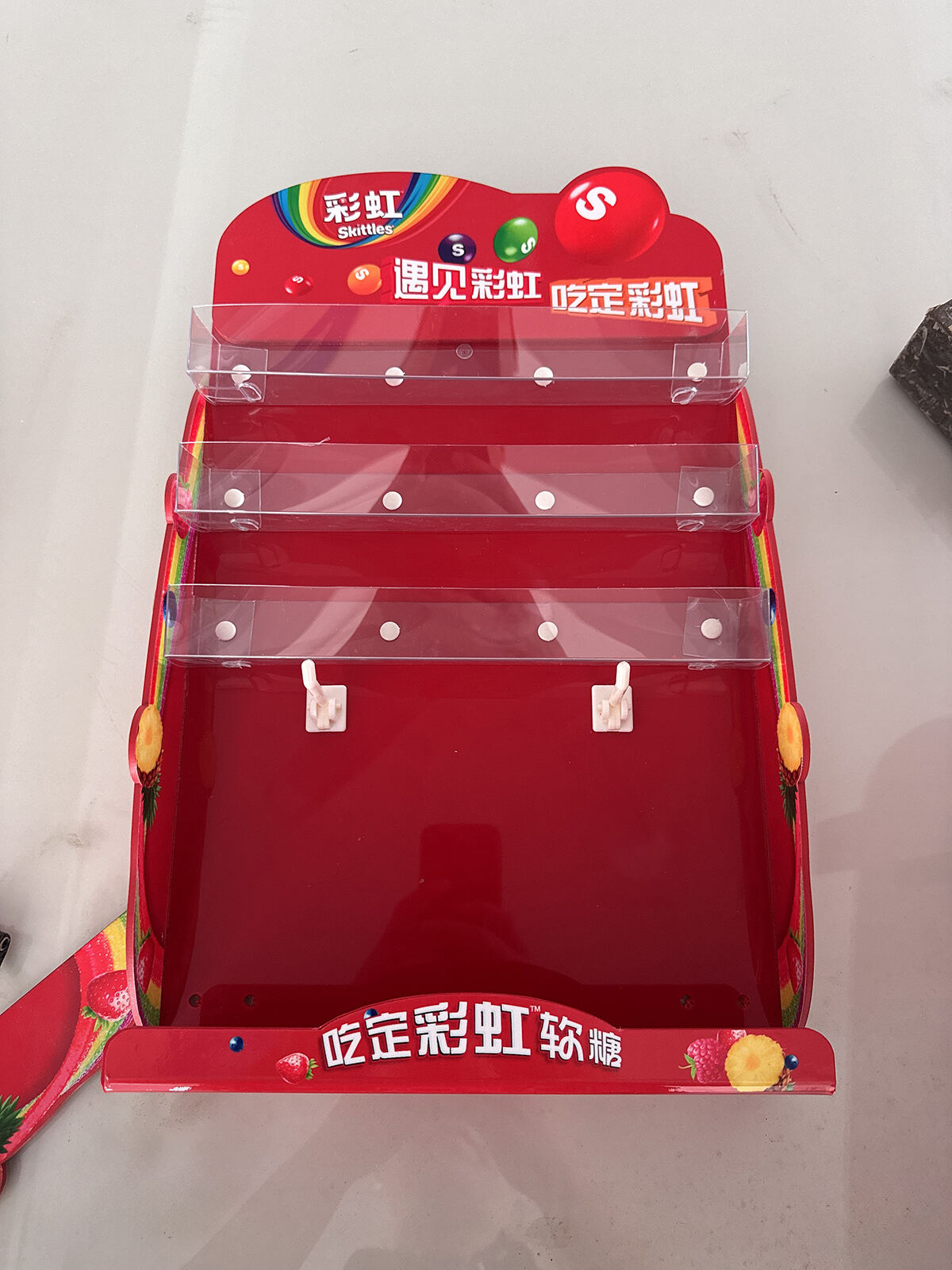
Retail environments demand effective merchandise presentation solutions that maximize visibility while conserving valuable floor space. Modern countertop display racks serve as essential tools for retailers seeking to showcase products strategically at point-of-sale locations. These compact yet versatile fixtures transform ordinary counter surfaces into dynamic selling platforms that capture customer attention and drive impulse purchases. Understanding the key features and selection criteria for countertop display racks enables businesses to make informed purchasing decisions that enhance their retail presentation strategies.
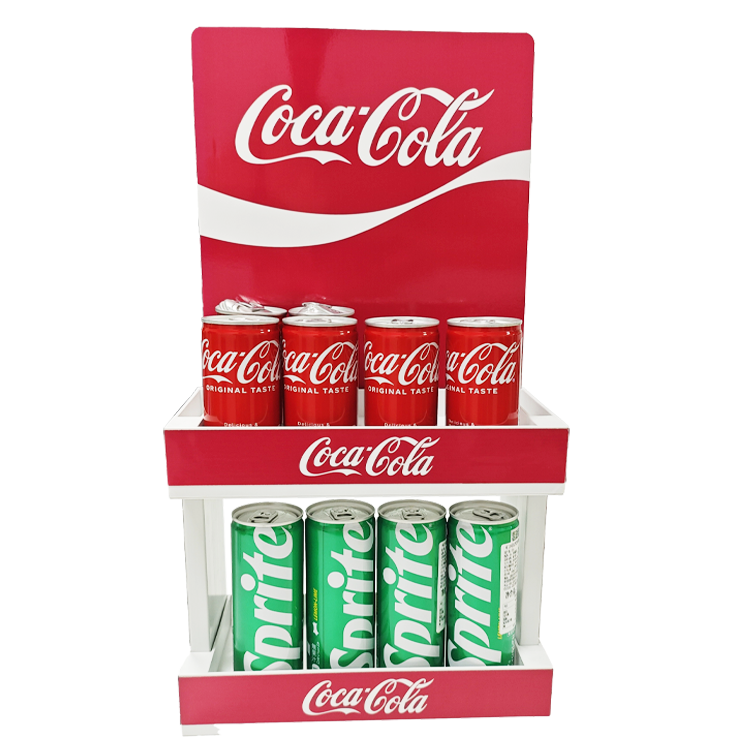
Essential Design Features of Premium Countertop Display Systems
Material Construction and Durability Standards
High-quality countertop display racks incorporate robust materials engineered to withstand constant handling and environmental factors typical in retail settings. Premium acrylic constructions offer crystal-clear visibility while maintaining structural integrity under repeated use. Metal frameworks provide exceptional stability for heavier merchandise, while injection-molded plastics deliver cost-effective solutions without compromising functionality. The choice of materials directly impacts the longevity and professional appearance of these display solutions.
Surface treatments and protective coatings further enhance the durability of countertop display racks by preventing scratches, UV damage, and chemical deterioration. Anti-static properties in certain materials help maintain cleaner surfaces by reducing dust accumulation. These material considerations become particularly important in high-traffic retail environments where displays experience frequent customer interaction and staff handling.
Space Optimization and Footprint Efficiency
Effective countertop display racks maximize product visibility within minimal counter space through intelligent design configurations. Tiered arrangements allow multiple product levels while maintaining compact footprints that preserve valuable counter real estate. Rotating mechanisms enable 360-degree product access, effectively doubling display capacity without increasing space requirements. These space-efficient designs prove especially valuable in constrained retail environments where every inch of counter space generates revenue.
Modular design elements allow retailers to customize display configurations based on specific space constraints and product requirements. Expandable systems accommodate growing inventory needs while maintaining consistent visual presentation. The flexibility to reconfigure displays supports seasonal merchandising strategies and promotional campaigns that require dynamic presentation adjustments throughout the year.
Strategic Placement and Merchandising Applications
Point-of-Sale Integration Strategies
Positioning countertop display racks at checkout areas creates powerful impulse buying opportunities that capitalize on customer dwell time during transaction processing. Strategic placement near cash registers ensures maximum visibility during the final moments of the shopping experience when customers are most receptive to additional purchases. These displays work particularly well for small, high-margin items that complement primary purchases or satisfy immediate needs.
Integration with existing point-of-sale systems requires careful consideration of workflow patterns and staff accessibility requirements. Display positioning must not interfere with transaction processing while maintaining clear sightlines between customers and cashiers. Successful implementations balance merchandising objectives with operational efficiency to create seamless retail experiences that benefit both customers and staff.
Product Category Suitability Assessment
Different product categories benefit from specific display characteristics that enhance their appeal and accessibility to customers. Small electronics, accessories, and impulse items perform exceptionally well in countertop display racks that provide clear product visibility and easy customer access. Cosmetics and personal care items require displays that protect products while allowing customers to examine packaging and features closely.
Food and beverage displays demand materials that meet health and safety regulations while maintaining product freshness and appeal. Specialized features such as temperature resistance, easy cleaning surfaces, and contamination prevention become critical factors in these applications. Understanding product-specific requirements ensures optimal display performance and regulatory compliance across diverse retail categories.
Selection Criteria for Commercial Display Solutions
Load Capacity and Weight Distribution
Proper load capacity assessment prevents structural failure and ensures safe operation throughout the display's service life. Manufacturers specify maximum weight limits that account for both static loads and dynamic forces from customer handling. Exceeding these limits compromises display stability and creates potential safety hazards in retail environments. Understanding weight distribution principles helps retailers select appropriate displays for their specific product ranges.
Weight distribution across multiple tiers or compartments requires careful consideration to maintain display stability and prevent tipping hazards. Bottom-heavy configurations provide superior stability, while graduated weight arrangements from heavy to light products enhance overall balance. These engineering principles ensure countertop display racks remain secure and functional under various loading conditions typical in retail applications.
Maintenance and Cleaning Requirements
Regular maintenance protocols extend display life while maintaining professional appearance standards that reflect positively on retail brands. Easy-to-clean surfaces reduce labor costs associated with display upkeep and ensure consistent presentation quality. Removable components facilitate thorough cleaning and allow for periodic deep sanitization procedures required in food service and healthcare retail environments.
Access to all display surfaces for cleaning purposes influences design selection, particularly in applications where hygiene standards are critical. Seamless constructions minimize dirt accumulation points, while smooth finishes resist staining and facilitate rapid cleaning procedures. These maintenance considerations directly impact operational costs and staff productivity in busy retail environments.
Cost Analysis and Return on Investment
Initial Investment Considerations
Budget allocation for countertop display racks requires balancing upfront costs against long-term performance benefits and revenue generation potential. Premium displays command higher initial investments but deliver superior durability, appearance, and functionality that justify the expense over extended service periods. Cost-effective options provide acceptable performance for budget-conscious retailers while meeting basic display requirements.
Volume purchasing opportunities and bulk discounts significantly impact total acquisition costs for retailers implementing comprehensive display programs. Standardizing on specific display types across multiple locations generates economies of scale while simplifying inventory management and replacement procedures. These purchasing strategies optimize budget utilization while ensuring consistent brand presentation throughout retail networks.
Revenue Generation and Sales Impact
Effective countertop display racks generate measurable sales increases through improved product visibility and strategic placement that encourages impulse purchases. Studies demonstrate that well-designed displays can increase sales of featured products by 15-30% compared to traditional shelving arrangements. These performance improvements quickly offset initial investment costs through enhanced revenue generation and improved profit margins.
Tracking sales performance metrics enables retailers to quantify the return on investment from display implementations and optimize future purchasing decisions. Key performance indicators include sales velocity, inventory turnover rates, and customer engagement levels that correlate with display effectiveness. Data-driven analysis supports continuous improvement in display selection and placement strategies that maximize commercial impact.
Installation and Setup Procedures
Assembly and Configuration Steps
Proper assembly procedures ensure optimal display performance and prevent premature failure due to incorrect installation practices. Manufacturer instructions provide detailed guidance for component assembly, adjustment procedures, and safety precautions that protect both displays and operators. Following established protocols maintains warranty coverage while ensuring reliable operation throughout the display's service life.
Tool requirements and assembly complexity vary significantly among different countertop display racks, influencing selection decisions for retailers with limited technical resources. Tool-free assembly systems reduce setup time and eliminate dependency on specialized equipment or technical expertise. These user-friendly designs enable rapid deployment and reconfiguration to support dynamic merchandising requirements.
Positioning and Stability Optimization
Strategic positioning considerations extend beyond basic placement to encompass factors such as lighting conditions, customer traffic patterns, and staff accessibility requirements. Optimal positioning maximizes product visibility while maintaining clear sightlines and preventing customer flow disruption. These positioning strategies enhance both merchandising effectiveness and operational efficiency in retail environments.
Stability optimization techniques include proper weight distribution, secure mounting procedures, and environmental factor assessment that prevents display movement or tipping. Anti-slip feet and weighted bases provide additional stability in high-traffic areas where customer interactions might otherwise compromise display position. These stability measures ensure consistent presentation quality while protecting both merchandise and customers from potential hazards.
FAQ
What weight capacity should I look for in countertop display racks
Most commercial countertop display racks support between 10-50 pounds depending on construction materials and design configuration. Acrylic displays typically handle lighter loads of 10-25 pounds, while metal frameworks can support heavier merchandise up to 50 pounds or more. Always verify manufacturer specifications and distribute weight evenly across all display levels to prevent structural damage and ensure safe operation in retail environments.
How do I determine the right size for my counter space
Measure your available counter space and subtract at least 2-3 inches on all sides to ensure adequate clearance for customer access and staff operations. Consider the height of your products and any overhead obstructions that might limit display height. Standard countertop display racks range from 6-24 inches in width and 8-18 inches in height, allowing flexibility to match various space constraints and product requirements.
Can countertop display racks be used outdoors or in humid environments
Weather-resistant countertop display racks constructed from UV-stable plastics or powder-coated metals can withstand outdoor conditions and high-humidity environments. However, standard indoor displays may experience material degradation, discoloration, or structural weakening when exposed to harsh environmental conditions. Verify environmental suitability with manufacturers and consider specialized outdoor-rated displays for applications involving weather exposure or extreme temperature variations.
What maintenance schedule should I follow for countertop display racks
Implement daily cleaning procedures for high-touch surfaces using appropriate cleaning solutions that won't damage display materials. Conduct weekly inspections for structural integrity, loose components, and wear indicators that might require attention. Monthly deep cleaning and quarterly comprehensive assessments help identify potential issues before they impact display performance or safety. Document maintenance activities to track display condition and optimize replacement scheduling based on actual usage patterns.