 EN
EN

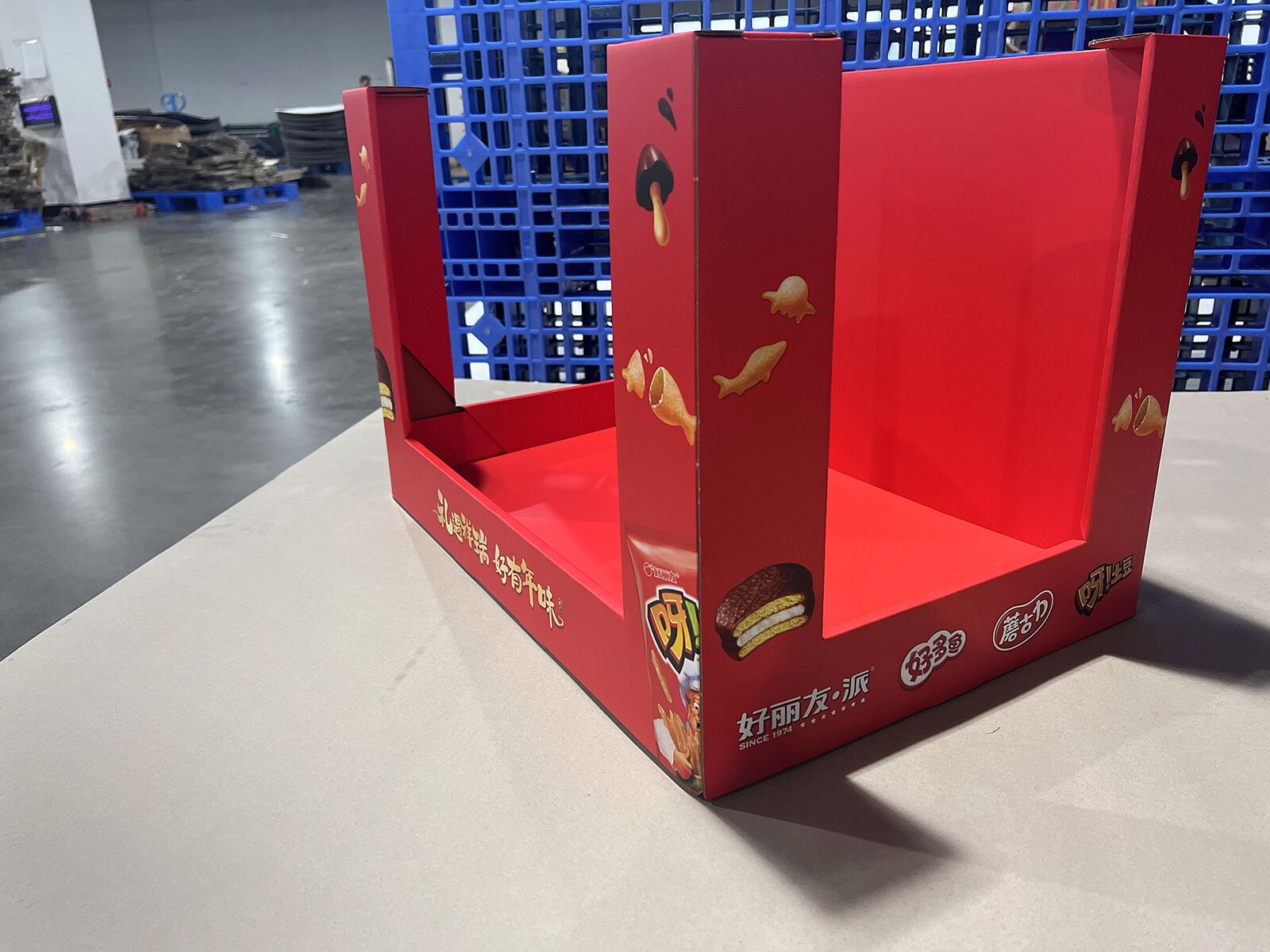
In today's competitive retail environment, effective product presentation can make the difference between a sale and a missed opportunity. Metal display stands have emerged as essential fixtures that combine durability, versatility, and professional aesthetics to showcase products across various industries. These robust structures offer retailers and manufacturers a reliable solution for organizing inventory while maximizing visual impact and customer engagement.
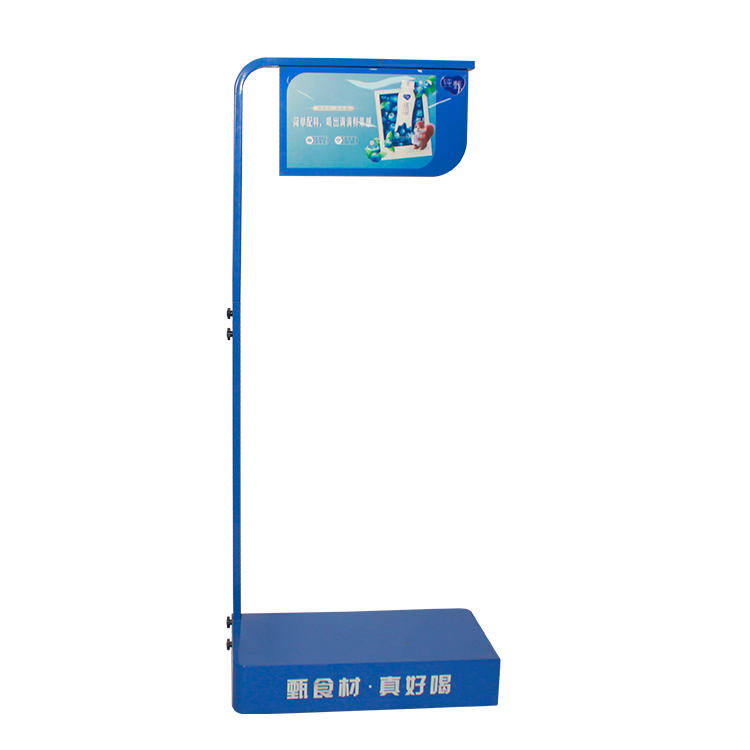
Understanding the strategic importance of product presentation helps businesses recognize why investing in quality metal display stands represents a smart operational decision. These fixtures serve multiple functions beyond simple storage, acting as silent salespeople that guide customer attention and facilitate purchasing decisions. The construction and design of metal display stands directly impact brand perception, product accessibility, and overall store aesthetics.
Essential Design Features of Modern Metal Display Stands
Structural Engineering and Load Capacity
Modern metal display stands incorporate advanced engineering principles to ensure optimal weight distribution and structural integrity. The framework typically utilizes high-grade steel or aluminum alloys that provide exceptional strength-to-weight ratios while maintaining cost-effectiveness. Professional manufacturers design these structures to handle substantial product loads without compromising stability or safety standards.
Load capacity considerations extend beyond simple weight limits to include dynamic forces such as customer interaction, product removal, and environmental factors. Quality metal display stands feature reinforced joints, strategic bracing, and calculated material thickness that prevents wobbling, tipping, or structural failure. These engineering elements ensure long-term reliability in high-traffic retail environments where durability directly impacts operational costs.
Surface Finishes and Protective Coatings
Surface treatment represents a critical aspect of metal display stand manufacturing that affects both appearance and longevity. Powder coating systems provide superior protection against corrosion, scratches, and general wear while offering extensive color customization options. This finishing process creates a uniform, professional appearance that complements various retail environments and brand aesthetics.
Alternative finishing options include chrome plating, anodization, and specialty textures that cater to specific design requirements. The selection of appropriate surface treatments depends on intended usage, environmental conditions, and maintenance preferences. Quality finishes not only enhance visual appeal but also simplify cleaning procedures and extend the operational lifespan of metal display stands significantly.
Manufacturing Processes and Quality Control Standards
Precision Fabrication Techniques
Contemporary manufacturing of metal display stands employs computer-controlled cutting systems, precision welding equipment, and automated forming processes that ensure consistent quality and dimensional accuracy. Laser cutting technology enables intricate designs and tight tolerances that traditional manufacturing methods cannot achieve. These advanced fabrication techniques result in superior fit, finish, and overall product quality.
Welding procedures follow strict industry standards with certified technicians operating specialized equipment designed for consistent penetration and joint strength. Quality control measures include visual inspections, dimensional verification, and stress testing protocols that validate structural integrity before final assembly. This comprehensive approach to manufacturing ensures that each unit meets performance specifications and safety requirements.
Assembly and Hardware Integration
Proper assembly procedures significantly impact the final performance and longevity of metal display stands. Professional manufacturers utilize standardized hardware systems that facilitate consistent assembly while providing necessary adjustability for various applications. Threaded fasteners, locking mechanisms, and pivot points undergo rigorous testing to ensure reliable operation under normal usage conditions.
Integration of specialized hardware components such as adjustable shelves, rotating mechanisms, and modular connections requires careful consideration of mechanical tolerances and operational requirements. Quality assembly processes include torque specifications, thread-locking compounds, and protective measures that prevent loosening or degradation over time. These attention to detail ensures that metal display stands maintain their functionality and appearance throughout extended service periods.
Commercial Applications and Industry Benefits
Retail Environment Integration
Retail establishments benefit significantly from implementing well-designed metal display stands that enhance product visibility while optimizing floor space utilization. These fixtures adapt to various merchandising strategies, accommodating everything from small consumer goods to larger packaged products. The versatility of metal construction allows for easy reconfiguration as inventory requirements change or seasonal promotions demand different display arrangements.
Strategic placement of metal display stands influences customer traffic patterns and purchasing behavior by creating focal points that draw attention to featured products. The professional appearance of quality metal fixtures enhances brand perception and reinforces the impression of established, reliable retailers. This psychological impact translates into increased customer confidence and higher conversion rates for displayed merchandise.
Trade Show and Exhibition Applications
Trade shows and exhibitions present unique challenges that make metal display stands particularly valuable for temporary installations requiring rapid setup and breakdown. The modular nature of these fixtures allows exhibitors to create impressive displays that showcase products effectively while maintaining portability for transportation between venues. Lightweight aluminum construction reduces shipping costs without sacrificing structural integrity or professional appearance.
Professional exhibitors recognize that metal display stands provide consistent branding opportunities through custom colors, graphics integration, and specialized configurations that reinforce marketing messages. The durability of metal construction withstands repeated assembly cycles and transportation stresses that would damage alternative materials. This reliability makes metal display stands a cost-effective investment for companies participating in multiple trade events annually.
Customization Options and Design Flexibility
Dimensional Customization and Scalability
Custom metal display stands offer unlimited dimensional possibilities that accommodate specific product requirements and space constraints. Manufacturers work closely with clients to develop solutions that optimize available floor space while maximizing product exposure and accessibility. This collaborative approach ensures that final designs meet both functional requirements and aesthetic preferences.
Scalability features allow initial installations to expand or reconfigure as business needs evolve. Modular components and standardized connection systems enable additions, modifications, or complete reorganization without requiring entirely new fixtures. This flexibility represents significant cost savings for growing businesses that need adaptable display solutions rather than fixed installations.
Branding Integration and Visual Identity
Successful branding integration transforms functional metal display stands into powerful marketing tools that reinforce corporate identity and product positioning. Custom powder coating colors match specific brand palettes while graphics integration options include etched panels, vinyl applications, and illuminated elements. These branding opportunities create cohesive visual presentations that strengthen brand recognition and customer loyalty.
Professional design services help businesses develop display concepts that balance functional requirements with marketing objectives. The collaboration between manufacturers and marketing teams results in metal display stands that serve dual purposes as product support systems and brand ambassadors. This strategic approach maximizes return on investment by leveraging display fixtures as active marketing components rather than passive infrastructure.
Maintenance Requirements and Longevity Factors
Routine Maintenance Protocols
Proper maintenance of metal display stands extends operational lifespan while preserving professional appearance and structural integrity. Regular cleaning procedures using appropriate cleansers and techniques prevent accumulation of dirt, fingerprints, and product residue that can degrade surface finishes. Simple maintenance protocols typically involve weekly cleaning with mild detergents and periodic inspection of hardware components.
Preventive maintenance schedules include lubrication of moving parts, tightening of fasteners, and inspection of wear points that could indicate developing problems. Early identification of maintenance needs prevents minor issues from escalating into costly repairs or safety concerns. Well-maintained metal display stands continue providing reliable service for decades while maintaining their original appearance and functionality.
Environmental Considerations and Durability
Environmental factors such as humidity, temperature fluctuations, and chemical exposure influence the long-term performance of metal display stands. Quality construction materials and protective finishes resist common environmental challenges while maintaining structural integrity under normal operating conditions. Understanding environmental limitations helps businesses select appropriate configurations and maintenance schedules.
Durability testing validates the performance of metal display stands under accelerated aging conditions that simulate years of normal usage. These comprehensive evaluations ensure that products meet or exceed expected service life while maintaining safety margins throughout their operational period. Professional manufacturers provide detailed specifications and warranty coverage that reflect confidence in long-term durability and performance.
Cost Analysis and Return on Investment
Initial Investment Considerations
The initial cost of quality metal display stands reflects the value of durable construction, professional design, and long-term reliability. Comparing costs across different materials and construction methods reveals that metal fixtures often provide superior value when evaluated over their complete service life. The upfront investment in quality construction typically results in lower total cost of ownership due to reduced maintenance and replacement expenses.
Financing options and volume discounts make professional-grade metal display stands accessible to businesses of various sizes. Many manufacturers offer flexible payment terms and quantity pricing that accommodates different budget constraints while maintaining quality standards. Strategic purchasing decisions consider both immediate costs and long-term operational benefits to optimize overall investment effectiveness.
Operational Cost Benefits
Operational cost benefits of metal display stands extend beyond simple durability to include improved efficiency, reduced labor requirements, and enhanced sales performance. The stable, reliable nature of metal construction minimizes maintenance interruptions while providing consistent product presentation that supports sales objectives. These operational advantages translate into measurable financial benefits that justify initial investment costs.
Energy efficiency considerations include the thermal properties of metal construction that contribute to stable environmental conditions around displayed products. Reduced heating and cooling costs, combined with lower maintenance requirements, create ongoing operational savings that compound over time. Professional businesses recognize these operational efficiencies as significant factors in total cost evaluation and decision-making processes.
FAQ
What weight capacity can metal display stands typically support
Professional metal display stands typically support between 50 to 500 pounds depending on their design, construction materials, and intended application. Heavy-duty commercial units may exceed these ranges when specifically engineered for industrial applications. The actual capacity depends on factors including shelf configuration, load distribution, and manufacturer specifications that should be verified before installation.
How do metal display stands compare to alternative materials in terms of durability
Metal display stands significantly outperform alternatives like plastic, wood, or cardboard in terms of structural integrity, longevity, and resistance to damage. While initial costs may be higher, metal construction typically provides 5-10 times longer service life with minimal maintenance requirements. The superior strength and stability of metal makes it ideal for high-traffic environments where other materials would quickly deteriorate.
Can existing metal display stands be modified or expanded after purchase
Many modern metal display stands feature modular designs that accommodate modifications, expansions, and reconfigurations after initial installation. Custom manufacturers often provide upgrade options, additional components, and modification services that extend the useful life of existing fixtures. The feasibility of modifications depends on the original design, construction methods, and compatibility with new components.
What factors should businesses consider when selecting metal display stands for their specific needs
Key selection factors include product dimensions and weight, available floor space, customer traffic patterns, brand image requirements, and budget constraints. Environmental conditions such as humidity, temperature, and cleaning requirements also influence material selection and finish options. Professional consultation with experienced manufacturers helps identify optimal configurations that balance functional requirements with cost considerations and long-term operational objectives.
Table of Contents
- Essential Design Features of Modern Metal Display Stands
- Manufacturing Processes and Quality Control Standards
- Commercial Applications and Industry Benefits
- Customization Options and Design Flexibility
- Maintenance Requirements and Longevity Factors
- Cost Analysis and Return on Investment
-
FAQ
- What weight capacity can metal display stands typically support
- How do metal display stands compare to alternative materials in terms of durability
- Can existing metal display stands be modified or expanded after purchase
- What factors should businesses consider when selecting metal display stands for their specific needs