 EN
EN

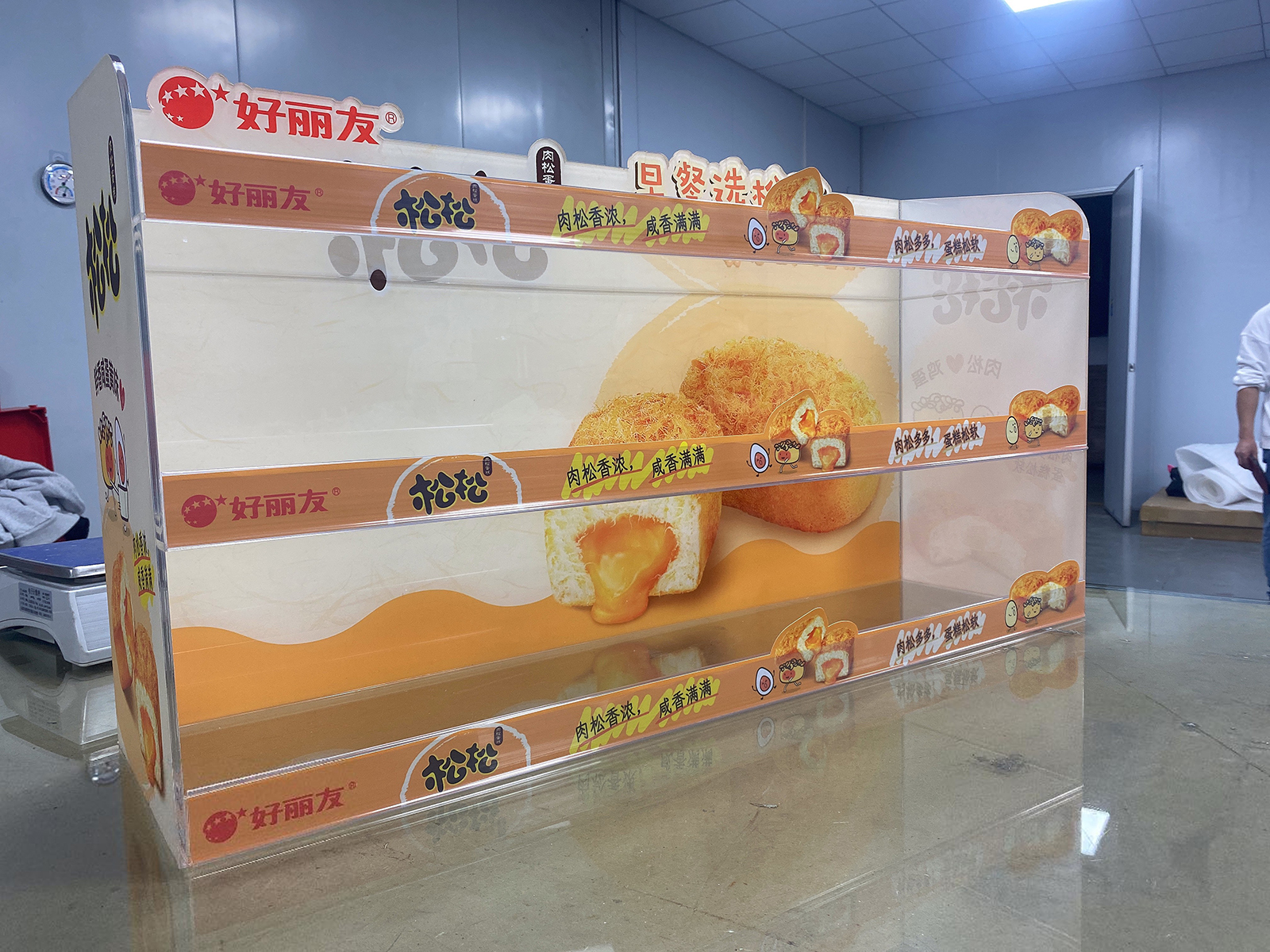
Selecting the right floor display rack for your retail business requires careful consideration of multiple factors that directly impact product visibility, customer engagement, and sales performance. A well-chosen floor display rack serves as a powerful merchandising tool that transforms ordinary product presentations into compelling visual experiences that drive purchasing decisions. Understanding the key characteristics of effective floor display racks enables retailers to maximize their investment while creating attractive product showcases that resonate with target customers.
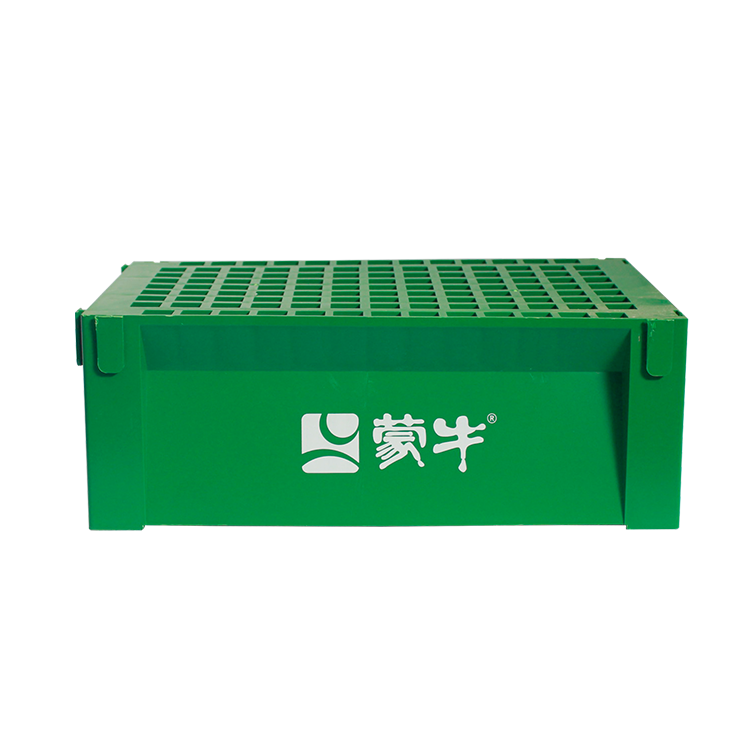
Modern retail environments demand sophisticated display solutions that balance functionality with aesthetic appeal. The perfect floor display rack must accommodate diverse product dimensions while maintaining structural integrity throughout extended use periods. Retailers who invest time in selecting appropriate display systems consistently report improved customer interaction rates and increased sales volumes across various product categories.
Understanding Floor Display Rack Fundamentals
Core Design Principles
Effective floor display rack design incorporates ergonomic principles that facilitate easy customer access while maintaining product security and visual appeal. The optimal height range for most retail applications falls between 48 to 72 inches, allowing customers of varying heights to comfortably browse displayed merchandise. Weight distribution considerations become critical when planning multi-level display configurations that support substantial product loads without compromising stability.
Material selection significantly influences both durability and aesthetic outcomes in floor display rack construction. Steel framework provides exceptional strength for heavy-duty applications, while aluminum alternatives offer lightweight portability for temporary installations. Surface treatments such as powder coating or chrome plating enhance corrosion resistance and maintain professional appearance standards throughout extended operational periods.
Structural Integrity Requirements
Professional-grade floor display rack systems must demonstrate consistent performance under varying load conditions and environmental factors. Load-bearing capacity specifications should exceed anticipated product weights by at least 25% to maintain safety margins during peak stocking periods. Joint connections require reinforcement mechanisms that prevent loosening under repeated loading and unloading cycles.
Base stability becomes particularly important in high-traffic retail environments where customer movement creates vibration and potential displacement forces. Wide-stance base designs or weighted foundation systems provide necessary anchoring to prevent tipping hazards while maintaining compliance with safety regulations. Regular inspection protocols help identify wear patterns that could compromise structural integrity over time.
Material Options and Durability Considerations
Metal Framework Solutions
Steel construction represents the gold standard for heavy-duty floor display rack applications requiring maximum strength and longevity. Carbon steel frames with appropriate surface treatments withstand demanding commercial environments while supporting substantial product loads without deflection. Stainless steel variants provide superior corrosion resistance in humid or coastal environments where standard steel might deteriorate prematurely.
Aluminum floor display rack systems excel in applications requiring frequent relocation or reconfiguration due to their lightweight characteristics. Advanced aluminum alloys maintain structural strength while reducing overall system weight by up to 60% compared to equivalent steel constructions. Anodized finishes enhance scratch resistance and maintain appearance standards in high-touch retail environments.
Alternative Material Considerations
Acrylic and polycarbonate components offer unique advantages in applications where transparency enhances product visibility. These materials resist impact damage while providing crystal-clear viewing angles that showcase merchandise effectively. However, plastic components require careful engineering to achieve adequate load-bearing capacity for heavier product categories.
Wood elements can complement metal frameworks to create warm, inviting display environments that align with specific brand aesthetics. Hardwood selections such as oak or maple provide excellent durability when properly treated and maintained. Engineered wood products offer consistent quality and reduced costs while maintaining attractive appearance characteristics throughout extended use periods.
Size and Space Planning Guidelines
Dimensional Optimization Strategies
Proper floor display rack sizing requires comprehensive analysis of available floor space, product dimensions, and customer traffic patterns. Standard retail aisles should maintain minimum 36-inch clearances to accommodate wheelchair access and comply with accessibility requirements. Display depth calculations must account for product overhang while ensuring customers can safely navigate around extended merchandise presentations.
Vertical space utilization maximizes display capacity within limited floor areas while maintaining visual hierarchy principles that guide customer attention. Multiple shelf levels should incorporate varying heights to accommodate diverse product categories while preventing visual monotony. Top shelf positioning should not exceed comfortable reaching heights for average customers, typically around 66 inches maximum.
Traffic Flow Integration
Strategic floor display rack placement enhances natural customer movement patterns while creating opportunities for impulse purchases. Corner installations can transform underutilized spaces into productive merchandising areas without impeding main traffic corridors. End-cap positioning at aisle terminals provides maximum exposure while maintaining clear sightlines throughout the retail environment.
Modular floor display rack systems enable flexible configurations that adapt to changing seasonal requirements or promotional campaigns. Interconnecting components allow retailers to expand or contract display areas based on inventory levels and marketing objectives. This adaptability proves particularly valuable during peak sales periods when additional display capacity becomes essential for revenue optimization.
Product Compatibility and Load Requirements
Weight Distribution Analysis
Accurate load calculations prevent structural failures while ensuring safe operation throughout the floor display rack service life. Point loads from individual products must be distributed across sufficient surface area to prevent shelf deflection or connection point failures. Dynamic loading considerations account for customer handling activities that create temporary stress concentrations beyond static weight calculations.
Product packaging characteristics influence shelf spacing requirements and support structure design in floor display rack applications. Irregular shapes require custom cradles or positioning aids that prevent rolling or sliding while maintaining attractive presentation standards. Fragile items benefit from padded surfaces or protective barriers that minimize handling damage during customer interaction.
Specialized Product Accommodations
Electronics and technology products often require specialized mounting systems that provide security while enabling customer examination. Adjustable tilt mechanisms allow optimal viewing angles while preventing unauthorized removal. Power integration capabilities support demonstration models that showcase product features and drive purchase decisions through interactive experiences.
Food and beverage applications demand floor display rack designs that comply with health department regulations while maintaining product freshness and safety. Stainless steel surfaces resist bacterial growth and facilitate cleaning protocols required in food service environments. Temperature-controlled options extend product shelf life while maintaining quality standards that protect brand reputation.
Assembly and Installation Considerations
Setup Complexity Evaluation
User-friendly assembly procedures reduce installation time and minimize the need for specialized tools or professional assistance. Clear instruction documentation with detailed diagrams prevents assembly errors that could compromise structural integrity or visual appearance. Modular designs with standardized connections enable rapid deployment while ensuring consistent quality outcomes across multiple installations.
Tool requirements should remain within standard retail maintenance capabilities to enable in-house installation and future modifications. Hex key or Phillips head fasteners provide secure connections without requiring expensive specialized equipment. Pre-drilled holes and alignment guides eliminate measurement errors while ensuring professional-appearing results regardless of installer experience level.
Maintenance and Serviceability
Accessible connection points facilitate routine maintenance and component replacement without complete system disassembly. Removable shelves and adjustable components enable thorough cleaning procedures that maintain sanitary conditions in retail environments. Replacement part availability ensures long-term serviceability while protecting the initial floor display rack investment.
Surface finishes should resist common cleaning chemicals while maintaining appearance standards throughout repeated maintenance cycles. Powder-coated surfaces typically provide superior durability compared to painted alternatives, resisting chips and scratches that detract from professional presentation. Regular maintenance schedules prevent minor issues from developing into costly replacement requirements.
Budget Planning and Cost Analysis
Initial Investment Considerations
Comprehensive cost analysis extends beyond initial purchase price to include installation, maintenance, and operational expenses throughout the floor display rack service life. Higher-quality systems often provide superior long-term value despite elevated upfront costs through reduced replacement frequency and maintenance requirements. Bulk purchasing arrangements can significantly reduce per-unit costs for retailers planning multiple installations.
Financing options enable retailers to spread costs over extended periods while immediately benefiting from improved merchandising capabilities. Lease-to-own programs provide flexibility for businesses with uncertain growth projections or seasonal variation requirements. Used floor display rack systems offer budget-friendly alternatives when quality units become available through retail liquidations or upgrades.
Return on Investment Calculations
Sales performance improvements often justify floor display rack investments through increased transaction values and customer engagement rates. Proper display systems can boost product visibility by up to 40% while encouraging impulse purchases that enhance overall revenue performance. Tracking mechanisms help retailers measure specific improvements attributable to enhanced merchandising infrastructure.
Space efficiency gains translate directly to profitability improvements by maximizing revenue per square foot in retail environments. Vertical display capabilities can double or triple effective merchandising space without expanding physical footprints. These efficiency improvements become particularly valuable in high-rent retail locations where space costs represent significant operational expenses.
FAQ
What is the optimal height for a floor display rack in retail environments
The ideal floor display rack height typically ranges between 48 to 72 inches, with the most accessible merchandise positioned between 24 to 60 inches from floor level. This range accommodates customers of varying heights while ensuring compliance with accessibility guidelines. Top shelves should not exceed comfortable reaching distances for average customers, generally around 66 inches maximum height.
How do I determine the appropriate weight capacity for my floor display rack
Calculate the total weight of all products you plan to display, then add a 25% safety margin to account for dynamic loading and handling activities. Consider both evenly distributed loads and point loads from individual heavy items. Consult manufacturer specifications to ensure the selected floor display rack exceeds your calculated requirements with adequate safety margins.
What maintenance is required to keep floor display racks in optimal condition
Regular maintenance includes weekly cleaning of all surfaces, monthly inspection of connections and joints for loosening, and quarterly assessment of structural integrity. Tighten any loose fasteners immediately and replace worn components before they compromise system stability. Document maintenance activities to track wear patterns and plan proactive replacements.
Can floor display racks be customized for specific product requirements
Most manufacturers offer customization options including specialized shelving configurations, branded graphics integration, and modified dimensions to accommodate unique product requirements. Custom powder coating colors can match brand aesthetics while specialized mounting systems accommodate unusual product shapes. Lead times for customized floor display rack systems typically extend 2-4 weeks beyond standard product delivery schedules.
Table of Contents
- Understanding Floor Display Rack Fundamentals
- Material Options and Durability Considerations
- Size and Space Planning Guidelines
- Product Compatibility and Load Requirements
- Assembly and Installation Considerations
- Budget Planning and Cost Analysis
-
FAQ
- What is the optimal height for a floor display rack in retail environments
- How do I determine the appropriate weight capacity for my floor display rack
- What maintenance is required to keep floor display racks in optimal condition
- Can floor display racks be customized for specific product requirements