 EN
EN

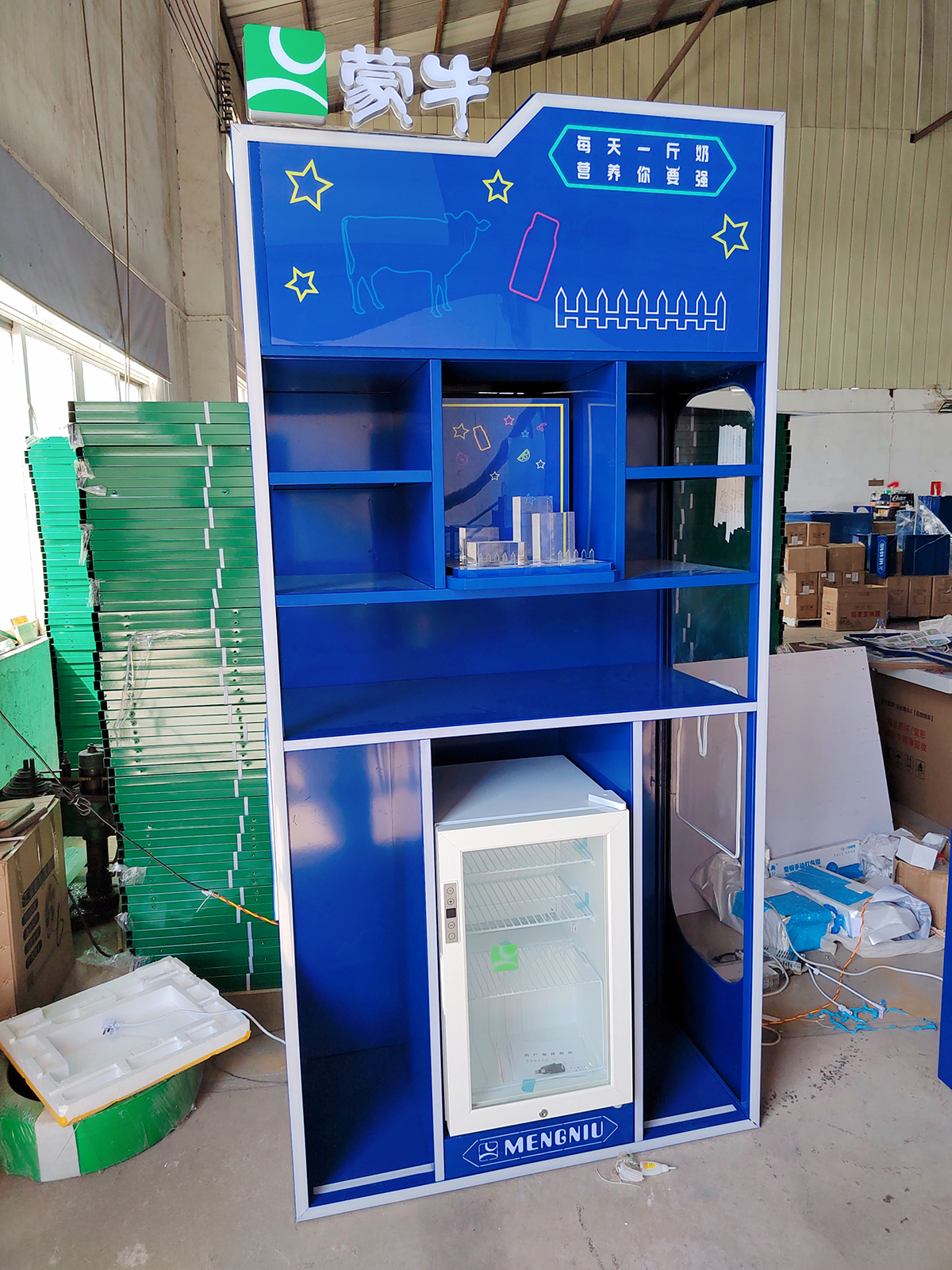
Retail success often hinges on strategic product placement and visual merchandising techniques that capture customer attention. A well-designed floor display rack serves as a powerful tool to showcase products effectively, increase visibility, and drive impulse purchases throughout your store. These versatile merchandising solutions can transform underutilized floor space into revenue-generating zones while enhancing the overall shopping experience for your customers.
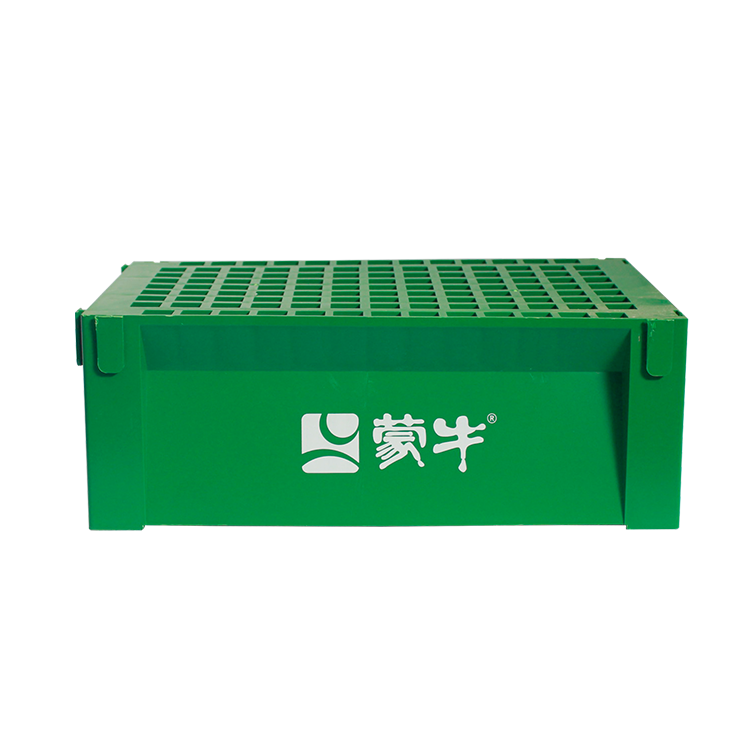
Strategic implementation of floor display solutions requires careful consideration of customer traffic patterns, product characteristics, and store layout optimization. Retailers who understand the psychology behind effective merchandise presentation can leverage these displays to create compelling visual narratives that guide shoppers through their purchasing journey. The right floor display rack configuration can significantly impact sales performance while maximizing the return on investment for retail floor space.
Strategic Positioning for Maximum Impact
High-Traffic Zone Placement
Positioning your floor display rack in high-traffic areas maximizes product exposure and increases the likelihood of customer interaction. Entry zones, main aisles, and checkout areas represent prime real estate for strategic display placement. These locations naturally draw customer attention and provide opportunities for both planned and impulse purchases throughout the shopping journey.
Consider implementing a floor display rack near store entrances to create an immediate visual impact and set the tone for the entire shopping experience. This positioning strategy allows retailers to feature seasonal items, new products, or promotional merchandise that aligns with current marketing campaigns. The key is ensuring these displays complement rather than obstruct natural traffic flow patterns.
Cross-merchandising opportunities emerge when floor displays are positioned strategically near complementary product categories. For instance, placing a floor display rack featuring travel accessories near luggage sections can increase basket size and enhance customer convenience. This approach demonstrates product relationships and encourages additional purchases through thoughtful spatial arrangement.
Seasonal Rotation Strategies
Seasonal rotation keeps your floor display rack content fresh and relevant to current customer needs and preferences. Regular updates prevent display fatigue and maintain customer interest throughout different selling seasons. This approach requires advance planning and coordination with inventory management systems to ensure smooth transitions between seasonal merchandise presentations.
Holiday-themed displays can drive significant sales increases when implemented with appropriate timing and creative execution. A floor display rack featuring holiday-specific products should be introduced early enough to capture the full selling season while avoiding premature placement that may confuse or alienate customers. The transition between seasons should be swift and complete to maintain display coherence.
Weather-responsive merchandising allows retailers to capitalize on immediate customer needs and environmental factors. Emergency weather events, seasonal changes, or local conditions can create sudden demand for specific products that can be quickly featured on adaptable floor display systems. This responsiveness demonstrates customer-centric thinking and can result in substantial sales opportunities.
Product Selection and Arrangement Techniques
Color Psychology in Display Design
Color selection significantly influences customer perception and purchasing behavior when designing effective floor display presentations. Warm colors like red and orange create urgency and excitement, making them ideal for promotional items or impulse purchases. Cool colors such as blue and green convey trust and stability, working well for higher-priced or technical products requiring customer confidence.
A well-planned floor display rack utilizes color blocking techniques to create visual hierarchy and guide customer attention to specific products or price points. Contrasting colors can highlight key items while complementary color schemes create harmonious presentations that encourage browsing and extended engagement. Understanding your target demographic's color preferences can further enhance display effectiveness.
Lighting considerations work in conjunction with color choices to create compelling visual presentations. Proper illumination can enhance color vibrancy and product appeal while poor lighting can diminish even the most carefully planned display arrangements. The interplay between natural and artificial lighting throughout different times of day should inform color selection decisions.
Height and Accessibility Optimization
Optimal height placement ensures that products on your floor display rack remain accessible to your target demographic while maintaining visual appeal. Eye-level positioning typically generates the highest engagement rates, but strategic use of multiple height levels can accommodate diverse customer needs and create dynamic visual interest throughout the display structure.
Children's products require special consideration for height accessibility, often necessitating lower placement that allows young customers to interact safely with displayed items. Conversely, premium or fragile products may benefit from elevated positioning that prevents casual handling while maintaining visibility. The key is balancing accessibility with product protection and theft prevention concerns.
Americans with Disabilities Act compliance ensures that your floor display rack remains accessible to all customers, expanding your potential market reach while demonstrating corporate social responsibility. Proper spacing, height considerations, and navigation pathways around displays contribute to an inclusive shopping environment that welcomes diverse customer populations.
Customization and Brand Integration
Brand Identity Reinforcement
Custom branding elements on your floor display rack create cohesive brand experiences that reinforce company identity and values throughout the retail environment. Consistent color schemes, typography, and logo placement contribute to brand recognition and customer loyalty development. These elements should complement rather than compete with the products being displayed for optimal effectiveness.
Material selection for display construction can communicate brand positioning and quality expectations to customers. Premium materials like solid wood or brushed metal convey luxury and durability, while lightweight materials may suggest value-oriented positioning. The choice should align with overall brand strategy and target customer expectations for consistency.
Interactive elements integrated into floor display designs can enhance customer engagement while providing additional brand touchpoints. Digital screens, product demonstration areas, or augmented reality features can differentiate your displays from competitors while providing valuable product information and entertainment value for shoppers.
Modular Design Benefits
Modular floor display rack systems offer flexibility and adaptability that static displays cannot match. These systems allow retailers to reconfigure displays quickly in response to changing inventory, seasonal requirements, or promotional campaigns. The initial investment in modular systems often pays dividends through reduced long-term display costs and increased operational efficiency.
Scalability becomes crucial as businesses grow or adapt to changing market conditions. Modular designs enable expansion or contraction of display capacity without requiring complete replacement of existing infrastructure. This flexibility proves particularly valuable for retailers experiencing rapid growth or seasonal fluctuations in inventory requirements.
Storage efficiency during non-use periods makes modular systems attractive for retailers with limited back-of-house storage space. Components can be disassembled and stored compactly when not needed, freeing up valuable storage areas for inventory or other operational requirements. This practical consideration often influences purchasing decisions for space-conscious retailers.
Technology Integration and Smart Features
Digital Enhancement Options
Digital integration transforms traditional floor display rack concepts into interactive customer engagement platforms. Embedded screens can provide product information, demonstration videos, or promotional content that enhances the shopping experience while reducing staff workload. These technological additions can justify premium pricing while providing measurable engagement metrics for continuous improvement.
QR code integration allows customers to access detailed product information, reviews, or purchasing options using their personal devices. This bridge between physical and digital shopping experiences caters to modern consumer preferences while providing valuable data collection opportunities. The implementation should be intuitive and add genuine value to avoid customer frustration.
Inventory tracking sensors can automate restocking alerts and provide real-time sales data for informed decision-making. These smart features reduce manual monitoring requirements while ensuring that popular items remain available for purchase. The data generated can inform future product selection and floor display rack positioning strategies.
Sustainability Considerations
Environmental responsibility increasingly influences purchasing decisions for both retailers and consumers. Sustainable materials and manufacturing processes for floor display systems can align with corporate sustainability goals while appealing to environmentally conscious customers. Recyclable materials and energy-efficient features contribute to positive brand perception and long-term cost savings.
Durability and longevity reduce the environmental impact of floor display rack systems while providing better return on investment for retailers. High-quality construction materials and thoughtful design can extend useful life significantly, reducing replacement frequency and waste generation. This approach often results in lower total cost of ownership despite higher initial investment.
Local sourcing and manufacturing can reduce transportation-related environmental impacts while supporting regional economies. Many retailers find that locally-produced display solutions offer customization advantages and shorter lead times compared to imported alternatives. These benefits often outweigh potential cost premiums, particularly for retailers emphasizing local community support.
Maintenance and Performance Optimization
Regular Maintenance Protocols
Consistent maintenance ensures that your floor display rack continues to present products effectively while maintaining safety standards for customer and staff interactions. Regular cleaning schedules prevent dust accumulation and maintain visual appeal that encourages customer engagement. Neglected displays can negatively impact brand perception and reduce sales effectiveness significantly.
Structural integrity checks identify potential safety hazards before they become serious problems that could result in customer injury or product damage. Loose connections, worn components, or stability issues require immediate attention to maintain safe shopping environments. Preventive maintenance typically costs far less than reactive repairs or liability issues.
Product rotation schedules keep displays fresh and prevent inventory stagnation that can reduce profitability. Regular updates also provide opportunities to test new product combinations or merchandising approaches for continuous improvement. Documentation of rotation schedules helps ensure consistency and accountability in display management processes.
Performance Measurement Strategies
Sales tracking specific to floor display rack locations provides valuable data for optimizing product selection and positioning decisions. Comparing performance metrics between different display configurations can identify best practices for future implementations. This data-driven approach enables continuous improvement and justifies display investments through measurable results.
Customer behavior observation reveals insights about interaction patterns, dwell time, and purchasing triggers that quantitative data alone cannot provide. Staff training in observation techniques can generate valuable qualitative feedback for display optimization. Video analytics systems can automate this process while providing detailed behavioral data for analysis.
Cost-per-acquisition calculations help evaluate the effectiveness of different floor display rack configurations and inform future investment decisions. Including all associated costs such as maintenance, staffing, and inventory carrying costs provides accurate profitability assessments. These calculations should consider both direct sales and influence on overall store performance metrics.
FAQ
What factors should I consider when choosing a floor display rack for my retail store
When selecting a floor display rack, consider your available floor space, target customer demographics, product characteristics, and budget constraints. The display should complement your store's aesthetic while providing adequate product visibility and accessibility. Durability, ease of maintenance, and flexibility for future product changes are also important considerations that affect long-term value and performance.
How often should I update the products displayed on my floor display rack
Product rotation frequency depends on your industry, customer traffic patterns, and inventory turnover rates. High-traffic stores may benefit from weekly updates to maintain customer interest, while specialty retailers might rotate monthly or seasonally. Monitor sales data and customer feedback to determine optimal rotation schedules that balance freshness with operational efficiency and cost considerations.
What safety considerations are important for floor display rack placement
Safety considerations include ensuring adequate clearance for customer navigation, preventing trip hazards, and maintaining structural stability under normal use conditions. Displays should not obstruct emergency exits or fire safety equipment. Weight distribution, proper anchoring, and regular maintenance checks help prevent accidents and ensure compliance with local safety regulations and insurance requirements.
How can I measure the ROI of my floor display rack investment
Calculate ROI by comparing the incremental sales generated by displayed products against the total cost of the display system, including purchase price, installation, maintenance, and staffing costs. Track metrics such as sales per square foot, conversion rates, and average transaction values for displayed items compared to standard shelf placement. Consider both direct sales impact and influence on overall store performance when evaluating return on investment.