 EN
EN

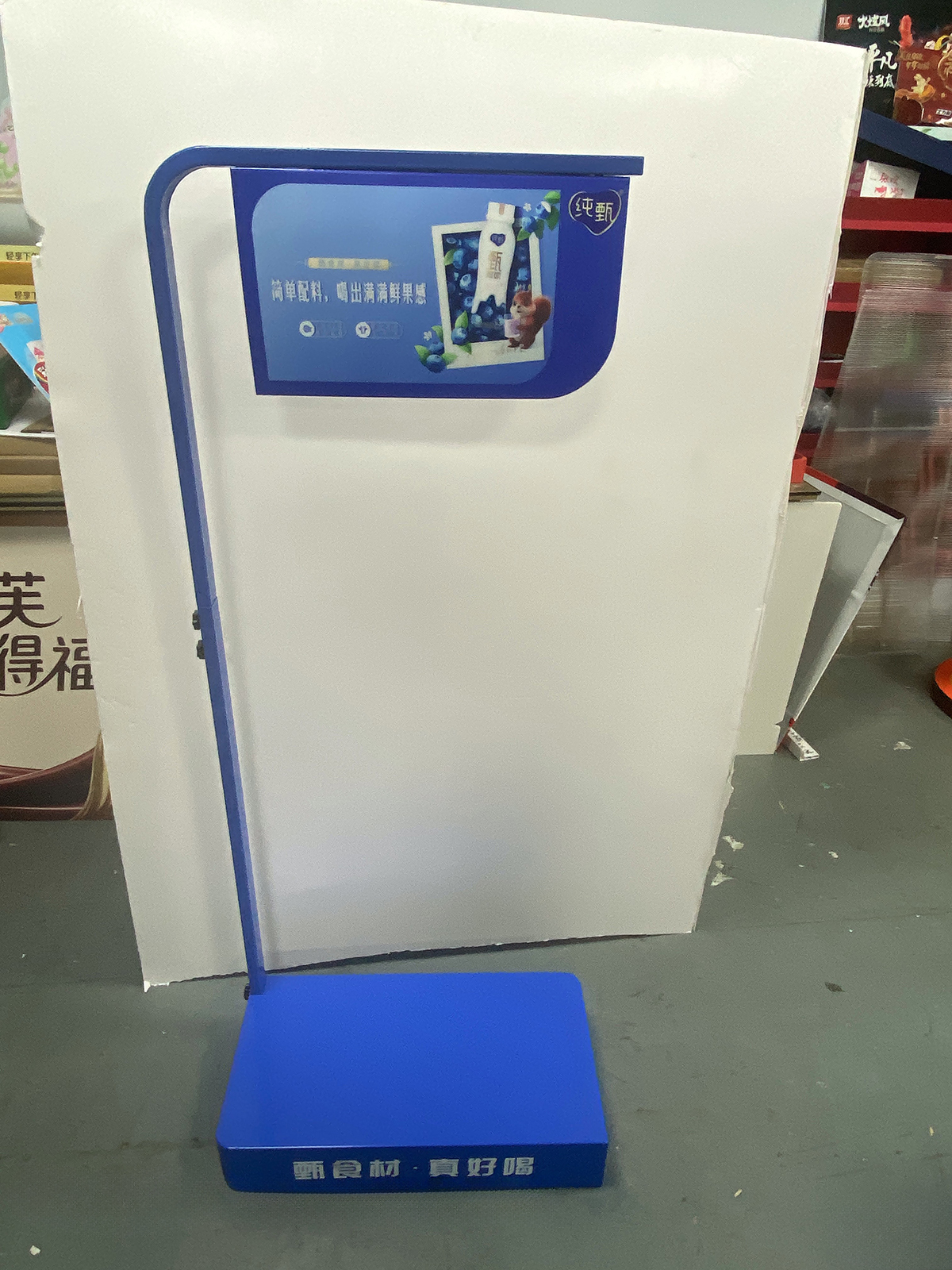
When selecting a floor display rack for retail environments, businesses face a critical decision between metal and wood materials. Each option presents distinct advantages and limitations that can significantly impact both functionality and visual appeal. Understanding these differences helps retailers make informed decisions that align with their brand identity, budget constraints, and operational requirements. The choice between metal and wood floor display racks ultimately depends on specific business needs and the intended use environment.

Material Properties and Durability Analysis
Metal Floor Display Rack Construction Advantages
Metal floor display racks offer exceptional structural integrity and longevity in commercial environments. The inherent strength of steel and aluminum materials ensures these displays can support heavier merchandise loads without compromising stability. Metal construction resists warping, cracking, and deterioration that commonly affects other materials over time. These characteristics make metal floor display rack options particularly suitable for high-traffic retail locations where durability is paramount.
The manufacturing process for metal displays allows for precise engineering and consistent quality control. Advanced welding techniques and powder coating finishes provide additional protection against wear and environmental factors. Metal floor display racks maintain their appearance and functionality even after years of continuous use, making them a cost-effective long-term investment for businesses seeking reliable display solutions.
Wood Display Rack Material Characteristics
Wood floor display racks bring natural warmth and aesthetic appeal to retail environments. The organic grain patterns and textures create an inviting atmosphere that resonates with customers seeking authentic shopping experiences. Various wood species offer different visual characteristics, allowing retailers to match their floor display rack selection with existing store decor and branding elements.
However, wood materials require more careful consideration regarding environmental conditions and maintenance requirements. Moisture, temperature fluctuations, and UV exposure can affect wood stability over time. Quality hardwoods demonstrate better resistance to these factors compared to softwood alternatives, though proper finishing and treatment remain essential for maintaining appearance and structural integrity in commercial applications.
Cost Considerations and Budget Planning
Initial Investment Comparison
The upfront cost difference between metal and wood floor display racks varies significantly based on material grades, construction methods, and design complexity. Basic metal displays often present lower initial costs due to efficient manufacturing processes and readily available raw materials. Mass production capabilities for standard metal floor display rack designs help reduce per-unit expenses for retailers ordering multiple units.
Premium wood displays typically command higher initial prices due to material costs, specialized craftsmanship requirements, and longer production timelines. Custom hardwood floor display rack designs involve additional expense for skilled woodworking and finishing processes. However, retailers should evaluate these costs against the potential brand enhancement and customer appeal that quality wood displays provide.
Long-term Value Assessment
Evaluating the total cost of ownership requires considering maintenance expenses, replacement frequency, and potential resale value. Metal floor display racks generally require minimal ongoing maintenance beyond occasional cleaning and minor touch-ups. Their resistance to damage and wear reduces long-term operating costs and replacement needs, contributing to better return on investment over extended periods.
Wood displays may require periodic refinishing, repairs, or component replacement depending on usage intensity and environmental conditions. While these maintenance costs add to the total ownership expense, properly maintained wood floor display racks can retain value and potentially be refurbished for continued use or resale to other businesses.
Aesthetic Appeal and Brand Integration
Design Flexibility and Customization Options
Metal floor display racks offer extensive customization possibilities through various finishing techniques, color options, and structural modifications. Powder coating processes enable virtually unlimited color matching to corporate branding standards. The malleability of metal allows for creative design elements, curved surfaces, and integrated lighting systems that enhance product presentation capabilities.
Manufacturing flexibility enables businesses to create unique floor display rack designs that reflect their brand identity while meeting specific functional requirements. Modular metal systems allow for easy reconfiguration and expansion as retail needs evolve, providing adaptability that supports changing merchandise displays and store layouts.
Natural Material Appeal
Wood floor display racks create distinctive visual impact through natural material authenticity that cannot be replicated by synthetic alternatives. The tactile quality and visual warmth of wood surfaces encourage customer engagement and browsing behavior. Different wood species and finishing techniques allow retailers to achieve specific aesthetic goals while maintaining the organic appeal that attracts environmentally conscious consumers.
The craftsmanship visible in quality wood construction communicates attention to detail and premium positioning that aligns with luxury or artisanal brand messaging. This psychological impact can justify higher product pricing and enhance overall brand perception among target customer segments who value natural materials and traditional craftsmanship.
Functionality and Practical Performance
Load-bearing Capacity and Stability
Weight capacity represents a crucial consideration when selecting between metal and wood floor display rack options for specific merchandise categories. Metal construction typically provides superior load-bearing capabilities, supporting heavier items without structural compromise. The engineering properties of metal allow for thinner profile designs that maximize display space while maintaining structural integrity under significant weight loads.
Wood displays require more substantial construction to achieve comparable weight ratings, potentially limiting design flexibility or display capacity. However, properly engineered wood floor display rack solutions can meet most retail requirements when designed with appropriate safety margins and quality construction techniques.
Maintenance and Cleaning Requirements
Daily maintenance considerations significantly impact operational efficiency and staff time allocation. Metal surfaces typically require simple cleaning procedures using standard commercial cleaners and disinfectants without risk of material damage. The non-porous nature of painted or coated metal surfaces prevents absorption of spills and odors, maintaining hygienic conditions in food service or health-related retail environments.
Wood floor display racks demand more careful cleaning approaches to preserve finish quality and prevent moisture damage. Specific cleaning products and techniques may be required to maintain appearance without compromising wood integrity. Regular inspection for wear patterns, loose joints, or finish deterioration becomes necessary to ensure continued safe operation and professional appearance.
Environmental Impact and Sustainability
Manufacturing and Lifecycle Considerations
Environmental responsibility increasingly influences purchasing decisions as businesses adopt sustainable practices and respond to consumer environmental concerns. Metal floor display racks benefit from high recyclability rates and established recycling infrastructure that supports circular economy principles. The energy required for metal recycling remains significantly lower than primary production, creating positive environmental impact when products reach end-of-life.
Manufacturing processes for metal displays have improved substantially in terms of energy efficiency and waste reduction. Advanced coating technologies reduce volatile organic compound emissions while providing superior durability and appearance retention. These improvements help minimize environmental impact throughout the floor display rack production and operational lifecycle.
Renewable Resource Utilization
Wood floor display racks utilize renewable resources when sourced from sustainably managed forests with responsible harvesting practices. Certified wood products provide assurance that environmental standards are maintained throughout the supply chain. The carbon sequestration properties of wood materials offer potential environmental benefits compared to energy-intensive metal production processes.
However, transportation distances, processing requirements, and finishing chemicals can impact the overall environmental footprint of wood displays. Local sourcing and environmentally friendly finishing products help minimize these impacts while supporting regional economies and reducing transportation-related emissions.
Industry-Specific Applications
Retail Environment Suitability
Different retail sectors present varying requirements that influence optimal floor display rack material selection. High-end boutiques and luxury retailers often prefer wood displays to reinforce premium positioning and create sophisticated shopping environments. The natural material appeal supports brand messaging focused on quality, authenticity, and attention to detail that resonates with affluent customer segments.
Mass market retailers and chain stores frequently choose metal floor display rack solutions for consistency, durability, and cost-effectiveness across multiple locations. Standardized designs enable efficient installation, maintenance, and replacement procedures while maintaining uniform brand presentation throughout store networks.
Specialized Industry Requirements
Food service establishments require floor display racks that meet strict hygiene standards and health code requirements. Metal construction typically provides better compliance with sanitization protocols and cleaning procedures mandated by food safety regulations. The non-porous surfaces and resistance to bacterial growth make metal displays preferred choices for restaurants, cafes, and food retail applications.
Industrial and warehouse environments demand maximum durability and load capacity from display solutions. Heavy-duty metal construction withstands harsh conditions, equipment contact, and frequent handling that would quickly damage wood alternatives. The ability to customize metal floor display rack designs for specific industrial applications provides operational advantages in challenging environments.
FAQ
What factors determine the best material choice for a floor display rack?
The optimal material selection depends on several key factors including budget constraints, intended use environment, brand positioning, maintenance capabilities, and specific functional requirements. Consider weight capacity needs, aesthetic preferences, durability requirements, and long-term operational costs when evaluating options. Environmental conditions such as humidity, temperature variations, and exposure to chemicals or cleaning agents also influence material suitability.
How do maintenance requirements differ between metal and wood floor display racks?
Metal displays generally require minimal maintenance involving regular cleaning with standard commercial cleaners and occasional inspection for coating damage or wear. Wood displays need more careful maintenance including appropriate cleaning products, periodic refinishing, joint tightening, and protection from moisture and extreme temperatures. The frequency and complexity of maintenance tasks should factor into total cost of ownership calculations.
Which material provides better return on investment for retail businesses?
Return on investment varies based on specific application and business objectives. Metal floor display racks typically offer better long-term value through durability and low maintenance requirements, making them cost-effective for high-traffic environments. Wood displays may provide superior ROI in premium retail settings where aesthetic appeal drives customer engagement and supports higher product pricing. Consider both quantitative costs and qualitative brand impact when evaluating investment returns.
Can floor display racks be customized to match specific brand requirements?
Both metal and wood floor display racks offer extensive customization possibilities to align with brand identity and functional needs. Metal displays provide flexibility through color matching, structural modifications, and integrated features like lighting or signage. Wood displays allow customization through species selection, staining, finishing techniques, and carved or shaped design elements. Work with manufacturers who specialize in custom display solutions to achieve desired aesthetic and functional outcomes.
Table of Contents
- Material Properties and Durability Analysis
- Cost Considerations and Budget Planning
- Aesthetic Appeal and Brand Integration
- Functionality and Practical Performance
- Environmental Impact and Sustainability
- Industry-Specific Applications
-
FAQ
- What factors determine the best material choice for a floor display rack?
- How do maintenance requirements differ between metal and wood floor display racks?
- Which material provides better return on investment for retail businesses?
- Can floor display racks be customized to match specific brand requirements?