 EN

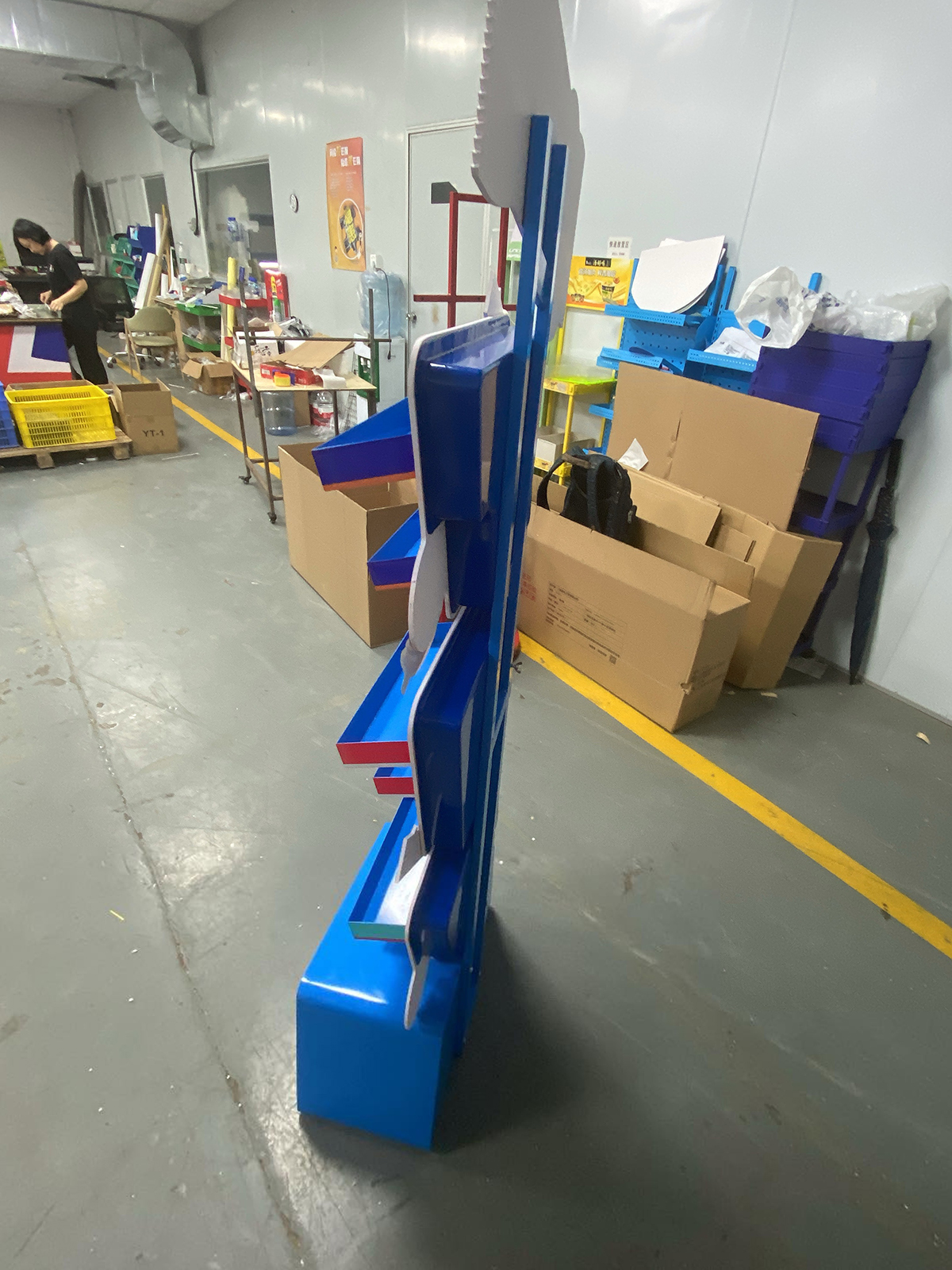
Sourcing custom POP displays from China works best when design, tooling, and production checks are treated as one connected process. Early display prototyping confirms that the stand fits the product and retail setting, while clear specifications make supplier discussions more productive. This guide explains how to move from a first concept to a controlled production release.
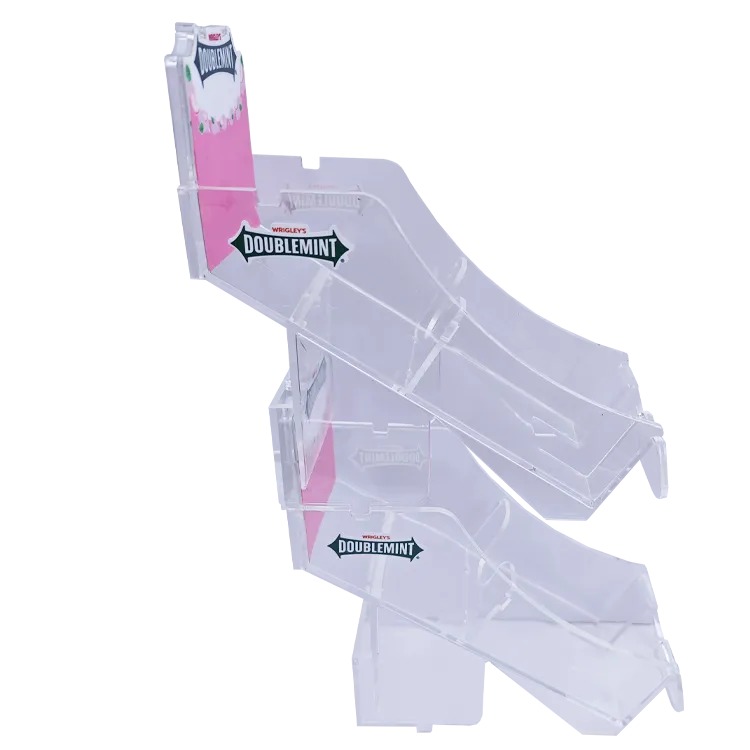
A reliable outcome depends on decisions made before a purchase order is finalized. Buyers should define dimensions, materials, artwork, packing needs, and acceptance criteria, then verify each against samples and production records. Display prototyping, a retail fixture factory audit, and ongoing contact with an OEM POP manufacturer help turn a visual idea into a repeatable retail fixture.
Build a usable design before tooling
Translate the retail brief into a testable prototype
Start with the product and store environment, not only the display shape. Record the packaged item dimensions, quantity per unit, shelf or counter footprint, loading direction, and replenishment method. During display prototyping, use those details to check access, visibility, stability, and how the finished unit will sit beside neighboring merchandise. A second display prototyping review can resolve awkward proportions before custom tooling begins.
Share drawings, reference images, material expectations, color targets, and artwork files in one controlled brief. Ask the OEM POP manufacturer to identify assumptions, tolerances, and details that still need confirmation rather than silently choosing them. Display prototyping should use a representative product pack where possible, because a bare structure may conceal loading or clearance problems. A retail fixture factory audit can later verify that the approved design has a clear production route.
Approve tooling against the actual design
Tooling decisions should follow design validation, since changing a molded feature after a tool is made can add time and cost. Confirm which components require dedicated tooling, who owns the tool, how it will be maintained, and how revisions will be recorded. The OEM POP manufacturer should connect drawings to tool references, while display prototyping confirms that fit and appearance are acceptable before production quantities are discussed.
Review a pre-production sample made with intended materials and processes, not merely a presentation mock-up. Check component fit, edges, finish, print position, and assembly steps against agreed criteria. Display prototyping at this stage is a practical checkpoint, not a substitute for production inspection. Keep the approved sample or documented images as the comparison standard, and make sure the retail fixture factory audit includes controls for handling tooling changes and sample approvals.
Verify production capability and control quality
Use an audit to examine relevant processes
A retail fixture factory audit should focus on the work needed for the specific display, including incoming material checks, fabrication or molding, printing, assembly, and packing. Ask how operators identify current drawings and how rejected components are separated. A retail fixture factory audit is more useful when it checks records and observes the process rather than relying only on a general facility presentation. The OEM POP manufacturer should be able to explain who owns each quality checkpoint.
Match the audit scope to product risk and construction. For a plastic desktop stand, examine material identification, mold condition, dimensional checks, and cosmetic standards; for a mixed-material unit, trace the separate components and joining steps. A retail fixture factory audit should also confirm how revisions reach the production floor. Display prototyping records help auditors compare the intended design with the specifications and sample references used by the team.
Set inspection criteria before the order
Convert subjective expectations into observable checks. Define critical dimensions, acceptable color variation, print alignment, surface appearance, assembly fit, and packaging condition. The OEM POP manufacturer can propose inspection methods, but the buyer should agree on what constitutes a pass or hold. Display prototyping gives both sides a reference for these criteria, while production checks reveal whether the process continues to meet them across the order.
Plan checks at more than one stage when defects could become expensive to correct later. Incoming material verification can catch a mismatch before conversion, in-process review can identify setup drift, and final inspection can assess finished units and packing. A retail fixture factory audit should confirm that these checks are assigned and documented. Ask the OEM POP manufacturer to report nonconformities, corrective action, and any approved deviation before affected goods are released.
Manage communication through shipment release
Coordinate revisions, samples, and production timing
Use a single revision-controlled file set for drawings, artwork, specifications, and approvals. A named contact on each side should confirm receipt of changes and identify whether a revision affects tooling, lead time, or inspection. The OEM POP manufacturer can then align design and production teams around the same instruction. A retail fixture factory audit can check how document changes are distributed, while display prototyping provides a physical reference for resolving design questions.
Set decision dates for artwork approval, sample review, tool confirmation, and production start, allowing time for feedback rather than assuming instant sign-off. Keep unresolved items visible in written correspondence and avoid approving a sample with open critical issues. The OEM POP manufacturer should clarify when each approval becomes a production instruction. Display prototyping and a retail fixture factory audit are most helpful when their findings are closed before the schedule reaches a difficult-to-change stage.
Release goods with traceable evidence
Before shipment, compare inspection results and packing details with the agreed order requirements. Confirm quantities, carton markings, protective materials, and whether assembled or flat-packed units match the handling plan. A retail fixture factory audit can establish whether traceable records are maintained, but shipment release still needs order-specific evidence. Display prototyping and the approved sample set the visual baseline; final checks confirm that actual goods conform to the agreed criteria.
For future orders, retain approved drawings, sample records, inspection findings, and documented corrective actions. This history helps buyers distinguish a true design change from a production variation and makes repeat purchasing more consistent. The OEM POP manufacturer should confirm which files and process settings are retained for the next run. When sourcing retail displays from China, continued review of display prototyping outcomes and retail fixture factory audit findings supports clearer decisions without assuming that an earlier approval covers every future order.
FAQ
When should display prototyping begin?
Begin display prototyping after the product dimensions, retail placement, and basic construction needs are understood, but before dedicated tooling is authorized. This gives the buyer and OEM POP manufacturer time to resolve fit, access, and appearance concerns while design changes are still manageable.
What should a retail fixture factory audit cover?
A retail fixture factory audit should examine processes relevant to the display, document control, material checks, inspection records, and management of nonconforming work. Its scope should reflect construction and product risk, not simply count general capabilities.
How can buyers approve production quality?
Agree on measurable acceptance criteria, approve a representative sample, and review documented in-process and final inspection evidence. The OEM POP manufacturer should report deviations for buyer approval before shipment, with records retained to guide repeat orders.