 EN

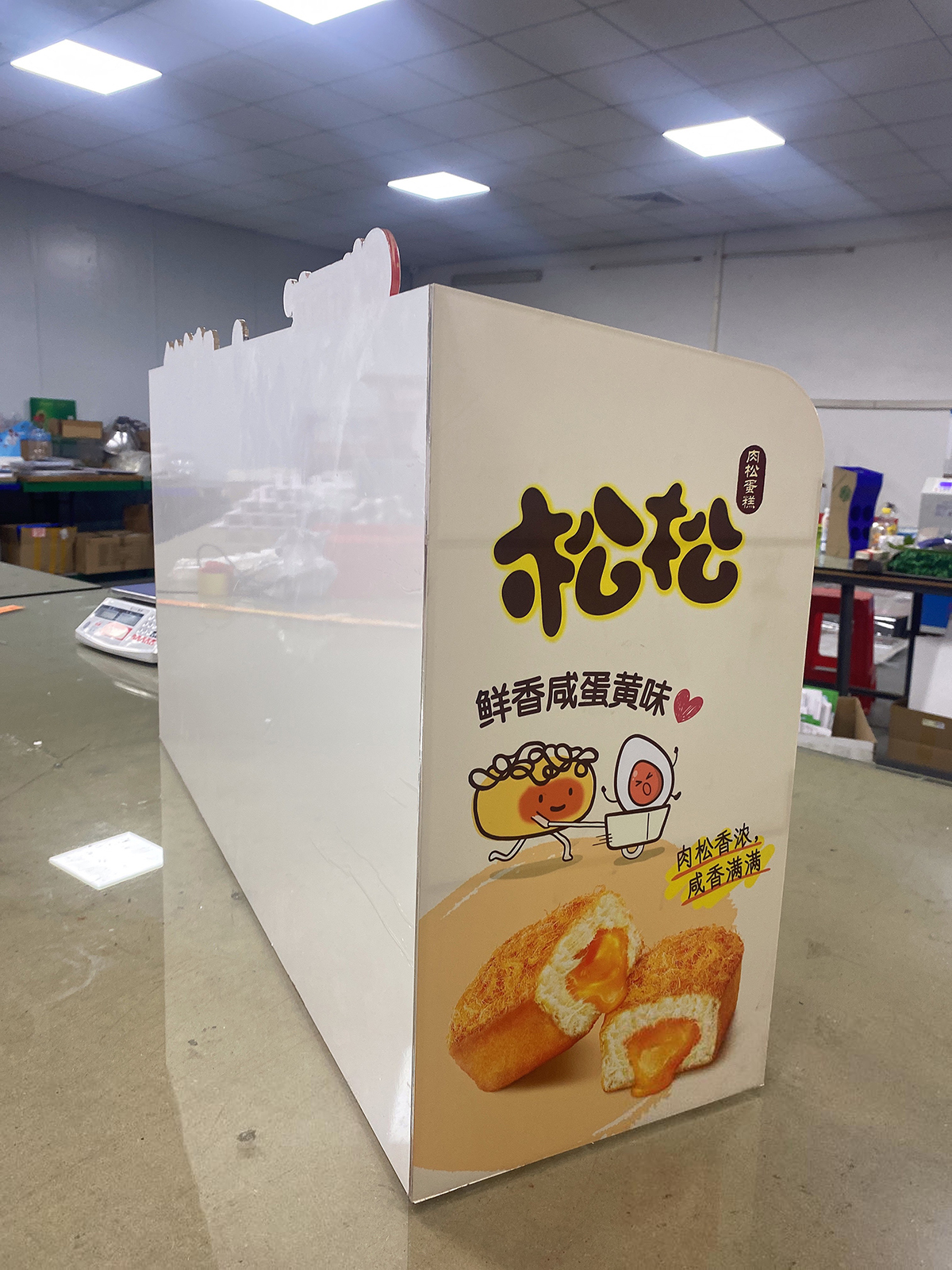
Choosing a floor pop display for a retail store means balancing product fit, shopper movement, brand presentation, and replenishment. A floor display stand should earn its footprint by making products easy to notice and reach without obstructing aisles. Start with the sales task, then compare fixture dimensions, capacity, materials, mobility, and store conditions. This process helps buyers specify a floor display stand that supports merchandising goals rather than simply filling open space.
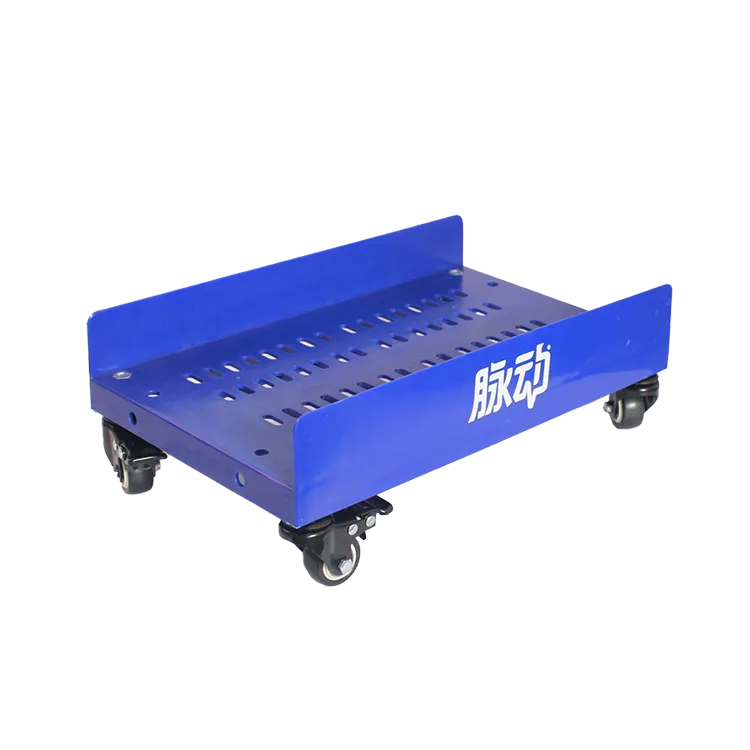
The right choice depends on what the display must do in a specific store: launch a new item, feature seasonal stock, support impulse purchases, or keep frequently purchased goods accessible. A floor display stand needs to suit both the merchandise and its location. Treat a floor display stand as part of the store plan, checking how shoppers approach it, how staff refill it, and how it performs throughout the campaign.
Define the merchandising job before comparing fixtures
Match the display to products and campaign goals
First define the merchandise, planned quantity, and intended shopper action. A compact floor display stand may suit small packaged goods near a checkout, while beverages or bulky items need broader support and practical loading access. Each floor display stand should present products at a useful viewing and picking height. For a new launch, a branded floor display stand can focus attention on a limited range; for routine sales, easy access and replenishment may matter more.
Measure product dimensions, including packaging variations, before choosing shelves, bins, or crate-style compartments. Confirm that the floor display stand holds the intended assortment without forcing staff to overfill it or hide labels. Consider whether shoppers should select single units or take several items at once. A floor display stand designed around actual pack sizes can reduce awkward gaps, support a tidy presentation, and make the campaign easier for store teams to maintain.
Calculate capacity and replenishment needs
Estimate initial stock and the number of refills expected between staff visits. A floor display stand with too little capacity can need constant attention, while excess capacity may create a bulky fixture that crowds the selling area. Match the floor display stand to the retailer’s delivery and replenishment routine. If products are heavy, assess how weight is distributed and how staff will load them safely; a suitable floor display stand should remain stable under the planned load.
Check whether replenishment can happen from the front, side, or top, and make sure the process does not require moving neighboring merchandise. A floor display stand should allow staff to rotate stock and see when products are running low. For fast-moving items, choose a configuration that keeps reserve stock organized without making the shopper-facing area look cluttered. These operational details help a floor display stand stay effective after the initial setup, not just during photography or launch day.
Assess store location, shopper access, and visibility
Fit the footprint to the selling environment
Measure the proposed location, including aisle width, nearby fixtures, entrances, and turning space. A floor display stand must fit without narrowing accessible routes or interfering with doors, queues, and staff movement. Mark the proposed footprint on the floor and observe how shoppers approach it. A floor display stand placed in a natural traffic path can attract attention, but only when it does not become an obstacle or create a confusing detour.
Consider sightlines from several directions rather than judging visibility from one viewpoint. A floor display stand may sit near an aisle end, entrance, checkout, or category section, and each position changes how shoppers encounter it. Check the height of nearby shelving and signs, then confirm that key product information remains visible. A floor display stand should support clear navigation and quick product recognition while respecting the store’s layout and merchandising rules.
Choose mobility and placement controls
Stores that frequently reset promotional areas may benefit from casters or another controlled mobility feature. A floor display stand with wheels can make relocation and cleaning easier, provided it can be secured during use. Verify wheel quality, braking method, and stability on the actual floor surface. If the fixture will remain in one position, a fixed floor display stand may be simpler and can avoid unnecessary movement during busy trading periods.
Think through who moves the fixture, how often, and whether it must pass through narrow doors or around counters. A floor display stand should be manageable when loaded, not only when empty. Include a practical route for delivery and positioning in the store plan. Before final approval, test a floor display stand in the intended area with neighboring fixtures present, because a layout that looks spacious on paper may feel restricted in daily operation.
Confirm construction, maintenance, and campaign practicality
Select materials for the operating conditions
Material choice should reflect product weight, expected campaign duration, cleaning routines, and exposure to moisture or impact. A floor display stand made for reusable retail use may call for durable construction and components that staff can inspect. Compare the fixture’s stated load capacity with the planned merchandise, allowing for realistic handling. A floor display stand should not rely on visual appearance alone; buyers need clear information about assembly, stability, and care.
Consider how the fixture will look after repeated handling and restocking. A floor display stand with accessible surfaces and straightforward assembly can simplify routine upkeep. Check whether graphics can be replaced when a promotion ends, and whether the structure can support future campaigns or different product assortments. A floor display stand that can be reused may offer operational flexibility, but only if its dimensions, finish, and configuration remain appropriate for later merchandising needs.
Validate the specification before ordering
Before committing, document the display dimensions, product fit, loading method, placement, and any mobility requirements. Request drawings or a sample configuration when details cannot be confirmed from a specification sheet. A floor display stand should be reviewed by merchandising, store operations, and the team responsible for delivery. This shared review helps catch issues such as blocked labels, difficult access, or an assembly step that makes the floor display stand impractical for store staff.
Use a trial setup to check the complete shopper and staff experience. Stock the proposed fixture, view it from the aisle, simulate a refill, and confirm stability under normal use. If the display supports a particular campaign, compare its presentation with the campaign objective rather than judging only its appearance. A floor pop display can be a practical option when its structure, mobility, and product capacity match the location and merchandise.
Finish with a written acceptance check that records the approved footprint, loaded configuration, and maintenance expectations. A floor display stand is easier to evaluate when stakeholders use the same criteria before deployment. Keep the specification available to store teams so they know how to assemble, position, and refill it. A floor display stand chosen through this process is more likely to fit the campaign, the store environment, and the realities of daily retail work.
FAQ
What should retailers measure before choosing a floor display stand?
Measure the available floor area, aisle clearance, nearby fixtures, and the route used to bring the fixture into the store. Also confirm product dimensions and planned stock quantity. These checks show whether a floor display stand fits the location and whether shoppers and staff can move around it comfortably.
Are casters useful on a floor display stand?
Casters can help when staff need to relocate or clean around the display, but the wheels should suit the floor and have an effective way to hold position. Consider the loaded fixture, movement frequency, and store safety requirements before deciding whether a floor display stand needs mobility.
How can a retailer check display capacity?
Use real product packaging to test the intended layout, loading access, and visible presentation. Compare the loaded weight with the fixture’s specified capacity and confirm that staff can replenish it without disrupting the aisle. A floor display stand should hold the planned stock securely while keeping items easy to see and select.