 EN
EN

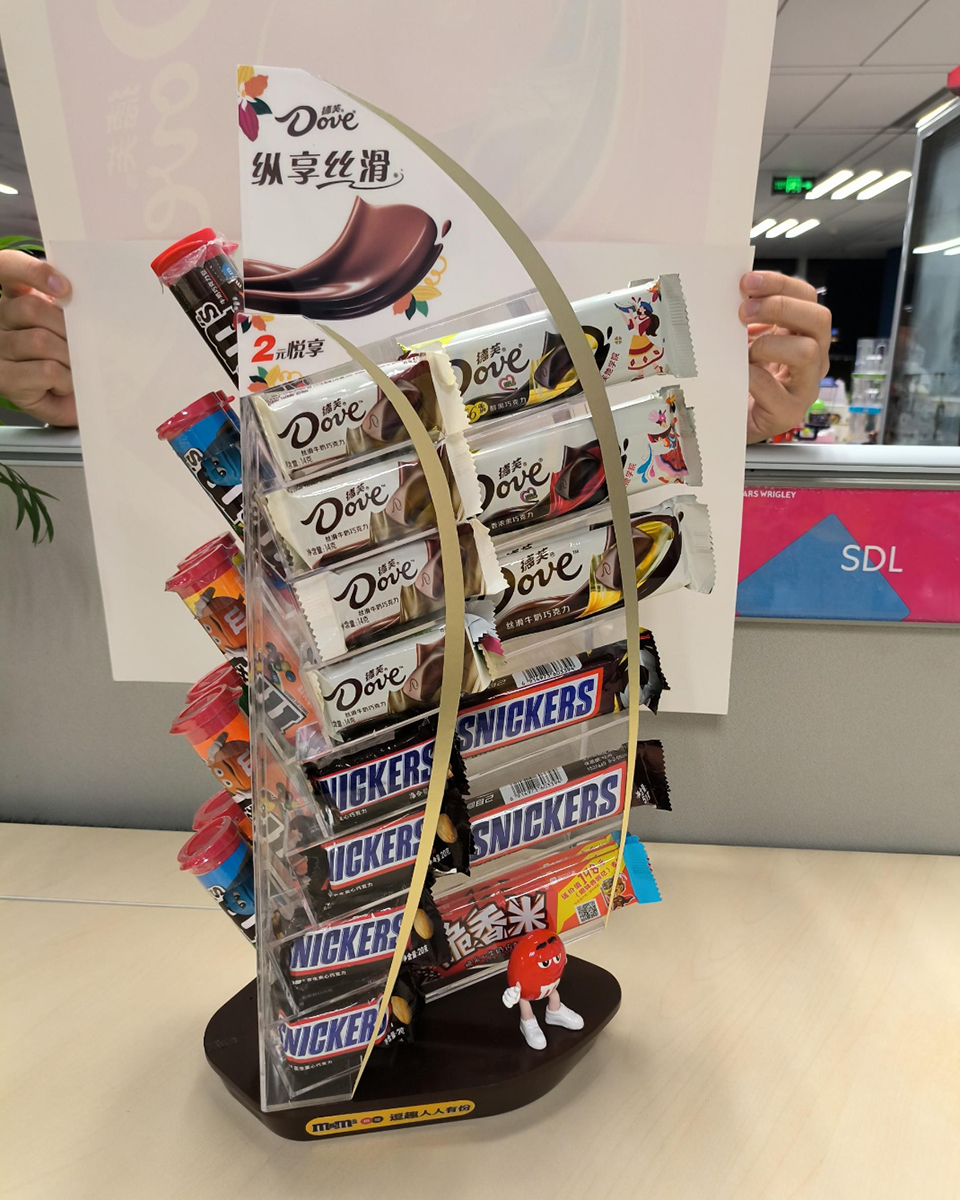
Choosing the right chocolate display for a small retail space is one of the most consequential decisions a shop owner can make. When floor area is limited, every square foot must work harder, and the wrong fixture can create congestion, reduce browsing comfort, and ultimately suppress sales. The challenge is not simply finding a smaller unit — it is finding the right combination of footprint, height, capacity, and adjustability that aligns with both your product range and the physical constraints of your store layout.
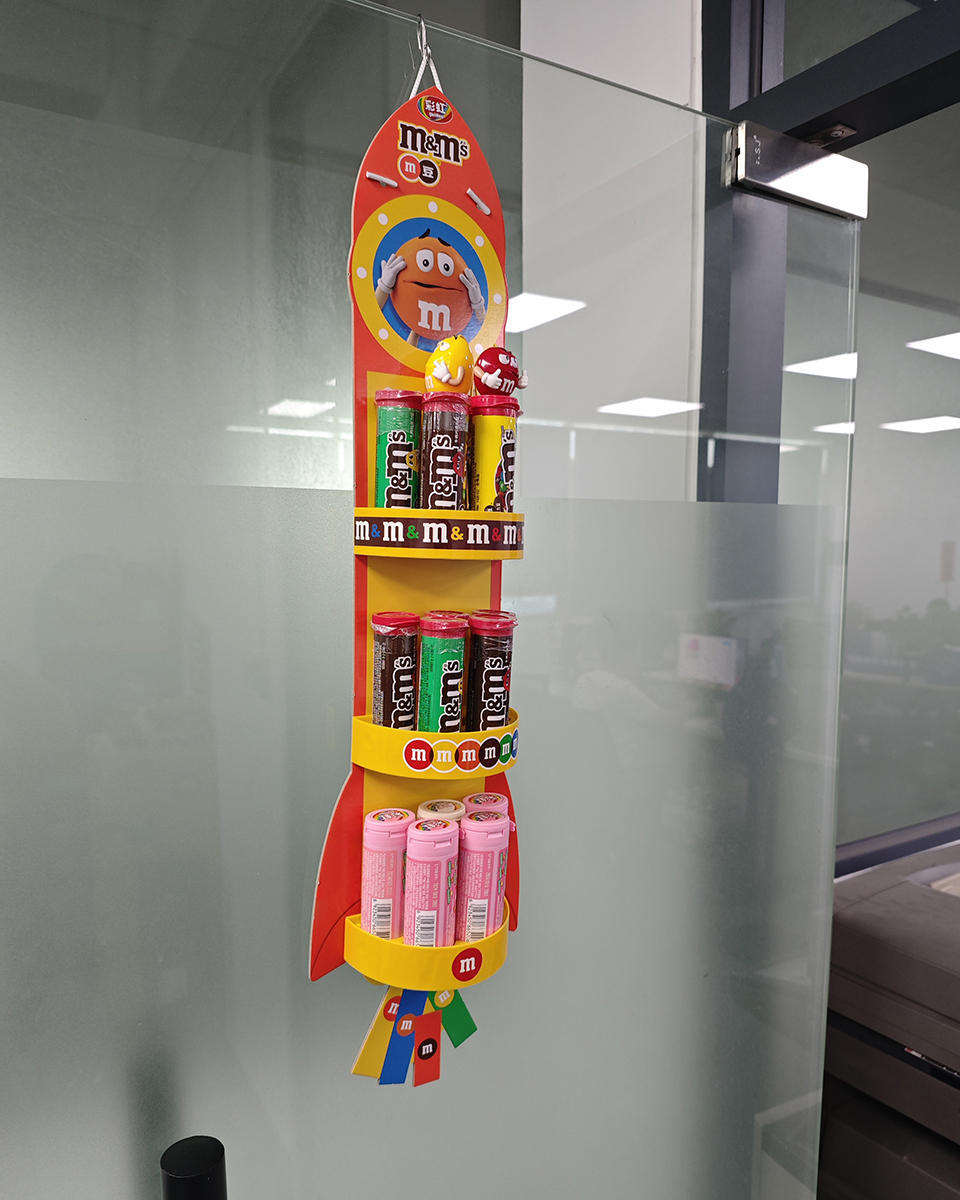
Small retailers — from boutique confectionery shops and convenience stores to pharmacy checkout lanes and specialty food corners — face a recurring dilemma: how to present enough chocolate variety to drive impulse purchases without overwhelming the customer or crowding the sales floor. A well-sized chocolate display solves this by concentrating visual impact into a compact, efficient form. This article explores which dimensions work best, what features matter most, and how to evaluate fit before committing to a unit.
Understanding Spatial Constraints in Small Retail Environments
Defining What Counts as a Small Retail Space
Before selecting a chocolate display, it is essential to define what small actually means in a retail context. Generally, small retail spaces refer to shop floors under 500 square feet, narrow aisle formats, single-wall layouts, or high-traffic checkout zones where customer flow determines fixture placement. These environments demand compact merchandising solutions that do not disrupt navigation patterns or create blind spots near entry and exit points.
Understanding your specific spatial constraint guides every subsequent decision. A checkout counter with 18 inches of linear space has entirely different needs than a 6-foot wide end cap near a store entrance. Mapping out the available zone — including overhead clearance, neighboring fixtures, and foot traffic corridors — gives you a realistic working dimension before you start evaluating any chocolate display options on the market.
Many small retailers make the mistake of focusing only on the base footprint while ignoring height and depth. A tall, narrow chocolate display with adjustable shelving can hold as much product as a wide, shallow unit while occupying far less floor space. This vertical merchandising logic is central to maximizing yield per square foot in confined environments.
How Fixture Dimensions Affect Shopper Behavior
The physical dimensions of a chocolate display directly influence how shoppers interact with your product. Units that are too wide create a visual wall that shoppers feel reluctant to engage with from the side. Units that are too shallow fail to accommodate modern chocolate packaging, which is often wider than expected due to multi-pack formats and premium gift box sizes. Depth between 300mm and 450mm is generally regarded as the practical sweet spot for chocolate merchandise in compact settings.
Height also plays a psychological role. A chocolate display standing between 1400mm and 1600mm keeps the product at eye and hand level for most adult shoppers, which maximizes engagement without requiring them to bend or reach overhead. In spaces where ceiling height is limited or where sightlines across the store need to be preserved, keeping the display under 1500mm tall ensures visual openness while still supporting strong product density.
Equally important is aisle clearance. Retail ergonomics guidelines generally recommend at least 36 inches of walkable width around any freestanding fixture. When a chocolate display reduces that clearance, shoppers are less likely to pause, browse, and pick up products. Respecting walkway minimums is a non-negotiable consideration in any space-constrained environment.
Recommended Size Ranges for Compact Chocolate Displays
Width and Depth Benchmarks for Tight Floor Plans
For most small retail spaces, a chocolate display with a width between 600mm and 800mm strikes the right balance between product capacity and floor economy. At this width, the unit can accommodate two to three facing columns of standard chocolate bars, seasonal confectionery bags, or gift-boxed items, providing enough visual variety to stimulate purchase decisions without dominating the floor plan.
Depth is where many buyers underestimate the importance of adjustability. A chocolate display with a fixed shelf depth of 400mm is sufficient for most products, but as your product assortment evolves, you will likely encounter items that are shallower or deeper than average. Choosing a unit with adjustable shelf depth — achieved through repositionable hooks or sliding shelf brackets — ensures the fixture remains functional across category refreshes and seasonal promotions without requiring replacement.
A total base footprint in the range of 600mm × 400mm to 780mm × 420mm is often cited by visual merchandisers as optimal for small retail. This is compact enough to position near a checkout counter or along a short wall section, yet spacious enough to present multiple product tiers in an organized, readable layout. A quality chocolate display designed specifically for compact retail use typically falls within this dimension range, offering practical usability without spatial compromise.
Height Considerations for Maximum Vertical Merchandising
When floor space is scarce, height becomes your most underutilized asset. A chocolate display in the 1400mm to 1600mm range allows retailers to stack multiple shelf tiers — typically four to six levels — creating a high-yield display column that occupies minimal ground area while presenting a diverse product assortment. This vertical approach is especially powerful near store entrances or along checkout aisles, where dwell time is short and impulse purchases are most likely.
The critical variable with tall displays is shelf spacing. Shelves spaced too far apart waste vertical real estate and make the display feel sparse. Shelves spaced too close together prevent shoppers from easily extracting products, especially those in bulkier packaging. An adjustable chocolate display with hook-based or bracket-based shelf supports allows you to customize spacing tier by tier, accommodating everything from slim wafer bars to tall premium chocolate boxes on the same fixture.
For safety and stability, any chocolate display taller than 1200mm should incorporate anti-tip design elements such as a weighted base, wall-mounting capability, or a wide-stance base plate. In high-traffic retail environments, fixture stability is both a liability concern and a customer experience factor — a wobbly or tipping-prone unit signals poor quality and erodes shopper confidence in your store.
Key Features That Make a Small-Space Chocolate Display Effective
Adjustable Shelving and Modular Hook Systems
The single most important functional attribute of a chocolate display intended for small retail is adjustability. Fixed-shelf units lock you into a single configuration that may become obsolete as product lines change, packaging evolves, or seasonal assortments rotate in. An adjustable system — particularly one with repositionable metal hooks on a pegboard or slatwall panel — lets you reconfigure the display in minutes without tools, reducing the operational burden of seasonal resets.
Metal hooks are especially effective in a compact chocolate display context because they enable forward-facing product presentation, which maximizes brand label visibility and encourages impulse selection. Hook-mounted chocolate items are also easy for customers to pick up and return, reducing the risk of shelf disorganization that plagues basket or tray-style arrangements in busy environments. The combination of hook flexibility and adjustable shelf tiers gives small retailers the merchandising versatility of a much larger fixture in a far more compact format.
When evaluating a chocolate display for a small space, look for units where the hook positions and shelf heights can be changed independently. This decoupled adjustability means you can dedicate the upper tiers to hanging chocolate bar multipacks while reserving the lower shelves for boxed products or promotional items — all within the same compact fixture footprint.
Material, Finish, and Visual Merchandising Impact
In small retail spaces, every fixture is highly visible and closely scrutinized by shoppers. The material and finish of your chocolate display send immediate signals about store quality and brand positioning. Steel wire or powder-coated metal frames are the most common choices for compact displays because they offer structural strength, long service life, and a clean visual aesthetic that does not compete with the product packaging.
A matte black or anthracite powder coat is often recommended for premium or artisan chocolate settings, as the neutral dark tone creates strong visual contrast against colorful packaging and draws the eye toward the product. For convenience or grocery retail environments, a silver or light grey finish presents a modern, hygienic appearance that aligns with broader store aesthetics. Choosing the right finish ensures your chocolate display enhances product appeal rather than diminishing it.
Structural transparency also matters in small spaces. Wire-frame or open-shelf chocolate display designs allow shoppers to see through the fixture to products behind it, creating a sense of depth and abundance without requiring additional floor space. This is a subtle but effective technique for making a compact retail area feel fuller and more visually dynamic than its physical dimensions might suggest.
Placement Strategy for Small-Space Chocolate Displays
Positioning Near High-Dwell and High-Traffic Zones
The location of a chocolate display within a small retail space is as important as its size. High-dwell zones — areas where customers naturally pause, wait, or make decisions — are the prime positions for impulse-driven categories like chocolate. Checkout counters, entrance corners, and the end of the primary shopping path are consistently the highest-converting positions for a compact chocolate display, regardless of store type.
In small convenience stores or food service outlets, positioning a chocolate display adjacent to the payment point captures purchase intent at the exact moment when buying decisions are easiest. In specialty food shops or boutique settings, a display placed near the entrance creates a warm, inviting first impression and introduces shoppers to your confectionery selection before they engage with the broader store layout.
Wall-adjacent placement is another practical strategy for small retailers. A chocolate display positioned flush against a side wall or back wall uses otherwise underutilized space, keeps the central floor area open for browsing, and creates a dedicated confectionery zone that shoppers can navigate to with purpose. When combined with appropriate signage or lighting, this placement turns a small fixture into a strong destination within the store.
Adapting Display Size to Seasonal and Promotional Cycles
Small retail spaces must accommodate not just everyday assortments but also seasonal surges in chocolate category volume. Valentine's Day, Easter, Christmas, and Halloween represent significant uplift periods when the standard chocolate display footprint may need to expand temporarily. A modular display system allows retailers to add supplemental units or reconfigure existing fixtures without permanently altering the store layout.
Investing in a chocolate display with a flexible hook and shelf system means you can respond to seasonal packaging changes — gift tins, seasonal multipacks, or shaped novelty chocolates — without needing a separate dedicated fixture. This adaptability is especially valuable for small retailers who lack the storage space to maintain multiple display units for different times of year.
Consider also the use of a secondary compact chocolate display as a promotional spot during peak seasons, positioned near the entrance or at an end cap. Even a small supplemental unit with a narrow 400mm base footprint can dramatically increase category visibility during gifting periods without permanently reducing navigable floor space during off-peak months.
FAQ
What is the ideal footprint for a chocolate display in a small shop?
For most small retail environments, a chocolate display with a base footprint between 600mm × 400mm and 780mm × 420mm provides the right balance of product capacity and spatial efficiency. This size is compact enough to fit near checkout counters or along narrow wall sections while still offering multiple shelf tiers for a varied assortment. The specific ideal size will depend on your available floor zone, aisle clearance requirements, and product volume.
How tall should a chocolate display be for maximum product visibility?
A height between 1400mm and 1600mm is widely considered the optimal range for a chocolate display in a small retail space. This height keeps products within the primary visual and reach zone for adult shoppers, typically from waist to eye level, which maximizes engagement and impulse selection. Units taller than 1600mm may exceed sightline limits and require overhead reaching, while units shorter than 1200mm may not provide enough tier capacity for a meaningful product assortment.
Is an adjustable chocolate display better than a fixed-shelf unit for small stores?
Yes, an adjustable chocolate display is almost always the better investment for small retailers. Product packaging sizes vary significantly across chocolate categories, and seasonal assortments introduce items with non-standard dimensions. A display with repositionable metal hooks and adjustable shelf heights allows you to reconfigure the fixture quickly without replacement costs. This flexibility extends the usable life of the unit and makes it suitable for a wider range of products and promotions over time.
Where should I position a chocolate display in a small store for best results?
The most effective positions for a chocolate display in a small store are near the checkout counter, at the store entrance, or along a side wall at the end of the main shopping path. These high-traffic and high-dwell zones capture shopper attention at moments when impulse buying is most likely. Avoid placing a chocolate display in low-visibility corners or behind taller fixtures where it may be overlooked. Clear sightlines and proximity to customer flow are the most important positioning factors.
Table of Contents
- Understanding Spatial Constraints in Small Retail Environments
- Recommended Size Ranges for Compact Chocolate Displays
- Key Features That Make a Small-Space Chocolate Display Effective
- Placement Strategy for Small-Space Chocolate Displays
-
FAQ
- What is the ideal footprint for a chocolate display in a small shop?
- How tall should a chocolate display be for maximum product visibility?
- Is an adjustable chocolate display better than a fixed-shelf unit for small stores?
- Where should I position a chocolate display in a small store for best results?