 EN
EN

Selecting the right material for a floor display is one of the most critical decisions a retailer or brand manager can make. The material determines not only how the floor display looks on the sales floor but also how long it lasts, how much weight it can hold, and whether it matches the perceived value of the product being showcased. Different products demand different structural and aesthetic properties, and a one-size-fits-all approach often leads to poor presentation and wasted investment.
A well-matched floor display material amplifies the appeal of the product it carries. Whether you are displaying lightweight snack packs, heavy power tools, premium cosmetics, or seasonal gifts, understanding which floor display material fits your specific product category gives your brand a measurable competitive edge. This guide walks through the most common floor display materials and maps them to the product types they serve best.
Corrugated Cardboard Floor Displays for Lightweight Products
Why Corrugated Works for Low-Weight, Short-Term Campaigns
Corrugated cardboard is the most widely used floor display material in retail environments. It is lightweight, cost-effective, and easy to customize with full-color printing. A corrugated floor display is ideal for products that are light in weight, such as packaged snacks, boxed chocolates, greeting cards, small toys, and promotional items. Because corrugated structures are inexpensive to produce, they are especially suitable for seasonal campaigns, product launches, and temporary in-store promotions where the floor display only needs to remain functional for a few weeks.
One of the key strengths of a corrugated floor display is its printability. Brands can cover the entire floor display surface with high-impact graphics, product messaging, and promotional pricing. This turns the floor display itself into a silent salesperson. However, corrugated floor display units are not suitable for moist environments, heavy products, or long-term placement, as the material weakens when exposed to humidity or excess load over time.
Product Categories That Pair Well with Corrugated Floor Displays
A corrugated floor display performs exceptionally well for food and beverage products in sealed packaging, health and beauty accessories, stationery, paperback books, and small electronics in boxes. If your product ships in standard box configurations, a corrugated floor display can often be pre-loaded at the warehouse and shipped as a single ready-to-place unit. This reduces in-store setup time significantly and makes the corrugated floor display especially popular with brands operating at scale across many retail locations.
Metal and Wire Floor Displays for Heavy or Durable Products
The Strength Advantage of Metal Floor Display Structures
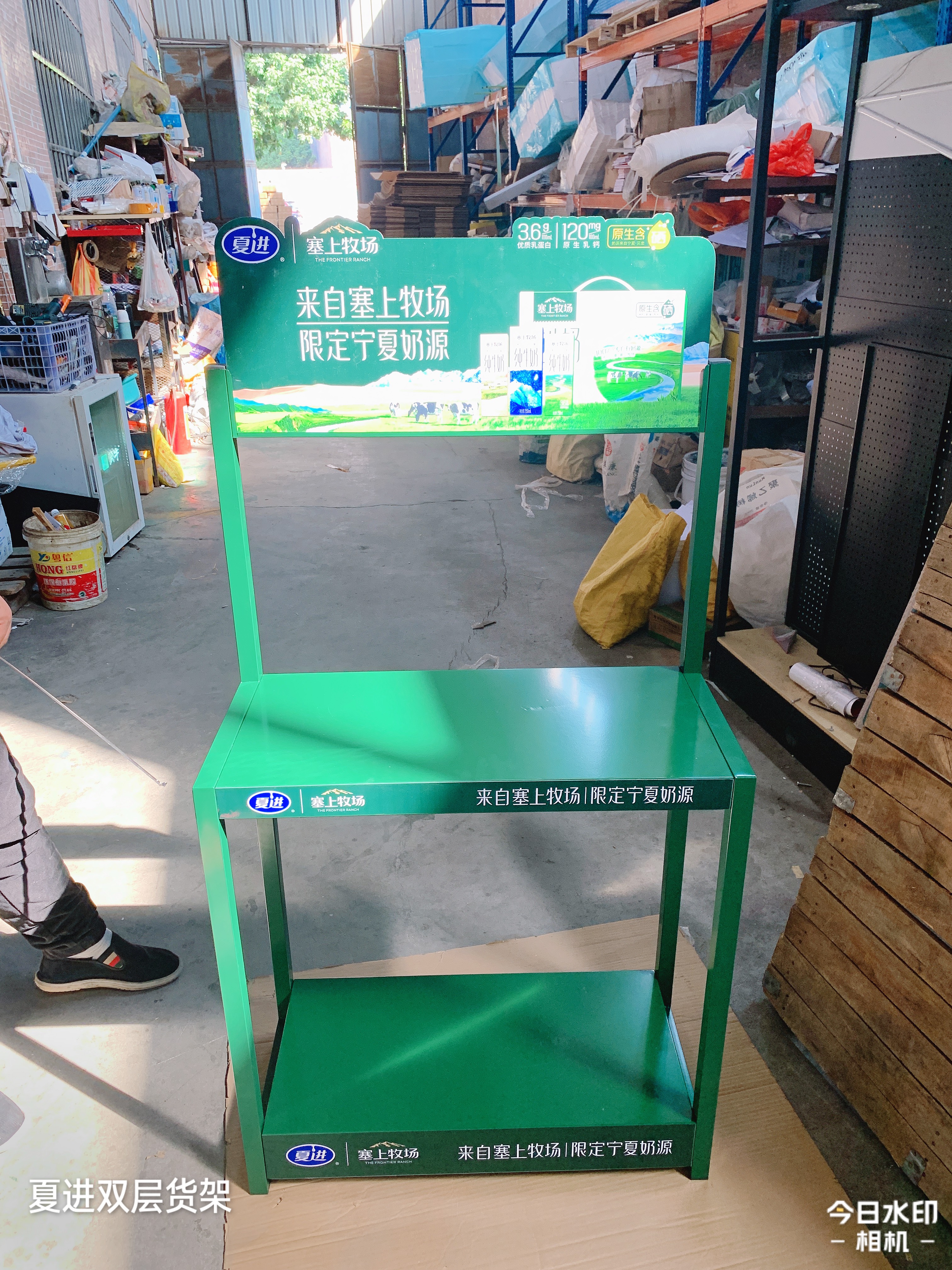
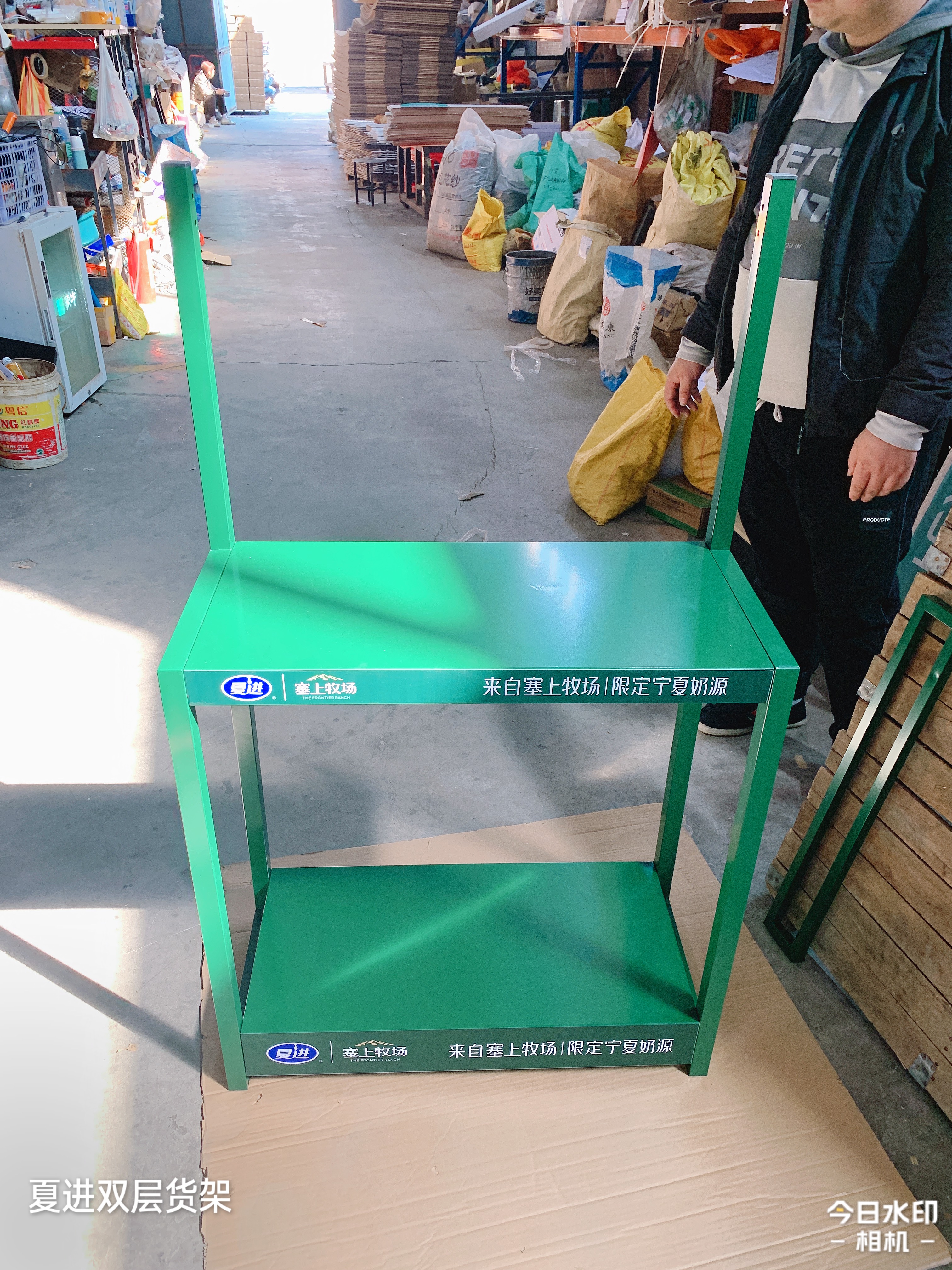
When products are heavy, sharp-edged, or require long-term placement, a metal floor display is usually the right choice. Metal floor display units, whether built from steel, iron, or aluminum framing, offer structural integrity that corrugated materials simply cannot match. A metal floor display can hold power tools, automotive accessories, hardware items, bottled beverages, or canned goods without risk of collapse. The durability of a metal floor display also makes it a smart investment when a brand needs a permanent or semi-permanent in-store presence.
Wire grid floor display units are a subset of the metal category. They allow products to be visible from multiple angles, which increases shopper engagement. A wire floor display is especially effective for items like packaged cables, garden accessories, or small home goods, where shoppers want to inspect the product closely before buying. The open structure of a wire floor display also prevents dust accumulation and keeps the presentation looking clean with minimal maintenance.
Matching Metal Floor Displays to the Right Products
A metal floor display is well suited for products in the hardware, automotive, sporting goods, and home improvement categories. Brands in these sectors often require a floor display that can be reconfigured with adjustable shelves to accommodate different product sizes over time. Because metal floor display structures can be powder-coated or chrome-plated, they can also be adapted for higher-end retail environments where a premium aesthetic is important. The upfront cost of a metal floor display is higher than corrugated, but the longer service life typically justifies the investment for products with ongoing shelf placement needs.
Acrylic and Wood Floor Displays for Premium Product Positioning
When Aesthetics Drive Floor Display Material Choice
For premium and luxury product categories, the floor display material needs to communicate quality before the customer even picks up the product. Acrylic floor display units offer a clean, transparent, high-end look that works exceptionally well for cosmetics, perfumes, skincare products, jewelry, and high-value electronics accessories. The clarity of an acrylic floor display draws attention to the product itself rather than the display structure, creating a sense of openness and elegance on the sales floor. Acrylic is also easy to clean, which is important in beauty and personal care retail environments.
Wood floor display units, including those built from MDF or natural wood finishes, carry a warmth and craftsmanship feel that resonates strongly with artisan food brands, premium wines, organic products, and lifestyle goods. A wood floor display signals quality and care, and it blends naturally into specialty retail, boutique, and organic grocery store environments. Brands that want to reinforce a natural, handcrafted, or heritage positioning benefit greatly from using a wood-based floor display as part of their in-store strategy.
Balancing Visual Impact and Structural Requirements
Both acrylic and wood floor display options have weight and load limitations that brands must consider carefully. An acrylic floor display is best suited for lighter products arranged in small quantities, while a wood floor display can support moderate weight loads depending on construction thickness. Neither material should be used in floor display applications where products are exceptionally heavy or where the floor display will face rough handling. For brands combining aesthetic appeal with practical durability, hybrid designs that combine a metal frame with acrylic or wood paneling offer a balanced floor display solution.
FAQ
What floor display material is best for a short-term promotional campaign?
Corrugated cardboard is the most practical choice for a short-term promotional floor display. It is affordable, easy to print, and simple to assemble, making it ideal for seasonal or limited-time campaigns where the floor display does not need to last longer than a few weeks.
Can a single floor display material work for multiple product types?
In most cases, a single floor display material works best when matched to a specific product category. However, hybrid floor display designs that combine materials, such as a metal frame with adjustable acrylic shelves, can serve multiple product types with different weights and aesthetic requirements more effectively than a single-material floor display.
How does floor display material affect product perception?
The material of a floor display directly influences how shoppers perceive the product on it. A corrugated floor display signals a promotional price-value message, while an acrylic or wood floor display communicates premium quality and brand investment. Choosing a floor display material that aligns with your product positioning reinforces brand consistency and helps drive purchase decisions at the point of sale.