 EN
EN

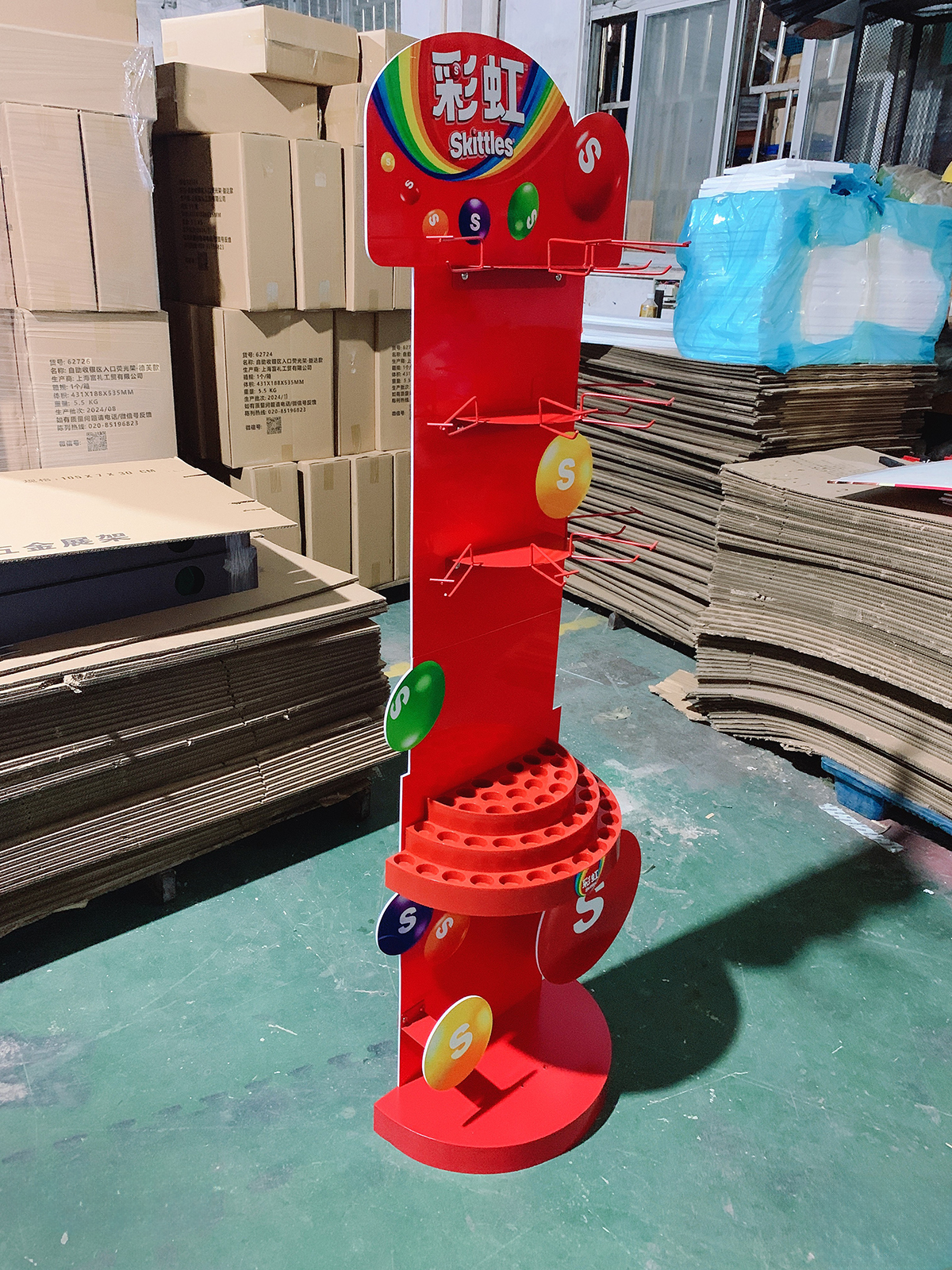
Planning a budget for retail display requires more than simply allocating funds for materials and production. Every retail environment presents unique challenges that influence how much you should invest, what types of displays deliver the strongest return, and where cost overruns commonly occur. Whether you are launching a new product line, refreshing an existing store layout, or expanding into additional retail locations, understanding the full spectrum of budgeting considerations ensures your retail display investment aligns with both merchandising goals and financial constraints. This article explores the critical factors that shape retail display budgets, from initial design and material selection to installation logistics and long-term maintenance, providing practical guidance for making informed decisions that balance quality, functionality, and cost-effectiveness.
A comprehensive approach to budgeting for retail display begins with recognizing that upfront costs represent only part of the total financial picture. Hidden expenses often emerge during installation, shipping, customization, and ongoing maintenance phases. Many retailers underestimate how location-specific factors such as store traffic patterns, ceiling height restrictions, floor load capacities, and local building codes can drive unexpected budget adjustments. Additionally, the choice between temporary promotional displays and permanent fixture systems dramatically affects both immediate expenditure and long-term value. By examining each budgeting component systematically and anticipating common cost variables, you can develop a realistic financial framework that supports effective merchandising without compromising profitability or operational efficiency.
Understanding the Core Components of Retail Display Costs
Material Selection and Structural Quality
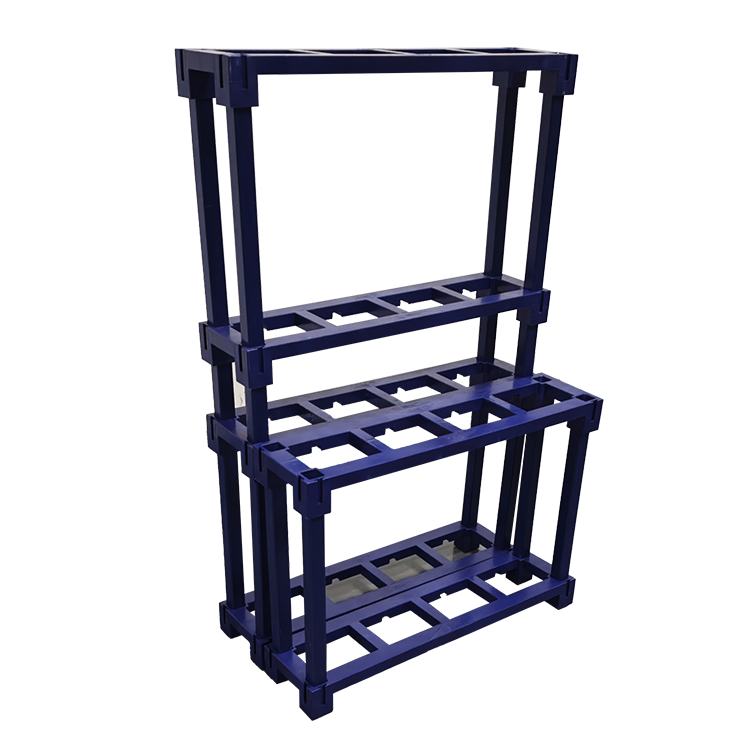
The materials used in your retail display directly influence both initial costs and long-term durability. Common options include corrugated cardboard, plastic, metal, wood, acrylic, and composite materials, each offering distinct advantages and price points. Corrugated displays provide the lowest upfront cost and work well for short-term promotions, but they lack the structural integrity needed for extended use or heavy product loads. Plastic assembled retail displays offer a middle ground, combining moderate cost with reusability and easy assembly, making them suitable for semi-permanent installations. Metal and wood fixtures command higher prices but deliver superior durability and premium aesthetics that justify the investment in high-traffic environments or brand flagship stores.
When evaluating material costs, consider not only the purchase price but also the expected lifespan and potential for reuse across multiple campaigns or locations. A durable retail display constructed from high-quality materials may cost significantly more initially but can be amortized over several years and multiple deployments, ultimately reducing your per-campaign cost. Conversely, inexpensive temporary displays require frequent replacement, generating recurring expenses that accumulate over time. Calculate the total cost of ownership by dividing the initial investment by the expected number of uses or months of service to determine the true economic value of each material option.
Design Complexity and Customization Requirements
Design complexity represents another major cost driver in retail display budgeting. Standard off-the-shelf displays offer the lowest prices because manufacturers produce them in high volumes with minimal customization. However, these generic solutions rarely align perfectly with specific brand identity requirements, product dimensions, or merchandising strategies. Custom retail display designs that incorporate unique shapes, specialized graphics, integrated lighting, or interactive elements require additional engineering, prototyping, and tooling investments that significantly increase unit costs. The level of customization you require should be proportional to the strategic importance of the display and the expected sales lift it will generate.
Balancing customization with budget constraints involves identifying which design elements deliver the highest merchandising impact and which can be standardized without compromising effectiveness. For example, a custom-shaped header panel with bold branding may justify additional expense by dramatically improving visibility and brand recognition, while standardizing the base structure reduces costs without diminishing functionality. Modular retail display systems offer another cost-effective approach by allowing you to mix standard components with custom elements, creating a distinctive look while controlling expenses. Always request detailed design quotes that itemize each custom feature separately so you can make informed decisions about which elements warrant the additional investment.
Graphic Production and Branding Elements
Visual graphics and branding components often account for a substantial portion of retail display budgets, particularly when high-resolution printing, special finishes, or frequent graphic updates are required. Digital printing technologies have reduced per-unit costs for custom graphics, but premium finishes such as metallic inks, embossing, spot UV coating, or lenticular effects still command premium prices. The choice between printed graphics applied to the display structure versus separate interchangeable graphic panels affects both initial costs and ongoing flexibility. Interchangeable graphics enable you to update messaging or seasonal promotions without replacing the entire display, providing long-term cost efficiency despite higher upfront investment in the mounting system.
When budgeting for graphic elements, factor in the cost of graphic design services, file preparation, color proofing, and potential revisions. Many retailers underestimate these soft costs, which can add twenty to thirty percent to the material production expense. Consider whether your retail display program requires graphics that can be produced locally for quick turnaround or whether centralized production with longer lead times offers sufficient cost savings to justify the logistical constraints. For multi-location rollouts, establishing standardized graphic templates and pre-approved design libraries reduces per-store customization costs while maintaining brand consistency across all retail environments.
Evaluating Volume, Scale, and Deployment Scenarios
Quantity Discounts and Order Volume Planning
The number of retail display units you order simultaneously has a dramatic impact on per-unit costs due to economies of scale in manufacturing, tooling, and shipping. Manufacturers typically establish price breaks at specific quantity thresholds, with the most significant discounts occurring when orders exceed minimum production runs that allow dedicated tooling and efficient material utilization. For example, ordering five hundred units might yield a thirty to forty percent per-unit cost reduction compared to ordering fifty units, even when using identical specifications. This volume pricing dynamic creates a strategic decision point: order larger quantities to capture lower unit costs but accept higher inventory carrying costs and reduced flexibility, or order smaller quantities to minimize upfront investment and maintain agility but pay premium per-unit prices.
Optimal order volume depends on your deployment timeline, storage capacity, and confidence in the display design. If you operate multiple retail locations with consistent merchandising needs, consolidating orders to capture volume discounts makes financial sense. However, if your retail display strategy involves frequent testing and iteration, ordering smaller initial quantities allows you to validate performance before committing to larger production runs. Some manufacturers offer flexible programs where you can lock in volume pricing by committing to a total quantity over a specified period while taking delivery in smaller batches, providing both cost efficiency and inventory management benefits. Always request detailed pricing tiers before finalizing your order strategy.
Single Location Versus Multi-Location Deployment
Budgeting considerations differ substantially between single-location installations and multi-location rollouts. For a single retail location, you have greater flexibility to create highly customized displays that address site-specific constraints and opportunities, but you cannot spread design and tooling costs across multiple units. Multi-location deployments require standardization to ensure consistent brand presentation and efficient production, but this constraint often simplifies the design process and reduces per-location costs. Additionally, multi-location programs introduce distribution complexity that affects budgeting, including regional warehousing, coordinated shipping schedules, and installation support across diverse geographic markets.
When planning multi-location retail display budgets, account for the variability in store formats, available floor space, and local regulations that may require design modifications for specific markets. Some retailers adopt a tiered approach, developing a standard display design with optional modules or size variations that accommodate different store types while maintaining cost efficiency through shared core components. This strategy allows you to capture volume pricing on common elements while addressing site-specific needs through targeted customization. Calculate your budget using a weighted average cost that reflects the mix of standard and customized units across your retail network rather than assuming uniform per-unit pricing.
Temporary Versus Permanent Display Programs
The intended lifespan of your retail display fundamentally shapes budgeting priorities and material selection. Temporary displays designed for promotional campaigns lasting weeks to a few months prioritize low initial cost and visual impact over durability and reusability. These displays typically use lightweight materials, simple assembly methods, and cost-effective graphic production to minimize investment while maximizing short-term merchandising effectiveness. Permanent or semi-permanent retail display fixtures intended for years of service require substantially higher initial investment in robust materials, professional installation, and modular design that supports graphic updates and product line changes without complete replacement.
Determining the appropriate balance between temporary and permanent display investments requires analyzing your merchandising calendar, product portfolio stability, and store refresh cycles. If your product assortment changes frequently or you run regular promotional campaigns, a hybrid approach combining permanent base structures with interchangeable temporary components often delivers optimal cost efficiency. This strategy concentrates higher investment in durable structural elements that remain consistent while using inexpensive temporary graphics, shelving configurations, or product risers that change with each campaign. When budgeting for temporary versus permanent options, calculate the breakeven point where the cumulative cost of multiple temporary displays equals the investment in a reusable permanent solution, factoring in storage, transportation, and disposal costs for temporary units.
Accounting for Logistics, Installation, and Operational Factors
Transportation and Freight Considerations
Shipping costs for retail display units often represent a significant and sometimes underestimated portion of total project budgets, particularly for large or multi-location programs. Display dimensions, weight, and packaging efficiency directly affect freight charges, with dimensional weight pricing making bulky but lightweight displays surprisingly expensive to ship. Knockdown designs that ship flat and assemble on-site substantially reduce transportation costs compared to fully assembled units, but they shift labor expenses to the installation phase. When sourcing displays from overseas manufacturers, factor in international freight costs, customs duties, import taxes, and potential delays that can affect project timelines and carrying costs.
Strategic packaging design reduces shipping expenses while protecting displays during transit. High-quality corrugated shipping containers, protective corner guards, and efficient pallet configurations minimize damage rates and reduce dimensional weight charges by maximizing the number of units per pallet or container. For multi-location deployments, consider whether direct-to-store shipping from the manufacturer or distribution through a regional warehouse network offers better cost efficiency. Direct shipping eliminates warehousing and handling fees but may result in higher per-unit freight costs due to smaller shipment sizes, while warehouse distribution adds handling costs but potentially reduces transportation expenses through consolidated regional shipments. Request detailed freight quotes for different shipping scenarios before finalizing your retail display budget.
Installation Labor and Assembly Requirements
Installation labor costs vary widely based on display complexity, assembly requirements, and whether you use in-house staff, retail merchandising teams, or professional installation services. Simple knockdown retail displays designed for tool-free assembly can be installed by store personnel with minimal training, keeping labor costs low. Complex displays requiring specialized tools, precise alignment, permanent mounting, or integration with store fixtures often necessitate professional installation services that charge hourly rates or per-unit fees. When budgeting for installation, account for not only direct labor costs but also the opportunity cost of diverting store staff from customer-facing activities during installation periods.
For multi-location rollouts, installation costs multiply quickly across numerous sites, making efficient assembly design and clear installation instructions critical cost control factors. Detailed assembly manuals with illustrated step-by-step procedures, pre-labeled components, and standardized hardware reduce installation time and minimize errors that require rework. Some retailers negotiate flat-rate installation pricing with merchandising service providers who specialize in rapid multi-store deployments, offering cost predictability and professional quality. Calculate installation costs per store by estimating labor hours required, multiplying by appropriate labor rates, and adding travel expenses for professional installers if applicable. Building a contingency budget for installation challenges such as unexpected site conditions or display modifications ensures you can address issues without derailing the entire program.
Maintenance, Refresh, and Disposal Planning
Ongoing maintenance costs often escape initial budgeting discussions but can significantly affect the total cost of ownership for retail display programs. Displays in high-traffic areas accumulate wear from customer handling, require regular cleaning to maintain visual appeal, and occasionally need repair or component replacement. Budgeting for maintenance includes allocating funds for cleaning supplies, touch-up paint or graphics, replacement hardware, and periodic inspection by store staff or third-party service providers. Displays constructed from durable materials with protective finishes require less frequent maintenance but command higher initial prices, creating a trade-off between upfront investment and ongoing costs.
Planning for display refresh and eventual disposal represents another important budgeting consideration. Even the highest-quality retail display eventually becomes obsolete due to product line changes, brand identity evolution, or physical deterioration. Establishing a refresh budget that covers periodic graphic updates, component replacements, or complete display replacement extends the effective lifespan of your initial investment. When displays reach end-of-life, disposal costs include labor for removal, transportation to recycling or disposal facilities, and potential fees for waste processing. Displays constructed from recyclable materials may generate small revenue streams or reduced disposal costs, while mixed-material designs require expensive disassembly and separation. Incorporating these lifecycle costs into your initial retail display budget provides a more accurate financial picture than focusing solely on acquisition expenses.
Aligning Budget Allocation with Business Objectives
Return on Investment Analysis
Effective retail display budgeting requires connecting investment levels to expected business outcomes such as increased sales volume, higher average transaction values, improved brand awareness, or enhanced customer engagement. Establishing clear performance metrics before finalizing your budget enables you to evaluate whether different investment levels justify their costs. For example, if a premium retail display costing twenty percent more than a standard option generates a fifteen percent sales lift in a product category with healthy margins, the incremental investment delivers strong returns. Conversely, if a complex custom display significantly increases costs but produces negligible sales improvement over a simpler alternative, the additional expenditure cannot be justified.
Calculating retail display ROI involves estimating the incremental sales generated by the display compared to baseline performance without the display or with an alternative merchandising approach. Multiply the sales lift by the product margin to determine gross profit contribution, then subtract the total cost of the display program including design, production, installation, and maintenance. This analysis reveals the payback period and helps prioritize budget allocation among competing display projects. For displays supporting new product launches, factor in the strategic value of market share capture and long-term customer acquisition beyond immediate sales metrics. Regularly measuring actual performance against projections and adjusting future budgets based on demonstrated ROI ensures continuous improvement in retail display investment effectiveness.
Competitive Positioning and Market Expectations
Your retail display budget should reflect competitive dynamics within your market category and retail channel. In premium retail environments where competitors invest heavily in sophisticated fixtures and immersive brand experiences, underfunding your display program risks positioning your brand as inferior regardless of product quality. Conversely, in price-sensitive categories or discount retail channels, over-investing in elaborate displays may appear inconsistent with customer expectations and generate minimal incremental return. Conduct competitive analysis to understand typical display investment levels, material quality standards, and design sophistication within your category, using this intelligence to establish appropriate budget parameters.
Market expectations extend beyond direct competitors to encompass overall retail environment standards and consumer perceptions of brand positioning. A mass-market consumer goods brand entering specialty retail channels may need to elevate display quality beyond its typical program to meet the higher fixture standards and customer expectations in that environment. Similarly, a premium brand expanding into mass retail channels must carefully balance cost efficiency with maintaining brand integrity through display design and materials. Aligning your retail display budget with both competitive realities and strategic brand positioning ensures your investment supports rather than undermines broader market objectives.
Testing and Validation Budget Allocation
Incorporating testing and validation phases into your retail display budget reduces the risk of expensive mistakes and enables data-driven optimization before full-scale deployment. Allocating ten to fifteen percent of your total budget to prototype development, in-store testing, and performance measurement provides valuable insights that inform final design decisions and prevent costly errors. Prototype testing reveals practical issues such as assembly difficulties, structural weaknesses, or consumer interaction problems that paper designs cannot predict. In-store pilot programs with small quantities of displays generate actual sales data and customer feedback that validate design assumptions and demonstrate ROI before committing to large production orders.
Effective testing requires clear success criteria, controlled test environments, and rigorous data collection. Compare sales performance in test stores with control stores using similar formats and demographics to isolate the display impact from other variables. Gather qualitative feedback from store personnel about assembly ease, durability concerns, and customer interactions. Document lessons learned and incorporate design refinements before scaling production. While testing adds upfront costs and extends project timelines, the investment typically pays for itself many times over by preventing expensive redesigns, reducing installation issues, and optimizing merchandising effectiveness. Retailers who skip validation phases to accelerate deployment often face greater total costs from design failures, poor performance, and emergency modifications than those who invest in thorough testing.
FAQ
How much should I budget per retail display unit?
Retail display costs vary enormously based on size, materials, customization level, and quantity, ranging from twenty dollars for simple corrugated temporary displays to several thousand dollars for custom permanent fixtures. A typical mid-range plastic assembled retail display suitable for semi-permanent use costs between one hundred fifty and four hundred dollars per unit in moderate quantities. To establish an appropriate budget, define your specific requirements including dimensions, material preferences, expected lifespan, and customization needs, then request quotes from multiple suppliers for accurate pricing. Remember to include installation, shipping, graphics, and maintenance costs in your total per-unit budget calculation rather than considering only the display purchase price.
What percentage of my retail display budget should go toward design versus production?
Design typically represents five to fifteen percent of total retail display project costs, with the percentage decreasing as order quantities increase. For small custom projects, design may consume twenty percent or more of the budget due to fixed engineering and prototyping costs spread across fewer units. Large production runs amortize design expenses across thousands of units, reducing the percentage allocated to design while maintaining higher absolute design investment. Adequate design investment prevents costly production errors and optimizes merchandising effectiveness, making it a strategic expense rather than an area for aggressive cost-cutting. Balance design spending by requesting detailed proposals that separate design fees from production costs, allowing you to evaluate whether additional design investment will generate proportionate improvements in display performance.
Should I budget separately for seasonal or promotional displays versus permanent fixtures?
Yes, maintaining separate budget allocations for temporary promotional displays and permanent fixture programs provides better financial control and decision clarity. Temporary display budgets typically come from marketing or promotional funds and focus on maximizing short-term impact per dollar spent, accepting limited durability. Permanent fixture budgets usually come from capital expenditure allocations and prioritize long-term value, reusability, and brand consistency. This separation allows you to optimize spending for each purpose without compromising either objective. For hybrid approaches using permanent structures with interchangeable promotional elements, allocate the base structure cost to capital budgets and rotating components to promotional budgets, clearly tracking the investment in each category.
How can I reduce retail display costs without sacrificing quality?
Several strategies reduce costs while maintaining quality, including standardizing designs across locations to maximize volume discounts, using modular systems that share common components, selecting materials that balance durability with cost, simplifying unnecessary design complexity, and planning longer production lead times to avoid rush charges. Establishing long-term supplier relationships often yields preferential pricing and design support. Consider value engineering reviews where manufacturers suggest alternative materials or construction methods that reduce costs without compromising functionality. Focus your budget on elements that directly impact merchandising performance such as product visibility and brand communication while standardizing structural components that customers rarely notice. Careful planning and strategic compromise typically achieve twenty to thirty percent cost reductions without meaningful quality degradation.