 EN
EN

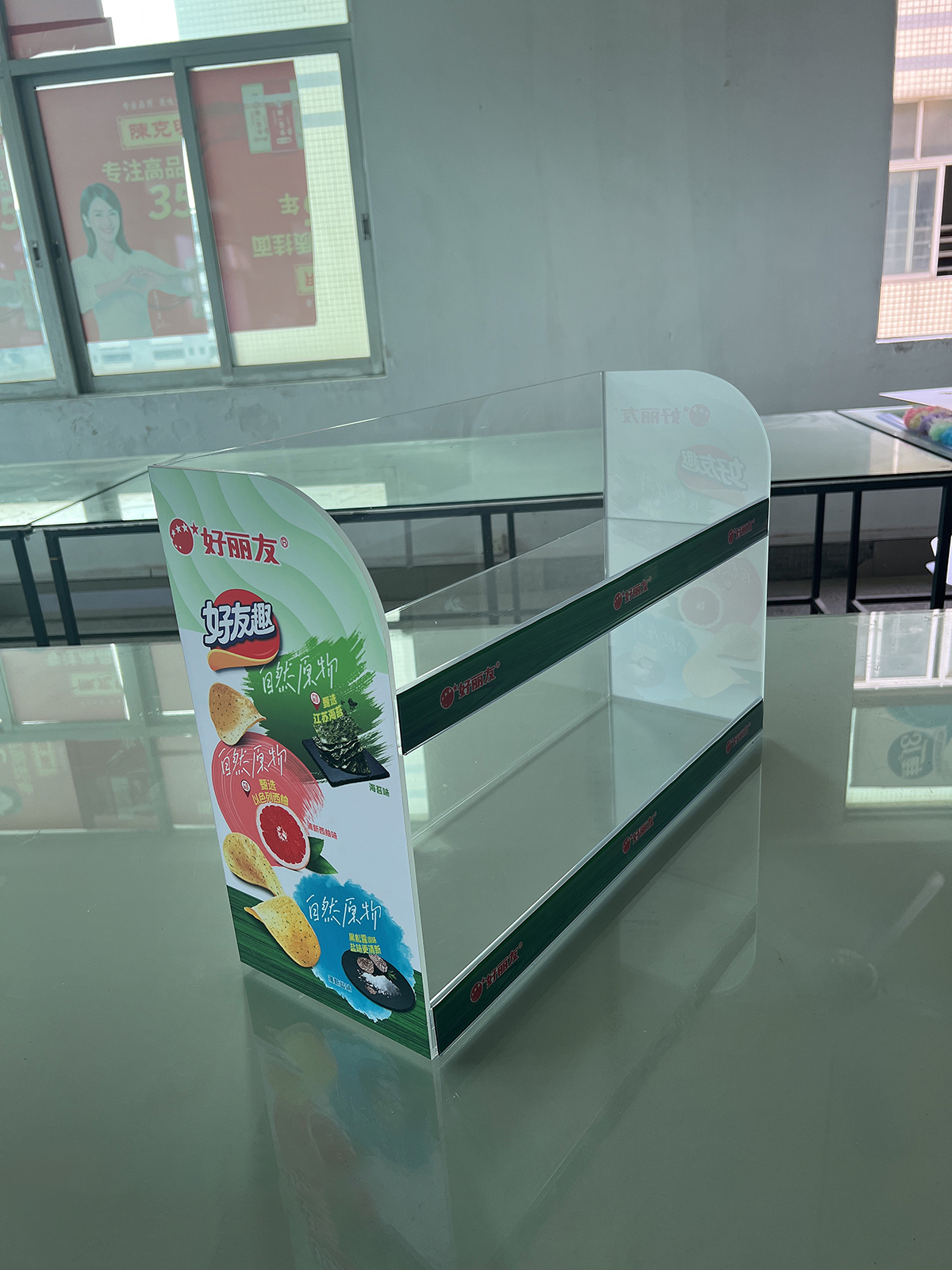
Acrylic display stands have become an essential component in retail environments, exhibitions, and commercial spaces due to their crystal-clear appearance and professional aesthetic. These transparent fixtures offer unmatched versatility in showcasing products while maintaining minimal visual interference. However, like any display solution, acrylic display stands require proper maintenance to preserve their clarity, structural integrity, and overall appearance over time.
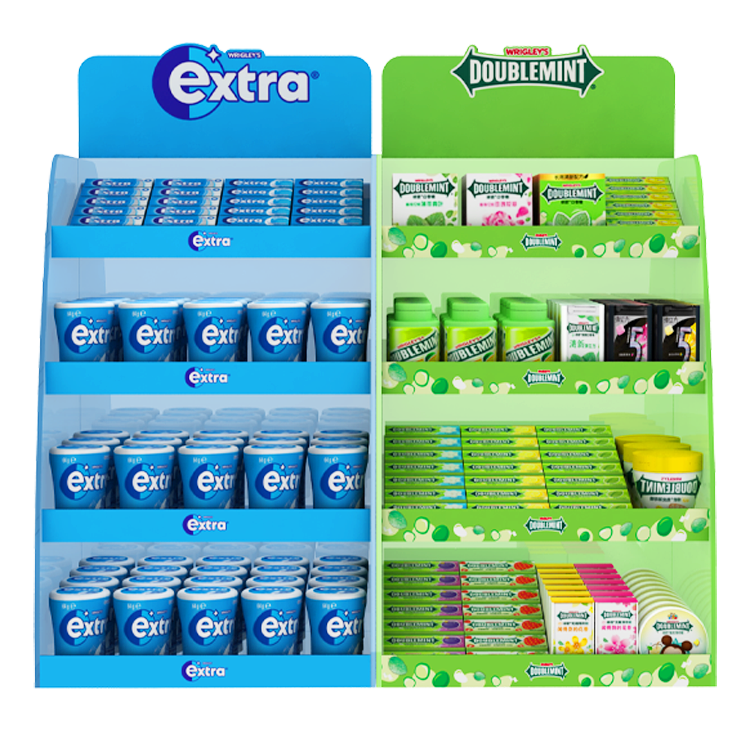
The investment in quality acrylic display stands represents a significant commitment to professional presentation standards. Without appropriate care protocols, these fixtures can quickly lose their pristine appearance, developing scratches, cloudiness, or discoloration that diminishes their effectiveness. Understanding the specific maintenance requirements for acrylic materials is crucial for maximizing the lifespan and visual impact of your display investment.
Professional maintenance of acrylic display stands extends beyond simple cleaning routines. It encompasses proper handling techniques, strategic placement considerations, environmental factors, and long-term preservation strategies. This comprehensive approach ensures that your display fixtures continue to enhance product presentation while maintaining their structural integrity and optical clarity throughout their operational lifetime.
Essential Daily Cleaning Procedures
Proper Cleaning Materials Selection
Selecting appropriate cleaning materials is fundamental to maintaining acrylic display stands without causing permanent damage. Microfiber cloths represent the gold standard for acrylic cleaning, as their fine fibers effectively remove dust and debris without creating micro-scratches on the surface. These specialized cloths should be clean and slightly damp with appropriate cleaning solutions rather than completely dry, which can generate static electricity and attract additional particles.
Chemical compatibility plays a critical role in material selection for acrylic display stands maintenance. Mild soap solutions, specifically formulated acrylic cleaners, or isopropyl alcohol diluted to appropriate concentrations provide effective cleaning without compromising the material's integrity. Avoid ammonia-based cleaners, abrasive compounds, or petroleum-based solvents that can cause crazing, cloudiness, or chemical stress cracking in acrylic materials.
The cleaning tool arsenal should include soft-bristled brushes for detailed work around joints and edges where dust accumulates. Natural sponges can be beneficial for larger surface areas, but ensure they are free from embedded particles that could scratch the acrylic surface. Replace cleaning materials regularly to prevent the accumulation of abrasive particles that could damage your acrylic display stands over time.
Step-by-Step Cleaning Methodology
Begin the cleaning process by removing all displayed items from the acrylic display stands to ensure complete access to all surfaces. This preliminary step prevents accidental damage to merchandise and allows thorough cleaning of areas typically obscured during operation. Inspect each stand for visible debris, fingerprints, or other contamination that may require specialized attention during the cleaning process.
Initial dust removal should be performed using a clean, dry microfiber cloth with gentle circular motions. This preliminary step eliminates loose particles that could create scratches if moved across the surface during wet cleaning. Pay particular attention to horizontal surfaces where dust typically accumulates, as well as vertical edges where static electricity may attract airborne particles.
Apply the selected cleaning solution sparingly to avoid oversaturation, which can lead to streaking or water spots on acrylic display stands. Work in small sections, maintaining consistent pressure and overlap to ensure even cleaning coverage. Follow immediately with a dry microfiber cloth to remove residual moisture and prevent water spotting that can compromise the optical clarity of the acrylic surface.
Advanced Stain and Scratch Removal
Identifying Different Types of Surface Damage
Surface damage on acrylic display stands manifests in various forms, each requiring specific treatment approaches for effective removal. Light scratches appear as fine lines that are visible under certain lighting conditions but may not be felt with fingertip contact. These superficial marks typically result from improper cleaning techniques or contact with abrasive materials during routine maintenance or product placement.
Deep scratches penetrate beyond the surface layer and are readily visible regardless of lighting conditions. These more severe imperfections often catch fingernails when tested and represent more significant damage to the acrylic structure. Deep scratches on acrylic display stands typically result from impacts with hard objects, improper handling during installation, or contact with sharp edges during product arrangement.
Chemical staining appears as cloudiness, discoloration, or whitish areas that cannot be removed through standard cleaning procedures. This type of damage often results from exposure to incompatible cleaning chemicals, prolonged contact with acidic or alkaline substances, or environmental contamination. Identifying the specific cause of chemical damage helps prevent recurrence and determines the appropriate restoration approach.
Professional Restoration Techniques
Light scratch removal on acrylic display stands can be accomplished using progressive polishing techniques with specialized compounds. Begin with the finest abrasive compound available, typically automotive polishing compounds designed for clear coat applications. Apply small amounts to a clean cloth and work in circular motions with minimal pressure, gradually building up heat through friction to help the acrylic material flow and fill the scratch.
For more significant damage, flame polishing provides professional-grade restoration capabilities for experienced users. This advanced technique involves carefully applying controlled heat to the damaged area, causing the acrylic to soften and flow back into position. Flame polishing requires specialized equipment and expertise, as excessive heat can cause permanent damage to acrylic display stands through warping, discoloration, or complete material failure.
Chemical polishing using appropriate solvents can restore clarity to heavily damaged surfaces when mechanical methods prove insufficient. This process involves controlled application of compatible solvents that temporarily soften the acrylic surface, allowing it to smooth and regain optical clarity. Professional assessment is recommended before attempting chemical restoration to ensure compatibility and prevent further damage to valuable display fixtures.
Environmental Protection Strategies
Temperature and Humidity Management
Environmental conditions significantly impact the longevity and appearance of acrylic display stands in commercial applications. Temperature fluctuations cause expansion and contraction cycles that can lead to stress cracking, particularly at mounting points or areas of structural concentration. Maintaining stable temperatures between 65-75°F (18-24°C) minimizes thermal stress while preserving the structural integrity of acrylic materials over extended periods.
Humidity control prevents condensation formation on acrylic display stands, which can cause water spotting, promote bacterial growth, or create cleaning challenges in high-traffic environments. Relative humidity levels between 40-60% provide optimal conditions for acrylic stability while preventing excessive moisture accumulation. Proper HVAC system maintenance and monitoring help maintain consistent environmental conditions that protect display investments.
Extreme temperature exposure should be avoided to prevent material degradation in acrylic display stands. Direct sunlight through windows can create localized heating that leads to warping, while proximity to heating vents or cooling outlets can cause thermal shock. Strategic placement away from direct environmental controls helps maintain stable conditions and prevents premature aging of acrylic materials.
UV Protection and Light Management
Ultraviolet radiation represents one of the most significant long-term threats to acrylic display stands, causing yellowing, brittleness, and reduced optical clarity over time. While modern acrylic formulations include UV stabilizers, prolonged exposure to direct sunlight or high-intensity UV lighting can overwhelm these protective additives. Window film applications or strategic positioning can minimize UV exposure in retail environments.
LED lighting systems offer superior compatibility with acrylic display stands compared to traditional incandescent or fluorescent alternatives. LED fixtures generate minimal heat while providing excellent color rendering and controllable intensity. The reduced thermal output prevents heat buildup that can cause warping or stress in acrylic display stands while maintaining optimal illumination for product presentation.
Light positioning strategies should account for reflection patterns and glare reduction to maintain the visual effectiveness of acrylic display stands. Proper lighting angles minimize reflective glare while maximizing product illumination, creating an optimal viewing experience for customers. Regular adjustment of lighting systems accounts for seasonal changes in ambient light levels and maintains consistent presentation quality throughout the year.
Long-Term Preservation Methods
Storage and Transportation Protocols
Proper storage procedures for acrylic display stands during periods of non-use significantly impact their longevity and condition when returned to service. Clean all surfaces thoroughly before storage to remove any residual contaminants that could cause staining or degradation during extended storage periods. Apply protective coverings or wrapping materials specifically designed for acrylic surfaces to prevent dust accumulation and physical damage.
Support structures during storage prevent warping or distortion that can occur when acrylic display stands are stored improperly. Maintain original orientations and provide adequate support at stress concentration points to preserve structural integrity. Avoid stacking heavy items on acrylic surfaces or storing stands in environments subject to temperature extremes or excessive humidity.
Transportation protocols require specialized packaging and handling procedures to prevent damage during movement. Custom-fitted foam inserts or bubble wrap provide protection against impact damage while maintaining proper orientation during transport. Professional packaging services familiar with acrylic display stands can provide optimal protection for valuable display fixtures during relocation or storage transitions.
Preventive Maintenance Scheduling
Establishing regular maintenance schedules ensures consistent care for acrylic display stands while preventing minor issues from developing into major problems. Daily cleaning routines should focus on dust removal and general surface maintenance, while weekly deep cleaning addresses accumulated contamination and detailed inspection for emerging issues. Monthly comprehensive evaluations identify potential problems before they compromise display effectiveness.
Documentation of maintenance activities provides valuable tracking information for warranty claims, replacement scheduling, and performance evaluation. Maintenance logs should include cleaning dates, products used, observed conditions, and any repairs performed on acrylic display stands. This historical data helps identify patterns in wear or damage that may indicate environmental issues or procedural improvements.
Professional inspection services can provide expert evaluation of acrylic display stands to identify potential issues not apparent to untrained observers. Annual professional assessments help ensure optimal performance and identify opportunities for improvement in maintenance procedures. Professional services can also provide specialized restoration techniques that extend the useful life of valuable display investments.
Troubleshooting Common Issues
Addressing Structural Problems
Stress cracking in acrylic display stands typically manifests as fine lines radiating from mounting points, corners, or areas of concentrated load. These cracks often result from overtightening of mounting hardware, impact damage, or thermal stress from environmental conditions. Early detection allows for repair techniques such as stress relieving through controlled heating or crack stopping through drilling relief holes at crack termination points.
Joint separation or loosening in multi-component acrylic display stands can compromise structural integrity and create safety hazards. Regular inspection of assembly points identifies loosening before failure occurs, allowing for retightening or replacement of fasteners. Use of appropriate thread-locking compounds on metal fasteners prevents loosening while avoiding chemical incompatibility with acrylic materials.
Warping or distortion in acrylic display stands often results from uneven support, thermal exposure, or excessive loading beyond design specifications. Minor warping may be correctable through controlled heating and reforming techniques, while severe distortion typically requires professional restoration or replacement. Prevention through proper support and load management proves more effective than corrective measures after damage occurs.
Optical Clarity Restoration
Cloudiness or haziness in acrylic display stands can result from chemical exposure, micro-scratching from improper cleaning, or environmental stress cracking. Identification of the underlying cause determines the appropriate restoration approach, ranging from polishing techniques for surface damage to replacement for chemical degradation. Progressive restoration techniques start with the least aggressive methods to avoid unnecessary material removal.
Surface contamination that resists standard cleaning may require specialized solvents or cleaning compounds designed specifically for acrylic materials. Test all cleaning products on inconspicuous areas before applying to visible surfaces to ensure compatibility. Some contaminants may require multiple treatment cycles with different products to achieve complete removal without damaging the acrylic display stands.
Professional restoration services provide advanced techniques for severely compromised acrylic display stands when standard maintenance procedures prove insufficient. These services may include chemical polishing, precision machining, or complete surface refinishing to restore optical clarity and structural integrity. Cost-benefit analysis helps determine whether professional restoration or replacement provides better value for damaged display fixtures.
FAQ
How often should I clean my acrylic display stands to maintain optimal appearance
The cleaning frequency for acrylic display stands depends on environmental conditions and usage intensity. In typical retail environments, daily dusting and weekly thorough cleaning provide adequate maintenance for optimal appearance. High-traffic areas or dusty environments may require more frequent attention, while controlled environments with minimal exposure can extend cleaning intervals. Regular inspection helps determine appropriate cleaning frequency based on actual accumulation rates and visual requirements.
What cleaning products should I avoid when maintaining acrylic display stands
Avoid ammonia-based glass cleaners, abrasive compounds, petroleum-based solvents, and any products containing acids or strong alkalis when cleaning acrylic display stands. These chemicals can cause crazing, cloudiness, stress cracking, or permanent discoloration. Paper towels, rough cloths, or scouring pads should also be avoided as they can create micro-scratches that compromise optical clarity. Always test new cleaning products on inconspicuous areas before general application.
Can minor scratches in acrylic display stands be repaired without professional help
Light surface scratches on acrylic display stands can often be removed using automotive polishing compounds and careful technique. Apply small amounts of fine polishing compound to a clean microfiber cloth and work in circular motions with minimal pressure. Multiple light applications work better than aggressive single attempts. Deep scratches that catch fingernails typically require professional restoration techniques or replacement to maintain optical quality and structural integrity.
How do I prevent static electricity buildup on acrylic display stands
Static electricity in acrylic display stands can be minimized through proper humidity control, anti-static cleaning solutions, and appropriate cleaning techniques. Maintaining relative humidity between 40-60% reduces static buildup, while anti-static sprays designed for plastics provide temporary protection. Use slightly damp microfiber cloths rather than dry cleaning materials, and consider anti-static treatments specifically formulated for acrylic surfaces in problematic environments.
Table of Contents
- Essential Daily Cleaning Procedures
- Advanced Stain and Scratch Removal
- Environmental Protection Strategies
- Long-Term Preservation Methods
- Troubleshooting Common Issues
-
FAQ
- How often should I clean my acrylic display stands to maintain optimal appearance
- What cleaning products should I avoid when maintaining acrylic display stands
- Can minor scratches in acrylic display stands be repaired without professional help
- How do I prevent static electricity buildup on acrylic display stands