 EN
EN

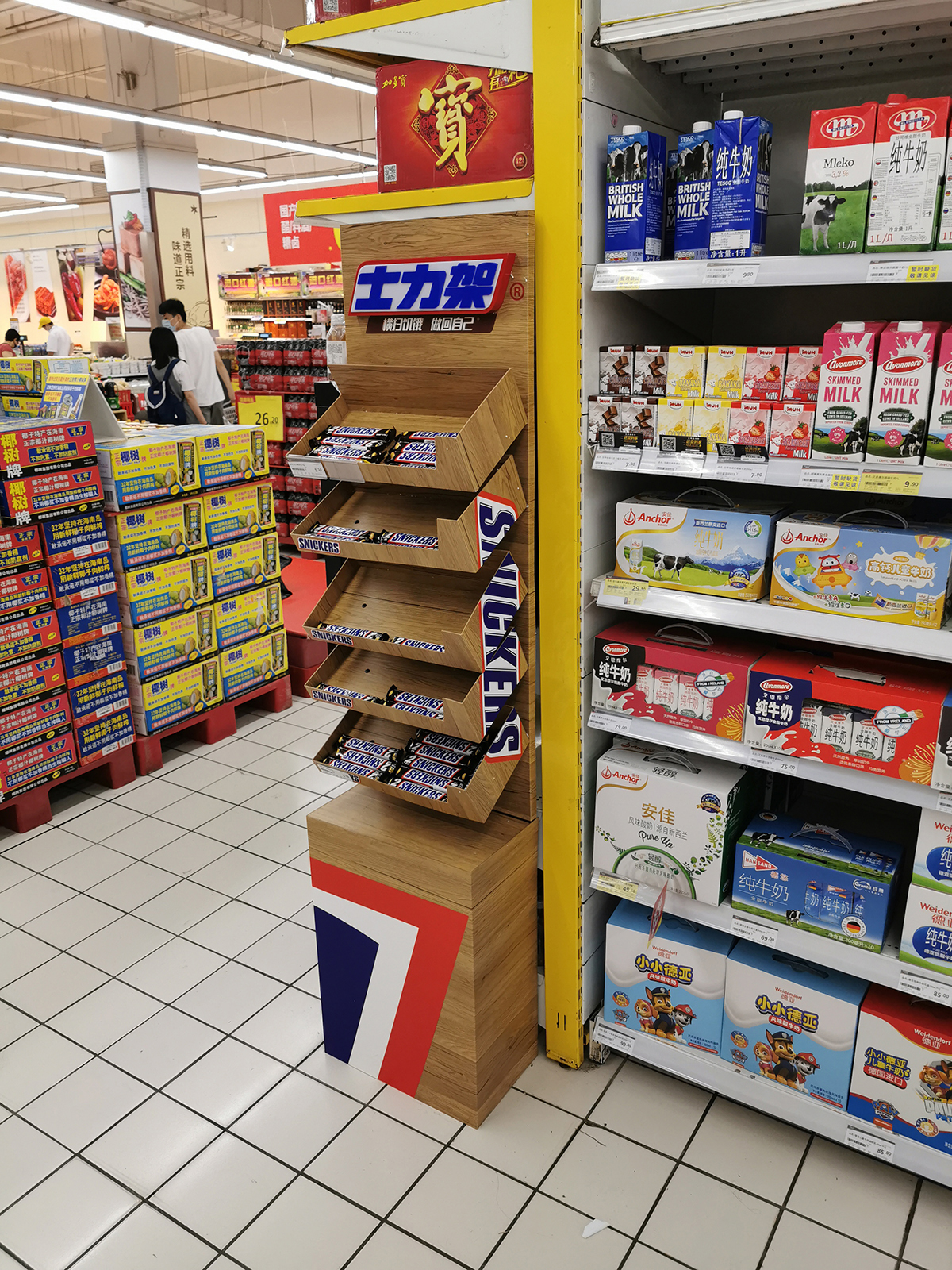
Modern retail environments and exhibition spaces demand sophisticated presentation solutions that seamlessly blend functionality with aesthetic appeal. Acrylic display stands have emerged as the preferred choice for businesses seeking versatile, durable, and visually striking display options. These transparent platforms offer unparalleled clarity while maintaining structural integrity, making them indispensable tools for showcasing products, artwork, and promotional materials across diverse industries.
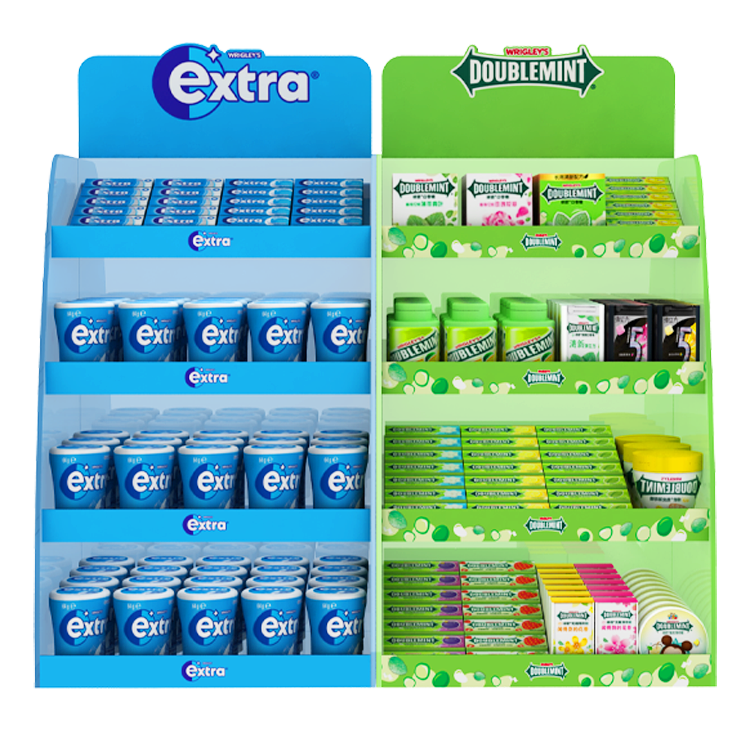
The evolution of display technology has positioned acrylic materials at the forefront of contemporary presentation design. Unlike traditional glass or wooden alternatives, acrylic display stands provide exceptional optical clarity while offering superior impact resistance and lightweight portability. This unique combination of properties has revolutionized how businesses approach product presentation, enabling creative solutions that enhance customer engagement and drive sales conversions.
Understanding Acrylic Display Technology
Material Properties and Advantages
Acrylic, also known as polymethyl methacrylate (PMMA), exhibits remarkable optical properties that make it ideal for display applications. The material transmits up to 93% of visible light, surpassing even high-quality glass in clarity and brilliance. This exceptional transparency ensures that displayed items remain the focal point while the acrylic display stands provide subtle yet sophisticated support structures.
The durability characteristics of acrylic materials contribute significantly to their popularity in commercial environments. With impact resistance seventeen times greater than glass, acrylic display stands withstand the rigors of busy retail spaces and frequent handling. The material's inherent flexibility prevents catastrophic failure, instead allowing for controlled deformation that protects both the stand and displayed merchandise.
Temperature stability represents another crucial advantage of acrylic construction. These display solutions maintain their structural integrity across wide temperature ranges, making them suitable for both indoor and outdoor applications. The material's low thermal expansion coefficient ensures dimensional stability, preventing warping or distortion that could compromise display effectiveness.
Manufacturing Processes and Quality Standards
Contemporary manufacturing techniques for acrylic display stands incorporate advanced fabrication methods that ensure precision and consistency. Computer-controlled cutting systems enable the creation of complex geometries while maintaining tight tolerances throughout the production process. These technological advances allow manufacturers to produce custom designs that meet specific dimensional and aesthetic requirements.
Quality control measures in acrylic fabrication focus on surface finish optimization and structural integrity verification. Flame polishing techniques create optically perfect edges that eliminate light refraction distortions, ensuring that acrylic display stands maintain their transparency advantages. Stress-relief processes prevent internal tensions that could lead to cracking or failure under load conditions.
Environmental considerations in manufacturing have led to the development of sustainable production practices for acrylic display stands. Recycling programs capture production waste and convert it into new raw materials, reducing environmental impact while maintaining cost-effectiveness. These initiatives align with corporate sustainability goals while delivering high-quality display solutions.
Design Principles for Effective Display Stands
Structural Engineering Considerations
Effective design of acrylic display stands requires careful attention to load distribution and structural mechanics. Engineers must consider both static loads from displayed items and dynamic forces from customer interaction and environmental factors. Proper thickness calculations ensure adequate support while maintaining the aesthetic benefits of transparency and minimal visual impact.
Joint design plays a critical role in the overall performance of acrylic display stands. Mechanical fastening systems provide strong, reliable connections while allowing for disassembly and reconfiguration when necessary. Adhesive bonding techniques create seamless joints that maintain optical continuity, though they require careful selection of compatible materials and curing processes.
Stability analysis ensures that acrylic display stands resist overturning forces and maintain their intended position under various loading conditions. Base design incorporates appropriate footprint dimensions and weight distribution strategies that enhance stability without compromising mobility or storage efficiency.
Aesthetic Integration and Visual Impact
The visual design of acrylic display stands must harmonize with surrounding environments while highlighting displayed items effectively. Minimalist approaches emphasize clean lines and unobtrusive support structures that direct attention toward merchandise rather than the display mechanism itself. This philosophy aligns with contemporary retail design trends that prioritize customer experience and product visibility.
Color integration opportunities in acrylic display stands extend beyond traditional clear materials to include tinted and fluorescent options. Selective color application can enhance brand recognition, create thematic consistency, or provide subtle visual cues that guide customer behavior. These design elements must be balanced carefully to avoid overwhelming the displayed products.
Lighting compatibility represents a crucial consideration in acrylic display stand design. The material's light-conducting properties enable creative illumination effects that can dramatically enhance product presentation. Edge-lit designs create uniform backlighting while integrated LED systems provide focused accent lighting that highlights specific features or details.
Customization Options and Applications
Industry-Specific Adaptations
Retail environments benefit from acrylic display stands that can be rapidly reconfigured to accommodate changing merchandise assortments and seasonal promotions. Modular designs enable quick setup changes while maintaining professional appearance standards. These flexible solutions reduce operational costs while enhancing visual merchandising capabilities.
Museum and gallery applications require acrylic display stands that provide secure artifact presentation while maintaining optimal viewing conditions. Conservation-grade materials ensure long-term stability and prevent chemical interactions that could damage valuable items. Specialized mounting systems accommodate diverse artifact types while providing adequate protection from environmental factors.
Trade show environments demand portable acrylic display stands that can withstand frequent transportation and setup cycles. Lightweight construction reduces shipping costs while durable connections ensure reliable performance despite repeated assembly operations. Compact storage capabilities minimize booth space requirements and simplify logistics management.
Custom Fabrication Techniques
Advanced fabrication methods enable the creation of unique acrylic display stands that meet specific functional and aesthetic requirements. Three-dimensional forming processes allow complex curved surfaces that enhance visual appeal while maintaining structural performance. These techniques expand design possibilities beyond traditional flat-panel construction methods.
Digital printing capabilities enable the integration of graphics, logos, and informational content directly onto acrylic display stands. UV-resistant inks ensure long-term color stability while maintaining the material's transparency characteristics. This integration eliminates the need for separate signage elements while creating cohesive visual presentations.
Precision machining operations enable the creation of specialized features such as product-specific mounting provisions, cable management systems, and security attachments. These customizations enhance functionality while maintaining the clean aesthetic that makes acrylic display stands attractive to designers and end users.
Installation and Maintenance Best Practices
Proper Setup Procedures
Successful installation of acrylic display stands begins with thorough site preparation and component inspection. Surface preparation ensures stable mounting conditions while preventing stress concentrations that could lead to cracking or failure. Proper tools and techniques minimize installation time while ensuring secure, reliable connections.
Assembly sequences for complex acrylic display stands must follow manufacturer specifications to prevent damage and ensure optimal performance. Protective films should remain in place during installation to prevent scratching, then be removed systematically to reveal pristine surfaces. Proper handling techniques prevent stress concentration and maintain material integrity throughout the installation process.
Environmental factors during installation can significantly impact the long-term performance of acrylic display stands. Temperature and humidity conditions affect material dimensions and stress levels, requiring careful timing of installation activities. Proper acclimatization periods allow materials to reach equilibrium with ambient conditions before final positioning.
Long-Term Care and Maintenance
Regular cleaning procedures preserve the optical clarity and aesthetic appeal of acrylic display stands throughout their service life. Appropriate cleaning solutions and techniques prevent surface damage while removing accumulated dirt, fingerprints, and other contaminants. Microfiber cloths and anti-static cleaners minimize scratching while ensuring streak-free results.
Inspection protocols help identify potential issues before they compromise the performance or safety of acrylic display stands. Regular checks for stress concentrations, joint integrity, and surface condition enable proactive maintenance that extends service life and maintains professional appearance standards. Documentation of inspection results supports warranty claims and helps optimize replacement schedules.
Storage considerations for seasonal or temporary acrylic display stands require protection from scratching, stress concentration, and environmental extremes. Proper packaging materials and stacking procedures prevent damage during storage periods while maintaining ready availability for future use. Climate-controlled storage environments ensure dimensional stability and prevent degradation.
Future Trends and Innovations
Emerging Technologies
Smart integration capabilities are transforming traditional acrylic display stands into interactive presentation platforms. Embedded sensors can monitor customer engagement, track inventory levels, and provide real-time feedback on display effectiveness. These technological enhancements create new opportunities for data-driven merchandising strategies and improved customer experiences.
Advanced materials science continues to expand the capabilities of acrylic display stands through improved formulations and processing techniques. Enhanced impact resistance, improved optical properties, and specialized surface treatments create new application possibilities while maintaining the fundamental advantages that have made acrylic the preferred display material.
Sustainable manufacturing initiatives are driving innovation in acrylic display stand production through renewable energy utilization, waste reduction programs, and bio-based material development. These advances align with corporate environmental goals while maintaining the performance characteristics that make acrylic display stands essential tools for modern presentation needs.
Market Evolution and Opportunities
E-commerce integration is creating new applications for acrylic display stands in photography studios, content creation facilities, and social media marketing environments. These specialized uses require enhanced lighting compatibility, adjustable configurations, and seamless background integration capabilities. The growing importance of visual content marketing drives demand for sophisticated presentation solutions.
Globalization trends are expanding markets for acrylic display stands while creating opportunities for standardized designs that can serve diverse cultural and regulatory requirements. International quality standards and certification programs ensure consistent performance while facilitating cross-border trade and distribution networks.
Customization technology advances enable smaller production runs and faster delivery times for specialized acrylic display stands. Digital manufacturing techniques reduce setup costs while improving design flexibility, making custom solutions accessible to smaller businesses and niche applications that previously relied on standard products.
FAQ
What are the weight limits for typical acrylic display stands
The weight capacity of acrylic display stands varies significantly based on design, thickness, and construction methods. Standard retail display stands typically support 10-50 pounds safely, while heavy-duty designs can accommodate loads exceeding 200 pounds. Proper load distribution and base stability are crucial factors that influence actual weight limits. Manufacturers provide specific load ratings for each design to ensure safe operation and prevent structural failure.
How do acrylic display stands compare to glass alternatives in terms of safety and durability
Acrylic display stands offer superior impact resistance compared to glass alternatives, with seventeen times greater toughness that prevents shattering and reduces injury risks. The lightweight nature of acrylic also reduces installation challenges and shipping costs while maintaining optical clarity. Unlike glass, acrylic exhibits controlled failure modes that prevent dangerous sharp fragments, making it ideal for high-traffic environments and applications involving children or frequent handling.
Can acrylic display stands be recycled at the end of their service life
Yes, acrylic materials used in display stands are fully recyclable through specialized processing facilities that convert waste acrylic into new raw materials. Many manufacturers operate take-back programs that facilitate proper recycling while some facilities can process acrylic waste into new sheets or pellets for future production. The recycling process maintains material quality while reducing environmental impact and supporting circular economy principles in the display industry.
What maintenance is required to keep acrylic display stands looking new
Regular maintenance of acrylic display stands involves gentle cleaning with appropriate solutions and microfiber cloths to prevent scratching while removing fingerprints and dust. Anti-static cleaners help repel dust accumulation while specialized acrylic polishes can restore minor surface scratches. Monthly deep cleaning and quarterly inspections for stress cracks or joint looseness ensure long-term performance and professional appearance. Proper storage with protective coverings prevents damage during non-use periods.