 EN
EN

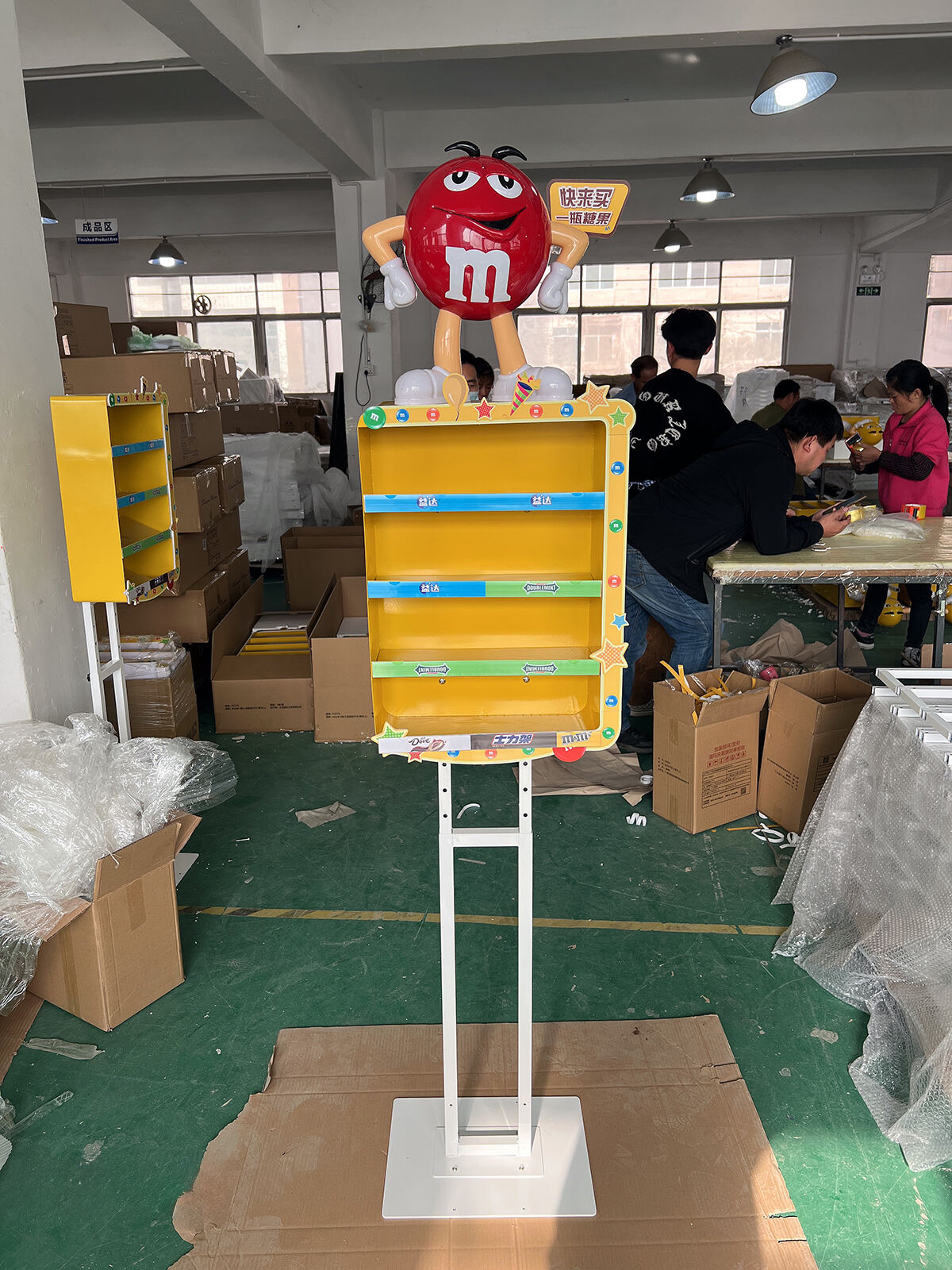
Retail environments demand strategic merchandising solutions that maximize product visibility while optimizing limited space. Countertop display racks serve as essential tools for showcasing high-value items, impulse purchases, and featured merchandise directly within customers' line of sight. The decision between custom and standard display solutions significantly impacts both immediate sales performance and long-term brand presentation, making this choice crucial for retailers across industries.
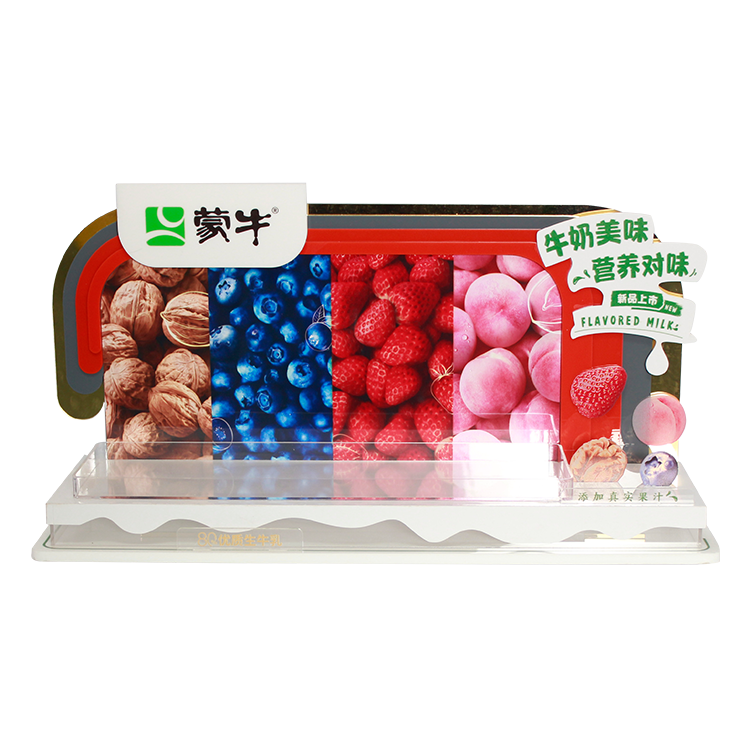
Understanding the fundamental differences between custom and standard countertop display racks enables retailers to make informed investments that align with their specific merchandising objectives. While standard solutions offer immediate availability and cost-effectiveness, custom options provide tailored functionality and distinctive brand integration. Each approach presents unique advantages and considerations that directly affect product presentation effectiveness and customer engagement levels.
Understanding Standard Countertop Display Solutions
Mass Production Benefits and Limitations
Standard countertop display racks represent mass-produced solutions designed to accommodate common retail scenarios and product dimensions. These displays typically feature universal sizing, standard materials, and proven configurations that work across multiple retail environments. Manufacturing economies of scale make standard displays significantly more affordable than custom alternatives, allowing retailers to implement comprehensive merchandising strategies without substantial capital investment.
The primary advantage of standard countertop display racks lies in their immediate availability and predictable performance characteristics. Retailers can quickly source these displays from established suppliers, often receiving products within days rather than weeks. Standard displays undergo extensive testing across various retail environments, providing proven reliability and functionality that reduces implementation risks.
However, standard solutions inherently lack the specific customization that many retail environments require. Generic sizing may not optimize space utilization for unique counter configurations, while standard aesthetics may not align with sophisticated brand presentations. These limitations become particularly apparent in premium retail environments where brand consistency and distinctive presentation significantly impact customer perceptions and purchase decisions.
Common Applications and Effectiveness
Standard countertop display racks excel in high-volume retail environments where consistent product presentation takes precedence over unique aesthetic considerations. Convenience stores, pharmacies, and quick-service restaurants frequently utilize standard displays for impulse merchandise, promotional items, and seasonal products. These environments benefit from the cost-effectiveness and rapid deployment capabilities that standard solutions provide.
The effectiveness of standard displays depends heavily on proper selection and strategic placement within the retail environment. Retailers must carefully evaluate product dimensions, weight requirements, and traffic patterns to ensure optimal functionality. When properly matched to specific applications, standard countertop display racks deliver reliable performance and acceptable return on investment.
Multi-location retailers often prefer standard displays for consistency across different store formats and geographic regions. Standardization simplifies inventory management, maintenance procedures, and staff training while ensuring uniform brand presentation across all locations. This consistency becomes particularly valuable for franchise operations and corporate retail chains seeking to maintain brand standards while controlling operational costs.
Exploring Custom Display Rack Advantages
Tailored Design and Brand Integration
Custom countertop display racks offer unparalleled opportunities for brand integration and unique aesthetic presentation that standard solutions cannot match. Custom designs accommodate specific dimensional requirements, incorporate brand colors and logos, and integrate seamlessly with existing store fixtures and architectural elements. This level of customization enables retailers to create distinctive shopping experiences that reinforce brand identity and differentiate from competitors.
The design flexibility inherent in custom solutions allows retailers to optimize functionality for specific product lines and customer behaviors. Custom countertop display racks can incorporate specialized features such as integrated lighting, security elements, interactive components, and modular configurations that enhance both product presentation and operational efficiency. These features directly contribute to improved sales performance and enhanced customer engagement.
Premium retail environments particularly benefit from custom display solutions that elevate product presentation to match sophisticated brand positioning. Jewelry stores, electronics retailers, and luxury goods merchants rely on custom displays to create appropriate settings for high-value merchandise. The investment in custom solutions often generates significant returns through improved product perception and increased average transaction values.
Functional Optimization and Performance
Custom countertop display racks enable precise optimization for specific operational requirements and space constraints that standard solutions cannot address effectively. Retailers can specify exact dimensions, weight capacities, and configuration options that maximize both product capacity and visual impact within available counter space. This optimization directly translates to improved space utilization and enhanced merchandising effectiveness.
The ability to incorporate specialized functionality sets custom displays apart from standard alternatives. Retailers can integrate temperature control systems for sensitive products, security features for valuable merchandise, or interactive elements that enhance customer engagement. These specialized features often justify the additional investment through improved product preservation, reduced theft, and increased sales conversion rates.
Custom solutions also accommodate unique product characteristics that standard displays cannot effectively handle. Irregularly shaped items, oversized products, or merchandise requiring specific presentation angles benefit significantly from tailored display solutions. This accommodation ensures optimal product presentation while maintaining proper inventory organization and accessibility for both customers and staff members.
Cost Analysis and Investment Considerations
Initial Investment and Long-term Value
The cost differential between standard and custom countertop display racks requires careful analysis beyond simple upfront pricing comparisons. Standard displays typically cost significantly less initially, making them attractive for budget-conscious retailers and large-scale deployments. However, the total cost of ownership includes factors such as replacement frequency, maintenance requirements, and opportunity costs associated with suboptimal performance.
Custom displays command premium pricing due to design development, specialized manufacturing processes, and lower production volumes. Nevertheless, the long-term value proposition often favors custom solutions in specific applications where improved functionality, durability, and sales performance offset higher initial costs. Retailers must evaluate their specific circumstances to determine which approach delivers superior return on investment.
The investment timeline significantly impacts cost analysis outcomes. Standard countertop display racks provide immediate cost benefits for short-term applications or temporary merchandising needs. Custom solutions require longer amortization periods but often deliver superior performance and durability that justify extended payback periods. Retailers planning long-term installations typically find custom solutions more cost-effective over extended operational periods.
Operational Efficiency and Maintenance
Operational considerations significantly impact the true cost of countertop display racks beyond initial purchase prices. Standard displays benefit from established supply chains, readily available replacement parts, and simplified maintenance procedures. These factors reduce ongoing operational costs and minimize disruption when repairs or replacements become necessary.
Custom displays may require specialized maintenance procedures and replacement parts that increase ongoing operational costs. However, custom solutions often incorporate superior materials and construction methods that reduce maintenance frequency and extend operational life. The net effect on operational costs depends on specific design choices, usage patterns, and maintenance practices implemented by individual retailers.
Staff efficiency considerations also influence operational cost analysis. Custom displays designed for specific workflows and product handling procedures often improve staff productivity and reduce labor costs associated with merchandising activities. Standard displays may require additional handling steps or accommodations that increase labor requirements and reduce overall operational efficiency.
Material Quality and Durability Comparison
Construction Standards and Longevity
Material quality represents a critical differentiator between standard and custom countertop display racks that directly impacts both performance and longevity. Standard displays typically utilize cost-optimized materials and construction methods that balance functionality with affordability. While these materials provide adequate performance for typical retail applications, they may not withstand demanding environments or intensive usage patterns.
Custom displays offer opportunities to specify premium materials and construction methods that enhance durability and performance characteristics. Retailers can select materials based on specific environmental conditions, usage requirements, and aesthetic preferences. This material flexibility enables custom solutions to deliver superior longevity and maintained appearance over extended operational periods.
The quality differential becomes particularly significant in high-traffic retail environments where displays experience frequent handling and potential impacts. Custom countertop display racks utilizing premium materials and reinforced construction methods often maintain functionality and appearance significantly longer than standard alternatives. This enhanced durability translates to reduced replacement costs and improved long-term value proposition.
Environmental Resistance and Maintenance
Environmental factors significantly influence material selection and performance outcomes for countertop display racks in various retail settings. Standard displays utilize generic material specifications that provide adequate performance across typical indoor retail environments. However, specialized conditions such as high humidity, temperature variations, or exposure to cleaning chemicals may exceed standard material capabilities.
Custom solutions enable material selection specifically optimized for anticipated environmental conditions and operational requirements. Retailers can specify corrosion-resistant finishes, chemical-resistant plastics, or temperature-stable materials that maintain performance and appearance under challenging conditions. This environmental optimization often justifies premium material costs through reduced maintenance requirements and extended operational life.
Maintenance accessibility represents another important consideration in material selection and design choices. Custom displays can incorporate features that facilitate cleaning, inspection, and repair procedures while standard displays may require more complex maintenance approaches. The long-term maintenance efficiency directly impacts operational costs and display availability for merchandising purposes.
Space Optimization and Layout Flexibility
Dimensional Precision and Fit
Space utilization efficiency represents a critical factor in display selection that significantly impacts both merchandising capacity and customer flow patterns. Standard countertop display racks offer predetermined dimensions that may not optimize available counter space effectively. Generic sizing often results in unused space or inadequate capacity that reduces overall merchandising effectiveness and revenue potential.
Custom solutions provide precise dimensional control that maximizes space utilization while accommodating specific architectural constraints and operational requirements. Retailers can optimize both horizontal and vertical space usage to achieve maximum product capacity without compromising accessibility or visual appeal. This dimensional precision often generates significant returns through improved inventory turnover and enhanced customer experience.
The ability to create modular configurations represents a significant advantage of custom countertop display racks in dynamic retail environments. Custom designs can incorporate expandable elements, interchangeable components, and reconfigurable layouts that adapt to changing merchandise requirements and seasonal variations. This flexibility provides long-term value through reduced need for complete display replacement when merchandising strategies evolve.
Traffic Flow and Customer Interaction
Customer traffic patterns and interaction behaviors significantly influence optimal display design and placement strategies. Standard displays utilize generic configurations that may not optimize customer engagement or facilitate efficient product selection processes. Understanding specific customer behaviors enables more effective display design that enhances both sales performance and shopping experience quality.
Custom displays can incorporate design elements specifically optimized for anticipated customer interaction patterns and product selection behaviors. Strategic positioning of product access points, visual sight lines, and information display areas enhances customer engagement while maintaining operational efficiency for staff restocking and maintenance activities. These behavioral optimizations often generate measurable improvements in conversion rates and average transaction values.
The integration of interactive elements and technology features becomes more feasible with custom display solutions that can accommodate specific technological requirements and power distribution needs. Digital signage, interactive product information systems, and integrated payment processing capabilities enhance customer engagement while providing valuable data collection opportunities for retailers seeking to optimize merchandising strategies.
Implementation Timeline and Logistics
Procurement and Delivery Considerations
Timeline requirements significantly influence display selection decisions, particularly for retailers facing urgent merchandising needs or specific launch deadlines. Standard countertop display racks offer immediate availability through established distribution networks, enabling rapid deployment for time-sensitive applications. This availability advantage makes standard solutions attractive for seasonal merchandising, promotional campaigns, and emergency replacement situations.
Custom display development requires extended timelines that encompass design development, approval processes, manufacturing, and delivery phases. Typical custom projects require several weeks to months depending on complexity and manufacturer capacity. Retailers must plan accordingly to ensure custom displays arrive in time for planned merchandising initiatives and promotional campaigns.
The procurement process complexity differs significantly between standard and custom solutions. Standard displays require minimal coordination beyond selection and ordering, while custom projects involve detailed specification development, design approvals, and ongoing communication throughout the manufacturing process. This increased coordination requirement must be factored into project planning and resource allocation decisions.
Installation and Setup Requirements
Installation complexity varies considerably between standard and custom countertop display racks, directly impacting implementation costs and timeline requirements. Standard displays typically feature straightforward assembly procedures that require minimal technical expertise or specialized tools. This simplicity enables rapid deployment with existing staff resources and reduces implementation costs.
Custom solutions may require specialized installation procedures, technical expertise, or coordination with other systems integration activities. Complex custom displays might necessitate professional installation services, electrical connections, or structural modifications that increase both costs and implementation complexity. Retailers must evaluate these requirements when comparing total implementation costs between alternatives.
The training requirements for staff members responsible for display maintenance and merchandising activities also differ between standard and custom solutions. Standard displays benefit from established procedures and readily available documentation, while custom solutions may require specialized training programs to ensure optimal performance and proper maintenance practices.
FAQ
What factors should retailers prioritize when choosing between custom and standard countertop display racks
Retailers should evaluate their specific merchandising objectives, budget constraints, timeline requirements, and brand positioning when selecting display solutions. Custom countertop display racks justify their premium cost in environments where brand differentiation, unique product requirements, or specialized functionality provide measurable returns. Standard solutions work best for cost-sensitive applications, rapid deployment needs, and straightforward merchandising requirements where generic functionality suffices.
How do material quality differences impact long-term costs between custom and standard displays
Material quality significantly affects total cost of ownership through durability, maintenance requirements, and replacement frequency. Custom displays utilizing premium materials often provide superior longevity and maintained appearance compared to standard alternatives using cost-optimized materials. While initial costs favor standard solutions, custom displays may deliver better long-term value in demanding retail environments through reduced maintenance and replacement costs.
Can standard countertop display racks be modified to meet specific requirements
Standard displays offer limited modification opportunities without compromising structural integrity or voiding warranties. Minor adjustments such as adding signage holders or changing finishes may be possible, but significant dimensional or functional modifications typically require custom solutions. Retailers needing substantial modifications should consider custom displays from the outset to ensure optimal performance and proper engineering.
What timeline should retailers expect for custom display development and delivery
Custom countertop display racks typically require 4-12 weeks from initial consultation to delivery, depending on design complexity, manufacturing capacity, and approval processes. Simple custom modifications may complete more quickly, while complex designs incorporating specialized features or materials require extended development periods. Retailers should initiate custom projects well in advance of planned implementation dates to accommodate potential delays and ensure timely delivery.
Table of Contents
- Understanding Standard Countertop Display Solutions
- Exploring Custom Display Rack Advantages
- Cost Analysis and Investment Considerations
- Material Quality and Durability Comparison
- Space Optimization and Layout Flexibility
- Implementation Timeline and Logistics
-
FAQ
- What factors should retailers prioritize when choosing between custom and standard countertop display racks
- How do material quality differences impact long-term costs between custom and standard displays
- Can standard countertop display racks be modified to meet specific requirements
- What timeline should retailers expect for custom display development and delivery