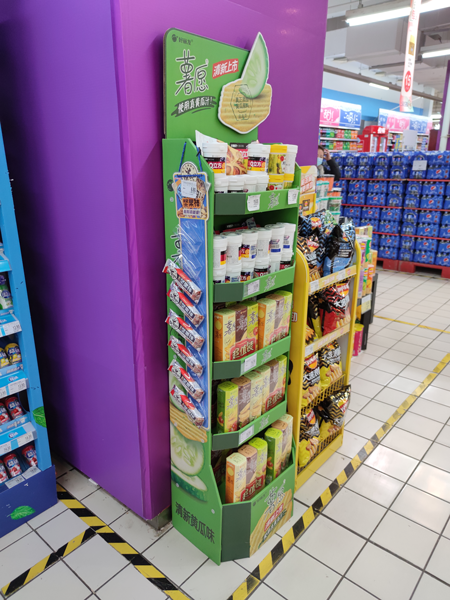
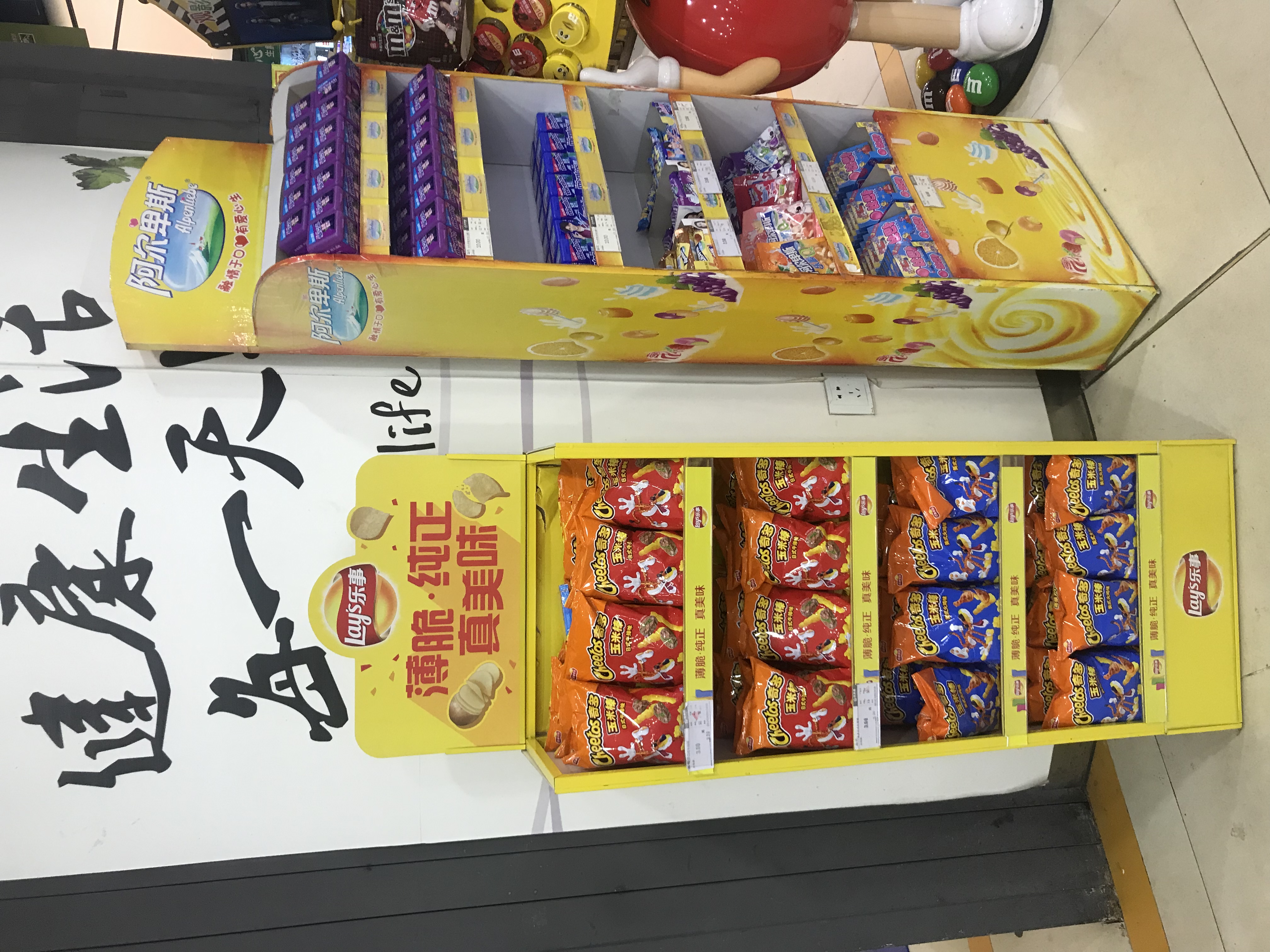
potato chip rack for sale
A potato chip rack for sale represents an essential display solution for retail environments, convenience stores, and food establishments seeking to maximize snack product visibility and sales performance. This specialized shelving unit is specifically engineered to showcase potato chip brands, flavors, and varieties in an organized, accessible manner that encourages customer purchases.
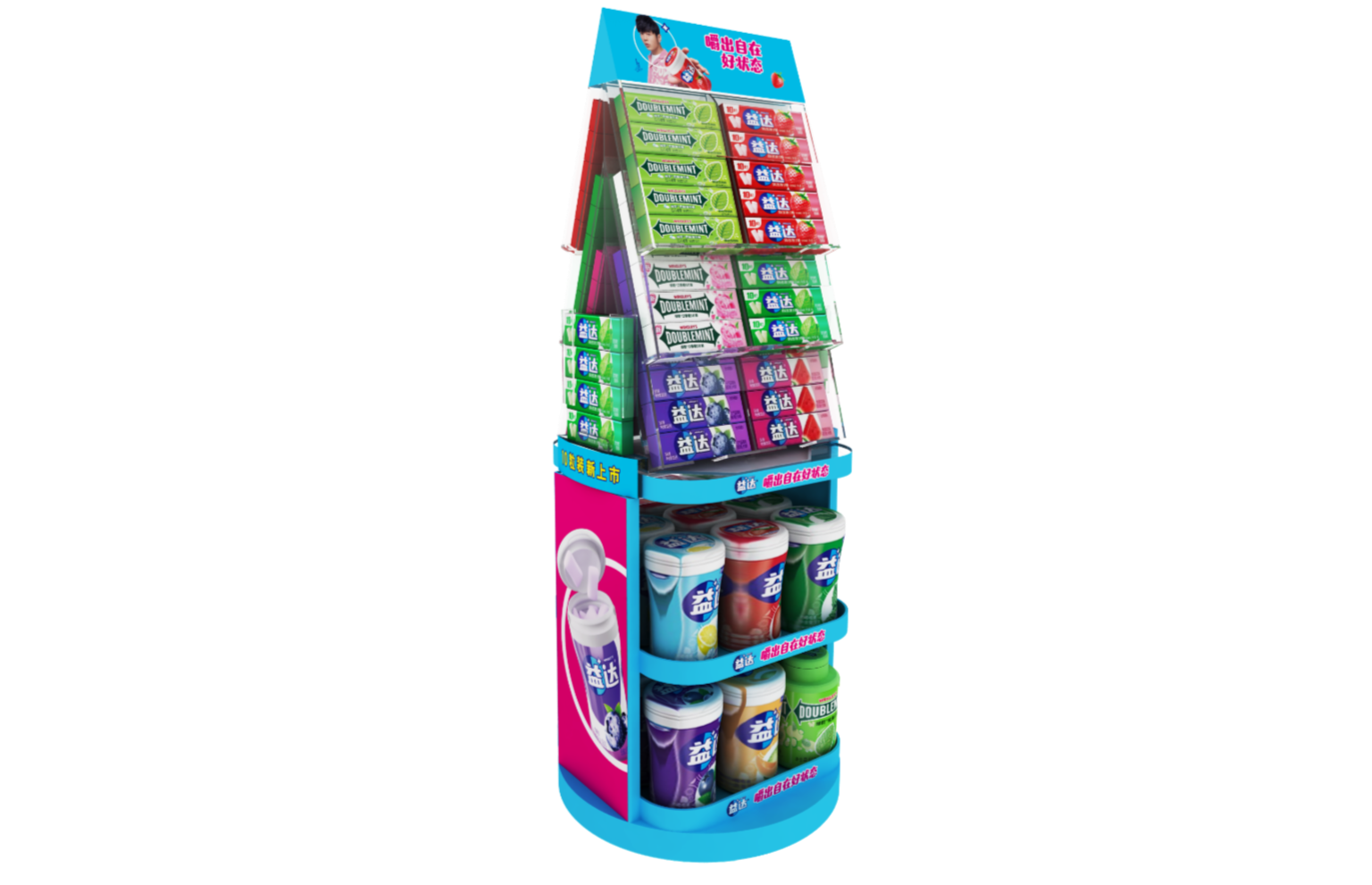
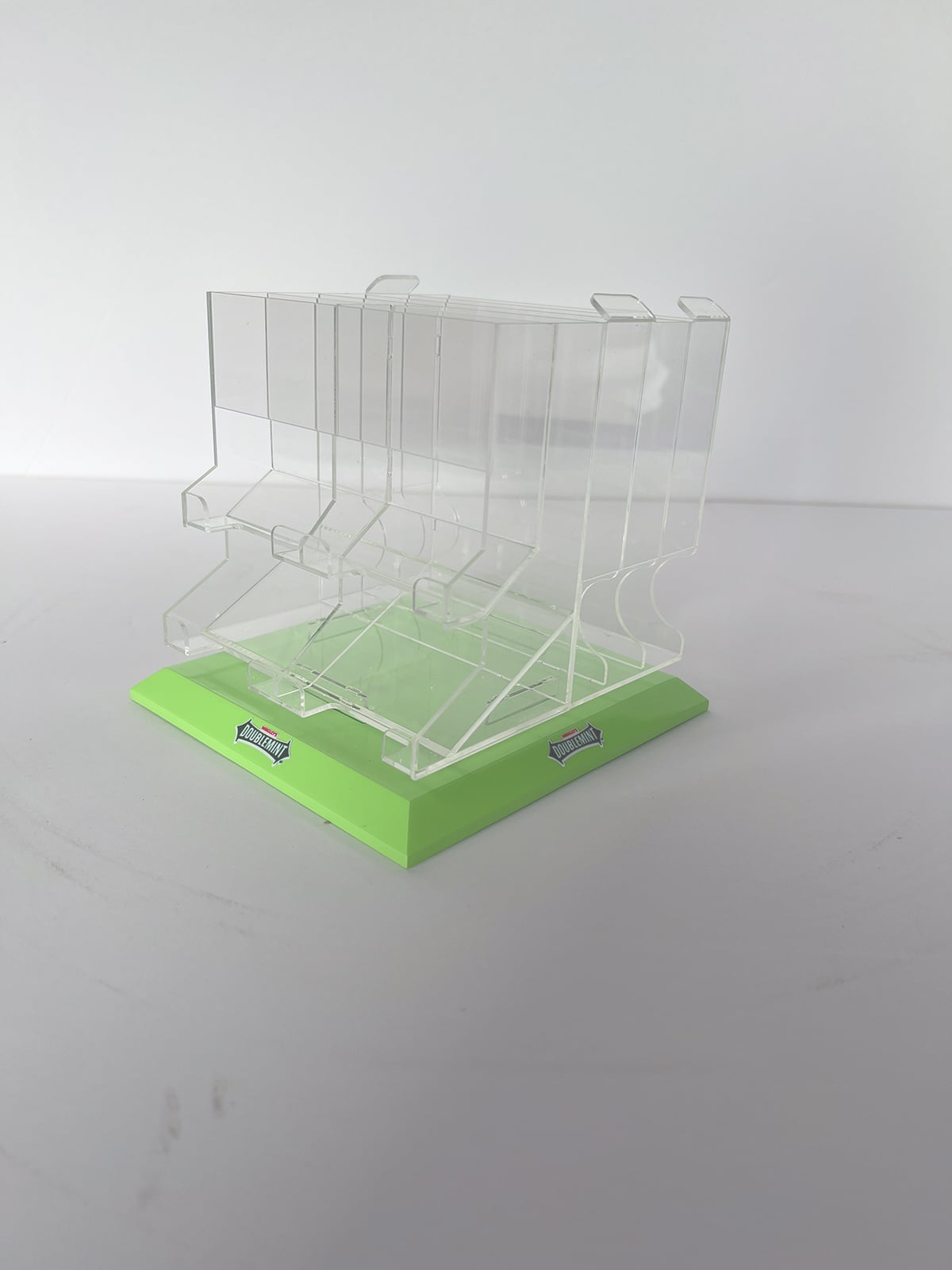
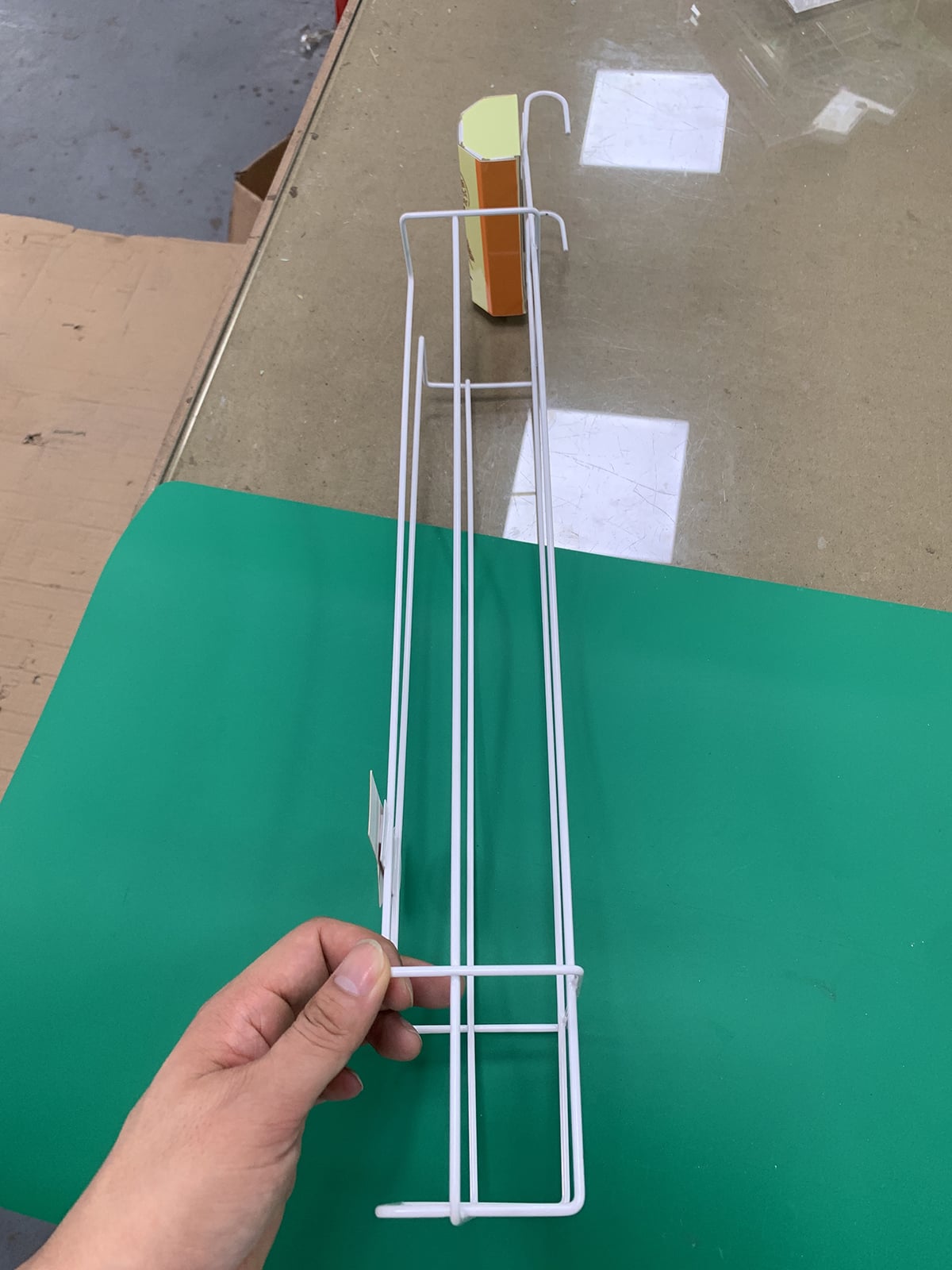
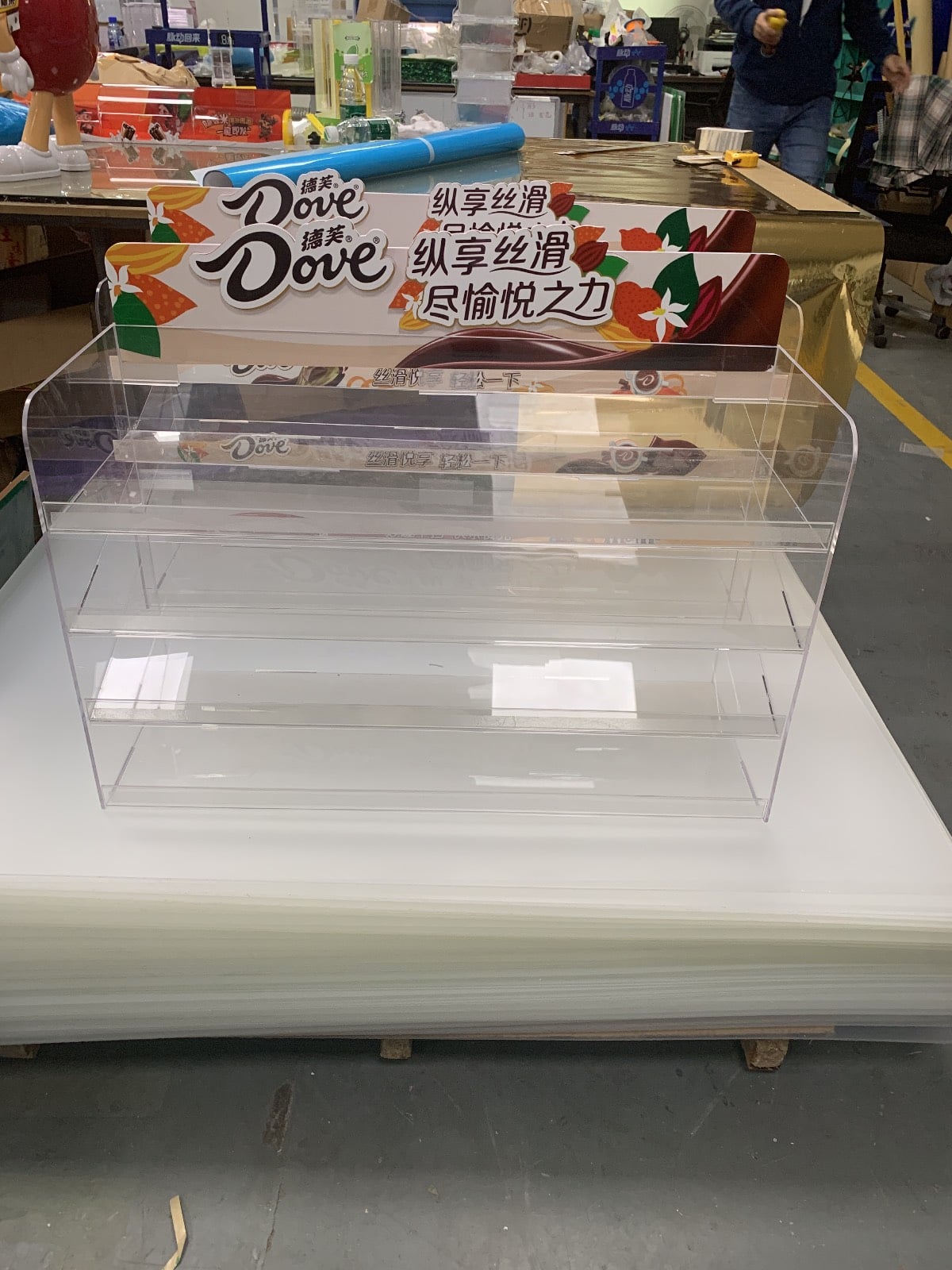
The potato chip rack for sale features multiple tiers or compartments designed to accommodate various chip packaging sizes, from individual bags to bulk containers. Its primary function involves organizing inventory while creating an attractive point-of-sale display that captures consumer attention. The structure typically includes sturdy metal or wood construction with reinforced shelving to support the weight of numerous chip packages throughout the day.
Technologically, modern potato chip racks incorporate features such as adjustable shelving heights, allowing retailers to customize the display based on specific product dimensions and store layout requirements. Many units include integrated signage holders for price tags and promotional materials, enhancing the overall merchandising appeal. The design facilitates easy restocking and inventory management, reducing labor time and operational costs.
Applications for a potato chip rack for sale extend across diverse retail settings. Grocery stores utilize these displays in snack aisles to create dedicated chip sections. Convenience stores, gas stations, and entertainment venues employ them to drive impulse purchases. Movie theaters and vending operations also benefit from optimized chip merchandising through dedicated rack systems that maintain product freshness and accessibility throughout operating hours.
 EN
EN